Breathing Exercise for Asthma
Introduction
Asthma is a chronic respiratory condition that affects the airways of the lungs, making it difficult to breathe due to inflammation, swelling, and narrowing of the bronchial tubes. People with asthma often experience symptoms such as wheezing, coughing, chest tightness, and shortness of breath. While medications play a vital role in managing asthma, breathing exercises can be an effective complementary approach to improve respiratory function and overall lung health.
Breathing exercises are designed to help individuals gain better control over their breathing patterns, reduce breathlessness, and enhance oxygen intake. Techniques such as diaphragmatic breathing, pursed-lip breathing, and deep breathing exercises encourage the lungs to work more efficiently while reducing the effort required for breathing. Regular practice can help strengthen the respiratory muscles, improve lung capacity, and promote relaxation during periods of stress or asthma flare-ups.
They may also help reduce anxiety, which is a common trigger for asthma symptoms. By focusing on slow, controlled breaths, individuals can maintain better airflow and improve their ability to manage daily activities with greater comfort.
Although breathing exercises cannot cure asthma, they can be a valuable part of a comprehensive asthma management plan. When combined with prescribed medications, a healthy lifestyle, and avoidance of asthma triggers, regular breathing practice can contribute to better symptom control and improved quality of life. Always consult a healthcare professional before starting any new exercise program, especially if asthma symptoms are severe or frequently uncontrolled.
What Is Asthma?
Long-term (chronic) inflammation of the airways is a symptom of asthma. They respond to particular stimuli, such as pollen, exercise, or cold air, because of the inflammation. Your airways constrict (bronchospasm), swell, and fill with mucus during these episodes. Breathing becomes difficult as a result, and you may cough or wheeze. These flare-ups can be lethal if left untreated.
Asthma affects millions of people in the United States and around the world. It may begin in childhood or emerge as an adult. Bronchial asthma is another name for it.
Types of asthma
Asthma comes in various forms, such as:
When allergies cause asthma symptoms, it’s known as allergic asthma.
When your only asthma symptom is a cough, you have cough-variant asthma.
Exercise-induced asthma: asthma symptoms caused by physical activity
When chemicals you breathe in at work cause you to develop asthma or trigger asthma episodes, it’s known as occupational asthma.
When you have both asthma and COPD (chronic obstructive pulmonary disease), you are said to have asthma-COPD overlap syndrome (ACOS).
Symptoms and Causes
Symptoms of asthma
Symptoms of asthma include:
- Shortness of breath
- Wheezing
- Chest tightness, pain, or pressure
- Cough
Asthma causes
The cause of asthma is unknown to experts. However, you may be more vulnerable if you:
Live with eczema (atopy) or allergies
Were exposed, particularly in their early years, to poisons, fumes, or secondhand or thirdhand smoke (the substance left behind after smoking).
Have an asthmatic or allergic biological parent
Asthma triggers
Anything that either induces or worsens asthma symptoms is considered an asthma trigger. You may have several triggers or just one. Typical triggers consist of:
- Pollen, dust mites, cat dander, and other airborne allergens can cause allergies.
- Cold air: particularly during the winter
- Exercise: cold-weather sports and particularly strenuous physical activity
- Mold: even if you don’t have an allergy
- Exposures at work include sawdust, flour, glues, latex, and building supplies.
- Colds, the flu, and other respiratory diseases are examples of respiratory infections.
- Smoking, secondhand smoke, and thirdhand smoke
- Stress: either mental or physical
- Strong odors or chemicals: air fresheners, nail polish, perfumes, and household cleaners
- Air pollutants include vehicle exhaust, industry emissions, and smoke from wildfires.
- An immediate attack might be triggered by asthma triggers. Alternatively, after being exposed to a trigger, an attack may take hours or days to begin.
Complications of asthma
Severe flare-ups of asthma that do not improve with treatment are known as status asthmaticus. If your organs and tissues don’t receive enough oxygen, this could be fatal.
What are the 3 R’s of asthma?
The “3 R’s” of asthma are the clinical protocol for management of an asthma attack in schools and public health settings:
Recognize: Recognize the symptoms and signs of an asthma attack (e.g., wheezing, coughing, chest tightness, shortness of breath, or difficulty speaking in full sentences).
Working from the student’s or patient’s personalized Asthma Action Plan, which almost always involves helping the student/patient to use their prescribed quick-relief (rescue) inhaler.
Review the condition after giving the medicine. Call emergency services if the symptoms do not get better or if breathing becomes very difficult.
How can breathing exercises help asthma?
Your asthma can benefit from breathing exercises by:
- Improving lung function;
- Reducing asthma symptoms;
- Improving overall lung health.
You can improve your general respiratory control by practicing breathing exercises for asthma. They can’t prevent the constriction of your airways. You can better control your asthma symptoms if your asthma is under control. Your quality of life increases when you can breathe more easily.
Breathing exercises function as follows:
Strengthen the respiratory muscles
The diaphragm and other breathing-related muscles can be strengthened using breathing exercises. This can expand lung capacity and enhance breathing efficiency.
Promote relaxation
Anxiety and stress can aggravate asthma. Relaxation can be achieved through breathing techniques, especially gradual muscle relaxation and deep breathing. Stress and anxiety levels may drop as a result. Additionally, it can lessen asthma attacks brought on by emotional causes.
Increase breathing control
People with asthma can learn to regulate their breathing patterns by frequently engaging in breathing exercises. The frequency and intensity of asthma attacks may be lessened as a result.
Clear airways
Certain breathing techniques, such as puffing or coughing under control, might assist in removing too much mucus from the airways. This can lessen the chance of infection, congestion, and inflammation.
Improve overall lung health.
Breathing exercises can improve lung capacity and strength when done on a regular basis. They can boost respiratory endurance and enhance oxygen exchange. Better lung health and a higher standard of living may result from this.
What are the 5 signs of asthma?
The five most common signs of asthma are: wheezing (a whistling sound when breathing), shortness of breath, a chronic cough, chest tightness, and difficulty sleeping due to these respiratory issues.
Asthma is a chronic disease that causes the airways to swell, narrow, and produce extra mucus, which makes it hard to breathe. You can manage the illness and prevent asthma attacks by being aware of the main warning indicators.
Top 5 Signs of Asthma
Wheezing. A high-pitched, whistling, or squeaky sound when you breathe out. It is one of the most common signs, particularly in children.
Shortness of Breath: You feel as though you can’t get enough air, or you experience breathlessness when you are exercising or even when you are resting.
What are the 4 pillars of asthma?
The modern medical diagnosis and management of asthma is based on four essential pillars, namely Clinical Symptoms, Airway Obstruction, Airway Hyperresponsiveness,s and Airway Inflammation.
1. Clinical signs
Diagnosis is based on the patient’s current symptoms and medical history. Classic signs of asthma include:
Wheezing: A whistling sound when you exhale.
Difficulty Breathing: Feeling like you can’t get a full exhale, or can’t breathe in enough air.
Chest tightness is an indication of pressure or constriction in the chest.
Chronic Cough: Usually worse at night or in the early morning.
2. Obstruction of the airway
Asthma makes the muscles around the airways tighten and the lining swell, making it hard for air to pass through. This is measured objectively and confirmed with spirometry, a breathing test that measures: FEV1 (Forced Expiratory Volume): The volume of air that you can exhale forcibly in one second.
FVC (Forced Vital Capacity): The maximum volume of air exhaled.
3. AHR (airway hyperresponsiveness)
People with asthma have hypersensitive airways that react abnormally to minor triggers. The airways react more than they should to things like exercise, cold air, allergens, or smoke, which can trigger an asthma attack. In a clinic, sometimes a bronchoprovocation test is formally measured, for example, a methacholine challenge. It causes the airways to constrict.
4. Inflammation of the airway
Asthma is, in its essence, a chronic inflammatory disorder. The airways are constantly dealing with things like swelling, mucus production, and immune cell buildup (like eosinophils and mast cells). The use of controller medications (e.g., inhaled corticosteroids) to treat this inflammation is the foundation of long-term disease control and prevention of severe exacerbations.
Breathing Exercise for Asthma
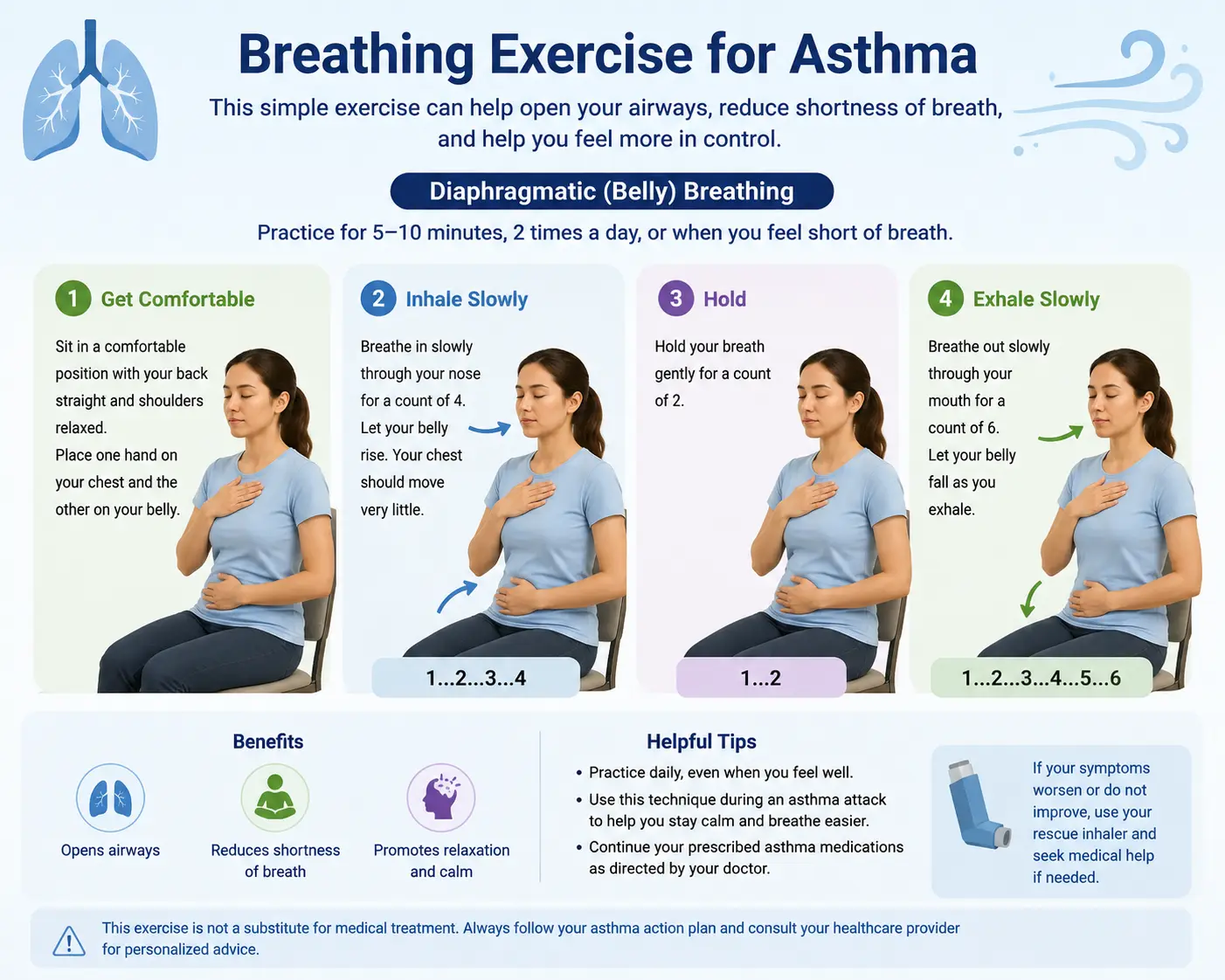
Diaphragmatic breathing

Diaphragmatic breathing teaches you to breathe from the area surrounding your diaphragm instead of your chest. The dome-shaped muscle below your lungs that facilitates breathing is called the diaphragm.
This method allows deeper breathing and strengthens your diaphragm.
To put diaphragmatic breathing into practice:
- Either sit upright in a chair or lie on your back with your knees bent and a pillow below them.
- Put one hand on your tummy and the other flat on your upper chest.
- Inhale slowly through your nose. While the hand on your chest stays still, the hand on your stomach should move.
- Pursed lips, exhale gently.
- Continue using this method until you can breathe in and out without moving your chest.
Nasal breathing
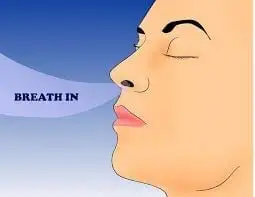
Mouth breathing may be associated with more severe asthma symptoms, but further research is needed.
Breathing via your nose has the benefit of increasing the air’s humidity and warmth, which can lessen asthma symptoms.
The Papworth method
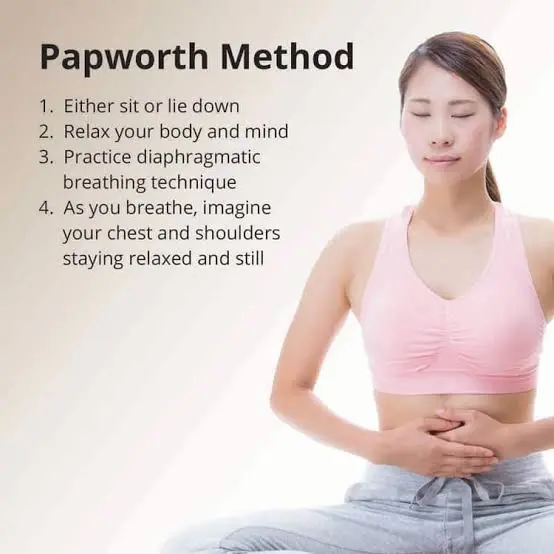
The Papworth method has been in use since the 1960s. It incorporates a range of breathing techniques along with relaxation training methods.
It teaches you how to breathe regularly and gently via your nose and diaphragm.
You also learn how to manage your tension so that it doesn’t obstruct your breathing.
The following are steps in the Papworth method:
- Relax your body and mind by sitting or lying down in a comfortable position.
- Take a deep, slow breath through your nose. Your stomach will rise.
- Breathe out slowly through your mouth. Your stomach will drop.
- Try to hold the exhale longer than the inhale.
- Pay attention to maintaining a relaxed body.
Buteyko breathing
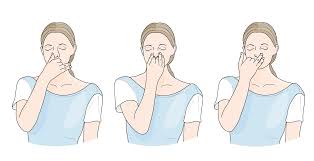
Buteyko breathing is named for the Ukrainian physician Konstantin Buteyko, who invented the method in the 1950s.
It is based on the theory that humans often hyperventilate—that is, breathe more quickly and deeply than is necessary. For those with asthma, rapid breathing may worsen symptoms like dyspnea.
Research assessing its efficacy has produced conflicting findings.
Buteyko doesn’t appear to enhance lung function, although it may alleviate asthma symptoms and lessen the need for medicines.
To put Buteyko breathing into practice
- For a few minutes, take regular breaths.
- Hold your breath after exhaling by closing your nose with your thumb and index finger.
- Hold your breath until the need to breathe arises, then take a breath.
- Take regular breaths for ten seconds or more.
- Repeat a few times.
Pursed lip breathing

One method that helps ease dyspnea and encourage relaxation is pursed lip breathing.
Pursed lip breathing exercises:
- As though you were going to whistle, purse your lips.
- Lastly, exhale via pursed lips for four counts.
Yoga breathing
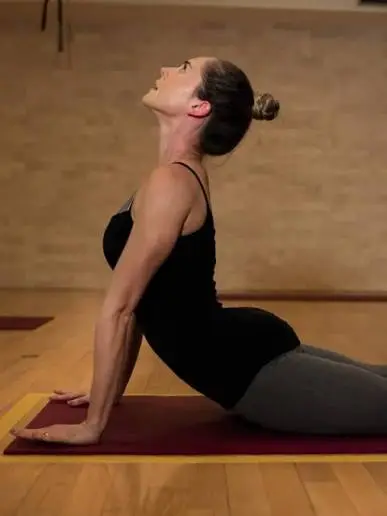
Yoga is a workout routine that includes both deep breathing and movement. According to a few modest studies, lung function and asthma symptoms may be improved by practicing the same kind of controlled deep breathing as yoga.
Diagnosis and Tests
How do doctors diagnose asthma?
Lung function tests and questions about your symptoms are used by an allergist or pulmonologist to diagnose asthma. They will inquire about your medical history, both personal and familial. Telling them what aggravates your asthma symptoms and what makes you feel better can be beneficial.
Tests
Your doctor may assess the health of your lungs and rule out other problems using:
Skin or blood tests for allergies can help identify whether an allergy is causing your asthma symptoms.
Blood count: If eosinophil and immunoglobulin E (IgE) levels are high, medical professionals can target them for treatment. In some forms of asthma, eosinophils and IgE may be increased.
A standard test for lung function that gauges how well air passes through your lungs is called spirometry.
CT scans or chest X-rays can assist your doctor in determining the source of your symptoms.
The degree to which your airways are constricted during specific activities can be measured with a peak flow meter.
Management and Treatment
What is the best way to manage asthma?
Avoiding recognized triggers and taking medicine to keep your airways open are the best strategies to manage asthma. Your doctor may recommend:
Inhaled steroids that lower inflammation are typically found in maintenance inhalers. They are occasionally used in conjunction with various bronchodilators, which are drugs that widen your airways.
They include a bronchodilator, such as albuterol, which rapidly opens your airways.
Nebulizers: Nebulizers use a mask to apply a thin mist of medication to your face. For some drugs, a nebulizer may be a better option than an inhaler.
Leukotriene modifiers: To lessen asthma symptoms and the likelihood of an asthma attack, your doctor may recommend a daily medication.
Oral steroids: If you experience a flare-up, your doctor may recommend a brief course of oral steroids.
Biologic therapy: Monoclonal antibodies are one type of treatment that may help with severe asthma.
Asthma action plan
Together, you and your healthcare professional will create an asthma action plan. How and when to take your medications is outlined in this strategy. It also explains when to seek emergency care and what to do when you experience specific symptoms. Request a walkthrough from your healthcare professional.
When should I see my healthcare provider?
If you experience frequent asthma attacks or believe that your symptoms are beyond control, speak with your healthcare professional. Make sure you know when to visit the emergency department and your asthma action plan.
If you have a severe asthma attack or are exhibiting any of the following symptoms, use your rescue inhaler and then dial 911 (or your local emergency number):
- Anxiety or panic
- Bluish, whitish,h or grayish fingernails, lips, or gums
- Chest pain or pressure
- Coughing that won’t stop
- Severe wheezing when you breathe
- Difficulty talking or swallowing
- Pale, sweaty face
- Rapid breathing
FAQs
What is the 4 7 8 breathing method?
The 4-7-8 breathing method is a breathing technique derived from ancient yogic practices. It involves breathing in silently through the nose for 4 seconds, holding the breath for 7 seconds, and exhaling completely through the mouth for 8 seconds to help comfort the nervous system.
How to do the 4-7-8 Technique
To get the most out of the exercise, it is best to sit down in a comfortable position with your back straight and your feet on the floor.
Rest your tongue. Press the tip of your tongue up against the tissue ridge behind your top front teeth. Hold it there throughout the exercise.
Make a quiet “whoosh” sound as you release all of the air from your mouth.
Inhale (4 seconds). For a mental count of four, close your mouth and take a slow, deep breath through your nose.
Hold (7 seconds): As you hold your breath, mentally count to 7.
Exhale ( 8 seconds ) . Close your mouth and exhale completely through your mouth, making a whoosh sound. Exhale for a mental count of 8.
Repeat. This completes one cycle. Repeat the entire cycle three more times, for a total of four breaths.
How it works
Nervous System Regulation: Making your exhale twice as long as your inhale stimulates the parasympathetic nervous system. This helps lower your heart rate and signals to your brain that it is safe to relax.
Reduces Anxiety: Stress and racing thoughts can be broken by deep, rhythmic breathing.
How can asthma be relieved the quickest?
The best and fastest way to relieve symptoms of asthma or an asthma attack is with a prescribed quick-relief (rescue) inhaler. These quick-relief bronchodilators (such as albuterol or levalbuterol) work fast to relax the muscles around your airways.
What is the 5 5 8 2 breathing technique?
A concentrated breathing technique called the 5-5-8-2 Breath involves counting to five as you inhale, holding it for five counts, then exhaling it for eight counts. and holding it for two more counts. For a few minutes, this process is repeated.
What is stage 4 of asthma?
Stage 4 is the most advanced and serious stage of asthma. The medical term for this stage is Severe Persistent Asthma. It’s characterized by ongoing, daily symptoms that severely limit your physical activity, frequent nighttime awakenings, and severely limited lung function.
What are 5 preventions of asthma?
Although there is no cure for asthma, you can effectively avoid asthma attacks and symptoms by recognizing your own triggers, reducing your exposure to allergens at home, taking maintenance medications as directed, avoiding smoke and air pollution, and receiving a respiratory infection vaccination.
What is the most successful treatment for asthma?
Inhaled corticosteroids (ICS), which immediately lower airway inflammation, are the most effective and widely used treatment for asthma. For long-term control, ICS are often taken in combination with long-acting bronchodilators customized using an Asthma Action Plan.
References
- American Lung Association. (n.d.). Breathing exercises. https://www.lung.org/lung-health-diseases/wellness/breathing-exercises
- Asthma. (2026, March 30). Cleveland Clinic. https://my.clevelandclinic.org/health/diseases/6424-asthma
- Breathing exercises for asthma. (2025, September 2). Allergy & Asthma Network. https://allergyasthmanetwork.org/news/breathing-exercises-for-asthma/
- How can I manage my breathlessness? (2026, April 21). Asthma + Lung UK. https://www.asthmaandlung.org.uk/symptoms-tests-treatments/symptoms/breathlessness/how-can-i-manage-my-breathlessness
- Santino, T. A., Chaves, G. S., Freitas, D. A., Fregonezi, G. A., & Mendonça, K. M. (2020). Breathing exercises for adults with asthma. Cochrane Database of Systematic Reviews, 2020(3), CD001277. https://doi.org/10.1002/14651858.cd001277.pub4
- Watson, S. (2025, April 10). Breathing exercises for severe asthma. Healthline. https://www.healthline.com/health/get-serious-about-severe-asthma/breathing-exercises-severe-asthma