Kyphosis Correction Exercises
Introduction
Kyphosis is an excessive curving of the spine that finally gives the upper back a hump-like look. By maintaining good posture and performing certain back and neck strengthening exercises, you can avoid this.
Excessive curvature of the spine results in kyphosis, which eventually gives the upper back a hump-like look.
Kyphosis affects 20–40% of older persons. Women between the ages of 50 and 70 experience the biggest alteration in the thoracic curve.
What is kyphosis?
Your spine curves farther outward than it should when you have kyphosis. This causes your upper back to bend forward around the thoracic region, which is the part of your spine between your ribs and neck. The curvature may make you appear hunched over or slouched.
Your spine is naturally curved. These curves help your posture, allowing you to stand straight. However, too much curvature can have an adverse effect on your body and make standing challenging.
Kyphosis rarely results in health issues or demands medical intervention. But it could make you feel self-conscious about how you look. Severe kyphosis might cause pain or respiratory issues. Surgery may be necessary for severe kyphosis.
What are the types of kyphosis?
Kyphosis comes in a variety of forms. Among the most frequent are:
The most prevalent kind of kyphosis is postural kyphosis. It typically occurs while you are a teenager. The ligaments and muscles that hold your vertebrae (spinal bones) in place are stretched when you slouch or have bad posture. Stretching causes your vertebrae to shift from their natural positions, giving your spine a rounded form. Girls are more affected than boys. Usually, it doesn’t hurt.
Scheuermann’s kyphosis: This kind occurs when vertebrae are shaped differently than they should be. Your vertebrae are shaped like a wedge rather than a rectangle. Because the wedge-shaped bones in your spine flex forward, it appears rounded. Boys are more affected than girls. Scheuermann’s kyphosis can be uncomfortable, particularly while engaging in physical activity or prolonged standing or sitting. Because your vertebrae are rigid, altering your posture or position won’t alter the curve.
Congenital kyphosis: A condition that is present from birth is referred to as congenital. Congenital kyphosis is the result of improper or incomplete spinal development in the uterus. As you become older, it may become more severe. The curvature of the spine during childhood can be corrected surgically to stop it from getting worse. It may occur alongside other congenital growth problems, such as those affecting your kidneys and heart.
Military neck, also known as cervical kyphosis, is a condition in which the cervical spine—the portion of the spine from the base of the head to the upper back—curves toward the front rather than the rear as it normally does.
Hyperkyphosis: A strong forward curvature of the spine is known as hyperkyphosis. The curve is more than fifty degrees in length. After 40, this kind is prevalent.
How common is kyphosis?
Scheuermann’s kyphosis affects less than 8% of school-age children in the US.
An estimated 20% to 40% of persons over 60 have hyperkyphosis, also known as severe kyphosis. Your upper spine’s forward angle typically grows by 3 degrees every ten years.
Symptoms and Causes
What are the symptoms of kyphosis?
The following are the primary signs of kyphosis:
- Rounded shoulders.
Your upper back has a hump or curvature. - The hamstrings are tight muscles located at the rear of your thighs.
The following symptoms could indicate severe kyphosis: - Your shoulder blades and back may hurt or become stiff.
legs that are weak, numb, or uncomfortable.
extreme exhaustion.
problems with balance.
Either bowel or bladder incontinence.
respiratory difficulties or shortness of breath.
What causes kyphosis?
Depending on the type, kyphosis can have a variety of causes, such as:
bad posture.
flaws in the structure of your spine’s bones.
variations in bone growth (bone form).
spinal damage.
How old are you?
Can scoliosis develop from kyphosis?
No, both scoliosis and kyphosis damage the spine. One does not cause the other, even if they may happen at the same time. Kyphosis is the term for the abnormal bending of the spine from front to back. Scoliosis is the term for the abnormal curvature of the spine, either horizontally or from left to right.
What are the risk factors for kyphosis?
Between the ages of 13 and 16, postural and Scheuermann’s kyphosis are frequently diagnosed. Teenagers’ fast bone growth is the reason behind this. However, anyone at any age can develop it. The vertebrae become less flexible as people age, and the spine may start to tilt forward.
Additionally, kyphosis in its congenital form may exist from birth. This may occur in conjunction with other underlying medical issues that impact your uterine growth and development.
Why is exercise important?
Your rounded upper back may improve with exercise, proper posture, and spinal adjustments.
Exercise may improve the angle of thoracic kyphosis, according to a 2019 review of research on the subject. Additionally, it indicated that both stretching and strengthening might be beneficial, albeit further study is required to fully comprehend the results.
Exercises and stretches for kyphosis.
These five exercises can help avoid or improve a rounded upper back. The secret is to be consistent. To observe improvements over time, these exercises should be performed at least three or four times a week.
Before beginning a fitness program, always get medical advice and pay attention to your body. If a stretch or exercise is aggravating your pain, stop and get help.
Kyphosis Correction Exercises
Mirror image
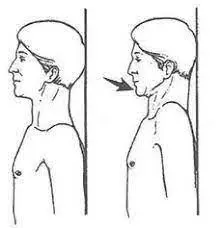
Just perform the opposite action of the posture you’re attempting to fix for this exercise.
If necessary, take a tall stance and lean against a wall.
- Bring your head back straight over your shoulders and tuck your chin in a little.
- Raise and lower your shoulder blades. Hold for 30 to 60 seconds. If you start to feel pain, take a rest.
- Place a pillow behind you and press your head into it if it’s difficult to get your head to touch the wall while keeping your chin tucked.
Head retraction
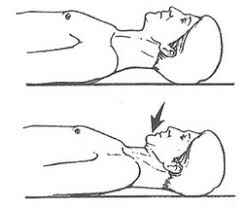
- The neck muscles, which are frequently weak and stretched out, benefit greatly from this floor-based exercise.
- As though attempting to create a double chin, pull your chin back toward the floor.
- Hold for fifteen seconds. Do this five to ten times.
Superman

- Stretch your hands in front of your head while lying on your stomach.
- Raise both arms and legs toward the ceiling while maintaining a neutral head position and staring at the floor.
- Feel as though your hands and feet are extending far away from your body. Repeat ten times after holding for three seconds.
Life extension

- The purpose of this exercise is to stretch the stiff chest muscles and strengthen the weak back muscles.
- Keep your shoulders back and down, your chest straight, your knees soft, your core active, and your posture upright.
- With your thumbs pointing behind you, raise your arms into a Y shape.
- Hold this position as you exhale after taking two or three deep breaths.
Thoracic spine foam rolling

- Place a foam roller across your mid-back and lie on the floor.
- Using the foam roller, gently roll up and down to massage your thoracic spine and back muscles.
- You can also attempt this in the life extension pose mentioned above, with your arms outstretched over your head. Spend at least 30 to 60 seconds doing this.
What are the complications of kyphosis?
Mild incidents of kyphosis rarely result in complications, while severe spine curves can. Complications could consist of:
- Back discomfort.
- Walking is difficult.
- Breathing difficulties due to lung compression.
- Neurological problems (pinched nerves).
Diagnosis and Tests
How is kyphosis diagnosed?
You, as your child’s caregiver, or a school doctor (nurse), may observe signs of kyphosis in kids, particularly during a scoliosis screening at school. In order to confirm a diagnosis, your child’s school might advise them to see a primary care physician.
Your doctor will diagnose kyphosis at any age following a physical examination. You or your child will be asked to do a bending test by your provider during the physical. You will stand with your arms by your sides, your knees straight, and your feet together. After that, you will slowly bend forward and look at your feet. This test allows your doctor to see the curvature of your spine as well as any other problems.
What tests diagnose kyphosis?
Your doctor can diagnose the issue by measuring the curve of your spine with the aid of a spine X-ray. The range of the natural curve is 20 to 45 degrees. If the bend is more than 50 degrees, your doctor will diagnose kyphosis.
To figure out whether the curvature of your spine affects other areas of your body or whether your symptoms are the consequence of an underlying condition, your healthcare professional will also recommend testing. Tests could consist of:
- A pulmonary function test to determine lung health.
- An MRI to find out if the curvature of your spine puts strain on your spinal nerves.
Management and Treatment
How is kyphosis treated?
Kyphosis can be treated in a variety of ways, such as:
Physical therapy: By strengthening the back and abdominal muscles, exercises can reduce discomfort and enhance posture. Tight hamstrings can be stretched, and other parts of your body strengthened with exercise.
Back pain is relieved by anti-inflammatory drugs.
Back brace: Wearing a brace may be advised by your physician. Scheuermann’s kyphosis is most common in youngsters who are still growing. The sort of brace and the number of hours it should be worn each day will be discussed by your provider.
Surgery: The curvature of the spine can be decreased surgically. Spinal fusion surgery is the most popular procedure for kyphosis. Your surgeon will align your vertebrae in a more straight position throughout this surgery. They will fuse them by filling in the gaps between your vertebrae with tiny bits of bone. Your vertebrae fuse or join together as they heal. This process lessens the curve’s harshness.
A medical professional will assess your spine and recommend a course of action based on your:
- Age.
Medical background.
Overall health.
Type kyphosis.
Curvature severity.
Breathing difficulties.
Spine surgery may be appropriate for you if you have: - Congenital kyphosis.
Scheuermann’s kyphosis, which has a curve greater than 75 degrees.
Severe back pain that persists despite conservative or nonsurgical therapy.
Takeaway
You can enjoy long-term health benefits by making little adjustments to your posture today to avoid kyphosis.
For example, put down your phone, work on improving your posture, and strive for a higher standard of living. Recall that when making minor adjustments to moving and stretching more, consistency is important.
FAQs
Is it possible to correct kyphosis with exercise?
People with postural kyphosis benefit greatly from workouts that strengthen their muscles and straighten their posture. These exercises may be recommended for general strength and flexibility, in addition to addressing and correcting kyphosis. This is particularly important in situations like Scheuermann’s illness.
What is the most effective treatment for kyphosis?
Physical therapy is frequently recommended for moderate increases in kyphosis and the flexible postural curves. The appearance and pain associated with kyphosis can be effectively managed with a regular at-home workout routine that emphasizes back extensor stretching and strengthening, as well as core strengthening.
Can you reverse kyphosis without surgery?
A curvature of the spine called kyphosis results in an excessive rounding of the back. It can be corrected with time, physical treatment, and bracing.
Can kyphosis ever be corrected?
Generally, it involves postural correction, physical therapy bracing, or ( in severe cases ) surgery.
1. Postural Kyphosis (Arises from slouching)
Most of the cases are postural, that is, they are due to bad habits.
The Fix: Very reversible with conscious posture awareness and exercises to strengthen core and back muscles.
What to Do: For a quick overview of nonsurgical management strategies, check out the Cleveland Clinic’s Kyphosis Guide. For a detailed breakdown of how posture education corrects curves, visit HSS Orthopedics.
2. Scheuermann’s Kyphosis (Structural bone changes)
This is when the vertebrae grow unevenly, and it is common among teenagers.
The Fix: Treatment focuses on preventing the curve from becoming worse during the child’s growth. Usually, this involves wearing a brace for the spine and physical therapy.
Action: Guide on Kyphosis to learn how bracing and pain management are utilized for structural cases.
3. Serious Cases (Pain or Neuro Symptoms)
The Fix: If you have a severe curve, ongoing pain, or a risk of pinched nerves, your doctor may recommend a surgery called a spinal fusion.
At what age is kyphosis most common?
Between the ages of 13 and 16, postural and Scheuermann’s kyphosis are frequently diagnosed. Teenagers’ fast bone growth is the reason behind this. However, anyone at any age can develop it.
What are the first signs of kyphosis?
A bent or rounded upper back is the primary sign of kyphosis. Your shoulders may occasionally appear rounded as well. If the upper portion of your spine is only slightly bent, you might not have any further symptoms. Back discomfort and stiffness may result if the curvature becomes more pronounced or worsens.
How long does it take to reverse kyphosis?
Actually, with specific exercises and posture awareness, adults with postural kyphosis can frequently reverse their condition. Usually, mild to severe kyphosis becomes better in three to six months. Although it may not be completely reversed, structural kyphosis (induced by alterations in the vertebrae) can be much improved.
What exercises should you avoid with kyphosis?
If you have kyphosis, make sure to avoid exercises that cause “spinal flexion” (forward bending) or too much shoulder rounding. These movements compress your vertebrae, increase the curve, and put you at risk for injury.
Exercises to Avoid
sit-ups and crunches: lead to repetitive flexion of the spine and compression of the thoracic vertebrae.
Toe Touches and Forward Bends: Excessive stress on the thoracic spine and overextension of the ligaments in your back.
Pilates Roll-Ups and “Hundreds”: Require spinal flexion and forward curling.
Behind-the-neck Lat Pull-downs or Presses: Drive the head and shoulders forward-hunched.
Heavy Back Squats (Bar Too Far Forward) can collapse the chest, teaching the nervous system to stay in bad posture.
Safer Options
Core Strength: Replace crunches with planks or bird dogs to improve stability without flexing the spine.
Fixing posture, chin tucks to get your head in line, and wall slides or cobra stretches (lying on your stomach and lightly lifting your chest) will help open up your chest and strengthen the upper back.
What type of doctor treats kyphosis?
Our skilled orthopedic surgeons and neurosurgeons can perform treatments to straighten and stabilize the spine if your scoliosis or kyphosis is so severe that it limits your range of motion or if your doctors conclude that severe spinal curvature puts your health at risk.
Can L4 and L5 be cured without surgery?
Yes. Up to 90% of bulges or herniations of the discs at L4-L5 will resolve without surgery. To heal, conservative non-invasive treatment is needed to reduce inflammation and ease pressure on the nerve. Non-surgical Treatment Options
Physical therapy. A formal physical therapy program can help to strengthen the core and lower back muscles to improve posture and reduce pressure on the L4-L5 nerve roots.
Spinal Decompression- This is a controlled therapy that gently stretches the spine to relieve pressure on the affected discs and allow them to pull back.
Injections: Epidural steroid injections can be used to target and calm down severe nerve inflammation.
When Surgery Is Required
“We typically do surgery as a last resort. Generally, surgery is only recommended when conservative treatments have failed after several months, or you have “red flag” symptoms of severe nerve compression, including:
Slowly or rapidly developing weakness in the legs or feet (e.g., foot drop)
Loss of bowel or bladder function
Groin and Inner Thigh Numbness in the saddle area
Every lower back condition is different and requires a medical diagnosis to determine the best way to rehab your specific symptoms,s so it is important to see an orthopedic specialist or physical therapist.
What muscles are weak if you have kyphosis?
Active Posture – Kyphosis occurs mainly because of a muscular imbalance between the overactive, tight muscles (like your chest) and the weak, stretched muscles. In kyphosis, the upper back stabilizers and deep neck flexors are usually weak and lengthened, and are unable to fight the pull of gravity of a slumped posture.
Weak Key Muscles
Middle and Lower Trapezius: These muscles draw the shoulder blades down and towards each other. Shoulders roll forward when weak.
Rhomboids: These muscles pull the shoulder blades toward the spine.
The back extensors that run along the spine are called the erector spinae (thoracic), and when they are weak, the spine can fold forward into a hunch.
Weakness in the Rotator Cuff Muscles (External Rotators) causes the arms to spin internally, which results in rounded shoulders.
Tight vs. Weak: The Imbalance
You must target the weak muscles and stretch their hyperactive alternatives at the same time in order to straighten the curvature. The following muscles are often taut in kyphosis and pull the body forward:
Pectoralis major and minor (muscles of the chest)
Levator scapulae and upper trapezius (neck/shoulder muscles)
The front of the shoulders, or anterior deltoids
Practical Actions
Focused strengthening of the neck and upper back is necessary to treat kyphosis.
Specific Exercises: Include postural correctives like scapular squeezes, chin tucks (to strengthen deep neck flexors), and “Y” or “T” arm raises to work the lower trapezius and rhomboids.
Professional Advice: A licensed physical therapist can determine what kind of curve you have (postural vs. structural) and develop a personalized program of strengthening and stretching. You can find local licensed practitioners in the Indian Association of Physiotherapists directory.
Medical Evaluation: If your kyphosis is severe or you experience pain or numbness, you should be examined by an orthopedic spine specialist to exclude structural problems such as Scheuermann’s disease or vertebral fractures.
What is the main cause of kyphosis?
The main cause of kyphosis depends on the type of kyphosis, but in general,l it is caused mainly due to poor posture (slouching) or structural bone problems like osteoporosis.
The main reasons are category-dependent:
Poor Posture: This is very common in students and desk workers. Sitting or slouching for a long time weakens back muscles and stretches spinal ligaments.
Osteoporosis: In older adults, bones become thinner and weaker, leading to compression fractures that cause vertebrae to collapse and become wedge-shaped.
Scheuermann’s Disease: A growth disorder that occurs in adolescents (typically ages 12–15) in which the front of the spine grows more slowly than the back.
Disk Degenerati.With age, the soft disks in the spine flatten and shrink, making the curve worse.
Congenital & Other Conditions: Birth defects in which the spine does not develop properly in the womb or health problems, including cancer, arthritis, and nutritional deficiencies (such as a lack of calcium or vitamin D).
References
- Kyphosis. (2026, April 6). Cleveland Clinic. https://my.clevelandclinic.org/health/diseases/17671-kyphosis
- Bansal, S., Katzman, W. B., & Giangregorio, L. M. (2013). Exercise for Improving Age-Related Hyperkyphotic Posture: A Systematic Review. Archives of Physical Medicine and Rehabilitation, 95(1), 129–140. https://doi.org/10.1016/j.apmr.2013.06.022
- Freutel, N. (2023, May 26). Kyphosis exercises to treat a rounded upper back. Healthline. https://www.healthline.com/health/exercise-fitness/kyphosis-exercises
- Marra, A. L. (2024, June 26). 10 best home exercises you can do to overcome Kyphosis. Chiropractor Brooksville, FL – Accurate Chiropractic Clinic. https://accurate-chiro.com/kyphosis-doctor-brooksville-fl/
- Millicent. (2026, February 17). Exercises to Improve Kyphosis and Posture – Spine & Pain Institute Los Angeles. Spine & Pain Institute Los Angeles. https://spineandpainla.com/exercises-to-improve-kyphosis-and-posture/
- Physio, S. (n.d.). Best 5 ways to reduce Kyphosis – Surrey Physio. Surrey Physio. https://www.surreyphysio.co.uk/top-5/best-5-ways-to-reduce-kyphosis/
- Ten exercises to improve pain due to Kyphosis. (2025, February 18). Apollo Hospitals. https://www.apollohospitals.com/health-library/10-kyphosis-exercises-to-treat-upper-back