
Running Exercise
Introduction:
There’s a good reason why running is so popular as an exercise. You can perform it almost anyplace and at any time that works for you, and it doesn’t require a lot of equipment.
Any aerobic activity that gets your heart rate up can strengthen your heart, help you gain muscle, and improve your mood, regardless of whether you enjoy running or prefer to go more slowly.
Additionally, you don’t have to run a marathon to reap the benefits; a daily jog of ten minutes is sufficient to enhance your physical and emotional well-being.
Physical Benefits of Running:
Improved cardiovascular health: You can significantly reduce your risk of cardiovascular disease by running or jogging for at least ten minutes each day.
Additionally, it reduces your resting heart rate, which is the frequency of your heartbeat per minute while you’re at rest. This is a crucial sign of your general fitness and wellness. Your heartbeat is more efficient the lower the rate.
Get more rest. Your general health depends on getting adequate sleep. You wake up feeling rejuvenated because this is the moment when your body heals itself. Exercise has been shown to promote deeper and quicker sleep, according to studies. Just be careful not to run too late in the day because it can backfire. Endorphins, which increase energy and alertness, are released during aerobic exercise and may make it more difficult to fall asleep.
Enhanced back and knee health. The idea that running is unhealthy for your joints is a popular one. In fact, studies indicate that the more frequently you run, the less likely you are to experience back and knee issues as you become older.
Fewer colds. You can prevent a cold by going for a 30-minute run if you start to feel a little unwell. According to certain studies, engaging in aerobic activities, such as running, at least five days a week, can reduce your risk of developing an upper respiratory tract infection by up to 43%. This is because regular exercise maintains a robust immune system.
More powerful muscles. Running exercises your hips, glutes, hamstrings, and core, among other important muscle groups. You can stay strong and mobile by developing and maintaining these muscles, especially as you become older.
Beneficial for maintaining weight. Running and other aerobic exercises are excellent ways to burn extra calories and maintain a healthy weight. This reduces the risk of obesity-related illnesses like stroke, type 2 diabetes, and some types of cancer.
Mental Benefits:
Enhanced memory:
Try going for a run if you find that you are forgetting stuff. The hippocampus, the area of the brain involved in memory and learning, can become larger as a result of aerobic activity, which raises your heart rate and causes you to perspire. According to certain research, people who exercise have a larger hippocampus than those who don’t.
Increased vitality and happiness:
Endorphins are feel-good chemicals released during exercise that can improve your mood, focus, and overall sense of well-being. According to one study, running for just 15 minutes a day can reduce your risk of developing depression by almost 26%. Additionally, exercise can help reduce anxiety and depression symptoms already present.
Reduced tension:
Running can help you forget about your problems and control stress hormones like cortisol and adrenaline. In addition, the feel-good endorphins that exercise produces can help control your body’s fight-or-flight reaction.
Goals of Running:
Maintaining your commitment might be facilitated by having a running objective in mind. Everyone has a different definition of this; you may wish to train for a race, lose weight, or increase your fitness level.
Whatever your objective is, make sure it is specific, practical, and suits your abilities and lifestyle. It should also be measurable so you can monitor your progress.
The following advice will help you succeed:
- Establish a schedule that you can follow.
- Begin by alternating between walking and running.
- Make your runs more varied. Consider creating a training schedule that incorporates both endurance and speed training.
- For variation, mix up your jogging regimen with other workouts.
- Join a local running club or go for a run with a friend.
- Get a running app to monitor your development.
Advice for Beginners:
It might be difficult to develop a running habit, so it’s better to concentrate on objectives that make running fun rather than worrying about distance or speed. Abdeen suggests alternating brief bursts of walking and running when you first start, such as five minutes of jogging and one minute of walking. You can gradually extend your running time as your fitness level rises.
Advice for healthy running:
Regardless of your level of experience, the following advice will help you stay motivated, safe, and make consistent progress:
- Consume a balanced, healthful diet.
- Avoid running immediately after eating.
- Before, during, and after your run, make sure you stay hydrated.
- Don’t play music too loudly. Remain vigilant and cognisant of your surroundings.
- If you run early in the morning or late at night, dress reflectively.
- Inform someone of your intended running route and anticipated return time.
- Steer clear of remote and hazardous regions.
- Make sure you take at least two days off each week.
- If you sustain an injury while jogging, stop right away and get help.
- Honour your accomplishments.
Precautions and Safety:
One out of every three recreational runners is predicted to have an injury while jogging. The lower leg, particularly the knees, ankles, and shins, is where most injuries occur. However, common difficulty sites are also the foot, back, and groin.
The following are a few of the most typical running injuries:
- Blisters
- Shin discomfort
- Muscles that are pulled
- Sprains
- Skin wounds, such as scratches or bruises
Precautions before, during, and after your run can help reduce your risk of injury. These include:
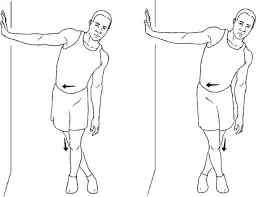
- Warm up and cool down. Stretching before and after a run should take a few minutes.
- Incorporate strength training and other aerobic activities with running. You can protect your joints and avoid falls by increasing your muscular mass and agility.
- Increase gradually. Instead of exerting yourself too quickly, gradually increase your distance, speed, and intensity.
- Put on appropriate running footwear. Invest in a supportive pair that fits your feet well.
- Wear clothing appropriate to the weather. If you’re running outside, put on sunscreen and layers to prevent overheating.
- Steer clear of harsh environments. Avoid running on slick surfaces in the winter and during the warmest part of the day in the summer.
- Select the appropriate terrain. Run on a surface that is even, level, and moderately soft if you can; stay away from concrete and sand.
- Pay attention to your body. Rest or take a break if something hurts. An essential component of a good running regimen is recovery.
FAQs
What do you mean by running?
Humans and other animals move swiftly on foot by running, a form of terrestrial movement. Although there are certain exceptions, running is a gait with an aerial phase in which every foot is above the ground.
What are the benefits of running daily?
Because it involves weight bearing, it can aid in the development of strong bones.
Bolster your muscles.
Enhance cardiovascular health.
Burn a lot of energy.
Assist in keeping a healthy weight.
Is it good to run every day?
No. Particularly when you’re first starting, it’s crucial to incorporate stretching and strength training into your regimen in addition to taking rest days.
Does running clear your skin?
While sweating while running can aid in the removal of pollutants from the skin, it can also clog pores if you wear makeup or neglect to wash your face afterward. Additionally, running enhances sleep quality and reduces stress, all of which are beneficial to skin health.
What is the best time to run?
The optimum time to run is whenever it suits your schedule the best. Running too close to bedtime, however, can make it more difficult for some people to fall asleep.
References:
- Schmidt, N. (2025, October 21). What are the mental and physical benefits of running? WebMD. https://www.webmd.com/fitness-exercise/health-benefits-running
- Heimlich, J. (1970, January 1). Running can feel really, really challenging. These 12 benefits prove it’s totally worth it. https://www.onepeloton.com/blog/benefits-of-running