
Top Trapezius Stretching Exercises
Introduction
Trapezius Stretching Exercises are simple and effective movements designed to relieve tightness and improve flexibility in the trapezius muscles, which run from the neck to the upper back and shoulders.
The trapezius muscle is in charge of extending your neck, supporting your arm, and moving and turning your shoulder blade. Because of how much work it does, stress and anxiety can easily land there. The top portion of the trapezius in your lower neck is particularly affected by this.
You should perform some shoulder, neck, and upper back exercises to relax and treat this muscle.
Trapezius Muscles
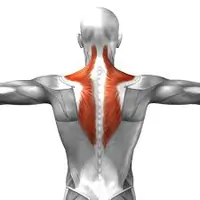
The trapezius muscle is similar to a trapezium, sometimes referred to as a cucullaris, trapezoid, or diamond-shaped quadrilateral. Although it is not frequently used in current writings, the term “spinotrapezius” refers to the human trapezius. It refers to a section of the corresponding muscle in other mammals.
A large paired surface muscle with a trapezoid form, the trapezius stretches laterally to the scapula’s spine and longitudinally from the occipital bone to the lower thoracic vertebrae of the spine. It supports the arm and shifts the scapula.
There are three functional components to the trapezius:
A lower (ascending) portion that medially rotates and depresses the scapula, a middle section (transverse) that retracts the scapula, and an upper (descending) portion that supports the arm’s weight.
What does the trapezius muscle do?
Your trapezius muscles support your body and facilitate movement, just like the other muscles in your back. You can do a variety of actions using your traps, such as:
- Head tilting up and down,
- turning your head in different directions.
- keeping and maintaining your posture, such as bending your upper back forward or standing erect.
- Twisting your torso.
- pushing your shoulders back or shrugging them.
- Your trapezius presses on your shoulder blade (scapula) to help move your shoulder when you lift your arm or toss something.
Throughout the day, your trapezius muscles are used nearly continuously. However, you might never intentionally consider them. Many of these movements and actions include little adjustments to the way you hold your head, neck, back, and shoulders.
You may only pay attention to your traps when you’re exercising or after reading the sentences that follow about how they can assist you in adjusting your posture while you shift around in your chair.
Parts of the trapezius muscle
There are three parts to each trapezius muscle:
- The upper (superior) section.
- The middle section.
- The lower (inferior) section.
Your traps are attached to your ribs, spine, skull, and shoulder bones. Your neck (cervical spine) and skull are connected to the upper portion.
Your thoracic spine’s bones are where the middle and lower parts are attached. Additionally, they are attached to the back (lateral) sides of your collarbone (clavicle) and shoulder blade (scapula).
Your trapezius muscles can move through cranial nerve XI, also known as the spinal accessory nerve. The C3 and C4 cervical nerves in your neck provide them with their sensation of touch.
Why Trapezius Muscles May Be Tight (Tense)?
What are some typical causes of tense and tight trapezius muscles? The main issue is frequently poor posture. Everything surrounding the head must exert more effort to sustain the weight when it is out of alignment. To put it another way, your traps are probably not benefiting from all that slouching you’re doing in front of your laptop or over your phone.
Tight trap muscles can also result from stress and tension, as well as from previous trauma or injury. The trapezius muscles may constrict as a defensive reaction to prior injuries or trauma to the upper back, shoulders, or neck. An example of this would be a shoulder injury.
Overcompensation and pressure on the trap muscles can also result from variances in the strength and flexibility of other muscles. Additionally, be aware of repetitive motions: The trap muscles can be strained by repetitive motions or activities, such as carrying bulky bags on one shoulder or reaching high all the time.
Trapezius Stretching Exercises
Ear to shoulder

- Although you can begin standing or sitting, it is advised to sit on a mat on the ground for this series.
- Move your right ear gently and slowly in the direction of your right shoulder. As you do this, your left shoulder will naturally rise. If that occurs, slowly return your head to the center until you are able to lower your left shoulder again.
- Place your right hand on your left cheekbone and raise it above your head. But don’t pull on your skull right now. Just place your palm there to apply a little bit extra pressure. Your upper trapezius is softly stretched by this.
- As you sit here for at least thirty seconds, take a deep breath.
- Breathe deeply as you gently release this side, then slide your left ear toward your left shoulder to finish the stretch on the other side.
Crocodile pose (Makarasana)

Crocodile Pose steps:
- Initially, this maneuver may be uncomfortable. Relaxing facedown may seem strange, but it can significantly comfort your trapezius if you breathe deeply and let go.
- Place your hands beneath your chin, one on top of the other, while lying on your stomach with your feet shoulder-width apart.
- Once positioned, lie flat with your hands stacked on top of your forehead. Lengthening your spine and releasing any tightness in your neck and upper back are the major things you want to imagine and concentrate on here; lower back compression will also be released.
- Here, take a deep breath and attempt relaxation.
Cobra pose (Bhujangasana)
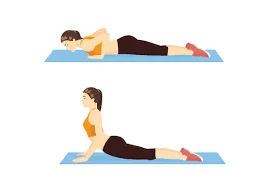
- This position expands your throat and decreases stress in your trapezius and lower neck. Additionally, it strengthens your arms and back and makes your spine more flexible, which helps avoid future trapezius problems.
- Keeping your arms parallel and your elbows close to your body, raise your head and lay your hands on the floor beside your shoulders. As you start to raise your head and chest, press the tops of your feet into the ground and take a deep breath. Try to straighten your arms as much as you can, but be aware that doing so will cause your back to arch significantly.
- Remember that you want your head (cervical spine) and neck to be on the same curve, whether you lift all the way to straight arms or not. You’ll raise your head as well, but you should just ease it.
- Examine your chin. Take a moment to roll your shoulders back and down, bringing your shoulder blades closer together as you pull your torso through your upper arms, and ease your chin back. It’s very normal to jut your chin out in this pose and let your shoulders creep up toward your ears.
- Hold this for a few breaths, then let go when you exhale.
- Take a breath and raise yourself into this position at least twice more, holding it for a little while longer each time.
Cat-Cow pose (Marjaryasana-Bitilasana)

- This exercise stretches the muscles in your back and front of your torso while releasing tension in your cervical spine. Remember that you should concentrate on the space just between your upper shoulder blades when performing this pose, specifically for your trapezius, alternating arching and releasing your neck.
- Get into a tabletop position by pushing yourself onto all fours. Your elbows should be over your wrists, your shoulders over your elbows, and your hips exactly over your knees.
- Lift your head, chest, and sitting bones while arching your back and allowing your tummy to drop as you inhale.
- Release your head into the Cat posture and shift your spine toward the sky as you exhale.
- As you inhale, arch your back and exhale as you round your back. Keep taking deep breaths and moving with your breath.
Wide-leg forward fold (Prasarita Padottanasana)
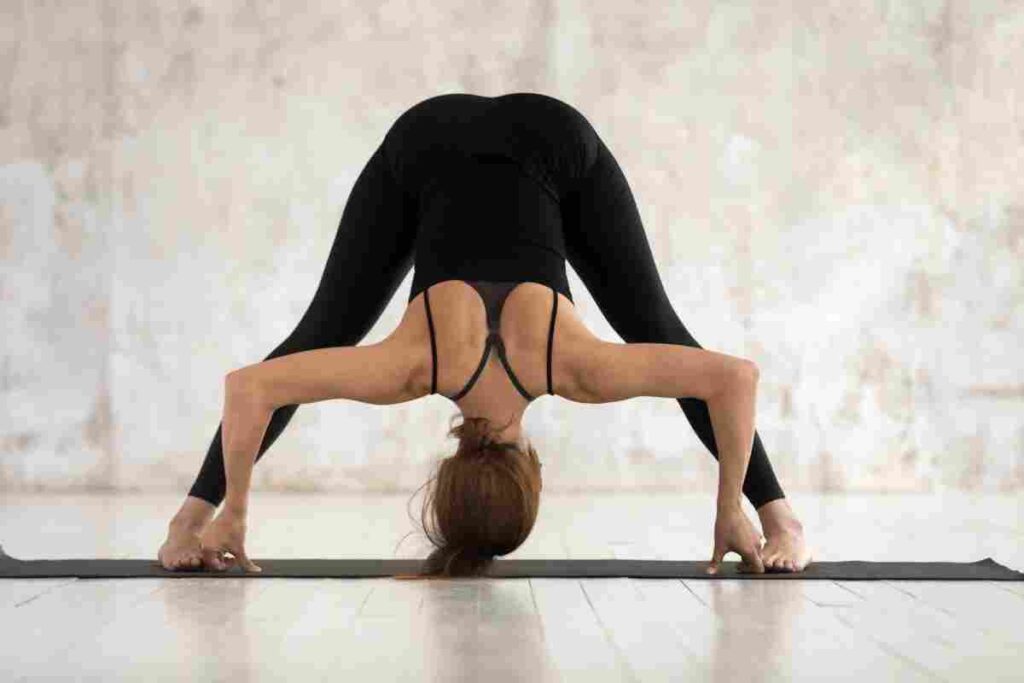
- This posture lengthens and eases the muscles in your neck, strengthens your shoulders and upper back, and decompresses your spine.
- After pushing yourself to a standing position, extend your stance to around a leg’s length while maintaining parallel feet. Release your torso and slowly lean forward with your hands on your hips, making sure that all four corners of your feet remain firm. If you feel unsteady in this posture, drop your hands to the floor, shoulder-width apart, and slightly bend your knees.
- Once you are fully grounded in this forward bend, release your hands toward the floor, hug your shoulder blades in, and interlace your hands behind your back.
Chin tucks
In terms of neck support, this can lessen the strain on the upper trapezius muscle by strengthening the front neck muscles.
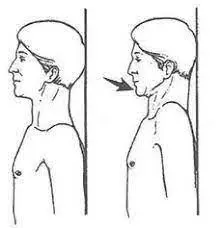
- How to do it:
- Nod your head slightly to pull your chin closer to your chest while standing in a comfortable position.
- Retract or glide your chin back, keeping your jaw muscles relaxed as you do so.
- Then Relax.
Head tilt
Your upper trapezius muscle gets stretched out with this easy exercise. To extend the entire muscle, simply turn your head to the right and then the left.
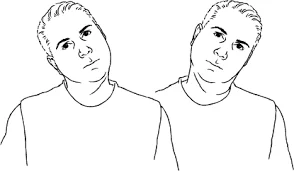
- How to do it:
- To begin, take a comfortable seat or stand.
- Lower your ear toward your shoulder as you slowly tilt your head to the side.
- Lift your head back to the beginning position after holding this position. On the other side, repeat.
Why do my trap muscles hurt?
Hunching over for too long while sitting
Although there is no such thing as an ideal posture, prolonged use of any position can cause pain in the muscles and joints. “You’ll have to use your traps for a long time, for instance, if you’re stuck in a position where your shoulders are elevated, like hunching over a keyboard.”
If you don’t take a rest, this may result in pain throughout your trap muscles, particularly in the upper portion. The good news is that upper back pain can be effectively prevented and treated with frequent movement snacks.
Muscle strain
“Some activities, like lifting or push-pulling motions, put more pressure on the trapezius because it provides stability to the upper back and neck.” These movements are neither harmful nor dangerous. However, overdoing it could result in a strained trapezius muscle.
Stress
Studies reveal that in stressful circumstances, trapezius muscle activity rises. “The trapezius may be further burdened by the stress we carry in our shoulders.” If you’re under a lot of pressure, you may be more likely to notice and be disturbed by trapezius pain because stress can also reduce your tolerance to pain.
The Benefits of Stretching Your Trapezius Muscles
Increasing your neck’s range of motion is one of the main advantages of stretching your traps. Increasing the range of motion in your neck can feel amazing. Sometimes, until we let go of our anxiety, we are unaware of how much of it we are carrying.
You can also get better posture by stretching your traps. It can be quite helpful to improve posture to encourage better alignment and lower the risk of neck, shoulder, and upper back issues.
How to Add Trapezius Stretches to Your Routine
These should be performed as frequently as possible, just like any good stretch. For the next week, try spending two minutes each morning, noon, and night on the stretches indicated. You’ll be surprised at how much of a difference it makes.
Concentrating on the “lazy” times of the day when you may improve your posture and release tension. Maintain a raised chest, backed shoulders, and a softly lowered chin. At first, maintaining the position will be challenging, but it will ultimately become second nature.
Another easy approach to make sure you get your trapezius stretches in is to incorporate yoga into your exercise routine. If you’re not into yoga, schedule some stretching time and do it every day at the same time. This makes it more likely that you will actually achieve it. Do you find that stretching first thing in the morning, right before bed at night, or at a specific time works better for you? Workplace breaks can also be used as stretch breaks.
Lastly, concentrating on relaxing methods (like meditation) and being sure to take pauses while using a computer might help prevent your traps from becoming too tight in the first place.
Unfortunately, it’s a fact of life in the modern world that all of our traps occasionally tighten. Stretches are a great way to release tension, but since strength and flexibility are often correlated, it’s also essential to maintain good posture.
FAQs
How to release tight trapezius muscles?
How to do it:
Nod your head slightly to pull your chin closer to your chest while standing in a comfortable position.
Retract or glide your chin back, keeping your jaw muscles relaxed as you do so.
To return to the initial position, let your neck muscles relax.
Can stretching traps relieve neck pain?
Discussion and conclusions: The study found that stretching exercises were more successful than Laura Mitchell’s relaxation techniques in reducing upper trapezius muscle tension and pain in young adults.
Can the trapezius cause a stiff neck?
Pain in the upper trapezius fibers is the most common symptom of TM, and it can be permanent or last for a few days to weeks. Spasms, stiffness, and discomfort in the neck area are frequently linked to this pain. There may also be trigger points, which might result in headaches.
Is massage good for tight traps?
Self-massage for the upper traps
When you need it, rubbing your upper trap muscles can offer some mild relaxation, much like stretching. You can hire a professional massage therapist or perform it yourself using a lacrosse ball or massage gun.
What is the best sleeping position for trapezius pain?
If you have trapezius pain, sleep on your back with a small pillow under your neck or on your side with a thick pillow filling the space between your ear and shoulder. This will keep your spine straight. Don’t sleep on your stomach. Instead, use extra pillows to support your knees or arms to relieve tension.
Best Ways to Sleep and Tips
Preferred: Sleeping on your back. Use a memory foam pillow or a small, round pillow (or rolled towel) just for neck support to keep your head, neck, and shoulders in a neutral position and keep the natural curve.
Side sleeping: Pick a pillow that is high enough to keep your neck straight and fill the space between the side of your head and the mattress. If only one side hurts, sleep on the side that doesn’t hurt.
Pillows that help: Put a pillow under your arm on the side that hurts to prevent the tension on the nerve.
Don’t sleep on your stomach; this position keeps your neck turned for long periods of time, which hurts the traps.
Gentle Heat/Support: Use a warm compress or a neck roll to prevent soreness before bed.
Important Changes
Use pillows that fit the head and neck, like feather or memory foam.
Don’t use high pillows. Pillows that are too high or stiff keep the neck bent, which hurts in the morning.
If the pain doesn’t go away, think about using a wedge pillow to gently lift your upper body.
How to self-massage the trapezius?
Apply circular pressure from the base of your neck and work your way up to your shoulder to massage your trapezius muscle. Apply pressure at a level that is “the good hurt,” meaning it hurts a little but is still comfortable.
What is the king of trap exercises?
Row of Barbells
Why? Rowing activities work your rhomboids and middle and lower traps, which prevent your shoulder blades from shifting when you lift a weight. This is essential since flexed shoulders can reduce your strength during arm and chest activities.
What are the symptoms of trapezius pain?
Pain in the trapezius muscle can make your neck, shoulders, and upper back feel sore, tight, or burning. This is often caused by stress, bad posture, or too much work. Some common symptoms are stiffness, a limited range of motion, muscle spasms, tender “knots” (trigger points), headaches, and sometimes numbness or tingling in the arms.
Main Signs of Trapezius Pain
Localized Pain: Pain, burning, or sharpness in the neck, the tops of the shoulders, and between the shoulder blades.
Stiffness and mobility problems: It’s hard to turn your head or lift your arms, especially when you turn side to side.
Muscle knots and trigger points are sore spots in the muscle that can cause pain in other places.
Tension headaches often start in the upper traps.
Muscle spasms are sudden, involuntary contractions.
Nerve Symptoms: When the body is under a lot of stress or spasms, the arms may feel numb, tingly, or weak.
Different Levels of Trapezius Strains
Grade I (Mild): Pain and tenderness, but normal strength.
Grade II (Moderate): More pain, swelling, weakness, and possibly bruising.
Grade III (Severe): A complete tear or rupture of the muscle, often with a “popping” sound, a lot of swelling, and a big loss of function.
Normal Reasons
Posture and ergonomics: “tech neck,” which is when you hunch over computers or phones.
Stress and tension: Stress that makes you shrug your shoulders without meaning to.
Overuse or injury can happen when you do a lot of hard work, lift heavy things, or do the same thing over and over again.
Sleeping Positions: Using a pillow that isn’t right or doesn’t support you.
How to heal a hurt trapezius?
A combination of gentle stretching, strengthening exercises, heat therapy, and self-massage is a common way to treat trapezius muscle pain. Nonsteroidal anti-inflammatory drugs (NSAIDs) that you can buy without a prescription, like ibuprofen or naproxen, can help with swelling. If you have chronic or severe pain, you might need physical therapy, muscle relaxants, or changes to your workspace to help you sit up straighter.
Immediate and Non-Medical Treatments
Heat Therapy: Use a heating pad for 20 minutes or take a warm shower to relax tight muscles.
Self-Massage: Use your other hand to mix the area or a tennis ball against a wall to let go of trigger points.
Kinesiology Taping: You can use elastic tape to ease pressure and pain.
Exercises to Help
Upper Trap Stretch: Shrug your shoulders up, then slowly lean your head to one side to feel a stretch in your neck and shoulders.
Shoulder Squeezes: Use light dumbbells to do shoulder shrugs 10 to 15 times. This will wake up and relax the muscle.
Doorway Stretch: Stand in a doorway with your arms bent at 90 degrees and step forward slowly to stretch your chest and shoulders.
Treatments for Health
Over-the-counter NSAIDs like ibuprofen, naproxen, or acetaminophen can help with pain and swelling.
Muscle relaxants: Using them for a short time may help with bad spasms.
For long-term pain, doctors may suggest trigger point injections or nerve blocks.
Steps to Avoid
Ergonomics: Make sure your desk lets you sit up straight (screen at eye level).
Stretch Breaks: To stretch your shoulders and neck, take regular breaks from desk work.
Strengthening: Include regular neck and upper back strengthening exercises.
What is a red flag for neck pain?
Chronic Pain That Doesn’t Get Better or Gets Worse
While mild muscular pains and strains typically go away in a week, persistent neck discomfort that doesn’t go away may indicate an underlying issue, such as degenerative disc disease or even a ruptured disc.
Why is my trapezius so tight?
The trapezius muscle, which is frequently overworked by posture, stress, overuse, and trigger points, is the cause of the majority of chronic tight, sore, or heavy necks, though cervical spine or nerve issues may also be involved.
How long does an inflamed trapezius last?
However, because the trapezius covers a wide area, inflammation or trapezitis can result in pain and impair related actions. Trapezitis-related pain often lasts three to five days.
What exercises relieve trapezius tension?
How to Do It:
Place your arms at a 90-degree angle while standing in a doorway.
Put your hands on the frame of the door.
Slowly advance until your shoulders and chest start to stretch.
Hold for 20 to 30 seconds.
Repeat two or three times.
Is heat or ice better for trapezius pain?
Ice can be helpful for discomfort or swelling, and a heating pad or hot pack can help relieve any stiffness or tightness caused by a trapezius strain. In the end, both are effective, so pick the one that appeals to you the most.
Does magnesium help with muscle tightness?
Through a muscle-relaxing effect, magnesium supplements might help relax muscle pain and loosen tense or cramped muscles. Supplementing with magnesium has been demonstrated in studies to boost exercise performance and recovery while also considerably reducing muscular pain and perceived exertion.
References
- Stelter, G. (2018, September 29). Stretches to loosen your trapezius muscles. Healthline. https://www.healthline.com/health/fitness-exercise/trapezius-stretches
- Chin Tucks ET. (n.d.). [Video]. Hingehealth. https://www.hingehealth.com/gb/en/resources/articles/trapezius-pain-exercises/
- Weingus, L. (1970, January 1). The best stretches for targeting tight trapezius muscles. https://www.onepeloton.com/blog/trap-stretches
- Ourieff, J., Scheckel, B., & Agarwal, A. (2023, March 11). Anatomy, back, trapezius. StatPearls – NCBI Bookshelf. https://www.ncbi.nlm.nih.gov/books/NBK518994/
- Professional, C. C. M. (2025, December 29). Trapezius muscle. Cleveland Clinic. https://my.clevelandclinic.org/health/body/21563-trapezius-muscle
- Wikipedia contributors. (2026, March 31). Trapezius. Wikipedia. https://en.wikipedia.org/wiki/Trapezius


