Physiotherapy Exercises For Obesity
Introduction
Physiotherapy exercises for obesity focus on safe, low-impact movements that help reduce body weight, improve mobility, and increase overall strength and endurance. These exercises are designed to minimize stress on joints while boosting calorie burn, enhancing posture, and supporting long-term weight management under professional guidance.
By making the difference between preclinical obesity (where excess adiposity is present, but organ function is preserved; this represents increased risk but not active disease) and clinical obesity (where excess adiposity has already caused measurable organ dysfunction or limitations in daily activities; this is considered an illness requiring treatment), the Commission has fundamentally reframed obesity.
To diagnose clinical obesity, one or both of the following criteria must be met in addition to a clinical confirmation of obesity status using anthropometric criteria or direct body fat measurement:
(1) signs, symptoms, and/or diagnostic tests demonstrating abnormalities in the function of one or more tissue/organ systems; and/or (2) severe, age-adjusted limitations of daily activities reflecting the particular impact of obesity on mobility and/or other fundamental Activities of Daily Living (ADLs).
The current structure focuses on whether obesity is truly causing illness (clinical obesity) as opposed to just being a risk factor (preclinical obesity), moving away from definitions that depend just on body mass index (BMI). The objective is to prevent overdiagnosis while offering more accurate diagnosis and treatment choices.
In 2016, the World Health Organisation reported that 1.9 billion people were overweight, 600 million of them were obese, and a surprising 41 million children under the age of five were either overweight or obese. According to some epidemiologists, 20% of the world’s population will be obese by 2030, which is defined as having a BMI of more than 30 kg/m² in adults or a BMI of ≥95th percentile for age and sex in children between the ages of 2 and 18. Verifying body composition and waist measurement is also essential.
The risk of cancer, stroke, metabolic disease, heart failure, and other cardiovascular disorders is correlated with obesity. Normal weight obesity is one of the new definitions of obesity that have appeared as research on the subject continues. This describes people who have a high body fat percentage but a normal body weight according to their body mass index (BMI). This population is significantly more likely to develop cardiometabolic dysfunction, metabolic syndrome, and higher mortality.
CauseS
An imbalance between daily energy intake and expenditure leads to excessive weight gain, which is the cause of obesity. Numerous factors, including genetics, culture, society, decreased physical activity, insomnia, eating habits, endocrine disorders, medications, food advertisements, and energy metabolism, can contribute to obesity.
In 2016, the World Health Organization reported that 1.9 billion people were overweight, 600 million of them were obese, and a startling 41 million children under the age of five were either overweight or obese. In the US, approximately 17% of teenagers and nearly one-third of adults are obese.
According to recent data, nearly 25% of adults in the UK are obese, and the number of obese people is rapidly increasing. The UK economy loses £3.5 billion annually as a result of obesity. One in five teenagers, one in six elementary school-age children, and one in twelve preschool-age children are obese, according to data from the Centers for Disease Control and Prevention (CDC) from 2011 to 2012.
African-Americans are more likely than Hispanics and white people to be obese. The US states in the South have the highest prevalence, followed by those in the Midwest, Northeast, and West. The prevalence of obesity is even higher in the world than it is in North America.
Trends for obesity in England: 6% of men and 8% of women in 1980; 15% of men and 16.5% of women in 1995; and 23.6% of men and 23.8% of women in 2010. In Scotland, the percentage of obese women was slightly higher at 26%.
Type 2 diabetes is responsible for 90% of diabetes diagnoses, and obesity is a major risk factor for the disease. Over 422 million people worldwide suffer from diabetes, and the condition directly caused 1.5 million deaths in 2012.
Impact of Hormones
The hypothalamic-pituitary hormonal axis can be altered by obesity, and obesity may result from an altered hormonal axis. Thyroid hormone, sex hormones, insulin, and growth hormones are among the hormones that either influence or are affected by obesity. Therefore, when assessing and treating obesity, it’s critical to take into account illnesses like hypothyroidism, polycystic ovarian disease/syndrome, Cushing’s disease, hyperinsulinemia, and/or diabetes.
In order to address their hormonal conditions and weight gain, physiotherapists must make sure that their clients/patients are receiving the necessary treatment and changing their lifestyles.
Obesity in children and Young age:
Like adults, obese children often have a variety of musculoskeletal symptoms that may limit how much time they spend exercising.
The performance of gross motor skills, such as upper and lower limb coordination, balance, running speed, and agility, and strength, is negatively impacted by obesity. As kids grow older, the gaps become more noticeable, indicating that early attention to motor skill development is necessary to motivate overweight and obese kids to engage in physical activity.
Children’s motor skills, activity levels, BMI, and other anthropometry can be greatly improved by physiotherapy-led exercise classes and multidisciplinary team interventions that include physiotherapy input.
Exercises for obesity
Skipping or Jumping Rope
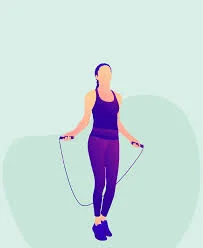
The best option is to skip exercise because it provides a full-body workout. It also helps you burn a lot of calories quickly and improve your metabolism and muscle strength.
Exercise promotes peace and reduces anxiety and depression. Additionally, the exercise raises your heart rate, which causes your body to pump blood more quickly. This maintains the health of your heart. Along with the heart, exercise also maintains the health of your lungs.
Since each person’s body is different, so are their needs. Simply put, losing weight means burning more calories than you consume. Skipping probably helps you in reaching your weight loss goals. This type of exercise burns about 1300 calories an hour.
Workout Routine:
- Jump off the ground, allow your rope to go below your feet, and then find it.
- Continue doing this while continuously increasing the speed at which you jump.
Jogging and walking

- Include these exercises in your routine and set aside an hour of your time.
- Start with a 15-minute walk.
- For the next fifteen minutes, pick up the pace and begin jogging.
Planks

One of the best full-body exercises is the Plank Pose. The fact that Plank’s exercise works the majority of the body’s main muscle groups is its greatest benefit. Your core, shoulders, arms, chest, back, and hips are all strengthened by it. In addition to these advantages, plank exercises aid in the body’s rapid burning of extra fat and calories.
Workout Routine:
- Put yourself in the Standard Plank or Push-Up position. Pull your knee toward your chest while bending it. Return your knee to its starting position by pushing it. Now bring your left knee up to your chest by bending it.
- Return your left knee to its starting position by pushing it. Repeat the previous steps twenty to twenty-five times.
Squats
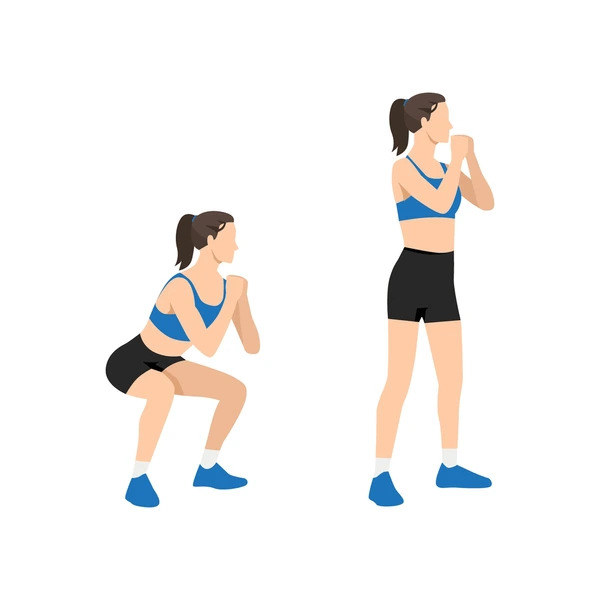
One common term for squat exercises is “muscle strengthening exercises.” Improving the shape of your lower body is the main objective of this exercise. Squats are a great way to burn calories and keep fat from building up in the lower body. This exercise enhances both your balance and mobility. To get better results, try performing at least one type of squat in three sets of 12–15 repetitions if you’re a beginner.
Workout Routine:
- With your toes facing forward and your feet wider than your hips, take an upright posture. Push your hips back by bending your ankles and knees.
- Keep your heels and toes on the floor as you sit into a squat.
Lunges

Exercises like lunges are useful for increasing lean muscle mass and decreasing body fat. It is very important to push yourself and incorporate heavyweight lunges into your usual workout routine. Lunge exercises use leg movements that stabilize muscles to improve coordination, balance, and stability.
Workout Routine:
- Maintain an upright posture with your back and abs.
- Keeping your right leg in front, bend your knee.
Treatment/Management
Physicians should take a multifaceted approach to managing obesity because it leads to numerous chronic and comorbid medical conditions. In addition to treating the underlying secondary causes of obesity, practitioners should concentrate on managing or controlling related comorbid conditions. Dietary changes, behavioral therapies such as exercise, medication, and, if necessary, surgery should all be part of the management.
Individualized dietary changes should be closely monitored for consistent weight loss. Diets low in calories are advised. Low-calorie diets may limit fat or carbohydrates. Compared to a low-fat diet, a low-carb diet can lead to more significant weight loss during the initial months. It is important to emphasize the patient’s diet behavior on a regular basis.
Behavior Interventions: Patients who are obese should be referred for intensive behavior interventions. There are a number of psychotherapeutic interventions available, such as interpersonal psychotherapy, cognitive behavior therapy, and motivational interviewing. Combining behavioral interventions with diet and energy expenditure modification (e.g., exercise) increases their effectiveness.
Medication: If a person’s BMI is 30 or higher, anti-obesity medications may be prescribed.
Surgery: A BMI of 35 or higher with severe comorbid conditions or a BMI of 40 or higher is an indication for surgery. Exercise schedules, office visits, and post-surgery lifestyle modifications should all be complied with by the patient. A thorough preoperative assessment of surgical risks should be performed on patients.
How Physiotherapists Can Help
As experts in physical therapy, physiotherapists contribute to the global concern over the rising obesity epidemic that impacts both adults and children. It is possibly one of the biggest problems facing health systems globally in the twenty-first century.
Optimal nutrition and increased physical activity are two key interventions for managing and preventing obesity. Physical therapists have huge opportunities to contribute to the latter strategy.
The concept of using exercise to reduce obesity (i.e., fat mass) and related benefits can be introduced by physiotherapists. In many cases, fitness is linked to better clinical outcomes, including a lower risk of metabolic disease, cardiovascular disease, Alzheimer’s disease, inflammation, and many other diseases.
Compared to alternative medications that might worsen symptoms, exercise may be the best way to reduce disease symptoms and/or future risk if the patient is able. To recommend that the patient include exercise in their lifestyle in order to reduce obesity and improve adverse side effects, the physiotherapist and the patient must have an open and communicative relationship.
For the greatest patient safety, patients must be cleared by their healthcare provider for any comorbid conditions based on a history and physical examination. Certain outcome measures, such as the Health/Fitness Facility Preparticipation Screening Questionnaire and the Physical Activity Readiness Questionnaire (PAR-Q), can be used for screening.
Exercise recommendations
To prevent weight gain, increase weight loss, and improve fitness, one must engage in at least 150 to 300 minutes of moderate physical activity or 75 to 150 minutes of vigorous physical activity each week. To promote long-term weight loss, people who want to lose weight should engage in at least 200 to 300 minutes of moderate-to-intense physical activity each week.
For those who are sedentary, it is advised to “start low and go slow” by beginning with simpler tasks and progressively increasing their frequency and duration.
Instead of doing aerobic exercise all in one day, it is a good idea to spread it out throughout the week.
Make use of the proper gear and activities, and select safe locations.
Exercises should be modified as needed to reduce orthopaedic risk or chronic conditions (if applicable). If someone has arthritis, this can involve hydrotherapy or cycling in place of running. The exercise guidelines still apply to people who are not mobilised or who may need to modify their daily routine due to unique circumstances. However, the patient can be clever in coming up with ways to do them, such as using limbs that are more mobile than others (e.g., using an upper body exercise device, moving arms more quickly to raise heart rate if legs are unavailable, etc.).
It is possible to use anaerobic training, which may even result in increased muscle mass.
It has not been demonstrated that anaerobic exercise is beneficial for changing calories burned or achieving total weight loss. However, anaerobic exercise is strongly advised if the patient’s objective is to gain muscle mass. Additionally, each muscle group should be worked out at least ten times a week, with eight to ten repetitions per set, to gain muscle mass. In order to prevent injuries, make sure your form is correct. Anaerobic exercises can be performed by people who are not mobilised or who have restricted mobility.
It’s important to realize that there is no one-size-fits-all strategy for weight loss. Physiotherapists must make sure to evaluate the results and people’s reactions to different forms of exercise and adjust the treatment as necessary.
Any movement of the body that needs the use of our skeletal muscles, which in turn requires the use of energy, is considered physical activity. The foundation of controlling weight is this energy use. Reduced food intake must go hand in hand with aerobic exercise prescriptions and strength/resistance training recommendations. The progression of activity should be gradual, grounded in science, and customized for each individual. In order to increase the chances that the patient will enjoy the activity and continue with it, the physiotherapist must determine which activity is best for the patient. Physiotherapists can prescribe a variety of exercises to combat the obesity epidemic.
The burdens on the delivery of health systems worldwide will decrease as soon as all of our countries begin utilising policies and programs to fight obesity and other diseases in society. Obesity is becoming an epidemic, and medical programs include obesity as a major topic. Every time a medical professional has the chance to see a patient, they should be able to determine whether the patient has a weight issue and either refer them to a specialist or provide straightforward guidance.
Since physiotherapists frequently use exercise as a form of treatment, they have a key part to play in attempting to reverse this trend. If a patient is too overweight to exercise, it becomes more difficult. Because they frequently use exercise as a form of treatment, physiotherapists have a vital part to play in attempting to reverse this trend. If a patient is too overweight to exercise, it becomes more difficult for the treatment to be successful.
Reducing children’s sedentary behaviour in addition to increasing physical activity is essential for preventing overweight status and obesity in high-risk children with lifestyle diseases, according to a cross-sectional study done with 115 children in Japan evaluating the factors associated with excess weight in children. According to study findings, aerobic exercise has a greater impact on inflammatory cytokines and quality of life in obese postmenopausal women than resistance exercise training.
Ferritin level was found to have a negative correlation with HDL and a positive correlation with ferritin, total cholesterol, low-density lipoprotein, and non-high-density lipoprotein cholesterol in postmenopausal women who participated in Resistance Training (RT) for 15 weeks. To validate these results, a large-scale cohort is necessary.
Our Unique Skills
Physiotherapists are qualified to address the rising obesity rate because they possess a variety of skills, including:
- Anatomy (it’s necessary to understand strengthening exercises so that the musculoskeletal system can handle the additional strain that overweight people put on it)
- Physiology (important to understand variations in blood pressure, heart rate, etc.) and Exercise Physiology, which is important to developing and carrying out fitness plans.
- Cardiovascular/Cardiopulmonary systems (it’s critical to understand apneas, altered breathing patterns, and cardiovascular disease).
- Biopsychosocial Model: It’s essential to understand the social, cultural, and environmental elements that contribute to the development of this illness.
- Physiotherapists may have a significant influence because they may spend a lot of time with obese individuals.
- Additionally, physiotherapists have experience in secondary complications like diabetes, osteoarthritis, hypertension, and complex, profound physiological changes.
- Although it is accepted that physiotherapists can recommend workout plans customised to each patient’s unique issues, it can be challenging to pinpoint the exact limits of a physiotherapist’s authority when it comes to treating obesity. Physiotherapists should therefore be aware of serious issues that call for instructions to the appropriate specialists, such as:
- Cognitive-behavioural methods and psychology (psychologist)
- Calorie management and nutrition (nutritionist)
Self-Management of Obesity
Numerous strategies, from active behavioural change interventions at one end of the spectrum to passive strategies like information sharing at the other, have been evaluated to support self-management. One way to understand self-management support is to separate interventions that target self-efficacy from those that concentrate on developing knowledge and skills (like healthy eating habits).
Patient Education
Educating patients about obesity is one of a physiotherapist’s primary responsibilities.
Many people were deceived into thinking that they can reduce their weight without exerting effort or altering their sedentary lifestyle. Physiotherapists must clarify that this is fake because the patient will continue to believe it if they fail to understand why it is false.
When a physiotherapist meets an overweight patient who is unable to perform the exercises necessary for treatment, they should check the patient’s BMI and gently voice their concerns about their weight (it never pays to get the client offside).
If the BMI is
25 or below. Now, between the ages of 25 and 28, the physiotherapist should offer health promotion information. They should also give basic weight control advice, such as how many calories one should consume in relation to their level of physical activity. Over 30 provide information on health hazards and basic weight-control recommendations, such as calorie intake in relation to levels of physical activity.
The physiotherapist should counsel the patient to see their physician in order to develop a weight-loss plan that would involve the assistance of other medical specialists, like dietitians, nutritionists, and behaviour therapists.
However, if the patient is not interested in losing weight, the physiotherapist should suggest that they visit their physician for routine examinations.
Nutrition
Dietary changes for obese people should be customised and closely observed for consistent weight loss. Diets low in calories are advised. Low-calorie diets may limit fat or carbohydrates.
Compared to a low-fat diet, a low-carb diet can lead to more significant weight loss during the initial months. A low-calorie, high-carbohydrate diet combined with various forms of calcium (calcium citrate and vitamin D) may cause changes in body mass or composition, according to a study. It is important to emphasise the patient’s diet compliance regularly.
Health care providers can:
- The “Eatwell Plate” model can be used to inform patients about the five food types that make up a healthy diet.
- Inform patients of the many advantages of losing a little weight, such as the decreased risk of diabetes and cancer, as well as the overall advantages of having better physical, social, and mental health. Physiotherapists must recognise the value of referring patients to a specialist because they are not in charge of creating goals or weight management plans.
- Physiotherapists should let patients know when they are more likely to gain weight, such as during pregnancy or menopause, and make the necessary adjustments.
Health professionals could try to encourage physical activity, a healthy diet, and increased self-confidence by getting involved with the food industry and the environment. In practice, this would be very challenging because fast food chains produce their goods for financial gain rather than health concerns.
Metabolic dysregulation and health problems
Heart disease and stroke are made more likely by a group of disorders known as metabolic dysregulation. Blood pressure, high blood sugar, abnormal cholesterol, and body fat around the waist are all elevated by this condition. Inactivity and being overweight or obese are closely linked to metabolic dysregulation. Conditions that result in metabolic dysregulation can be avoided with a lifetime dedication to a healthy lifestyle.
Lipid buildup and lipotoxicity can result from disruptions in the metabolism of fatty acids. Multiple medical conditions like fatty liver disease, insulin-resistant type 2 diabetes, nonalcoholic fatty hepatitis, mental illnesses, hypertension, cardiovascular disease, autoimmune diseases, and certain types of cancer are more common in obese people.
Psychiatry disease
Another significant contributing factor to suicide is depression. Obesity and depression have been linked in children and adolescents. According to a prospective study, the risk of major depression in adolescent females who are obese is almost four times higher. According to numerous studies, 20–60% of obese individuals suffer from a mental illness. In individuals with anxiety and depression, long-term stress causes dysregulation of the hypothalamic-pituitary-adrenal axis, which raises cortisol levels linked to depression and obesity. Additionally, obese and depressed individuals have inflammatory markers.
According to one study, obese people have low self-esteem because of their body image, which can cause anxiety and depression. There is little epidemiological information on the connection between anxiety and obesity. A high risk of being overweight or obese is linked to alcohol abuse. Thus, susceptibility to mental illnesses may be explained by metabolic dysregulation.
Cancer
Obesity and overweight are linked to mortality from non-Hodgkin lymphoma, myeloma, pancreatic cancer, and liver cancer. Adults who are obese are more likely to develop cancer than people who are of a healthy weight. According to earlier research, over the past 25 years, obesity has been linked to up to 20% of cancer deaths in women and about 14% of cancer deaths in men. Breast cancer risk and circulating estradiol levels are directly correlated with obesity in postmenopausal women. Tumor cell invasion, metastasis, and proliferation are all influenced by the increased metabolic substrates released by modified adipose tissue. Hyperlipidemia raises cholesterol and non-esterified fatty acid levels, which trigger membrane synthesis, adenosine triphosphate, and oncogenic signaling pathways.
Serum adiponectin levels are inversely correlated with the risk of developing various types of cancer, according to several studies. Confusion between adipocytes and cancer cells in the tumor microenvironment further results in morphological and functional alterations in both cell types, which are becoming more widely recognized as essential components of the development and spread of cancer. Obesity-related carcinogenesis, metastasis development, and cancer progression have been linked to altered fatty acid secretion and metabolism, extracellular matrix remodeling, protein and sex hormone secretion, immunological dysregulation, chronic inflammation, and changes in the gut microbiome.
Reproduction
Overweight and obesity are also linked to infertility caused by gender factors. Obesity-related metabolic alterations may also have an impact on reproduction. In patients who are overweight or obese, hypothyroidism is caused by either altered hypothalamic gonadotropin-releasing hormone secretion or central hyperleptinemia. Women who are obese are more likely to experience idiopathic infertility and impaired ovulation.
Obese women may have higher abortion rates and lower clinical pregnancy and live birth rates than women of normal weight. Maternal and fetal complications, including gestational diabetes and hypertension, are more common in obese pregnant women. Reduced fertility and pregnancy rates are also linked to male obesity. Other research has demonstrated a link between changes in sperm parameters and increased obesity. Thus, obesity is thought to be a significant factor. As a result, it is thought that obesity significantly lowers fertility.
The relation of metabolic and vascular dysfunction
One of the body’s endocrine organs, adipose tissue is primarily made up of adipocytes, which are able to secrete a variety of cellular cytokine signals known as adipokines. Energy homeostasis is one of the main roles of adipose or adipose tissue. Adipogenesis is the process by which excess glucose and fatty acids are stored in adipose tissue. Healthy fat cells can sustain normal blood sugar levels and are insulin sensitive. Inflammatory processes lead to vascular pathology and dysfunction in metabolic disorders associated with obesity. Inflammatory signaling factors that start the inflammatory cycle are further elevated as a result. Tumor necrosis factor-α, lipopolysaccharide, interleukin (IL)-6, and IL-1β are among the inflammatory stimuli that control leptin production.
Acute infection and inflammation cause an increase in plasma leptin levels. Proinflammatory macrophages that produce reactive oxygen species (ROS) may infiltrate adipose tissue when these chronic inflammatory signals are activated. Antioxidant defense enzymes like superoxide glutathione peroxidase, catalase, and demutase are linked to decreased or depleted activity in obese individuals. Variations in ROS concentrations support protective immune responses and play an essential role in cellular defense homeostasis. ROS buildup can cause inflammation and metabolic dysfunction, two incorrect reactions. An immune response that is necessary to preserve tissue homeostasis is inflammation.
Leptin stimulates the generation of ROS and is regarded as a proinflammatory adipokine. Under normal circumstances, leptin improves insulin sensitivity and glucose utilization. Exogenous leptin administration does not cause weight loss, and hyperleptinemia is present in the clinical setting. Because the sympathetic nervous system is chronically activated, elevated leptin levels are linked to hypertension. The amount of energy stored in adipose tissue is indicated by circular leptin levels (>16 ng/mL). It is mostly generated by fat cells and discharged from vesicles.
Elevated levels of circulating leptin are linked to left ventricular hypertrophy in patients who are simply obese, suggesting that leptin also plays a bigger role at the cardiac level. Patients who are obese have higher cardiac output due to increased blood volume, which also causes biomechanical stress and structural remodeling that may result in cardiac hypertrophy. Plasma leptin levels and cardiac hypertrophy have been negatively correlated.
FAQs
Can you do physical therapy for obesity?
On the advice of a physician or orthopedist, some physical therapists provide patients with obesity with specialized treatments. By addressing the physical restrictions and difficulties that frequently come with being overweight, specialized physical therapy services for obesity can aid in the management of obesity.
What is the role of physiotherapy in obesity?
Physical activity and exercise
Aerobic exercise: Develops individualized aerobic exercise regimens to boost endurance, burn calories, and enhance cardiovascular health, according to Portea.
Resistance training: Creates strength training plans to increase muscle mass, which can boost metabolism and the body’s capacity to burn calories even after physical activity.
Exercises that are modified for people with restricted mobility, such as patients who are not ambulatory, allow them to engage in physical activity in a safe manner.
Hydrotherapy: Enables more comfortable movement and exercise by using water-based exercises to support the body and lessen weight-bearing pain.
What is the 3-3-3 rule for fat loss?
Three well-balanced meals: To control appetite and maintain fullness, eat three meals a day, making sure each one includes proteins, carbs, and healthy fats.
Three water bottles: To stay hydrated and lessen cravings, try to consume three bottles (roughly 1.5–2 liters) of water by 3 p.m.
Exercise for three hours: Spend a minimum of three hours each week exercising. This could involve anything from walking to organized exercise.
What are the 5 D’s in physiotherapy?
Maximally extends and rotates the head (against the side being tested) for ten seconds. The five D’s—dizziness, diplopia, dysarthria, dysphagia, drop attacks, nausea and vomiting, sensory changes, nystagmus, etc.—are examples of positive symptoms.
Can physiotherapy reduce weight?
Yes,
The benefits of physiotherapy
Exercise regimens are customized by a physiotherapist based on your fitness level, medical history, and any limitations or injuries you may have.
Cardiovascular exercise: To enhance heart health, endurance, and burn calories, programs frequently include aerobic exercise.
Strength training: To increase lean muscle mass, which raises your metabolism and helps you burn more calories even when you’re at rest, physiotherapists incorporate resistance and strength training.
Pain and mobility management: Physiotherapy helps people who have trouble exercising because of pain or mobility issues, making physical activity more accessible and long-lasting.
Core and balance training: To increase functional fitness, which not only helps with weight loss but also lowers the risk of injury, core stability and balance exercises are included.
Lifestyle and behavioral support: Physiotherapists can educate and counsel you on lifestyle modifications that will help you achieve your weight loss objectives.
References
- Administrator, C. (2022, March 25). Physiotherapy exercises to beat obesity. Care24. https://care24.co.in/blog/physiotherapy-exercises-to-beat-obesity/
- Guide | Physical Therapy Guide to Obesity. (2021, June 14). Choose PT. https://www.choosept.com/guide/physical-therapy-guide-obesity
- Momt, J. P. P. (2025, April 29). Physical therapy and obesity management. Petersen Physical Therapy. https://petersenpt.com/physical-therapy-and-obesity-management#:~:text=Some%20physical%20therapists%20offer%20customized,that%20often%20accompany%20excess%20weight.
- Park, H. J., Rhie, S. J., & Shim, I. (2023). The effects of physical exercise therapy on weight control: its regulation of adipocyte physiology and metabolic capacity. Journal of Exercise Rehabilitation, 19(3), 141–148. https://doi.org/10.12965/jer.2346232.116
- Wikipedia contributors. (2025, October 27). Management of obesity. Wikipedia. https://en.wikipedia.org/wiki/Management_of_obesity
- Shoulder squeeze exercise | Veterans Affairs. (n.d.). https://www.veteranshealthlibrary.va.gov/livingwith/backneck/NeckExercises/3,89941