Yoga Poses for Preventing Spine Degeneration
Introduction:
Many back pain disorders are preceded by degenerative disc disease, a condition of the spine. Here, you can observe the gradual degradation of the spine’s discs. Both the ongoing degeneration and any back pain can be avoided with yoga. Adults over 50 are frequently affected by this illness.
Invertebral discs, which are found between bones, including the spine, are also affected by this kind of osteoarthritis of the spine. Our spine can flex, twist, bend, and do other motions because of these discs. The most frequent symptom of a worn-out disc is pain in the neck and back.
Causes of Spine Degeneration:
The ageing process caused by intervertebral discs with filaments and mucoprotein gel in the middle and fibre and ligament in the outer part (annulus fibrosis) is the most frequent cause of this illness.
They get thinner as they mature, which restricts the discs’ volume and makes them less flexible. As a result, there is less room available in the bones that make up the spine. Taking into account the difficult parts to clean, the spine becomes stiffer as a result of discomfort and distress.
As a result, it becomes clear that the normal wear and tear that development causes to the human body is the main source of this problem; additionally, things like weight, smoking, physical activity, and so on can worsen the situation or make it appear worse.
Benefits:
Yoga Increases Mobility and Spinal Flexibility:
Stiffness and limited movement in the spine are two of the main problems associated with DDD. Spinal discs become less elastic over time, which causes pain and a restricted range of motion. Yoga helps by keeping the discs hydrated, improving blood flow to the afflicted areas, and gently stretching the spine.
Promotes Healing and Lowers Inflammation:
Chronic pain and disc degeneration are significantly influenced by inflammation. The body’s inflammatory reactions are lessened by specific yoga poses and breathwork (pranayama), which facilitates the spine’s natural healing.
Strengthens the back and core muscles to support the spine:
Poor posture, more stress on the spinal discs, and quicker degeneration are all consequences of weak core muscles. In order to assist in transferring weight uniformly throughout the spine and lessen needless strain on the discs, yoga focuses on strengthening the core, back, and pelvic muscles.
Improves Spinal Alignment and Posture:
Disc degeneration can be accelerated by poor posture, whether from prolonged sitting, incorrect lifting, or misalignment. Yoga helps people correct posture-related problems by emphasising good body mechanics and alignment.
Assists in Controlling Stress and Pain Perception:
Stress frequently makes chronic back pain worse by causing inflammation and tense muscles. Yoga combines mindfulness, meditation, and breathing exercises (pranayama) that lower stress chemicals like cortisol and encourage relaxation.
Yoga Poses:
Downward-facing dog Pose:

The muscles in the legs, thighs, and back are stretched in this stance. It fortifies the inner core. By doing this, the deterioration of the spinal discs will be stopped. To achieve this stance, begin with the tabletop position.
- Raise your buttocks in the air and walk your hands forward to the front while on your hands and knees. Legs should be pushed forward.
- Maintain your head between your hands and your arms and legs straight. Tighten your core and take a breath. Open your shoulder blades and lengthen your tailbone. Reach the tabletop posture after holding the stance for ten counts.
- Repeat as needed.
Child’s Pose:

Your back and spine are relaxed in this stance. It relaxes the back muscles and soothes the mind. It makes the spine more flexible. Start in a kneeling position on the floor mat to perform this pose.
Child’s Pose steps:
- Sit such that your big toes are in contact with one another. Raise your hands. You have to keep your knees as wide as your hips.
- Breathe out and lower your torso to the floor. Extend your tailbone and widen your sacrum.
- Feel the shoulder blades pulling on your back. Place your palm, palm up, on the floor next to you. Remove the base of the skull from the neck by lifting it. Take a deep breath.
- Hold the posture for five minutes.
Thread the needle pose:

This pose helps you relax your shoulders and back. The spine will become more flexible and stronger as a result. From the tabletop position, begin.
- Lower your face to the ground. With your right cheek in contact with the ground, turn your face to one side.
- Draw your right hand beneath you and down. To make a point straight left, pass to the left. Your right shoulder will now come into contact with the ground. Let your shoulders and muscles relax.
- Hold the stance for ten counts. Return to the tabletop posture after that, then repeat on the opposite side. Repeat as many times as you’d like.
Cat and Cow Pose:

Chakravakasana is one of the easiest and most powerful yoga poses to move your spine. Because it serves to gently massage the spine, it is also regarded as a warm-up pose in many yoga practices. To strike this pose:
- To begin, place your knees hip-distance apart on the ground and your hands shoulder-distance apart.
- Look up and arch your back upward as you take a slow breath. Now take a deep breath, pull your back into your spine, and continue to look at your belly.
- Link your breath to your movement as you perform this stretch at least five to ten times.
Cobra Pose:
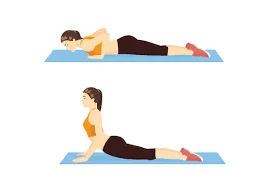
With your hands beneath your shoulders and your fingers pointing forward, lie on your stomach.
Bring your arms close to your chest. Keep your elbows from extending to the side.
Lift your head, chest, and shoulders slowly by pressing into your hands.
- You have the option of lifting all the way, halfway, or halfway.
- Keep your elbows slightly bent.
- To make the posture more intense, you can lower your head.
- Breathe out and return to your mat.
- Put your head down and bring your arms to your sides.
- Slowly shift your hips from side to side.
FAQs
Will yoga help degenerative disc disease?
The slow disc deterioration that comes with ageing may be lessened by the stretching and positioning of the spine that occurs during yoga activities, which may be one reason why yoga improves chronic spinal pain. It could also be because practicing yoga reduces weight-bearing, which eases the strain on the spine.
Is yoga good for osteoporosis of the spine?
Yoga for Osteoporosis: Use yoga to strengthen your bones and spine. Osteoporosis increases the risk of compression fractures in the vertebrae, yet yoga can help maintain a strong spine and healthy bones.
Is yoga good for L4 L5 disc bulge?
Even with a herniated disc, you can start or continue your yoga practice. In fact, by boosting blood flow to the wounded area, yoga helps hasten the healing process. It also can help with chronic pain by relaxing the body, reducing stress, and boosting your mood and overall well-being.
Which yoga positions are best avoided if you have degenerative disc disease?
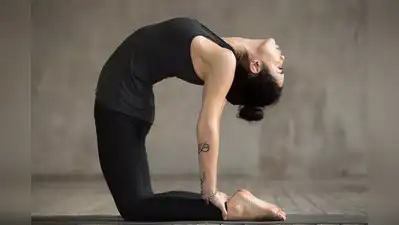
Camel Pose significantly stresses the neck, sacrum, and lower back while opening the front body. If you have spinal problems, even their modified versions may make your discomfort worse. Avoid if you have: Extensive extension can hasten the progression of degenerative disc degeneration.
Can you stop degenerative disc disease from progressing?
Degenerative disc disease cannot be completely prevented. You may, however, take action to reduce your pain and slow the deterioration of your spinal discs. Your doctor should provide you with clear instructions on how to live with DDD if you are diagnosed with this illness.
References:
- Yoga for Degenerative Disc Disease: Poses & Techniques for Spinal Health and Pain Relief – – 2025 – Alex//jogayogatraining.com/yoga-for-degenerative-disc-disease
- Yoga poses for Degenerative disc Disease – Ekam Yogashala – 2020/www.ekamyogashala.com/blog/yoga-poses-for-degenerative-disc-disease
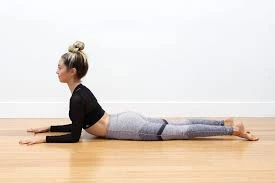
- The 10 best yoga poses for back pain – 2020 – Cronkleton/www.healthline.com/health/fitness-exercise/yoga-for-back-pain#sphinx-pose