
Ardha Chakrasana (Half-Wheel Pose)
What is Ardha Chakrasana?
Half wheel pose, also known as Ardha chakrasana, is a standing backbend pose that is appropriate for beginners. The first step is to place your hands on your waist while standing in tadasana. The next step is to stretch the head backward, expand the chest, and lean back at the lumbar area.
Stretching the neck, back, and torso muscles is the main goal of this pose. Additionally, it promotes abdominal and chest stimulation, which has positive effects on energy levels.
Ardha chakrasana is a good posture and stress-reduction pose because it reverses the tendency to circle the shoulders and droop forward. It relieves stress by releasing the shoulders and neck. It is believed to control blood pressure, especially in people with high blood pressure. It is also claimed that this pose purifies the neurological system.
Muscle Work During Ardha Chakrasana:
- Chest and Shoulder Muscles
- Back Muscles
- Abdominal Muscles
- Gluteus Muscle
- Hamstring Muscle
- Thigh Muscles
How to Perform?
- Place your feet two inches apart and stand upright in tadasana.
- Support your back by tucking your hands to your waist.
- Maintaining your elbows parallel to one another, draw them backward.
- Take a breath, extend your neck, and tilt your head back.
- Exhale while bending your upper body back from your lumbar area.
- As much as you can breathe regularly, lean back up.
- For three to ten breaths, hold the posture while breathing normally.
- Take a breath, straighten your back, and then assume the initial position.
- Relax in tadasana and release your hands from your waist.
Benefits:
Increases the flexibility of the spine
Stretching the upper and lower back with a backward bend is part of Ardha chakrasana. It increases the spine’s overall length and flexibility.
Bolsters the elbows, arms, and shoulders
In this stance, the arms and shoulders are stretched. Maintaining the posture also involves flexing the elbows. It strengthens and gently massages the muscles surrounding the arms and shoulders.
Makes the lower body stronger
Legs firmly planted on the floor support the body’s half-bent position. Additionally, it strengthens the leg muscles and stimulates the hips, thighs, and knees.
Decreases abdominal fat
The ardha chakrasana’s backward bend stretches the abdominal muscles. It helps burn the excess fat around the belly by applying pressure to the abdominal muscles.
Enhances cardiac health
In this stance, the chest is opened and the heart is raised. It increases the heart’s effectiveness and gives it a gentle massage. Eventually, this results in increased blood flow and better blood circulation all over the body.
Controls metabolism
By stretching the muscles in the neck, this position stimulates the thyroid gland. It releases the thyroid hormone, which regulates metabolism and increases the body’s energy levels.
Regulates blood sugar
The pancreas is stimulated by Ardha chakrasana, which keeps blood insulin levels at their ideal level. This prevents diabetes by maintaining blood sugar regulation.
Follow-Up Poses:
- Seated Forward Bend (Paschimottanasana)
- Hand to Feet Pose (Padahastasana)
Variations:
Raising arms in Ardha Chakrasana:
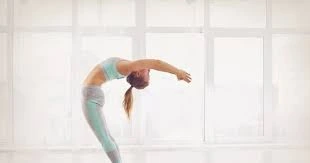
This variation aids in intensifying the backbend movement.
Stand in tadasana for this. Breathe in and raise your arms over your head. As you exhale, contract your chest and then your abdominal muscles. The muscles in the lower back will be deeply flexed as a result. By maintaining hands on the wall for appropriate support, this variant is simple to do.
Ardha Chakrasana in the Supine Pose:
Lie on your back with your legs bent. With your fingers pointed towards your shoulders, raise your arms and position them next to your ears. Lift your back, pelvis, and buttocks while pressing your hands to the floor, bringing your head’s crown down to the ground.
Therapeutic Uses:
- Back pain can be relieved, and any Lumbar Strain can be released by performing Ardha chakrasana.
- Neck discomfort can be relieved by doing this stance.
- This pose is beneficial for those with lumbar spondylitis.
- It stimulates the lungs by opening and expanding the chest. As a result, this pose helps individuals with respiratory conditions, such as bronchitis and asthma.
- Menstrual issues can be eliminated with this stance.
- This position can also be used to correct any postural flaws.
- Stress, sadness, and other conditions can be alleviated by inverting the head, which calms and purifies the neurological system.
Precautions:
Here are some more pointers to increase the health advantages of Ardha Chakrasana and avoid any harm:
- To absorb more oxygen, try to keep the elbows as close together as possible.
- When stretching and bending backward, avoid bending your knees.
Contraindications:
- Ardha chakrasana should not be performed if you have high blood pressure.
- Hernia patients must also stay away from it.
- Avoid this position when pregnant.
- This stance is not recommended for people who have duodenal or peptic ulcers.
- This pose will exacerbate any chronic neck, spine, or hip problems, so stay away from it.
- If you experience vertigo, do not attempt this stance.
FAQs
What are the common mistakes in Ardha Chakrasana?
Even though Ardha Chakrasana has many advantages, it’s important to steer clear of several typical blunders that might backfire. Avoid excessive lower back arching as this might put pressure on the spine. Make sure the curvature is uniform and gradual. Try not to push yourself into the position.
What muscles does Ardha Chakrasana target?
Additionally, the position works the hamstrings and glutes, strengthening the legs and creating a more stable basis. When lifting the chest and extending the arms, the exercise works the shoulder and chest muscles in addition to the abdominal muscles for core stability.
What is the counter pose for Ardha Chakrasana?
It’s crucial to practise a counterpose since Chakrasana Pose causes the spine to arch deeply. Chakrasana’s ideal counter posture is Pawanmuktasana, or wind-relieving pose. Simply hold this position for a few breaths to ease the pressure on your back.
What are the mental benefits of the wheel pose?
It elevates the heart and stretches tense chest muscles, which may be emotionally and physically liberating. In addition to releasing pent-up stress, many yogis report feeling lighter, more self-assured, and more in tune with their breath after completing positions like the wheel.
How does Ardha Chakrasana benefit the spine?
Ardha Chakrasana, or standing backward bend, is a deep backbend that expands the chest softly and makes the spine more flexible. It can aid in preparing the body and mind for heart-opening poses like chakrasana (wheel pose) and deeper backbends.
Does Ardha Chakrasana relieve stress?
Ardha Chakrasana’s benefits include opening and stretching the upper back, shoulders, and chest. Strengthens the back, shoulders, and arms. Enhances respiratory health and lung capacity, which reduces stress and anxiety.
How long do you hold Ardha Chakrasana?
As a beginner, you can hold the half-wheel posture, Ardha Chakrasana, for 10–20 seconds. Depending on your comfort level, you can go above your time restriction by 30 to 1 minute with practice.
References:
- Yogapedia. (2023, December 21). Ardha Chakrasana. Yogapedia. https://www.yogapedia.com/definition/6780/ardha-chakrasana
- Ardha Chakrasana (Half Wheel Pose): Procedure & Benefits – Fitsri Yoga. https://www.fitsri.com/poses/ardha-chakrasana


