
Static Exercise
What is Static exercise?
Exercises that entail squeezing a muscle without altering its length or moving the joint, as holding a wall sit or a plank, are referred to as static exercises or isometric exercises. In contrast to dynamic exercise, it does not require a range of motion, yet it can improve muscle strength and endurance by sustaining a contraction.
Static exercise, which involves holding a position for a while to build flexibility, is frequently employed in rehabilitation.
Indications of static exercise
- Due to immobilisation caused by braces, splints, casts, or other traction devices, which prevent joint movement.
- Following joint operations or injuries, when mobility is painful, or when mobility could impede the healing process.
- At a specific angle or portion of the range, the muscular weakening is limited.
Contraindications of static exercise
- For anyone with undiscovered cardiac issues, isometric exercise can raise blood pressure and heart rate to dangerous levels.
- Additionally, isometric exercise raises intra-abdominal pressure to dangerously elevated levels.
- To prevent the Valsalva manoeuvre, it is important to warn the patient not to hold their breath when performing isometric exercises.
Examples of Static exercise
1. Plank

Plank steps:
- Place your feet together, your arms straight, your body straight from head to heels, and your hands in line with your shoulders, but a little broader than them. Then, get on all fours.
- Lock your body into place by bracing your core, bringing your shoulders down, and clenching your glutes.
- Wait till you’re exhausted.
2. Low Squat

- Place your hands by your sides, toes pointing forward, and stand tall with your feet hip-to-shoulder-width apart.
- Lower your body as much as you can while maintaining a flat back and a braced core. Press your hips back, bend your knees, and reach your arms forward.
- Wait a minute.
3. Split Squat
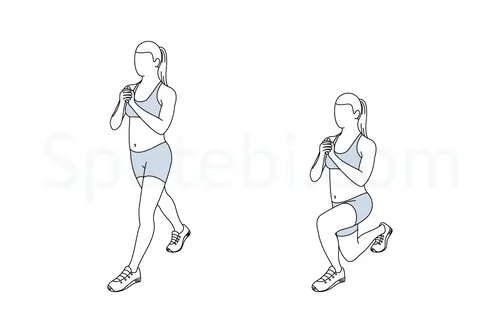
- The risk of runner’s knee and many other overuse problems is increased if your quadriceps and glutes are weak. Split squats can help reduce that risk.
- After adopting an athletic stance with your back straight and your core strong, take a lunge.
- Sinking until your back leg almost touches the floor and your front knee is 90 degrees bent will make the position more difficult.
4. Wall Sit

- Place your feet hip-width apart, keep your hands by your sides, and lean your back against a wall.
- Your shoulders and butt should touch the wall as you slide down it until your hips and knees are at a 90-degree angle.
- Wait till you’re exhausted.
5. Calf Raise Hold

- Lift your body off the ground by lifting your heels and beginning with both legs.
- After reaching your maximum height, maintain this position for one minute before lowering yourself gradually.
- Until you reach five minutes, you can add another thirty seconds at a time as your body adjusts to this new stress.
6. Leg Extensions
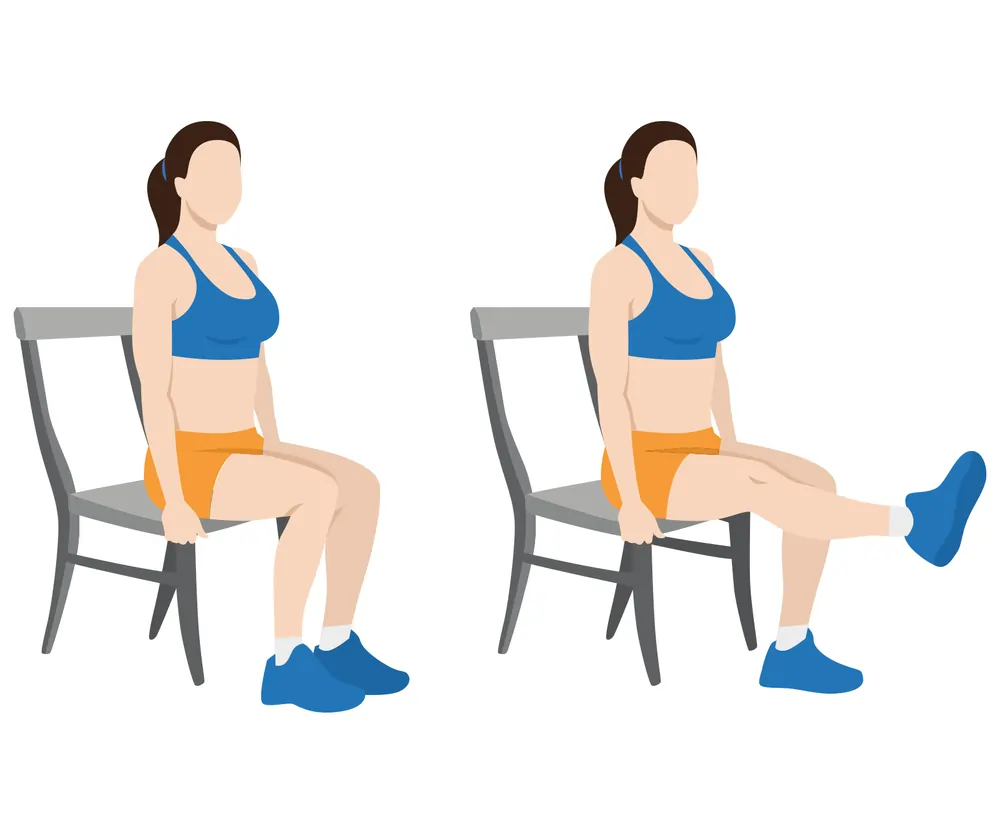
- Place both feet flat on the floor, place your hands on the chair, and lean your tailbone firmly against the chair’s back.
- Engage your quadriceps, slowly extend your right leg in front of you, and stretch your toes as far as you can without sacrificing form.
- After 30 to 60 seconds of holding the position, drop back to the beginning position and switch sides.
7. Isometric Push-up
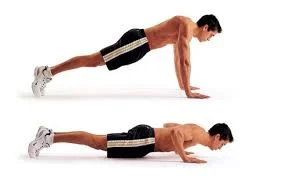
- Put yourself on all fours with your hands in line with your shoulders, but a little wider than them, your feet together, and your body straight from head to heels.
- Bend your elbows so that, when viewed from above, your upper arms protrude diagonally from your torso, forming an arrow.
- Lower yourself until your elbows are at a 90-degree angle, then hold the position until you get tired.
8. Static Lunge

- Place your hands by your sides and stand tall with your feet hip-width apart.
- With your right foot, take a big step forward while maintaining an engaged core, shoulders back, back flat, and chest up. Bring your left knee to a 90-degree bend and lower your body until your front thigh is parallel to the floor.
- Hold until exhausted, doing the same number of repetitions on each side.
9. Dumbbell Curl

- Hold a pair of dumbbells at arm’s length at your sides while standing, palms facing up.
- With your upper arms locked in position and your elbows tucked in, curl the dumbbells until your forearms are parallel to the floor.
- Wait till you’re exhausted.
10. Pull-Up Hold

- Hold the pull-up bar shoulder-width apart.
- Raise yourself till your upper chest and the bar are level.
- Squeeze the shoulder blades together while keeping your elbow down, and maintain the position for one to two minutes.
11. Goblet Squat

- With both hands in front of your chest and your elbows close to your sides, hold a heavy dumbbell or kettlebell in the front-racked position and lower yourself into a squat.
- Press through your heels to stand up after holding for five seconds at the bottom of your range of motion, preferably parallel or slightly below.
12. Lateral Shoulder Raise

- Make sure your feet are shoulder-width apart and your knees are slightly bent.
- With your arms straight and your elbows unlocked, hold the weights at your sides.
- Weights should be raised evenly to either side until they reach shoulder height.
13. Bridge

- On the floor, lie on your back. Keep your feet and palms flat on the floor, flex your knees, and keep your hands by your sides.
- Gently push your hip upwards while supporting your body with your feet and palms.
- Before lowering your body back to the beginning position, hold this position for ten seconds.
FAQs
What is the compound exercise?
Exercises that entail squeezing a muscle without altering its length or moving the joint, as holding a wall sit or a plank, are referred to as static exercises or isometric exercises. In contrast to dynamic exercise, it does not require a range of motion, yet it can improve muscle strength and endurance by sustaining a contraction.
Static exercise, which involves holding a position for a while to build flexibility, is frequently employed in rehabilitation.
What are the indications of static exercise?
Due to immobilisation caused by braces, splints, casts, or other traction devices, which prevent joint movement.
Following joint operations or injuries, when mobility is excruciating, or when mobility could impede the healing process.
At a specific angle or portion of the range, the muscular weakening is limited.
What are the contraindications of static exercise?
For anyone with undiscovered cardiac issues, isometric exercise can raise blood pressure and heart rate to dangerous levels.
Additionally, isometric exercise raises intra-abdominal pressure to dangerously elevated levels.
To prevent the Valsalva manoeuvre, it is important to warn the patient not to hold their breath when performing isometric exercises.
How to perform the calf raise hold?
Lift your body off the ground by lifting your heels and beginning with both legs.
After reaching your maximum height, maintain this position for one minute before lowering yourself gradually.
Until you reach five minutes, you can add another thirty seconds at a time as your body adjusts to this new stress.
How to perform the goblet squat?
With both hands in front of your chest and your elbows close to your sides, hold a heavy dumbbell or kettlebell in the front-racked position and lower yourself into a squat.
Press through your heels to stand up after holding for five seconds at the bottom of your range of motion, preferably parallel or slightly below.
How to perform the pull-up hold exercise?
Hold the pull-up bar shoulder-width apart.
Raise yourself till your upper chest and the bar are level.
Squeeze the shoulder blades together while keeping your elbow down, and maintain the position for one to two minutes.
References:
- Shetty, A. (n.d.). Static exercises. SlideShare. https://www.slideshare.net/slideshow/static-exercises/235203974
- Cpt, K. D. M. R. (2025, July 1). 8 Examples of isometric exercises for static strength training. Healthline. https://www.healthline.com/health/fitness-exercise/isometric-exercises