
13 Best Exercise for Planter Fascia Tear
Introduction
A partial or whole rupture of the plantar fascia, a thick band of connective tissue that runs from the heel to the toes along the bottom of the foot, is referred to as a plantar fascial tear. During walking and running, this structure is essential for preserving the foot’s arch and absorbing trauma.
Acute trauma, repetitive strain, or chronic overuse are the usual causes of tears, particularly in athletes, people with tight calf muscles, and people with biomechanical imbalances like high arches or flat feet.
Sudden heel discomfort, bruising, swelling, and trouble bearing weight are common symptoms. To avoid long-term issues and restore ideal foot function, early detection and suitable treatment are crucial.
Relevant anatomy
- The plantar fascia: A thick, fibrous band of connective tissue that extends to the proximal phalanges of the toes from the medial calcaneal tubercle. It absorbs shock during walking and supports the longitudinal arch.
- Medial calcaneal tubercle: the bony protuberance where the plantar fascia begins on the heel’s bottom. This area frequently experiences tearing and pain.
- Flexor digitorum brevis muscle: It is located just above the plantar fascia and could be impacted by deeper rips.
- The Foot’s Natural Muscles: includes foot stability-enhancing muscles that may compensate for fascial damage, such as the lumbricals, interossei, and abductor hallucis.
- Plantar fascia is protected from excessive impact pressures by the heel fat pad, which also cushions the calcaneus.
- Branches of the Tibial Nerve: In particular, the medial plantar nerve, which passes close to the fascia, could be a factor in paresthesia or transferred pain.
- The Gastrocnemius-Soleus Complex and Achilles Tendon: Because tightness here alters ankle dorsiflexion mechanics, it raises tension on the plantar fascia.
- Structures of Longitudinal Arches: consist of ligaments and bones (calcaneus, talus, navicular, cuneiforms, and metatarsals) that work with the plantar fascia to preserve the integrity of the arch.
Causes of Plantar Fascia Tear
- Unexpected Trauma or Impact: A tear may result from direct damage to the foot, such as walking on a hard surface or landing awkwardly.
- Repetitive strain or overuse: The fascia may become overloaded by extended standing, jogging, or leaping, especially on hard surfaces.
- Inappropriate footwear: Shoes that don’t cushion or support the arch may put more strain on the plantar fascia.
- Tight Achilles tendon or calf muscles: Insufficient ankle dorsiflexion may cause the fascia to become more tense during walking.
- Abnormalities in Biomechanics: Load distribution can be changed by aberrant walking patterns, high arches (pes cavus), or flat feet (pes planus).
- An abrupt rise in activity level: Microtrauma may result from abrupt changes in exercise volume or intensity without adequate training.
- Overweight or Obesity: The plantar fascia is more likely to tear when it is subjected to increased strain during weight-bearing exercises.
- Chronic Plantar Fasciitis or Degenerative Alterations: Prolonged inflammation can weaken the fascia and increase its vulnerability to rupture.
Symptoms of a Plantar fascia tear
- Severe Heel Pain: frequently characterised as a tearing or stabbing feeling, particularly while bearing weight.
- Pain in the Initial Steps: severe pain after extended sitting or when getting out of bed.
- Bruising and Swelling: noticeable discolouration or irritation in the vicinity of the arch or heel.
- The Arch’s Tenderness: Palpable pain, particularly in the area of the mid-arch or medial heel.
- Having trouble walking or carrying weight: altered gait or limping as a result of discomfort and instability.
- Soreness in the Calf or Foot: There may be secondary muscular compensation or guarding.
- An audible “pop” during the injury: When the tear happens, some people say they hear or feel a snap.
- Diminished Foot Function: reduced strength during push-off and poor foot mechanics during walking.
Exercise for Plantar Fascia tear
Ankle circle
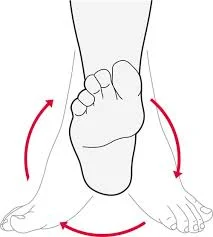
- Position: Supine lying position.
- Roll up a towel and place it under your ankle.
- You must gently rotate your ankle ten times in both clockwise and counterclockwise directions.
- Move only your ankle and foot, not your full leg.
- Try circling the letters with your big toe for variation.
- After that, go back to your neutral stance.
- Ten to fifteen repetitions per session are recommended.
- Hold duration: 5 seconds is enough.
Ankle-toe movement

- Position: Supine lying position.
- It is necessary to extend the toes from the ankle.
- For a few seconds, maintain this posture.
- Raise your toes till they come into contact with your ankle.
- Hold this position for a brief period of time.
- After that, go back to your neutral stance. Then unwind.
- Ten to fifteen repetitions per session are recommended.
- Hold duration: 5 seconds is enough.
Towel curl

- Position: Sitting position.
- Place one flat foot on the towel or band after smoothing it out. Make sure you have enough fabric in front of your foot because you will be moving the towel toward yourself.
- With your heels beneath your knees, take a seat (standing also helps). Make sure your toes are pointed forward and your legs and feet are parallel to one another. Lift your toes and flex your foot back while keeping your heel down.
- Reach out equally along both sides and the middle of your foot to place your foot as far out on the towel as you can while keeping your heel in place.
- Every time you extend and pull back, only a small portion of the towel will move.
- Ten to fifteen repetitions per session are recommended.
- Hold duration: 5 seconds is enough.
Standing calf stretch

- Position: Standing position.
- To start, position yourself far from a wall.
- Make your hands straight and press them up against the wall.
- Maintain a straight knee and a flat heel on the ground when extending one leg.
- Bend your front knee while keeping your hips forward.
- Bend your elbows gradually until your leg feels extended.
- For a few seconds, maintain this posture.
- After that, go back to your neutral stance. Then unwind.
- Ten to fifteen repetitions per session are recommended.
- Hold duration: 5 seconds is enough.
Plantar fascia stretch
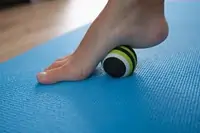
- Position: Sitting position.
- Stretch your foot over your opposing thigh while seated on a chair.
- Using one hand, cup the heel of your foot, and using the other, bring your big toe and the top of your foot up toward your shin.
- Hold the stretch for 30 seconds once you notice a slight pull in your arch.
Marble pickup

- Position: Sitting position.
- Marbles should be placed on the floor next to your foot while you sit in a chair.
- One marble at a time, pick them up with your toes and set them aside.
- Try using each foot to perform three to five sets of fifteen stone picks.
Standing heel Raise

- Position: Standing position.
- Place your feet shoulder-width apart and face straight ahead.
- Roll up onto your toes and slowly raise both heels off the ground. Make an effort to apply most of the pressure through your first and second toes.
- Hold the position for a moment before gradually lowering your heels to the floor when you are unable to raise them any higher.
- Ten to fifteen repetitions per session are recommended.
- Hold duration: 5 seconds is enough.
Resisted Strengthening Dorsiflexion
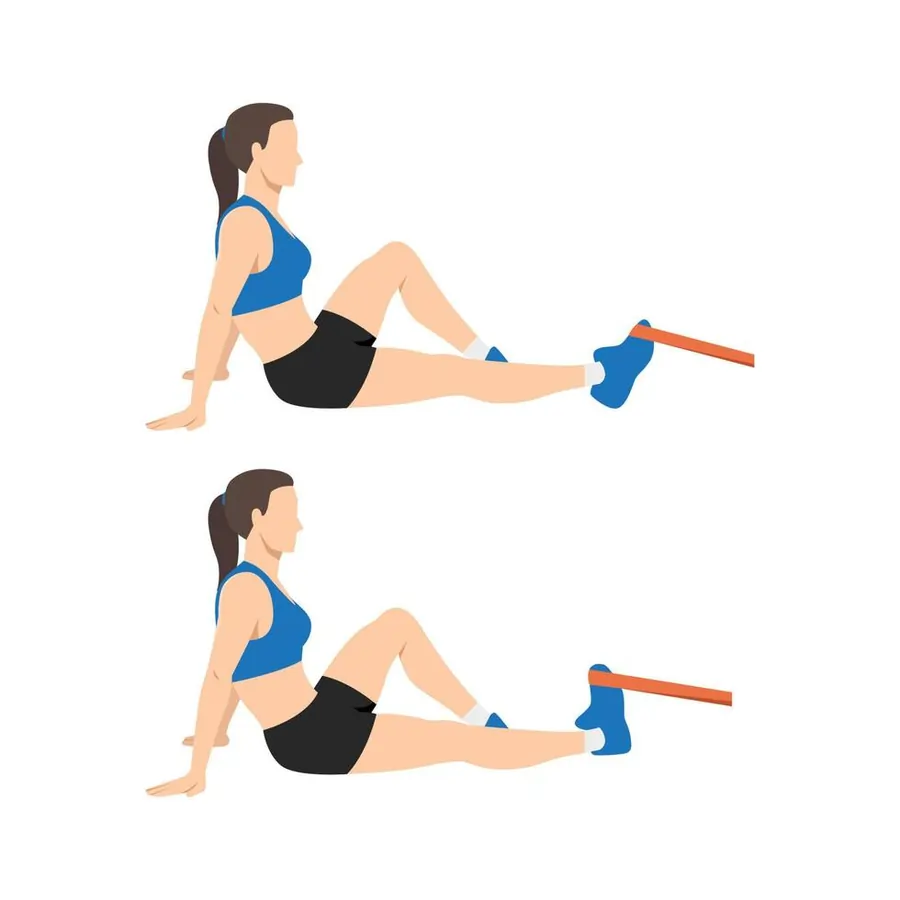
- Position: supine or sitting.
- Wrap the band around a leg of a table. Put the band across the top of your foot and place it within the band.
- Keep your knees straight and point your foot back toward your nose with just your ankle. Continue until you are uncomfortable or are unable to tilt it back.
- After two seconds of holding this position, gradually release.
- Go back to the neutral position. Do it again.
- Ten to fifteen repetitions per session are recommended.
- Hold duration: 5 seconds is enough.
Resisted Strengthening Plantar Flexion

- Position: Supine or sitting position.
- Hold the band in your hands and loop it beneath your foot.
- Point your foot forward while maintaining a straight knee by only moving your ankle. Your calf muscle behind your lower leg can be tight. Continue until you are uncomfortable or are unable to move it any farther.
- Go back to your neutral position.
- Ten to fifteen repetitions per session are recommended.
- Hold duration: 5 seconds is enough.
Resisted Strengthening Inversion
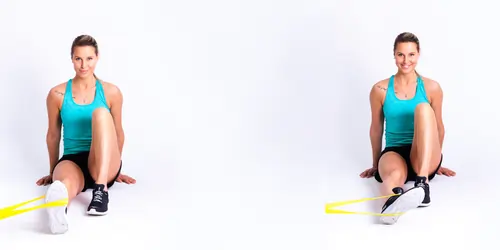
- Position: Supine or sitting position.
- Hold the ends of the workout band with your hands and loop it beneath your foot.
- Turn your foot inward so the sole faces your other leg while simply moving your ankle and maintaining your toes pointed up. Until you are uncomfortable or are unable to turn your foot inward, keep going.
- Go back to your neutral position.
- Ten to fifteen repetitions per session are recommended.
- Hold duration: 5 seconds is enough.
Resisted Strengthening Eversion
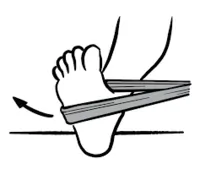
- Position: Supine or sitting position.
- The outward strength of a resisted eversion increases.
- Hold the ends of the workout band with your hands and loop it beneath your foot.
- Turn your foot outward, away from your other leg, while just moving your ankle and maintaining your toes pointed up. Continue until you can no longer turn your foot outward or until you experience discomfort.
- Go back to your neutral position.
- Ten to fifteen repetitions per session are recommended.
- Hold duration: 5 seconds is enough.
Foam rolling

- Position: Sitting position.
- Start by becoming comfortable in the chair.
- Then pick up a foam roller.
- Under your foot, place a foam roller.
- Then roll it back and forth for a few seconds.
- After that, go back to your neutral posture. Then unwind.
- Ten to fifteen repetitions per session are recommended.
- Hold duration: 5 seconds is enough.
Toe splay
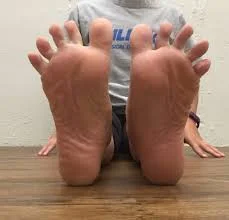
- Position: Sitting position.
- To begin, stand on the ground.
- As widely apart as you can without getting weary, spread your toes.
- Hold this posture for a few seconds.
- After that, go back to your neutral posture.
Special test for Plantar fascia tear
Test of Windscreens
- The big toe’s passive dorsiflexion, whether bearing or not bearing weight. Plantar fascia involvement is suggested by pain at the medial heel or arch.
Test of Palpation
- There may be a palpable deficiency or localised discomfort when direct pressure is applied along the medial calcaneal tubercle and arch.
Imaging using Ultrasound
- Fascial thickening, fluid buildup, and partial or whole tears can all be seen using dynamic musculoskeletal ultrasonography.
- The gold standard for verifying the degree of oedema, tears, and related soft tissue alterations is magnetic resonance imaging, or MRI.
Test of Single-Leg Heel Raise
- may cause discomfort and fascial instability, making it harder to perform or reproducing pain.
- Test of Toe Extension
- When there is a tear or inflammation, the plantar fascia may feel painful when the toes are passively extended.
Evaluation of Functional Gait
- Clinical suspicion may be reinforced by the observation of changed gait mechanics, such as decreased push-off or limping.
Grades for plantar fascia tear
Grade I: Mild (strain or microtear)
- Fascia fibre damage at the microscopic level
- Very little discomfort or oedema
- No loss of function; conservative treatment and relaxation may help symptoms go away.
Grade II: Partial Tear, Moderate
- Fascia filaments are partially disrupted
- Observable discomfort, oedema, and pain
- Weight-bearing and push-off difficulties during walking
- Immobilisation and organised rehabilitation may be necessary.
Severe (Complete Tear) Grade III
- Rupture of the plantar fascia in its entirety
- Abrupt, severe pain that frequently has a “pop” sound
- Severe swelling, bruises, and incapacity to support weight
- calls for prolonged immobilisation, perhaps surgical consultation, and ongoing rehabilitation.
Risk factors
- Athletes with significant foot impact, such as runners and dancers, frequently experience overuse or repetitive strain.
- Abrupt Increase in Activity: Quick adjustments to exercise time or intensity without adequate conditioning
- A tight Achilles tendon restricts ankle range of motion and puts more tension on the plantar fascia.
Anomalies in Foot Structure
- Pes planus, or flat feet, causes inner foot discomfort and excessive pronation.
- Pes cavus, or high arches, increases fascia stress by decreasing shock absorption.
- Inappropriate Footwear: Inadequate cushioning or arch support can exacerbate fascia
- Overweight or obesity increases the plantar fascia’s mechanical burden when standing and walking. Due to decreased tissue flexibility, middle-aged people are more vulnerable.
- Occupational Stress: Jobs that require a lot of standing or walking on hard surfaces. Previous Foot Injuries: Heel discomfort or plantar fasciitis increases susceptibility.
When did you quit exercising?
After exercising, the discomfort lasts for hours.
- Your foot cannot support the present load or workout type if you have persistent pain after an activity.
- In the following session, lower the degree or intensity of the workout.
- Until your pain level returns to normal, take it easy.
An increase in oedema or bruises
- Possible reasons include inflammation, abuse, and abnormal growth.
Incapable of Bearing the Weight
- This can indicate severe inflammation or that the rupture has become worse.
- Over time, pain worsens rather than improves.
- Shows that the current therapy is not working well.
Orthosis for plantar fascia tear
Cushions or Heel Cups
- Reduce heel pressure and absorb stress.
- Aid in preserving the plantar fascia’s calcaneus origin.
Insoles for Arch Support
- Preserve appropriate foot alignment and lessen fascial strain.
- Depending on the type of foot, possibilities can be either custom or prefabricated.
Splints for the Night
- Overnight, keep the foot in dorsiflexion. Keep the fascia stretched to avoid morning pain. Orthotics that are rigid or semi-rigid Limit excessive supination or pronation. Reduce the mechanical overload and stabilise the foot.
CAM Boot (Walking Boot)
- Utilised in instances that range from moderate to severe
- Reduces inflammation and permits the foot to heal by immobilising it.
Methods of Taping (such as Low-Dye Taping)
- Offer short-term assistance and release the fascia.
- Beneficial during periods of activity or transition
Spacers or Toe Separators
- could help redistribute pressure on the forefoot.
- Beneficial if the positioning of the toes causes fascial tightness.
Compression Socks or Sleeves
- Improve circulation and lessen oedema
- During regular activities, offer a small amount of comfort and assistance.
Benefits of exercise
- Reduction of Pain: Mobility exercises and mild stretching can help ease fascia tightness. Movement-induced improved blood flow can reduce inflammation and accelerate recovery.
- Enhanced Adaptability: Foot and ankle range of motion is restored using targeted stretches (e.g., towel stretch, toe extension). The plantar fascia is less stressed when the Achilles and calf muscles are relaxed.
- Enhancing Support Systems: Arch support is enhanced by strengthening the calves and intrinsic foot muscles. Improved muscle balance lessens the fascia’s compensatory stress.
- Improved Proprioception and Balance: Exercises for balance retrain foot coordination and stability. Enhancing neuromuscular control helps avoid further injuries.
- Encourages the Remodelling of Tissue: Tissue healing and collagen alignment are promoted by controlled loading. Prevents stiffness and chronic deterioration.
- Lowers the Chance of Recurrence: Encourages long-term recuperation and resumption of activities. The foot becomes more resilient as strength and flexibility increase.
Common mistakes
- Not Planting Your Heel Firmly: To get the most out of this exercise, you must keep your heel firmly planted on the ground. The numerous foot-strengthening advantages of toe curls will be lost if your heel is elevated or if you move with your toes.
- Poor Posture: It’s crucial to have good posture when performing the toe curl exercise, whether you sit or stand. Maintain a firm core, backed shoulders, and relaxed arms by your sides. Make sure your toes are still visible and your legs are at a 90-degree angle if you are seated. Maintain a gentle bend in your knees if you are standing.
Conclusion
A plantar fascia tear is a serious musculoskeletal injury that, if left untreated, can significantly impair mobility and quality of life. It usually manifests as acute heel pain, swelling, and trouble walking and is caused by either chronic overuse, acute trauma, or biomechanical abnormalities. To encourage healing and avoid long-term consequences, early diagnosis, rest, and suitable rehabilitation are crucial. With an organised treatment plan—including physiotherapy, supportive footwear, and gradual return to activity—most persons can regain full function and limit the risk of recurrence.
FAQ
If your plantar fascia is torn, can you still walk on it?
Although it is usually unpleasant and limiting, walking with a torn plantar fascia is frequently doable. People with minor or partial tears can still carry their own weight, although they frequently have severe heel discomfort, oedema, and changed walking patterns. Walking becomes very challenging in cases of more severe or total rips because of the excruciating pain, instability, and absence of arch support. Walking without the right care might exacerbate the injury and cause it to take longer to heal. To lessen strain, encourage recovery, and avoid long-term issues like chronic plantar fasciitis or compensating injuries, early intervention—such as rest, orthotic support, and physiotherapy—is essential.
What is the healing period for a torn plantar fascia?
Depending on the extent of the tear and how well treatment measures work, the healing time for a torn plantar fascia normally lasts between seven and twelve weeks. Conservative treatments, including rest, ice, orthotic support, and physical therapy, can help mild or partial rips heal in a few weeks. Complete ruptures, on the other hand, frequently necessitate a lengthier healing period, which may include an organised rehabilitation program and immobilisation with a walking boot. To guarantee complete recovery and avoid recurrence, adherence to activity modification, gradual reloading, and treatment of underlying biomechanical problems is crucial.
Is surgery necessary for a tear in the plantar fascia?
Surgery is rarely required to repair a damaged plantar fascia and is usually reserved for extreme cases. Conservative treatments include rest, orthotic support, physiotherapy, and activity adjustment. They work effectively for the majority of cases, especially partial tears. Surgery, such as a partial fasciectomy or plantar fascia release, may only be advised if symptoms seriously hinder day-to-day functioning and last for several months despite non-surgical treatment. Although the goal of these operations is to remove damaged tissue and reduce tension, there are dangers involved, such as infection, nerve damage, or insufficient symptom relief. Prior to contemplating surgical options, a comprehensive evaluation by a professional is necessary.
What are the muscles of the ankle?
A complicated network of muscles that start in the lower leg and foot supports and move the ankle. Movements, including dorsiflexion, plantar flexion, inversion, and eversion, are mostly controlled by these muscles. Plantar flexion, which enables you to point your toes downward, is facilitated by the gastrocnemius and soleus muscles, which form the calf. The primary dorsiflexor that raises the foot is the tibialis anterior, which is situated on the front of the shin. The tibialis posterior is crucial for inversion (turning the sole inside), whereas the lateral side of the leg’s peroneus longus and brevis enable eversion (turning the sole outward). Other muscles that help with toe movement, ankle stability, and fine motor control include the flexor hallucis longus, flexor digitorum longus, extensor hallucis longus, and extensor digitorum longus.
What are the benefits of ankle exercises?
Numerous advantages of ankle workouts include improved mobility and stability in both everyday activities and sports performance. Frequent ankle muscle strengthening and stretching increases joint flexibility, which promotes smoother mobility and helps avoid stiffness. Additionally, by improving proprioception—your body’s sense of position and balance—these exercises lessen the chance of falls and accidents, particularly in older persons or people recovering from lower limb problems. When walking, jogging, or jumping, strengthening the ankle stabilisers—such as the tibialis and peroneal muscles—helps prevent sprains and promotes better alignment. Ankle exercises also lessen oedema and increase circulation, all of which are beneficial in rehabilitation settings. Regular ankle exercise promotes total lower limb resilience and functional independence, whether you’re trying to improve performance or heal from an injury.
How can a plantar fascia tear be healed the quickest?
Combining rest, appropriate support, and supervised therapy is the quickest approach to repairing a plantar fascia rupture. To start preventing further tension, relaxation, and avoiding weight-bearing activities are crucial. Pain and inflammation can be lessened by applying ice many times throughout the day. By relieving pressure on the heel and arch, supportive shoes or custom orthotics can aid in the healing process. In order to maintain the fascia stable and stretched during the healing process, a physician can suggest a night splint or walking boot. In order to recover flexibility, physical therapy is essential. This includes soft tissue mobilisation, calf and foot muscle strengthening, and mild stretching. Under medical supervision, corticosteroid injections or anti-inflammatory drugs may be used to treat pain.
How long does it take for rips in the plantar fascia to heal?
The severity of the injury and the degree of management can affect how long it takes for plantar fascia rips or tears to recover. With appropriate rest, supportive footwear, and physical therapy, mild to moderate tears usually heal in 6 to 12 weeks. It may take many months—sometimes as long as six months—for severe or total tears to heal. Regular stretching, strengthening, and rehabilitation activities hasten the healing process and guard against stiffness or re-injury. Proper tissue healing during rehabilitation requires avoiding high-impact activities and wearing orthotic insoles. Advanced therapies, including platelet-rich plasma (PRP) injections or shockwave therapy, may accelerate recovery in some situations.
References
- McCormack, J. (2023, August 7). Plantar fascia tear. James McCormack. https://james-mccormack.com/advice-centre/plantar-fascia-tear/
- Bariya, D. (2025, September 25). 17 Best Exercises For Plantar Fascia Tear. ankle exercise. https://samarpanphysioclinic.com/exercises-for-plantar-fascia-tear/
- Ryt, M. O. M. (2021, June 4). How to do a towel curl. Verywell Fit. https://www.verywellfit.com/learn-the-towel-curl-foot-strengthening-exercise-2704696
- Ocs, T. P. D. (2025, April 21). 6 Effective plantar fasciitis exercises to relieve foot pain. Verywell Health. https://www.verywellhealth.com/plantar-fasciitis-exercises-11684693
- Inverarity, L., DO. (2024b, May 18). Ankle strengthening exercises for ankle injuries. Verywell Health. https://www.verywellhealth.com/ankle-exercises-a-complete-guide-2696480