Shin Splints Home Rehab
Introduction
Shin splints, medically known as Medial Tibial Stress Syndrome, is a common condition that causes pain along the inner edge of the shinbone, especially in runners, athletes, and beginners starting new workout routines. It often develops due to overuse, sudden increase in activity, improper footwear, or poor training techniques.
Athletes frequently have MTSS. It usually happens when the tibialis muscles are overused or subjected to recurrent tension. However, shin splints can also result from:
- Weakness or imbalance in the lower body muscles
- Wearing improperly fitting shoes
- Being obese or overweight
There are no hard and fast rules for treating shin splints, and there is conflicting evidence regarding the effectiveness of stretching. Stretching may help reduce discomfort, according to some studies, while other studies have found no advantages.
Immediate Relief (First 1–2 Weeks)
Rest
For at least two to four weeks, avoid or drastically cut back on painful activities like running and jumping. However, continue to be active with low-impact activities like swimming or cycling as long as they don’t hurt.
Ice
To lessen pain and swelling, apply towel-wrapped ice packs to your shins for 15 to 20 minutes, several times a day.
Massage
To enhance blood flow and promote healing, gently massage the calf muscles.
Rehab Stretches (Daily)
Gastrocnemius Calf Stretch

From the knee to the heel, these big muscles extend the calf.
Since tight calves may contribute to the development and severity of shin splints, several studies suggest various calf exercises to help manage shin splints.
- For support, place your hands on the back of a chair or on a wall.
- Step back a foot. Point your feet straight ahead and keep them flat.
- Bend the front knee till you feel a stretch in your back leg’s calf while keeping your back heel down and your back leg straight.
- Throughout the stretch, maintain a straight back.
Achilles Tendon Standing Stretch

The thick, powerful Achilles tendon runs from the heel to your calf muscle. Another frequent overuse issue is Achilles tendon damage.
The Achilles tendon standing stretch can be done on a thick phone book, stair step, curb, or step stool. For balance, you might want to grab a chair or railing with at least one hand.
Place your feet on the stair step’s edge, or whatever you’ve decided to use for this exercise.
Allow one heel to hang off the step gradually until the Achilles and the back of your leg start to stretch.
Tibialis Anterior Stretch

Your tibia muscles’ anterior (front) muscles are stretched by this workout. This is the muscle that shin splints most frequently affect.
Place your hands on the floor in front of you and sit upright with your toes pointed slightly in.
Lean forward and elevate yourself so that you are resting on your toes to extend the stretch.
Strengthening Exercises (When Pain Subsides)
Seated Shin raises
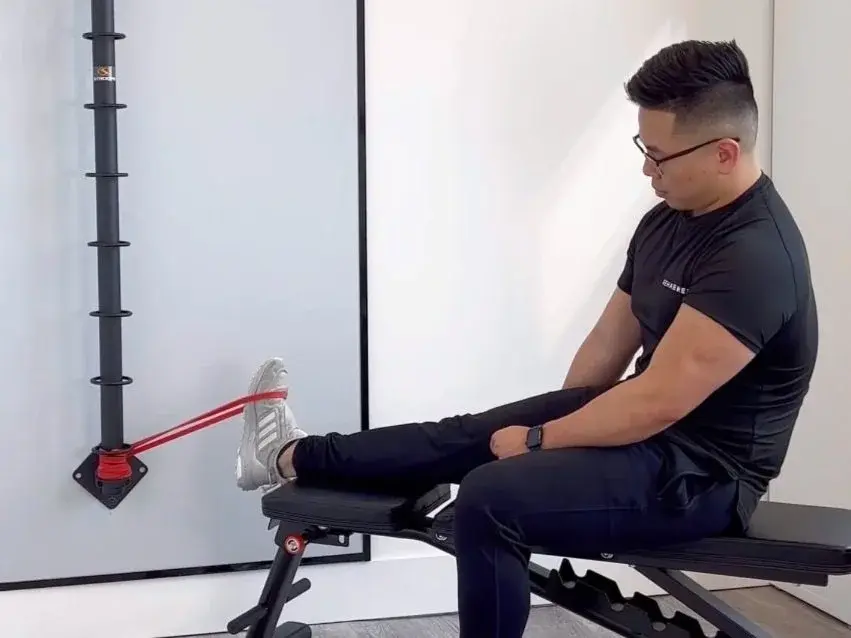
- For more resistance, utilize a machine or resistance band, or sit on a chair with your feet planted on the floor.
- Raise your toes to your shins, hold them there for a moment, and then slowly lower yourself back to the beginning.
Heel walks
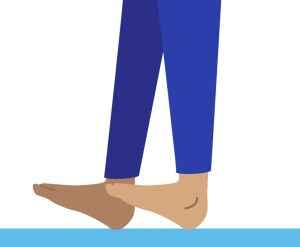
- Setup: If required, stand on a level area, preferably close to a wall for balance.
- Movement: Stand only on your heels and raise your toes and the front of your feet off the ground.
- Action: Dorsiflex, or point your toes upward toward your shins, then take short, deliberate steps forward.
- Repetitions: Take 20–30 steps or 20 feet forward, then turn around and start over.
- Sets: Do two to three sets until your front shins burn.
Seated Calf raises
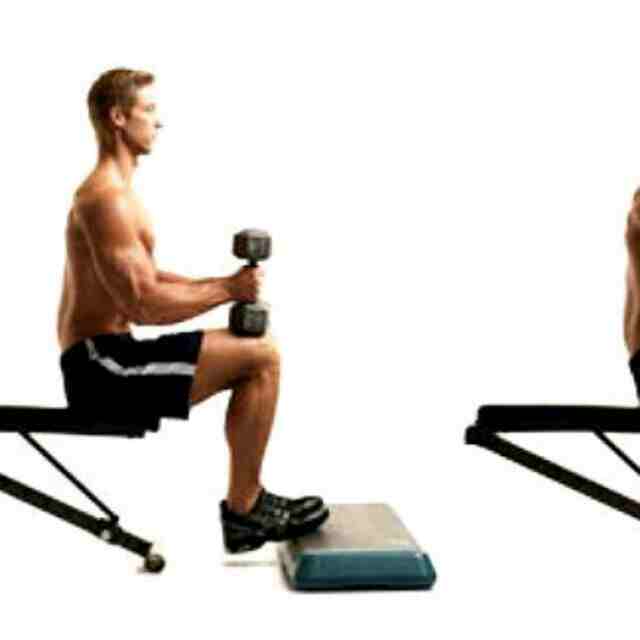
Your calf muscles, especially the Soleus muscle, which runs from right below the knee to the heel, are worked by the Seated Calf Raise. This exercise works your soleus more and your gastrocnemius less than standing calf raises. When running, a strong soleus muscle is necessary to provide your step strength.
- Sitting at the edge of a box or chair with your legs bent at a straight angle is the first step in performing a seated calf raise.
- Position a dumbbell or kettlebell slightly above the knee on your working leg.
- To make your working leg practically on tiptoes, lift its heel higher.
- At the apex of the movement, squeeze and halt, then lower yourself back down.
FAQs
What is the quickest way to heal shin splints?
The quickest method to treat shin splints is to stop painful activities right away, ice the shins for 15 to 20 minutes several times a day, take over-the-counter anti-inflammatory medications like ibuprofen, and stretch the calf and shin muscles gently. Low-impact cross-training, like swimming or biking, can also help you stay fit without making the injury worse. A slow, gradual return to activity and regular self-care are essential for preventing recurrence.
Self-Care & Immediate Relief (RICE)
Rest: For at least two to four weeks, avoid or drastically cut back on painful activities like running and jumping. However, continue to be active with low-impact activities like swimming or cycling as long as they don’t hurt.
Ice: To lessen pain and swelling, apply towel-wrapped ice packs to your shins for 15 to 20 minutes, three to four times a day, for a few days.
Pain Relief: To reduce pain and inflammation, take NSAIDs such as naproxen or ibuprofen, but be mindful of possible adverse effects.
Compression: Using compression sleeves can help control swelling and pressure.
Strengthening and Stretching (Once Pain Subsides)
Calf Stretches: To increase flexibility, gently stretch the tibialis anterior (shin muscle) and calf muscles (bent and straight knee).
Self-Massage/Foam Rolling: To increase blood flow and relieve tightness, gently massage the shin muscles or apply a foam roller.
Strengthening: To increase lower leg strength after pain has subsided, incorporate heel lifts and resisted dorsiflexion exercises.
How to treat shin splints while pregnant?
Pregnancy-related shin splints can be treated with rest, ice, mild stretching (calves, front of shin), massage, low-impact exercise (bike, swimming), supportive footwear, proper nutrition, and always getting your doctor’s approval before taking painkillers like Tylenol or acetaminophen. Steer clear of activities that exacerbate pain and, after it has subsided, incorporate mild strengthening exercises.
Self-Care & Instant Relief
Rest: Steer clear of painful activities, but continue to be moderately active by walking or other pain-free alternatives.
Ice: To lessen pain and swelling, apply towel-wrapped ice packs to your shins for 15 to 20 minutes, several times a day.
Gentle Stretching: To release tightness, perform wall stretches for your calf muscles and a “Bushman squat” to stretch the muscles on the front of your shin.
Massage: To enhance blood flow and promote healing, gently massage the calf muscles.
Supportive Footwear: To lessen stress, wear supportive shoes and, if you have flat feet, think about orthotics (shoe inserts).
Prevention & Lifestyle
Remain Active (Low-Impact): You can stay fit without putting undue strain on your shins by swimming, water running, or cycling.
Hydration & Nutrition: to help avoid cramps, consume foods high in magnesium, such as nuts and beans, and drink lots of water.
Proper Positioning: lying on your left side will increase blood flow to your legs.
How to treat shin splints in a child?
With rest, shin splints typically improve completely. Wearing shock-absorbing athletic shoes with arch support can help kids and teens avoid recurrent shin splints. changing out aged or poorly fitting athletic footwear.
Is it OK to massage shin splints?
Yes, massage can help with shin splints by promoting tissue healing, lowering muscle tension, and increasing circulation. When combined with rest and rehabilitation, sports massage and deep tissue massage are very beneficial in reducing pain, regaining mobility, and preventing further injuries.
Can a lack of vitamin D cause shin splints?
In certain cases, low vitamin D may also be a risk factor for shin splints. Sports and activities that are most frequently linked to shin splints include the following.
What can be mistaken for shin splints?
Shin splints, a more common cause of leg pain in young people who engage in a lot of hard weight-bearing activities, including jogging, are sometimes confused with chronic exertional compartment syndrome.
What causes pain down front of the leg below the knee?
Typical causes of lower leg pain that radiates from the knee include: muscular cramps: Unexpected, tense muscular contractions that are frequently brought on by fatigue or dehydration. Nerve irritation: Compression or pinching of nerves close to the spine or knee. Poor circulation: Feelings of cold, heaviness, or pain can be caused by decreased blood flow.
Are shin splints muscle or bone?
Shin splints are caused by the muscles and connective tissues in your lower leg pulling and tugging on your shin bone repeatedly. Your shin bone may become weaker and inflamed due to the frequent, repetitive pressure of running and jumping.
What are the red flags for shin pain?
Sharp or dull pain might be experienced both during and after an activity. There may be tenderness or pain when the tibia is touched. The following are red flag warning signals that are usually absent: limp, night pain, swelling, numbness, and tension in the muscles, color change, or chilly foot.
What vitamins help with shin splints?
Supplements of vitamin D
Vitamin D insufficiency has been linked to shin splints, according to a study. Therefore, taking vitamin D pills might help stop the pain from coming back. Before taking any supplements, don’t forget to consult your doctor, particularly if you already have any health issues.
What not to do with a shin splint?
You should plan on taking a minimum of two to four weeks off from your activity or workout.
For one to two weeks, refrain from performing repetitive lower leg exercises.
As long as you are pain-free, try alternative low-impact exercises like biking, swimming, or elliptical machines.
What is the root cause of shin splints?
Shin splints can occur as a result of several factors, including exercising too frequently or exerting too much force on your body, using poor form, participating in high-impact physical activities, and wearing poor running shoes.
How painful are shin splints on a scale of 1-10?
It should never be greater than a 3 on a pain scale of 1 to 10. Prior to beginning a slower pace as the body warms up, I always advise stretching. Stop and stretch or lower your cadence for a while if you start to feel sore or uncomfortable. You might even want to try walking more quickly.
Refereces
- Hecht, M. (2025, September 1). 7 stretches for shin splints. Healthline. https://www.healthline.com/health/shin-splint-stretches
- Seated Calf Raise Exercise Tutorial | Runna Support | #1 running coaching app & plans. (n.d.). https://support.runna.com/en/articles/6364682-seated-calf-raise-exercise-tutorial
- Song, D. (2022, March 6). Heel walk — rehab hero. Rehab Hero. https://www.rehabhero.ca/exercise/heel-walk
- The Editors of Men’s Health. (2016, February 12). 3 ways to perform shin raises. Men’s Health. https://www.menshealth.com/fitness/a19548555/how-to-perform-shin-raises/


