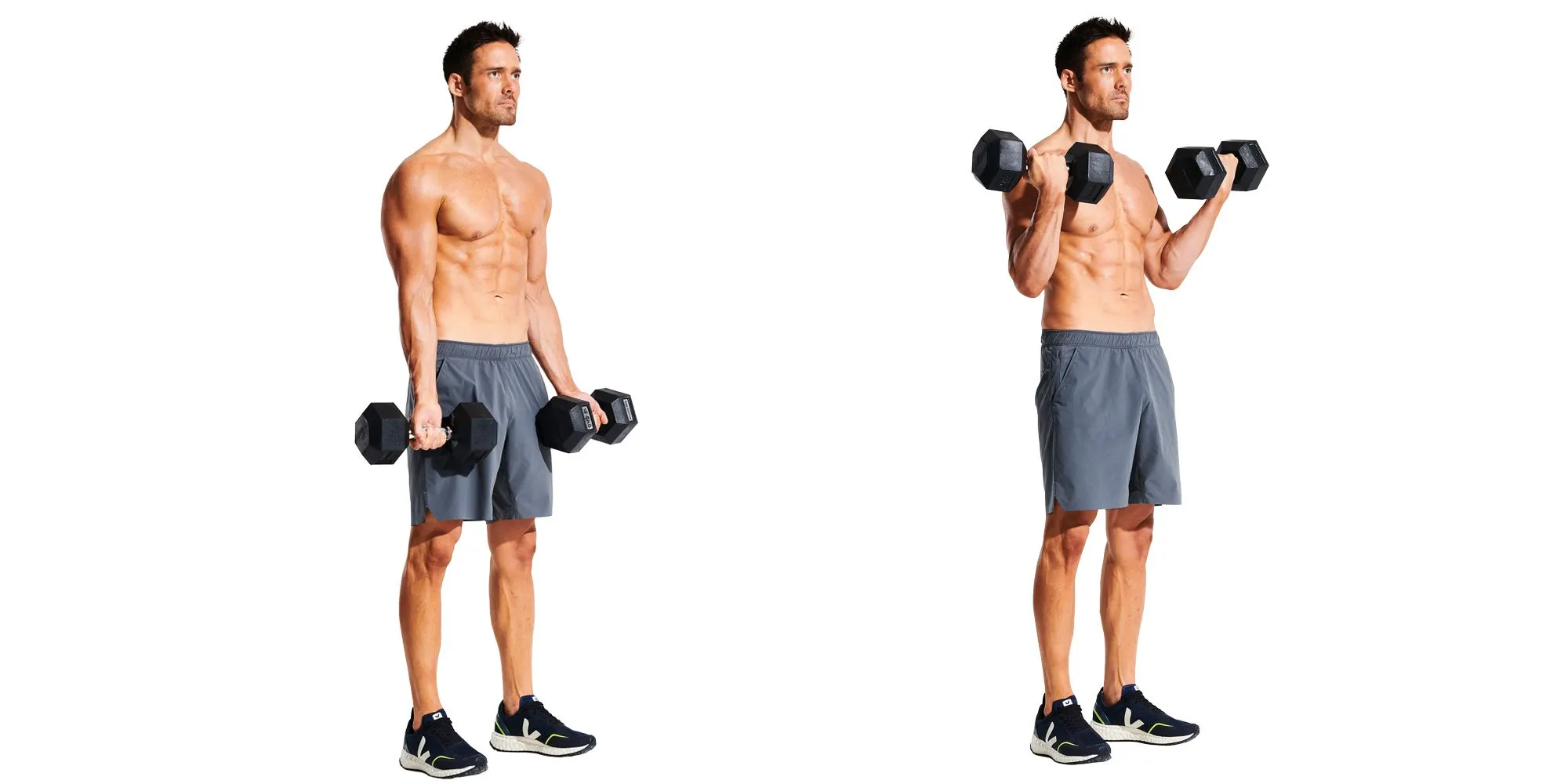
Shoulder Strengthening Exercises
Introduction
Your shoulder muscles are working hard when you’re washing your hair in the shower, taking a dish from a high shelf, or removing laundry from the dryer. However, fundamental tasks can become more challenging and even cause discomfort when these muscles are weak.
Exercises that strengthen your shoulder can help you avoid new discomfort from a shoulder injury, prevent pain from an existing condition, and ensure that your shoulder is comfortable with daily movements and activities.
What are the shoulder muscles?
You can move your shoulder in a variety of ways since it is a ball-and-socket joint. These muscles are used for everything from reaching an object on a shelf to tossing a ball. It has the greatest range of motion of any joint in your body and is also known as the glenohumeral joint. Your shoulder is supported by around eight muscles. They give it shape, strength, and stability.
Skeletal muscles make up your shoulders. They are attached to bones by tendons. You have control over how these muscles move and function since they are voluntary. Your heart is one of the body’s other involuntary muscles. This implies that they function without your awareness.
What is the purpose of the shoulder muscles?
Keeping your shoulder joint’s bones in place.
You can move your arms forward, backward, up, and down.
Protecting your shoulder joint.
Rotating the shoulder joint.
Where are the shoulder muscles located?
The top of your arm, where it joins your body’s trunk, is surrounded by shoulder muscles. Your shoulder muscles and bones are joined by tendons. These bones include the clavicle (collarbone), humerus (bone between the shoulder and elbow), and scapula (shoulder blade).
How are the shoulder muscles structured?
The four rotator cuff muscles are the most significant in your shoulder. They cup the front of your shoulder in conjunction with tendons and:
Assist you with raising and rotating your arms.
Give your shoulder joint structural support.
The rotator cuff muscles
Subscapularis
This muscle extends to the bottom of the ball of your humerus and is attached to the central portion of your scapula. To lessen rubbing against the bone, a fluid-filled sac called a bursa divides the muscle from the scapula.
Supraspinatus
At the ball of your shoulder joint, this muscle extends from the top of the scapula to the top of the humerus.
Infraspinatus
This muscle attaches to the humerus behind the supraspinatus after extending from the bottom of the scapula.
Teres minor
This muscle connects to the humerus below the infraspinatus and to the side of the scapula.
Other shoulder muscles
Rhomboids
From the base of your neck, at the top of your spine, to your scapula, there are two rhomboid muscles. They assist you in raising your shoulder blades.
Trapezius
The big triangle muscle at the back of your shoulder is called the trapezius, or traps. It facilitates shoulder lifting and lowering.
Deltoid
On the outside of your shoulder is the deltoid muscle. It facilitates the forward, backward, and side movements of your arm.
Shoulder Strengthening Exercises
Bent Over Row
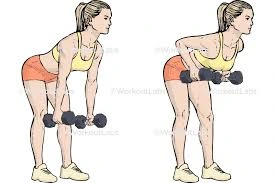
This exercise works the muscles in your shoulders as well as the supporting muscles that come from your upper back and shoulder blades. Because of this, rows can promote improved posture throughout the day and aid with general strength, which can help prevent upper back problems.
How to do it:
You should do with dumbbells and barbells also.
Place your feet hip-width apart and take a tall stance.
With your back flat and at a 45-degree angle to the floor, hinge at your hips to pull your chest forward.
Keeping your elbows near your sides of the body, bend them to bring your hands toward your ribs. The muscles between your shoulder blades should be squeezed.
Wall Push Up

Push-ups are a flexible workout that may be performed on the floor or while standing and leaning on a table or wall. This shoulder strengthening exercise supports shoulder stability to improve the effectiveness of reaching actions, regardless of the beginning position.
How to do it:
Place your hands about chest height on a wall while you stand. Keep your feet a few steps away from the wall and your arms straight.
Move your chest slowly in the direction of the wall by bending through your arms.
When your head and chest approach the wall, stop.
To straighten your arms and get back to the beginning posture, push through your hands.
Superman

All of the little stabilizing muscles in your shoulders, as well as the postural muscles in your upper back, will be worked when you raise your arms against gravity.
How to do it:
With your arms and legs outstretched and your forehead on the floor, lie face down.
Raise your legs, arms, and torso as high to the ceiling as you can comfortably do.
Maintain this posture while keeping your neck in a neutral position by looking at the ground.
Return to the initial position by relaxing your body.
Internal Shoulder Rotation

The rotator cuff, a little set of muscles that aid in shoulder stability, is isolated during this workout. When you need to reach and rotate your shoulder, like when zipping up the back of a dress or reaching back into a car seat, strengthening these supporting muscles will help.
How to do it:
To secure a resistance band, open a door, wrap the band over the handle on the other side, and then shut the door. To get the door to open away from you, stand inside the closed door.
Holding the ends of the band in one hand, take a few steps away from the entrance.
To align your elbow and hand with your shoulder, extend your arm to your side.
To stretch the band, bend your elbow to a 90-degree angle and elevate your hand toward the ceiling while maintaining this position.
Put your hand back where it was before.
External Shoulder Rotation

You can also isolate your rotator cuff muscles in this way. Pulling the band away from you is the goal of external shoulder rotation, which is comparable to internal shoulder rotation.
How to do it:
To secure a resistance band, open a door, wrap the band over the handle on the other side, and then shut the door. To get the door to open away from you, stand inside the closed door.
With the ends of the band in one hand, take a few steps away from the door and turn so that your back is to it.
With your elbow aligned with your shoulder, extend your arm to the side and bend it to a 90-degree angle, raising your hand toward the ceiling.
Lower your hand toward the floor while maintaining the same elbow position. When your hand and elbow are level, stop.
Put your hand back where it was before.
Forward Shoulder Raise

You will strengthen every muscle required to support shoulder mobility without depending on the muscles in your neck as you raise your arm straight up in front of your body.
How to do it:
Keep your arms by your sides while you stand.
Keeping your arm straight, raise it in front of your body and toward the ceiling. At the peak, hold.
Put your arm back by your side.
Seated Side Raise

This exercise works your deltoids, which are the big muscles that dangle over the upper sides of your shoulders, in addition to your rotator cuff muscles. Lifting your arms up and away from your body is a common movement that can help with.
How to do it:
You can do with a dumbbell.
With your arms by your sides, take a tall seat.
Keeping your elbows extended, raise your arms to shoulder height.
Return your arms to your sides.
Scapular Clocks
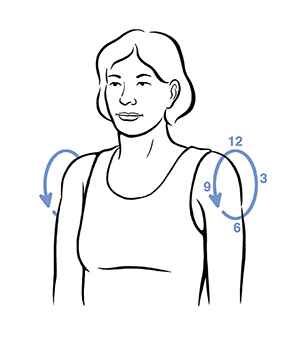
This exercise increases shoulder blade strength and range of motion, making functional arm movements simpler.
How to do it:
Bend your elbows to a 90-degree angle while standing with your arms at your sides.
Raise your shoulders to your ears and grip.
After lowering your shoulders, round your upper back by moving your elbows and shoulders forward.
Return to the initial position with ease, then lower your elbows and shoulders toward the floor.
Squeeze your elbows and shoulders back after returning to the beginning posture.
Benefits of Shoulder Strengthening Exercises
You can move in a variety of directions and with useful movement patterns with the support of shoulder strengthening exercises. By doing this, you can help protect your shoulders and the surrounding tissues from harm. Stress and irritation may result from other muscles having to do more work to support you if your shoulders are weak. Another strategy to avoid shoulder, neck, and upper back pain is to maintain good posture throughout the day with the support of strong shoulder muscles.
Whether your shoulder pain is caused by osteoarthritis or another ailment, strengthening your shoulders can assist. We want to make sure that, regardless of the diagnosis, all the supportive muscles are ready to help you heal. Your shoulder muscles will be better able to support your shoulder joints as you strengthen them, making exercise and mobility more comfortable.
FAQs
How to increase shoulder strength quickly?
Put one hand on a table or counter for support as you lean forward. Let your other arm hang by your side. Swing your arm switch gently. Repeat the exercise with your arm going side to side, then in a circular motion.
How long does it take to strengthen a weak shoulder?
We are aware that most shoulder studies about the rotator cuff involve a thorough 12-week rehabilitation program. This time frame demonstrates where the majority of development and improvement takes place, from the reduction of symptoms to gains in strength and function.
What are the signs of weak shoulders?
Symptoms of a weak shoulder typically include difficulty lifting the arm, decreased range of motion, instability (feeling like it will pop out), and pain, particularly with overhead activities or at night. Often, these symptoms are caused by rotator cuff tears, instability,y or inflammation. Common signs are aching, popping sounds, swelling, or intense pain that keeps you from sleeping.
Main Symptoms of Weak Shoulders
Difficulty/Inability to Raise Arm: Difficulty raising your arm overhead or away from your body.
Limited range of motion, stiffness, ss and difficulty turning the arm, often caused by frozen shoulder or injury.
Pain and Stiffness: A deep, dull ache, especially worse at night or when lying on the affected side.
Instability: A feeling that the shoulder is unstable, loose, or going to “give way” or dislocate.
Feeling a click, pop, or “catch” When you move your shoulder, you feel a click, pop, or “catch.”
Weakness and Fatigue: Not having the strength to do everyday activities such as brushing hair or reaching for items.
Swelling/Bruising Swelling and bruising around the shoulder joint, particularly after a fall or injury.
Warning Signs That Warrant Medical Attention
Severe or acute pain.
The arm does not move.
Shoulder looks crooked.
Numbness, tingling, or “pins and needles”.
Pain that lasts longer than a few days.
What is the king of all shoulder exercises?
The standing barbell overhead press (or military press) is arguably the “king” of all shoulder exercises. The premier compound movement for building overall shoulder size and raw strength, it heavily targets all three deltoid heads (anterior, lateral, posterior) while engaging the core and upper body.
Why It Is the King:
Maximum Loading: This is the maximum weight you can lift relative to other shoulder exercises.
Compound Movement: Engages the entire shoulder complex, triceps, upper back, and core for stability.
Shoulder Growth: Demonstrated to create high tension on the muscles, specifically the front and side delts.
Best Alternatives & Variations:
Standing Dumbbell Overhead Press: Good for imbalances and has more range of motion.
One-Arm Dumbbell Overhead Press: Good for balance, less stress on joints.
Arnold Press: Also called the best variation to hit all three heads of the deltoids deep.
Landmine Press: A better option for those with shoulder mobility restrictions.
What are the top 3 shoulder exercises?
To build strong, rounded shoulders, the three best exercises are overhead press (compound strength), lateral raise (lateral delt width), and rear delt flyes (posterior stability). These hit all three heads of the deltoid (anterior, medial, posterior) for maximum development. Dumbbell or barbell overhead press: The king of compound movements for overall shoulder mass and strength (mainly the front and middle delts).
Dumbbell Lateral Raise: The best isolation exercise to hit the medial (middle) deltoid, to create the illusion of wider, broader shoulders.
Rear Delt Flyes (Dumbbell or Cable): Crucial for training the posterior (rear) deltoids, enhancing shoulder health, and attaining a well-rounded 3D look.
Suggested Regimen:
Overhead Press – 3-4 sets x 6-10 reps.
Lateral Raise 3-4 sets 12-15 reps
Rear Delt Flyes: 12–15 repetitions in 3–4 sets.
What is the 7-minute rotator cuff solution?
A brief and easy routine called the 7-Minute Rotator Cuff Solution will help you avoid or recover from rotator cuff issues. It explains how the shoulder functions, what might go wrong and why, and precisely what should be done (and not done) to reduce the likelihood that shoulder issues will arise in the first place.
Are push-ups good for the shoulders?
They strengthen the shoulders, pectoral muscles, and triceps. By activating (drawing in) the abdominal muscles with good form, they can also strengthen the core and lower back. Push-ups are a quick and efficient strength-building exercise.
Can I do shoulder exercises every day?
You can work your shoulders daily, but this isn’t usually advised because of the high risk of overuse injuries, like rotator cuff tears or tendinitis. Shoulders are fine joints used in most upper-body movements. They need 48 hours to recover, so 2-3 times a week is the ideal frequency for growth.
Daily Training – Key Considerations
Hit Specific Heads: If you’re training every day, hit the side/rear delts, as they recover the fastest.
Intensity Matters: Don’t do heavy overhead presses every day. Do daily high-rep, low-weight lateral raises or mobility work instead, to avoid burnout.
Recovery: Without sleep or food and with daily training, you’ll overtrain and halt growth.
Alternatives: To allow for sufficient recovery, think about doing intense shoulder exercise three to four times a week instead of just seven days.
Advantages vs Risks:
Advantages: With regular stimulation, side delts (width) may grow more quickly.
Risk: If muscle rehabilitation is neglected, there is a high chance of shoulder impingement, joint wear and tear, and little growth.
What causes a weak shoulder?
Injury, chronic conditions, or nerve problems usually cause shoulder weakness, and it often involves the rotator cuff, instability of the joint,t or impingement. The most common causes are rotator cuff tear/tendonitis, shoulder impingement, arthritis, and frozen shoulder. Nerve causes such as pinched nerves in the neck or brachial neuritis may also cause marked weakness.
Typical Causes of Shoulder Weakness
Rotator Cuff Injuries: The number one cause is a tear, inflammation (or tendinitis), or degeneration of the four muscles that stabilize the shoulder.
Shoulder Impingement Syndrome: Compression of the shoulder tendons under the shoulder bone, causing pain and weakness, particularly with overhead movement.
Instability or Dislocation Ligaments may be sprained or torn, usually from injury or repetitive motion. The shoulder will feel unstable and weak.
Frozen Shoulder (Adhesive Capsulitis: The shoulder capsule tightens and thickens, greatly limiting motion and causing weakness.
Cervical Radiculopathy (Pinched Nerve) Weakness goes to the shoulder. Nerves are being compressed by a herniated disc or bone spur in the neck.
Arthritis: Osteoarthritis or rheumatoid arthritis causes damage to the joint, resulting in pain and weakness.
Brachial Neuritis (Parsonage-Turner Syndrome): A rare nerve disorder characterized by sudden and severe pain in the shoulder region,n followed by muscle weakness.
Factors Contributing
Overuse and Repetitive Motion: Often seen in athletes (pitching) or laborers.
Trauma/Injury: Falls on outstretched hand or direct trauma.
Poor Posture Sitting slouched for long periods of time or working at a desk may cause shoulder muscle strain.
How long will it take to build shoulders?
Shoulder growth,th on average, takes 3-6 months of consistent and targeted training (2-4 times a week) along with proper nutrition. You can see minor initial improvements in 6 weeks,s but most “capped” 3D deltoid development takes 1-2 years of progressive overload and a consistent caloric surplus.
How to cure weak shoulder muscles?
Treatment for weakness in the shoulder muscles usually includes specific exercises, rest, and pain control to help recover strength and stability. Common approaches are to strengthen the rotator cuff with light resistance, e.g.e suas side-lyinggng external rotation, prone T’s, and standing Y raises. Physical therapy is frequently prescribed for long-term improvement.
How can I build muscle after 70?
With the right diet and exercise, it is practical to gain muscle after the age of 70. Increasing protein consumption, eating a balanced diet, strength and resistance training, using safe equipment, and progressively increasing intensity are some strategies.
References
- 3 Exercises to Strengthen Your Shoulders & Spine – Orthopedic Institute. (2024, December 16). Orthopedic Institute. https://orthopedicinstitutesf.com/three-exercises-to-strengthen-your-shoulders-and-spine/
- Bent over rows. (n.d.). [Video]. Hingehealth. https://www.hingehealth.com/gb/en/resources/articles/shoulder-strengthening-exercises/
- Cronkleton, E. (2025, February 28). Top 10 exercises to relieve shoulder pain and tightness. Healthline. https://www.healthline.com/health/shoulder-pain-exercises
- Exercises for the shoulders. (n.d.). Arthritis UK. https://www.arthritis-uk.org/information-and-support/living-with-arthritis/health-and-wellbeing/exercising-with-arthritis/exercises-for-healthy-joints/exercises-for-the-shoulders/
- Godman, H. (2023, December 1). 3 easy ways to strengthen your shoulders. Harvard Health. https://www.health.harvard.edu/exercise-and-fitness/3-easy-ways-to-strengthen-your-shoulders
- Goodall, S. (2025, September 23). Top 12 shoulder rehab exercises. Powerhouse Canberra. https://powerhousecanberra.com.au/media/top-12-shoulder-rehab-exercises/
- NHS inform. (2026, March 13). Exercises for shoulder muscle and joint problems | NHS inform. NHS Inform. https://www.nhsinform.scot/illnesses-and-conditions/muscle-bone-and-joints/arm-shoulder-and-hand-problems-and-conditions/exercises-for-shoulder-problems
- Rotator cuff and shoulder conditioning program – OrthoInfo – AAOS. (n.d.). https://orthoinfo.aaos.org/en/recovery/rotator-cuff-and-shoulder-conditioning-program/
- UW Orthopaedics & Sports Medicine. (n.d.). Home exercises for the weak shoulder. https://orthop.washington.edu/patient-care/articles/shoulder/home-exercises-for-the-weak-shoulder.html