
Physiotherapy Exercises for Plantar Fasciitis
Introduction:
Depending on the person, different foot and calf stretches may be the most effective exercises for plantar fasciitis and heel pain. They can enhance foot flexibility, strengthen muscles, and reduce pain.
The thick band of tissue that joins the heel to the toes is called the plantar fascia. This tissue may become inflamed due to injury, overuse, and strain, which can be uncomfortable. We call this condition plantar fasciitis.
A deep, stabbing pain in the heel may be the result of plantar fasciitis. Although it typically affects those who are overweight, it can occur as an overuse ailment in runners. Usually, the discomfort is at its worst in the morning or after prolonged standing.
Foot and calf stress can be relieved with a few easy stretches. By doing this, they can offer both quick pain relief and gradual symptom alleviation.
What is Plantar Fasciitis?
A painful ailment that primarily affects the area surrounding your heel or arch is called plantar fasciitis. Small tears and soreness may result from the plantar fascia, the ligament that joins your heel and toes, becoming excessively tight.
When they first get out of bed in the morning or stand up after sitting for a long time, most people who develop plantar fasciitis become aware of it. Once you start moving about, the pain and discomfort usually go away.
Exercise:
Toe Curls:

- Place a small towel on the ground and take a seat with your feet over it.
- Try to get the affected foot closer to you by curling your toes onto the towel.
- Let go of the towel and relax your toes. One to three times a day, repeat this motion ten to twenty times.
Plantar fasciitis stretch:
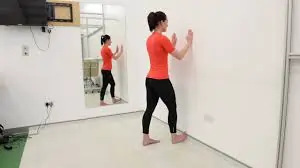
- Put your hands on the wall while facing it. Your unaffected foot should be about one foot away, and your affected foot should be around three feet away, with both heels on the ground. You should bend your unaffected leg at the knee.
- Stretch your calf muscle in your back leg by leaning your hips toward the wall.
- After ten to thirty seconds of holding this stance, let go. Do this one to three times every day.
- To strengthen the calf while in the stretched position, press the affected foot against the wall as though you were attempting to stand up on your toes. Repeat the contraction three to five times after holding it for three to five seconds.
Tennis ball roll:

- Place the ball beneath your afflicted foot while seated in a chair.
- To massage the plantar fascia ligament, roll the ball back and forth beneath your foot’s arch.
- For three to five minutes, keep rolling. This can be done twice a day.
Toe Extension:
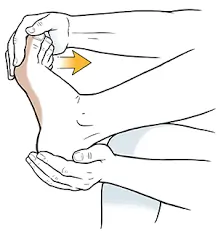
- With your afflicted leg crossed over your unaffected leg, take a seat on the floor or in a chair.
- Bend your ankle and toes as high as you can while holding them with the fingers of one hand. The arch of your foot and your leg should both feel stretched.
- Massage your foot’s arch with your free hand.
- Hold this for ten to thirty seconds, then let go. Do these two to three times a day.
- You can also assist in strengthening the toe-controlling muscles. Pull the toes down while in the stretched posture, using your fingers to prevent the motion.
Plantar fascia stretch on a step:
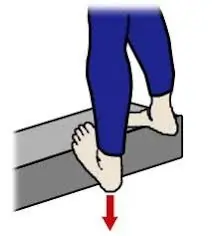
- Keep your unaffected foot flat while standing on a step. To place the ball of your foot on the step’s edge, slide your afflicted foot back.
- Lower the affected foot’s heel toward the ground until your calf and foot arch start to stretch.
- Perform this stretch one to three times a day, holding it for ten to thirty seconds.
Heel Raise:

- Holding onto the railing for balance, stand on the edge of a step and slide back until you are standing on the balls of your feet.
- Raise your heels as high as you can after lowering them below the step.
- After two seconds of holding this position, steadily descend as much as you can.
- Repeat ten to twenty times.
Arch Lifts:

- Place both feet hip-width apart and flat on the ground.
- Raise your foot’s arch as though you were building a dome. Keep your toes flat on the ground. Avoid curling your toes. After two seconds of holding this posture, decrease your arch.
- Perform 10–20 repetitions in two sets.
Marble Pickup:

The foot muscles will extend and flex as you pick up a marble with your toes.
- With your feet flat on the ground and your knees bent, take a seat in a chair.
- Put a few marbles on the ground.
- Curling the toes, pick up one marble at a time.
- Twenty times over, repeat.
Safety Tips:
These workouts are designed to reduce plantar fasciitis discomfort and shouldn’t make it worse. You should stop and consult your doctor or physical therapist if any of the plantar fasciitis exercises are making you feel additional pain or discomfort.
After working out, you can apply ice to your foot to reduce discomfort and inflammation. To make sure you get the maximum pain relief from these stretches, you can also take naproxen or ibuprofen half an hour before working out.
FAQs
How do you stretch the plantar fascia in bed?
While in bed, you can perform the aforementioned toe stretches. This also applies to toe curls. Before you go to bed, scrunch your toes up on a towel, fuzzy carpet, or anything similar while sitting on the edge of your bed.
Can plantar fasciitis go away?
If you continue with your treatment plan, it most likely will. You should receive a timeframe from your physical therapist. Generally speaking, though, if it hasn’t improved after six weeks, see a doctor or podiatrist for a more thorough examination and to talk about the next course of action.
Can you fix plantar fasciitis with exercises?
Typically, plantar fasciitis is a mobility issue that puts stress on the fascia. Prescribed exercises must play a significant role in your treatment strategy, even while additional therapies like massage, ultrasound, heat, cold, and others may help with acute pain.
How do you self-release plantar fasciitis?
As previously said, you can perform myofascial self-release by rolling a tennis ball beneath your foot. Your plantar fascia becomes less tense as a result. Applying excessive pressure can exacerbate your plantar fasciitis and make the pain worse.
Which stretching technique is most effective for plantar fasciitis?
As you sit, take hold of your toes and slowly bring them closer to you until the arch of your foot stretches. Right: As demonstrated, stand with your heel down and your rear leg straight. Stretch your calf by moving your hips forward. Repeat after switching legs.
References:
- Plantar fasciitis exercises – 2025 – McMillen/www.webmd.com/pain-management/plantar-fasciitis-best-exercises-pain-relief
- Best stretches and exercises for plantar fasciitis – 2024 – Villines/www.medicalnewstoday.com/articles/324353#faq
- Best stretches and exercises for plantar fasciitis – 2024 – Villines/www.medicalnewstoday.com/articles/324353