
Top 11 Exercises for Herniated Discs and Sciatica
Herniated disc and sciatica can cause sharp pain, numbness, or tingling that radiates from the lower back down to the legs. These symptoms often stem from pressure on the sciatic nerve or spinal nerves due to disc bulging or inflammation.
Fortunately, physiotherapy exercises can help relieve pain by strengthening supporting muscles, reducing pressure, and increasing mobility.
These 11 incredibly powerful exercises were created especially to relieve sciatica and herniated discs:
Ankle to Toe Movement
Lay on your back in a comfortable position. Repeatedly move your toes gently upward (toward your body) and downward (away from your body).
Advantage:

This easy exercise improves blood flow, lessens swelling in the ankles and feet, and keeps the lower limbs from becoming stiff. It’s especially beneficial if you’re bedridden or have restricted mobility.
Straight Leg Raises (SLRs)
How to:
Keep one leg straight while bending the other while lying on your back. Gently lower the straight leg after slowly raising it to a 45-degree angle without bending the knee.

Advantage:
SLR provides strength without putting strain on the spinal discs by strengthening the quadriceps and supporting the lower spine.
Knee to Chest Stretch
How to:
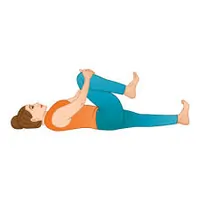
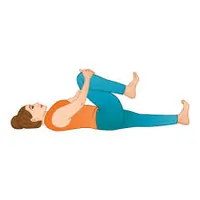
Rest on your back. Raise one knee gently to your chest with your hands. After holding for 15 to 30 seconds, switch legs.
Benefit: By decompressing the sciatic nerve and releasing tension in the lower back, this stretch offers immediate relief from pain that radiates.
Bridging Exercise
How to:

While lying on your back, maintain flat feet and bend your knees. In order to make your body form a straight line from shoulders to knees, engage your core and lift your hips upward. Return slowly after holding for a few seconds.
Advantage:
Promotes spinal stability and decreases mechanical stress on the spine by fortifying the glutes, hamstrings, and core.
Cobra Pose (Bhujangasana)
How to:
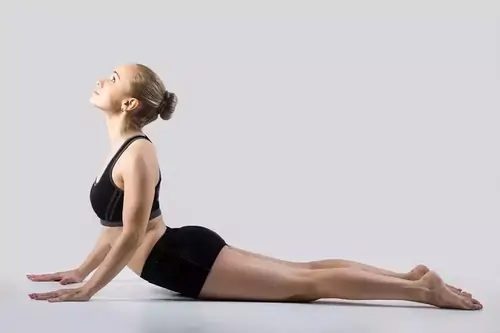
With your hands beneath your shoulders, slowly raise your upper body off the floor while maintaining a grounded pelvis while lying face down.
Hold for 5–10 sec.
Then let go.
Advantage:
In addition to lowering disc pressure and promoting the herniated disc material to migrate away from nerve roots, cobra pose centralizes sciatic pain.
Prone Hip Extension
How to:

- Tighten your glutes and raise one straight leg just a little bit off the floor while you’re face down. Hold.
- Then Relax.
- Also, do with the other leg.
Advantage:
Supports improved posture and spinal health by activating gluteal muscles and lumbar alignment.
Superman Pose
How to:
Lie face down and simultaneously raise both arms and legs off the floor. Hold for five seconds, then slowly come back.

Benefit:
Enhances postural control and lowers the chance of recurrent back problems by strengthening the shoulders, glutes, and erector spinae.
Bird Dog Exercise
How to:

Get down on your hands and knees. At the same time, extend your left leg backward and your right arm forward. Switch sides, hold, and go back to the beginning.
Advantage:
Enhances spinal stability, core strength, and coordination, making it a safe and efficient exercise for people with sciatica.
Cat-Cow Stretch
How to:

While on all fours, look up slightly and slowly dip your back downward in cow pose after arching it upward in cat pose.
Advantage:
Reduces back stiffness, relieves mild nerve compression, and increases spinal flexibility.
Piriformis Stretching
How to:
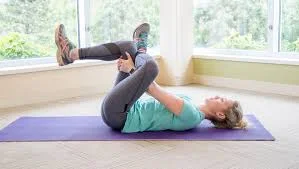
In a supine position, cross one ankle over the other knee. Until you feel a stretch in your buttocks, pull the uncrossed thigh toward your chest.
Advantage:
Relieves sciatic nerve compression brought on by tight muscles by targeting the piriformis muscle.
Stretching the Hamstrings with a Theraband (Supine)
How to:

Loop a theraband around your foot while you’re on your back. Hold your leg straight and pull it slowly toward you to feel your hamstrings stretch.
Advantage:
Relaxes tense hamstrings, which pull on the spine and pelvis and frequently cause sciatica and lower back pain.
11 Best Exercises for Herniated Disc & Sciatica Pain Relief Video
Last Words of Advice:
Take your time with these exercises and stop if you experience severe pain.
Do them every day or as instructed by a physiotherapist; consistency is essential.
Throughout the day, drink plenty of water and keep your posture straight.
It is best to combine these exercises with professionally supervised guided physical therapy for long-term relief.
Note: Before starting a new exercise program, always get advice from a physiotherapist or other healthcare professional, particularly if you have a herniated disc or severe sciatica symptoms.