Top Exercise for Urinary Incontinence
Introduction
Urinary incontinence is the involuntary leakage of urine, which can affect people of all ages and impact daily activities and confidence. Pelvic floor exercises, commonly known as Kegel exercises, are one of the most effective non-surgical treatments for improving bladder control.
These exercises strengthen the muscles that support the bladder, urethra, and pelvic organs, helping to reduce leakage and improve urinary function. With regular practice and proper technique, urinary incontinence exercises can enhance pelvic floor strength, promote better bladder health, and improve overall quality of life.
What Causes Urinary Incontinence?
Numerous reasons can lead to urinary incontinence. Certain meals and beverages, such as coffee, alcohol, and chili peppers, may be the reason. Drugs that relax the bladder, like sedatives and muscle relaxants, may be the cause. Additionally, it is a sign of underlying illnesses such as prostate cancer, constipation, and urinary tract infections (UTIs).
Urinary incontinence has a number of risk factors in addition to these possible causes. Among these risk factors are:
- Gender: Women are at greater risk.
- Age: This disorder is more common in older persons.
- Being obese or overweight raises your risk.
- Smoking status: Smokers are at greater risk.
- Family history of urinary incontinence is more common in people with a family history of the illness.
- Diseases: Urinary incontinence may be more likely in people with diabetes and certain neurological conditions.
What is a Kegel exercise?
Your pelvic floor muscles can be strengthened using Kegel exercises, commonly known as pelvic floor exercises. Your bladder, bowel, and vagina are among the organs in your pelvis that are supported by your pelvic floor muscles. Your pelvic floor muscles help you urinate, defecate, and have sex in addition to holding your organs in place. Kegel exercises strengthen your pelvic floor muscles by tightening and then releasing them.
Kegel exercises can assist with problems like:
- Leaking urine is known as urinary incontinence.
- An immediate need to urinate is known as urge incontinence.
- Poop leakage is known as fecal incontinence.
- Sagging or protruding pelvic organs into your vagina is known as pelvic organ prolapse.
- Additionally, Kegel exercises might enhance your orgasms and sexual wellness. Kegel exercises are beneficial for everyone.
What do Kegel exercises actually do?
Kegel exercises assist in maintaining the “fitness” of your pelvic floor muscles. Kegel exercises help maintain the strength of your pelvic floor muscles, much as lifting weights can build other muscles in your body. Kegel exercises can help you avoid weakening your pelvic muscles and improve your control over your intestines and bladder.
You may unintentionally discharge gas or leak urine and feces due to weak pelvic floor muscles. As you age or as a result of pregnancy, childbirth, or surgery, your pelvic floor muscles may weaken.
Who needs to do Kegels?
Your pelvic floor muscles may weaken and become less supportive of your pelvic organs as a result of anything that stresses them. Your pelvic floor muscles may become weak due to certain medical problems or life circumstances. Among these circumstances and occurrences are:
- Pregnancy.
- Childbirth, including a C-section.
- Having obesity (a body mass index, or BMI, greater than 30) or being overweight (a BMI greater than 25).
- Surgery in your pelvic area.
- Aging. The muscles of your pelvic floor, as well as muscles in your rectum and anus, naturally weaken with age.
- Excessive straining while pooping (constipation) or chronic coughing.
- Exercises (especially jumping, running, and lifting heavy weights).
How do I find my pelvic floor muscles?
Try stopping the flow of urine while seated on the toilet to identify your pelvic floor muscles. Do this only until you get the hang of it; otherwise, stopping and starting could result in infection. You may also see yourself attempting to stop yourself from passing gas.
Another option is to put a finger inside your vagina and squeeze the muscles there. Your finger should feel compressed. The muscles you strengthen during Kegel exercises are the same ones you feel “lifting” inside of you when you undertake these activities.
It could be useful to visualize your pelvic floor as a game of claw vending machines that you may have played as a kid. A metal claw opens up and descends in a claw machine game. It opens, gathers a ball, toy, or piece of candy, and then shuts. The claw remains closed and returns to its initial position once it has closed around the treasure you have. The claw’s closing and upward drawing motion is almost exactly like that of a Kegel.
How do I perform Kegel exercises?
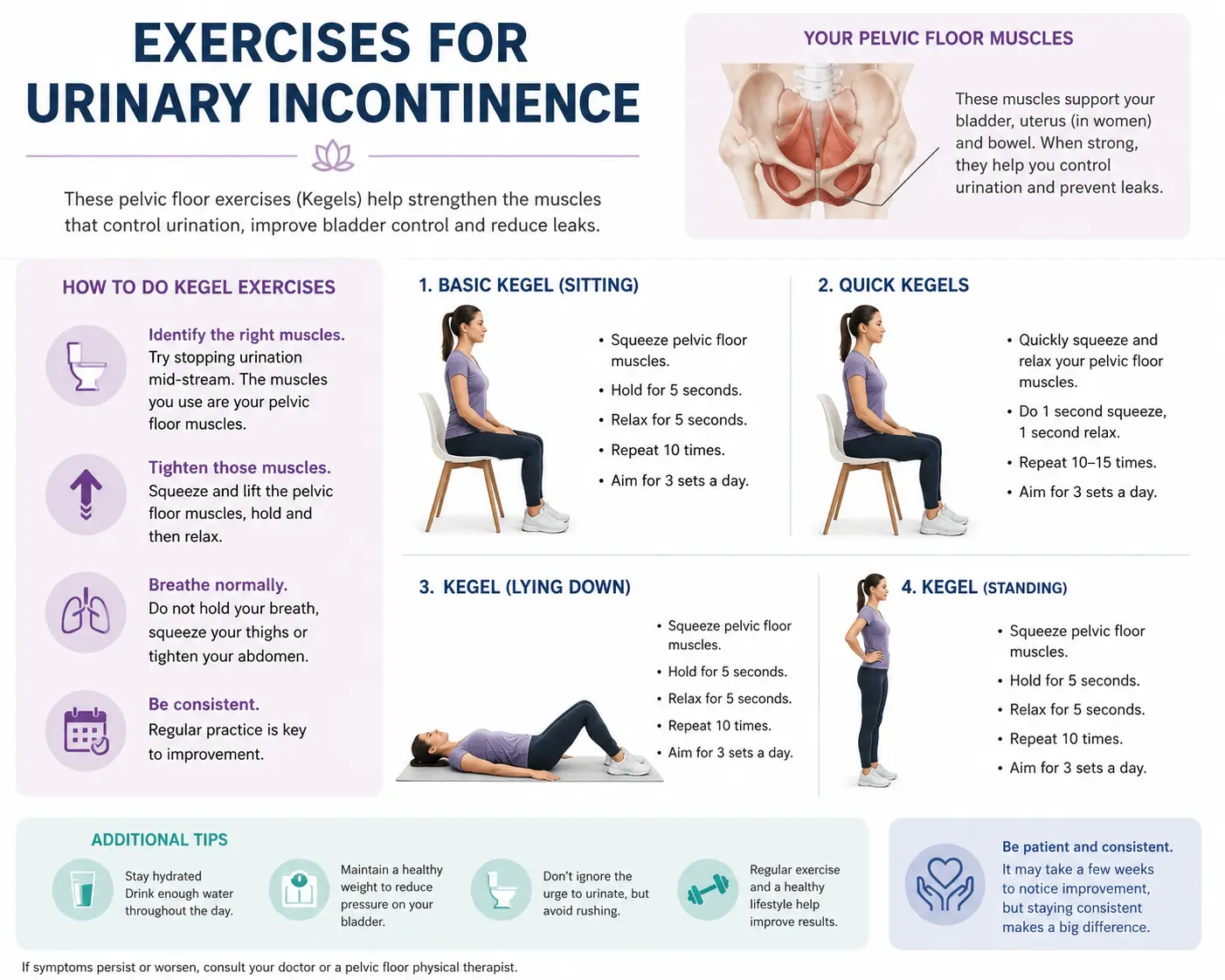
Kegel exercises involve elevating, holding, and then relaxing your pelvic floor muscles. Begin by performing a few Kegel exercises at a time, then progressively increase the duration and quantity of Kegel exercises you perform in each “session” (or set). These exercises should be done at least twice or three times a day.
Exercise for Urinary Incontinence
Kegel Exercises
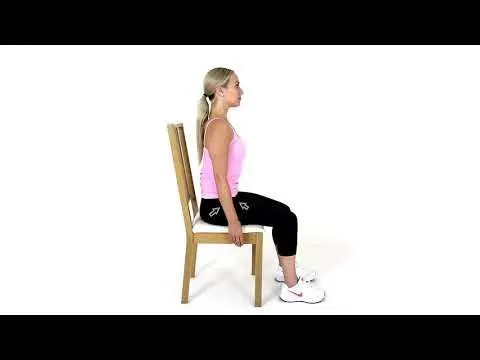
Both men and women who have a lack of bladder control can benefit from Kegel exercises. Kegel exercises can help you heal faster from prostate surgery or delivery, in addition to improving urine incontinence.
- Focus on identifying the urination muscles.
- As much as you can, tighten those muscles.
- For five seconds at a time, maintain this posture.
- After a few seconds of rest, repeat.
- You should be able to tighten and hold these muscles for extended periods of time after performing Kegel exercises for a while. Your ability to stop bladder leaks will progressively improve over time.
Squats
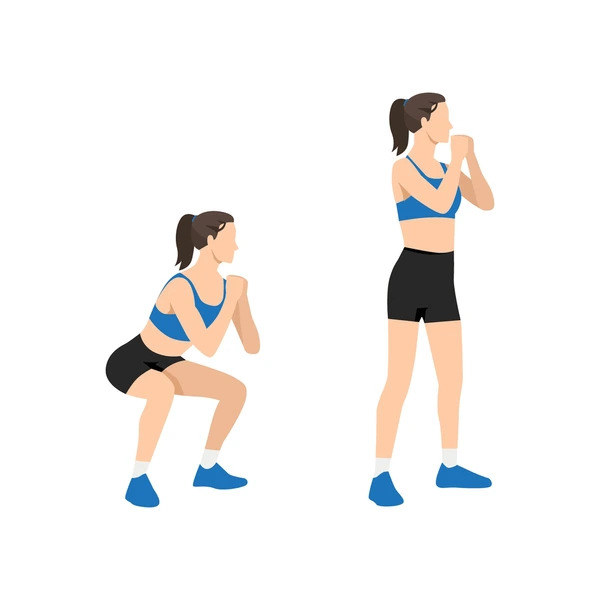
Squats can strengthen your hips, calves, hamstrings, and obliques in addition to helping with urine incontinence. They can help you reduce extra pounds and burn a lot of calories.
The steps to perform squats are as follows:
- Get up and put your feet level on the ground.
- Place your feet hip-width apart.
- With your buttocks toward the floor, softly bend your knees. Maintain a straight back while slightly bending forward. Verify that your knees and toes are in alignment.
- Slowly get back up on your feet. Your pelvic floor and buttocks should be firm.
- Do ten more repetitions after taking a quick break.
- Gradually increase the number of squats you perform at once over time.
When performing squats, proper form is crucial. You might have knee pain if your form is incorrect. Watch a video of a fitness expert performing squats if you need assistance, or ask a member of your gym staff for assistance.
Bridges

Both your pelvic floor muscles and your glutes can be strengthened using bridges. Additionally, they can strengthen your core, tighten your buttocks, and lessen back pain.
The steps to build bridges are as follows:
- On the ground, lie down.
- With your arms at your sides and your feet flat on the ground, bend your knees.
- Lift your buttocks a few inches off the ground after tightening your pelvic and buttocks muscles.
- For five to ten seconds, maintain this posture.
- After letting your pelvic floor and buttocks muscles relax, carefully return your buttocks to the floor.
- After a brief rest, repeat 10 times.
- As the days pass, strive to complete more bridges in each set.
Jumping Rope

When engaging in any activity that requires jumping, some people develop stress incontinence, a form of urine incontinence. Stress incontinence can also result from coughing, sneezing, and laughing.
Jumping rope can help with urine incontinence and strengthen your pelvic floor over time. It’s quite common to have minor leakage during the first few days or weeks of jumping rope. Just remember that you might be able to halt bladder leaking faster if you jump rope more frequently.
An excellent aerobic exercise is jumping rope. It can help you lose extra pounds and expand your lungs. Additionally, it enhances heart health, balance, and coordination. In order to lower the danger of osteoporosis, it can even strengthen your bones.
Incorporate a few minutes of jump rope training into your current fitness schedule, or search online for fresh, entertaining jump rope workout ideas. Doing two minutes of jump rope in between each workout is a simple method to include jump rope in your strength-training program. For instance, perform ten pushups after two minutes of jump rope. Next, jump rope for an additional two minutes, then perform ten squats, and so on.
Squeeze and Release
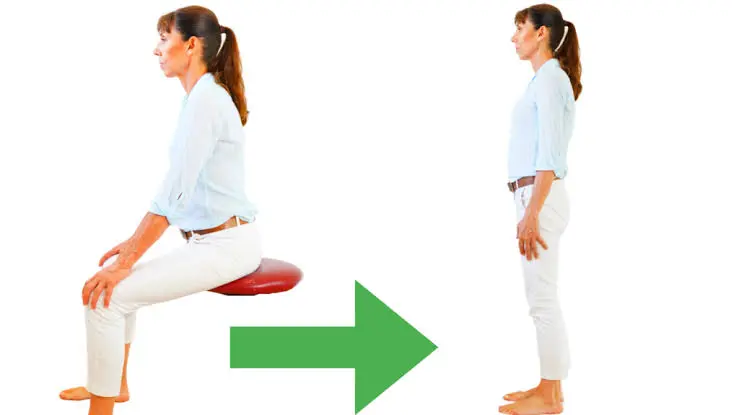
Kegel exercises and the “squeeze and release” exercise are very similar. The main difference is that you squeeze the muscles quickly rather than holding them for an extended period of time.
To perform the squeeze and release, follow these steps:
- Concentrate on the muscles you use to urinate while sitting or standing.
- As fast as you can, squeeze those muscles, then release them without holding them.
- After five to ten seconds of rest, repeat ten to twenty times.
- At least three times a day, perform the squeeze and release exercise. Because it may be done anywhere and at any time, this practice is very practical.
Other Ways To Improve Urinary Incontinence
Urinary incontinence can be improved in several ways, including through exercise. You can also try the following to help relieve your symptoms and prevent leaks:
Eating Healthy Foods
Foods heavy in sugar and fried foods may at times make you feel sick to your stomach and make you go to the bathroom. Additionally, these foods can occasionally cause bowel or bladder leaks. Increase your intake of foods high in fiber if you experience this. Fiber-rich foods might increase the volume of your stool and lessen the likelihood of mishaps. Whole grains, fruits, and veggies may help alleviate your discomfort.
Regular Exercise
Urinary incontinence can be improved by any kind of exercise, but the exercises in this article concentrate on strengthening the pelvic floor to lessen leakage. To strengthen more muscle groups and eliminate extra weight, try to work out most days of the week. Exercises that are fun and can help you get well include walking, swimming, biking, and yoga.
Strengthen Your Bladder
Delay bathroom visits by at least one minute at first, and as the days pass, progressively extend that period. By training your bladder to retain urine, you may be able to avoid future leaks and mistakes. If you feel pain in your bladder, stop holding your urine. You run a higher chance of getting a UTI if you hold your urine for an extended period of time.
10 ways to stop leaks
Perform pelvic floor exercises every day.
Exercises for the pelvic floor can help minimize leakage. It’s crucial to perform them correctly and incorporate both long and short squeezes.
If you try to visualize stopping yourself from farting and urinating, you will be able to feel your pelvic floor muscles.
To perform exercises for the pelvic floor:
- Try not to draw your stomach in as you rapidly contract your pelvic floor muscles.
- Squeeze for two seconds.
- Let your muscles relax.
- Ten times over, repeat.
- When performing pelvic floor exercises, breathe normally and unwind. With each squeeze, try to progressively extend the hold to ten seconds.
It can take several months to see any results from pelvic floor workouts.
Stop smoking
Smoking increases your risk of incontinence because coughing strains the muscles in your pelvic floor.
Learn more about quitting smoking.
Perform the appropriate exercises.
Sit-ups and high-impact exercises strain your pelvic floor muscles, which can exacerbate leakage.
Replace high-impact exercises like jogging and aerobics with strengthening exercises like pilates to strengthen your pelvic floor and alleviate discomfort.
Pilates helps with stress incontinence by strengthening your core muscles.
Avoid lifting
Avoid lifting whenever you can because it strains your pelvic floor muscles.
Tighten your pelvic floor muscles both before and during any lifting tasks, such as scooping up kids or shopping bags.
Lose excess weight
Because fatty tissue presses on your bladder, being overweight can weaken your pelvic floor muscles and result in incontinence.
If you lose any extra weight, your symptoms might become better and possibly go entirely.
To see whether your weight is appropriate for your height, use the healthy weight calculator.
Learn more about controlling your weight.
Reduce your caffeine intake.
Caffeine may worsen incontinence by irritating the bladder.
Coffee has the greatest impact, so cut back on your intake or use decaffeinated coffee instead.
Reduce your intake of fizzy drinks, tea, green tea, energy drinks, and hot chocolate as well. Instead, switch to water and herbal or fruit teas.
Drink plenty of water.
Unless your doctor tells you otherwise, limit your daily fluid intake to 6 to 8 glasses.
Drinking fluids is avoided by many people with urine incontinence because they believe it worsens their condition. However, restricting your fluid intake decreases the capacity of your bladder, which worsens incontinence.
Constipation can also be brought on by or made worse by dehydration.
Learn more about drinks, water, and your health.
Eat the right foods
Curries and citrus fruits are examples of foods that should be avoided since they might irritate the bladder and worsen leaks and other incontinence symptoms.
Complications Of Urinary Incontinence
One of the more dangerous side effects of urine incontinence is a UTI. You may experience multiple UTIs in a short amount of time due to incontinence. If left untreated, UTIs can result in more severe health issues like sepsis, a constricted urethra (in men), renal damage, and infection.
Reduced quality of life and skin issues are additional consequences of urine incontinence.
Regularly having moist skin due to incontinence can result in rashes, pimples, sores, and skin infections. This may need specific skin treatments and might be extremely uncomfortable.
In terms of your quality of life, incontinence might lead to humiliating situations. It might have an impact on your personal connections as well as your social and professional lives. Additionally, you might need to carry an additional change of clothes or wear incontinence briefs (diapers) all the time.
When To See a Doctor
If your quality of life is being negatively impacted by urine incontinence or if it is occurring more frequently, schedule an appointment with your physician. Your physician can examine your medical history, discuss your symptoms with you, and assist you in determining the underlying cause of this illness.
Your doctor will frequently advise you to perform pelvic floor strengthening exercises like the ones shown above. Medication to reduce an overactive bladder may also be prescribed by your doctor. Your doctor might talk to you about electrical stimulation and surgery if your incontinence is more severe.
How do you know if you are doing Kegels correctly?
Kegel exercises shouldn’t be painful. After performing Kegel exercises, you’re most likely holding your breath or clenching the wrong muscles if your head, lower back, or stomach pain.
You can be performing Kegel exercises incorrectly if you have difficulty locating your pelvic floor muscles or feel pain and discomfort. Seeking assistance from a healthcare provider could be beneficial.
Your symptoms should progressively get better over a few weeks if you’re performing Kegel exercises appropriately. You might discover, for instance, that you don’t urinate as frequently.
How do I know if my pelvic floor is strong?
Strong pelvic floors can be indicated by:
- None or very few “accidents.”
- Not feeling a frequent urge to pee or poop.
- Feeling like you’re in control of your bowels and bladder.
- You’re able to perform Kegels easily.
How hard should I squeeze for Kegels?
The Kegel exercises can be performed while sitting, standing, or lying down. You might wish to start by performing them while lying down if your pelvic muscles are weak.
Is it better to do Kegels sitting or standing?
When starting, only do the number of Kegel exercises that are fairly easy for you to do. For instance, perform five Kegel exercises twice a day for three seconds each. As your strength and stamina improve, gradually raise these figures. Your goal should be to hold your Kegel exercises for five seconds, followed by five seconds of muscular relaxation. At least two or three times a day, repeat this up to ten times.
What’s the best Kegel exercise?
Actually, there isn’t a “best” Kegel exercise. When done correctly, all Kegel exercises are useful. Kegel exercises can be done while sitting, standing, or lying down. Select the option that most suits your comfort level. You should concentrate on raising and squeezing in every position, as if you were using your pelvic floor to take something up.
Why am I having trouble doing Kegel exercises?
A healthcare professional may recommend biofeedback training and electric stimulation of your pelvic floor muscles if you struggle with Kegel exercises.
A medical professional puts a probe into your vagina during biofeedback. You are asked to do a Kegel exercise by your provider. A monitor indicates whether the right muscles are being squeezed.
The sensation of a Kegel exercise is replicated using electrical stimulation. Your healthcare professional applies a tiny electric current to your pelvic floor muscles during electrical stimulation. Your muscles then squeeze in response to the electricity.
If you’re having trouble performing Kegel exercises or are unsure if you’re engaging the correct muscles, don’t be scared to get in touch with a medical professional. They are there to assist you.
FAQs
Can incontinence be reversed with exercise?
These muscles can be strengthened using Kegel exercises. To strengthen the muscles that aid in controlling urine, your doctor could advise you to perform these exercises on a regular basis. These methods, commonly referred to as Kegel exercises, can help with urge incontinence but are particularly useful for stress incontinence.
How can I strengthen my bladder to hold pee?
Kegel exercises, another name for pelvic floor exercises, should be performed. For three seconds, contract the pelvic floor muscles as if you were trying to stop the flow of urine. After three counts of relaxation, repeat numerous times. Perform these exercises three or four times a day.
What is the 4 3 2 method for Kegel exercises?
The 4-3-2 method is a simplified version of the Kegel method. It is designed to make training your pelvic floor easy to remember and do, without having to count seconds all the time. Originally developed to help men regain bladder control following prostate surgery, it’s an effective tracking method for anyone.
How the Method Operates
The name refers to the way in which you divide your daily sets and how you time each contraction:
4 Sets: Do four sets of exercises each day. You can easily space these out by taking two in the morning and two at night.
3 Contractions: Each set of three individual pelvic floor squeezes.
2 Breaths: Use natural breathing to time your squeezes, rather than counting. Hold the contraction for the length of two breaths, and then rest by relaxing the muscles for two breaths.
Why This Method Works
Eliminates counting: Counting seconds can cause mental fatigue and reduce compliance. Effortless timing is achieved by using your breath.
Reduces cognitive load: Small numbers prevent people from over-exerting or using the wrong muscles (like the glutes or core).
Built-in rests: Each squeeze requires a two-breath rest, allowing the muscles to fully relax before the next effort and building strength safely.
What are the 4 types of incontinence?
There are four main types of urinary incontinence: stress, urge, overflow, and functional incontinence. Many people also suffer from mixed incontinence, which is when you have two or more types of incontinence (most commonly stress and urge).
1. Stress urinary incontinence
This occurs when physical movement or activity puts pressure on your bladder, causing urine to leak.
They can be triggered by coughing, sneezing, laughing, lifting heavy objects,s or exercising.
Cause: Poorly developed pelvic floor muscles or damaged urethral sphincter.
2. Stress Incontinence of Urine
This is often called an “overactive bladder,” which is a sudden, strong urge to urinate that is difficult to control.
Cause: Involuntary contractions of the bladder muscle. This can be caused by conditions such as nerve damage, urinary tract infections (UTIs), Is) or neurological disorders.
3. Stress Incontinence
This can occur if your bladder does not empty fully, becoming overfull and leaking urine.
Triggers: Frequent dribbling or leaking all the time without feeling a strong urge.
Cause: Urine flow is blocked, or bladder muscles are weak. Common causes include an enlarged prostate ( BPH ) in men or nerve damage due to diabetes.
4. Functional Incontinence
This kind of leakage happens when your urinary system works as it should, but physical or mental disabilities make it hard for you to get to a toilet in time.
Triggers: Difficulty using a mobility aid or cognitive decline causing leaks.
Reason: Physical conditions such as severe arthritis or cognitive conditions such as dementia.
What is the 20-second bladder rule?
The 220-second bladder rule states that it takes a normal human being approximately 20 to 21 seconds to empty their bladder at a normal, relaxed rate. It’s based on a study by Georgia Tech researchers who found this time frame was a universal constant for nearly all mammals over 6 pounds.
References
- Cho, S. T., & Kim, K. H. (2021). Pelvic floor muscle exercise and training for coping with urinary incontinence. Journal of Exercise Rehabilitation, 17(6), 379–387. https://doi.org/10.12965/jer.2142666.333
- Professional, C. C. M. (2025, December 8). Kegel exercises. Cleveland Clinic. https://my.clevelandclinic.org/health/articles/14611-kegel-exercises
- Pelvic floor muscle training exercises: MedlinePlus Medical Encyclopedia. (n.d.). https://medlineplus.gov/ency/article/003975.htm
- Staff, L. (2022, November 17). 5 exercises that can improve urinary incontinence. Lompoc Valley Medical Center. https://www.lompocvmc.com/blogs/2022/november/5-exercises-that-can-improve-urinary-incontinenc/
- Website, N. (2025, November 3). 10 ways to stop leaks. nhs.uk. https://www.nhs.uk/conditions/urinary-incontinence/10-ways-to-stop-leaks/