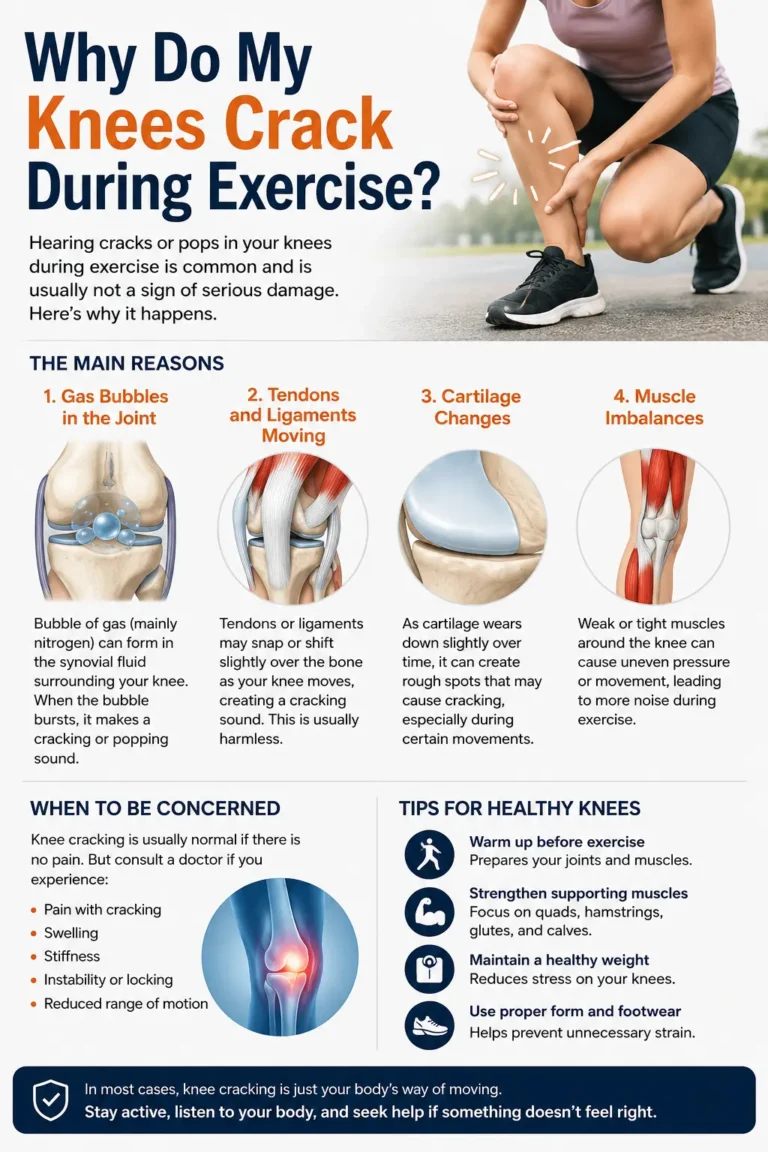

Bent Over Row Exercise
What is the Bent Over Row Exercise?
The bent-over row is one of the most well-liked back workouts. It’s an old-fashioned, iron-pumping workout that will give you greater back bulk and the power to lift heavier than you have in the past.
To reduce the danger of damage, bent-over rows require proper form. Initially, it might be challenging to maintain good form. Bent over rows do have some advantages, though, such as improved posture and trunk stability, which will eventually reduce your chance of injury even more.
Although a barbell is often used for bent-over rows, many other resistance equipment, including bands, dumbbells, and machines, can also be used. Furthermore, strengthening the back’s pulling muscles aids in resolving muscular imbalances brought on by the overdevelopment of the upper body’s pushing muscles.
Muscle Work During Bent-Over Row Exercise:
- Lattisimus Dorsi Muscle
- Middle and Lower Trapezius Muscles
- Rhomboid Muscles
- Posterior Deltoid Muscle
How to Perform?
- Place your feet shoulder-width apart and stand behind a barbell.
- Maintain a straight back and slightly bent knees while bending at the hips. To assist you in positioning yourself for lifting the barbell, try sitting back a little bit and shifting your tailbone behind your feet. At a 45-degree angle or less, your body should be leaned forward.
- Maintain a pronated forearm position, with your palms towards your shins, and grasp the bar slightly wider than shoulder width.
- Pull your elbows up behind you to bring the bar to your abs while tightening your core and glutes. Maintaining a straight back, push your shoulder blades together and continue to drag your elbows behind you.
- With your arms outstretched and the barbell plates slightly raised off the floor, slowly return to the beginning position after holding for one second.
- Do this six to twelve times to finish three sets.
Benefits:
- Enhanced Muscle Mass: Being a complex exercise, the bent-over row works several different muscular groups. Muscle growth will happen during traditional resistance training if it is designed to incorporate progressive loading.
- Increased Density of Bone: Increasing bone density is crucial for safeguarding our long-term health, even if it might not be the most thrilling advantage to rank first on your list.
- Including the bent-over row in a training program may help reduce or relieve chronic lower back pain since it improves the back’s multifidus and the muscles.
- Additionally, strengthening the posterior chain muscles can enhance sports performance, avoid injuries, improve posture, and fortify explosive actions.
Variations:
Reverse grip bent over row
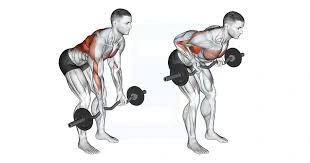
Except for supinating your forearms so that your palms face your face, this variation requires the identical posture as the classic bent-over row. The biceps muscles will be somewhat more worked with this grip than with the conventional bent-over row.
Dumbbell bent over row
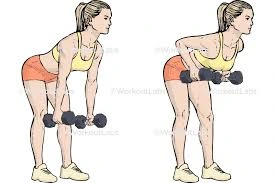
- In this variant, a barbell is swapped out for dumbbells or kettlebells. This enables you to execute the exercise with a pronated, supinated, or neutral grip and change the posture of your hands.
- Additionally, you can change your grip during the exercise, going from a pronated starting position to a supinated ending position.
- A resistance band fastened beneath the feet can also be used for the dumbbell row.
Single-arm supported bent-over row

- If you can’t stand the conventional or any other unsupported bending over row, this variant is superior. For instance, you might want to attempt this version if your back problems prevent you from doing the bent-over row.
- Place your right hand and knee on a flat bench to perform. To manoeuvre, place the left foot flat on the ground and use the left hand to reach down and grasp the weight.
Incline bench supported row

- This is another good variation on the traditional bent-over row if you have back pain issues. It is best performed with dumbbells.
- Place your chest and abdomen on an inclined bench to begin. Knees should be placed on the bench seat or feet on the front base of the bar. Pull the dumbbells up toward your torso.
- To avoid slamming the dumbbells on the bench, you might need to change your forearm posture to a neutral grip.
Tips to Remember:
- Try several head positions to find whatever suits you best: packing the neck or facing ahead.
- As you draw the bar into your body, maintain some tone in your abdominals to prevent your spine from arching too far.
- Control the bar throughout the duration of each repetition rather than letting momentum determine the movement.
- As you pull, avoid letting the head protrude forward.
- In the same way, make sure the shoulder blade slides across the ribs. Simply go through the glenohumeral joint without locking the shoulder blade down.
Conclusion:
In addition to strengthening the back muscles, the bent-over row improves hip and trunk stability. Try the incline bench row or the supported one-arm dumbbell row instead, though, if you have back problems or find it difficult to maintain a straight back throughout this exercise.
Use a modest weight at first, work gently, and keep proper form throughout the workout. For improved posture, increased back strength, and fewer injuries, try including the bent-over row in your strength training regimen.
FAQs
What muscles do the bent-over row work?
The bent-over row primarily works the rhomboids, posterior deltoids, middle and lower trapezius, and latissimus dorsi, the large wing-like muscles in your back. These are the main forces behind the exercise’s movement.
Is the bent-over row a good workout?
Any strength training program should include bent-over rows since they are a very efficient and adaptable exercise. This complex activity has several functional and physical advantages by strengthening many muscle groups, improving posture, strengthening the core, and developing functional strength.
If you perform bent-over rows every day, what would happen?
By strengthening the muscles surrounding your shoulder blades and spine, a bent-over row can help you maintain better posture and increase the support that your neck receives. It’s a fantastic method to offset the time you may otherwise spend reading, looking at your phone, or commuting to work.
Do bent-over rows burn fat?
Bent-Over Rows are a great workout for burning fat and building a strong upper body since they work the shoulders, biceps, and back. Compound exercises, like as rows, use many muscle groups, increasing your heart rate and burning more calories.
What exercise is better than bent-over rows?
Landmine Row at T Bar
You may do a landmine row with a greater range of motion and be considerably more upright than in a bent-over barbell row because of the barbell’s special arced motion.
Are bent-over rows good for legs?
In addition to your biceps, the bent-over row workout works your shoulders, forearms, legs, and core. During the exercise, your lower back and abdominal muscles contract to stabilise, or hold your body in position.
How can you determine whether you’re performing bent-over rows correctly?
At a 45-degree angle or less, your body should be leaned forward. Maintain a pronated forearm position, with your palms towards your shins, and grasp the bar slightly wider than shoulder width. Pull your elbows up behind you to bring the bar to your abs while tightening your core and glutes.
References:
- Evans, M., & Neudecker, K. (2025, January 6). How to do the Bent-Over row for massive back and bicep gains. Men’s Health. https://www.menshealth.com/uk/building-muscle/a757301/how-to-master-the-bent-over-row/
- Mpt, T. E. P. (2022, April 12). Master the bent over row: good form and variations. Healthline. https://www.healthline.com/health/fitness/bent-over-row#bottom-line