Top Exercises To Correct Turtle Neck Syndrome
Introduction
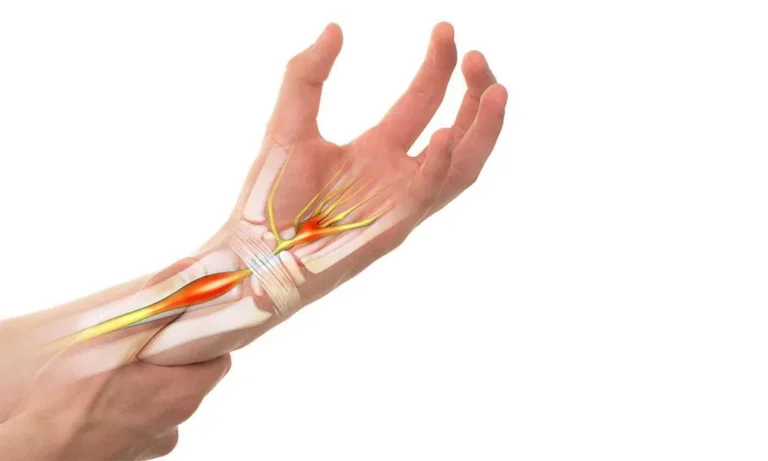
Turtle Neck Syndrome, sometimes referred to as “Text Neck,” is a modern phenomenon in which extended usage of electronic devices, such as computers or smartphones, causes neck pain and strain.
This disease develops as a result of prolonged forward head posture while using such devices, which puts strain on the spine and neck muscles. People who spend a lot of time in front of computers may experience text neck, which manifests as headaches, neck pain, stiffness, and reduced neck movement.
Causes of Turtle Neck Syndrome
This condition has multiple causes. Turtle Neck Syndrome is caused by prolonged electronic device use, bad posture, repetitive motions, and excessive screen time.
Harm to the neck muscles at birth
Poor postural patterns may result from imbalances in muscular strength or mobility caused by birth-related neck muscle injuries. When combined with excessive screen time, those factors can eventually worsen neck strain and discomfort, which can lead to Turtle Neck Syndrome in people who are already at risk.
Uncomfortable sleeping position
The neck muscles are strained when you sleep in an uncomfortable position, which causes tension and stiffness. Turtle Neck Syndrome is worsened by consistently bad sleeping posture. Adopting uncomfortable sleeping postures on a regular basis puts excessive tension on the neck, which worsens the strain from extended screen time and eventually affects neck health.
Spasm of the neck muscles
Due to prolonged muscle tension and discomfort, a neck muscle spasm that causes rapid pain and limited movement may lead to neck strain and stiffness, which is consistent with the symptoms of Turtle Neck Syndrome. These spasms are frequently caused by poor posture or overuse.
Symptoms of Turtle Neck Syndrome
Turtle Neck Syndrome can be detected early and treated appropriately by keeping a watch out for its signs. These are a few typical signs of the same condition.
Stiffness
One of the most common symptoms of Turtle Neck Syndrome is stiffness, which is caused by a prolonged forward head posture that causes muscle tension and decreased neck flexibility. This results in a feeling of tightness and pain, which is frequently accompanied by trouble moving the neck freely.
Pain
One of the most common symptoms of Turtle Neck Syndrome is pain, which is caused by stretched neck muscles from extended computer time or bad posture. This results in shoulder and neck pain or discomfort. Headaches frequently go with it, which makes everyday activities and general comfort even more difficult.
Headaches
Turtle Neck Syndrome often results in tension-type headaches because of strained neck muscles and bad posture. These headaches can be caused by prolonged forward head posture or tense muscles, which can worsen the discomfort associated with the illness by creating dull, chronic pain around the temples or base of the skull.
Weakness of Muscles
Due to continuous strain on the neck muscles, Turtle Neck Syndrome can cause muscular weakening, which lowers strength and endurance. Continuously bad posture or muscular imbalances may be a factor, resulting in reduced muscle performance, affecting neck-supporting functions, and causing discomfort and restricted mobility.
Turtle Neck Syndrome Diagnosis
A comprehensive evaluation of the patient’s medical history and a physical examination that evaluates posture, neck mobility, and muscle soreness are necessary for the diagnosis of Turtle Neck Syndrome. Clinical evaluation guides appropriate treatment strategies for patients with comparable symptoms and helps in the validation of the illness.
Medical Examinations
Physical examinations that evaluate posture, neck mobility, and soreness are part of medical testing for Turtle Neck Syndrome. To evaluate structural alterations and help confirm the diagnosis, imaging techniques such as MRI scans or X-rays may be used.
Self-Evaluation Techniques
People can analyze the presence of symptoms like neck discomfort or stiffness, as well as their habits, such as screen time. Monitoring discomfort levels and figuring out what’s making symptoms worse helps with self-evaluation and treatment.
Turtle Neck Syndrome Exercises
Chin Tucks Exercise
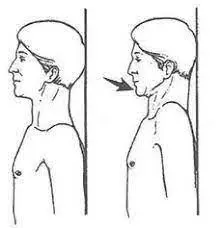
You can perform chin tucks while sitting or standing, literally anyplace. It strengthens the muscles in your neck.
- Maintain a straight head and a chin that is parallel to the ground.
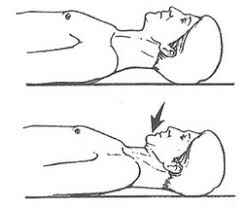
- Make a double chin by pulling your chin back toward your chest.
- Move the rear of your head away from the base of your neck while keeping your chin tucked in.
- Take three deep breaths while maintaining this position.
Repeat with your chin in its typical posture.
Neck Flexion (Suboccipital Stretch)

- Starting Position: Sit or stand straight up with your shoulders down and back and relaxed.
- The Movement: Think of a “double-chin” and lower your chin to your chest. Don’t overdo the stretch; let the weight of your head do the work.
- Hold for 20 to 30 seconds. Assisted Variation:
- For a slightly more intense stretch, place your hands behind your head and apply very light pressure.
Arm Stretch

A static stretch that primarily targets the chest muscles is the wall pectoral stretch. To stretch the pectoral muscles, place your elbow and forearm against the wall and slowly turn your body away. It works well for avoiding muscle tension, improving posture, and increasing chest flexibility—especially after upper-body exercises.
- Standing straight and perpendicular to it.
- Reach your hand to the wall.
- Press your palm against the wall with your fingers pointing backward.
- Rotate your torso away from the wall and take a step forward with your inside leg until your left pectoral muscle feels comfortable.
After 15 to 30 seconds of holding the stretch, switch to the other side.
Thoracic Spine Foam Rolling

This enhances T-Spine movement and breaks down any facial limitations.
- Set-up: Start the workout in a supine position with both hands supporting your body weight and your t-spine directly on the foam roller.
- Next, roll the t-spine over the foam roller.
Exercise should never be done to the point of discomfort, but it is important to ensure that your muscles are slightly below the pain threshold in order to maximize muscular tissue mobility.
Effects on Health and Well-being
Due to its discomfort, limited mobility, and possible postural issues, Turtle Neck Syndrome can have an adverse effect on one’s health and well-being.
The Effects of Extended Screen Time on Neck Health
Turtle Neck Syndrome and other disorders are worsened by prolonged screen use, which stresses the neck muscles and causes discomfort, stiffness, and postural problems. Constant screen time promotes forward head posture, which increases neck strain, negatively affects neck health, and raises the risk of related musculoskeletal issues.
Neurological and Musculoskeletal Implications
Nerve compression, which causes tingling or numbness in the arms, is one of the neurological and musculoskeletal effects of turtle neck syndrome. The strain on the spine and neck muscles can affect general health by causing stiffness, decreased mobility, and possibly long-term musculoskeletal problems.
The Rise of Text Neck among Smartphone Users
The primary reason for the increase in text neck among smartphone users is prolonged and repetitive forward head movement during electronic conversations. Because of the constant strain that prolonged smartphone use places on the cervical spine, this habitual posture causes tension and discomfort in the neck muscles.
Preventative Measures for Turtle Neck or Text Neck
The need for medication and other forms of care can be decreased by taking precautions for turtle necks. The likelihood of the disease can be decreased by self-care and some clever strategies.
Use Voice Commands
One way to avoid Text Neck, which is caused by extended screen time, is to switch to voice commands on cellphones. By using this feature, neck strain may be lessened, providing a healthier option. Adopting voice commands enables users to complete jobs and dictate messages without constantly tilting their heads, which may improve posture and reduce discomfort.
When to Consult a Healthcare Provider
To ensure quick evaluation for such diseases as Turtle Neck Syndrome, you should think about visiting a healthcare provider if you are suffering from prolonged neck discomfort, stiffness, or rapid worsening of symptoms.
Other indicators to visit a doctor are the inability to bend your neck, the detrimental effect on your daily activities, and persistent pain that doesn’t seem to be going away.
Speaking with a healthcare professional enables proper management techniques, possibly preventing complications and obtaining efficient treatments, promoting better neck health and general well-being.
FAQs
Is turtle neck syndrome reversible?
Although frequent, the turtle neck condition is completely curable. You may improve alignment, lessen discomfort, and avoid long-term issues with the correct mix of chiropractic adjustments, at-home workouts, and regular posture practices.
Can a massage help fix a turtle neck?
For a recurrent tight neck, methods including trigger point therapy, deep tissue massage, and Swedish massage work well.
At what age do neck humps appear?
Patients frequently seem to have a mass at the base of their necks. The kyphosis angle averages between 20° and 29° between the ages of 20 and 40, but beyond 40, it can start to rise dramatically in both men and women, with a mean of 43° in females aged 55–60 and 52° in those aged 76–80.
How can I realign my neck naturally?
Hold each side of your head gently for 15 to 30 seconds. This easy stretch promotes general wellness by assisting in the relaxation and alignment of your neck muscles. Make chin tucks a part of your everyday routine. You can improve neck alignment and reduce tension by gradually bringing your chin closer to your chest.
How to fix turtleneck syndrome?
Turtle Neck Syndrome (or Forward Head Posture) is treated with a combination of ergonomic adjustments and daily posture-correction exercises. Concentrate on daily chin tucks, chest stretches, and scapular squeezes. Reduce chronic tension and neck strain by raising your monitors to eye level and minimizing device use.
1. Focused stretches and exercises
Doing these exercises on a daily basis will correct muscular imbalances and bring your neck back to its natural curve.
Chin Tucks: Sit or stand straight up. Place 2 fingers on your chin, tuck your chin into your chest (like creating a double chin), a nd gently push your head back. Repeat 10 times. Hold each time for 5 seconds.
Chest openers – Join your hands behind your back, squeeze your shoulder blades together, then slowly lift your hands to stretch tight pectoral muscles.
Wall Angels: Stand with your head and upper back flat against the wall. Bend elbows and create a “W” shape. Slowly straighten elbows up into a “Y” shape and then back to “W”.
2. Changes in the ergonomic workstation
Fixing your environment stops you from slipping back into bad habits on a subconscious level.
Screen Height: Raise computer monitors or laptops so the top third of your screen is at eye level.
Phone Viewing: Instead of craning your neck forward to look at your phone, hold your phone up to eye level.
3. Support and Tools for Professionals
Physiotherapy: A physiotherapist can provide deep tissue manual therapy, trigger point release,se and targeted muscle strengthening programmes.
Support Devices: Try a posture corrector or specialized Cervical Neck Stretcher for short 10-minute gravity-assisted traction. Use these products only as directed. Do not sleep in them overnight.
How to realign your back after years of slouching?
Perform posture exercises: Certain exercises, such as pelvic tilts, exercise ball core strengthening, and wall slides, develop the core muscles that support your spine’s natural alignment.
Can a 60-year-old improve their posture?
Both your general health and your posture depend on regular exercise. You can stand upright and have less pain by strengthening your upper and lower back muscles.
What causes turtleneck syndrome?
Due to prolonged muscle tension and discomfort, a neck muscle spasm that causes unexpected pain and limited movement can worsen neck strain and stiffness, which is consistent with the symptoms of Turtle Neck Syndrome. These spasms are frequently caused by poor posture or overuse.
How much time does it take to correct a neck hump?
Depending on the cause and severity of a neck hump, it can take several weeks to several months of consistent effort to fix it.
Your muscles and spine take time to retrain, and patience is needed since it takes a long time to develop. The timeline depends a lot on the root cause and what you do daily:
Postural Neck Hump (Forward Head Posture)
How long? 1-3 months of daily consistent effort.
Cause: Spending hours hunched over a desk or phone (“tech neck”) tightens the chest muscles and weakens the upper back muscles.
The Fix: Daily neck hump exercises (chin tucks, scapular pinches) and desk ergonomics, keeping the ears over the shoulders.
Buffalo Hump (Fatty Neck Hump)
Duration: Several months.
Cause: A buildup of fat at the back of the neck, which can occur due to weight gain, certain medications, or hormonal conditions like Cushing’s disease.
The Fix: Requires a comprehensive weight management plan, including Buffalo Hump Treatments such as cardiovascular exercise, a balanced diet, or medical intervention if an underlying condition is present.
Structural Neck Hump (Hump of Dowager)
Timeline: May be permanent without medical intervention, but may be controlled or improved.
Cause: commonly due to osteoporosis or fractured bones in the upper spine.
References
- Foam Roll – T-Spine | Functional Movement Systems. (n.d.-a). https://www.functionalmovement.com/exercises/878/foam_roll_-_t-spine
- Foam Roll – T-Spine | Functional Movement Systems. (n.d.-b). https://www.functionalmovement.com/exercises/878/foam_roll_-_t-spine
- Hecht, M. (2020, July 24). How to fix a forward head posture. Healthline. https://www.healthline.com/health/bone-health/forward-head-posture
- McQuilkie, S., DC, & McQuilkie, S., DC. (2024, November 21). How to fix forward head posture – 5 exercises. Back Intelligence (Creators of PostureFlow App). https://backintelligence.com/how-to-fix-forward-head-posture/
- Parker, J., & Parker, J. (n.d.). How to do the Wall Pectoral Stretch. Fitbod. https://fitbod.me/exercises/wall-pectoral-stretch