Physiotherapy Exercises
Introduction
Physiotherapy exercises are essential for healing, preventing injuries, and maintaining overall health. You can improve your mobility, manage pain, and recover from injuries by incorporating certain workouts into your routine. Every person receives individualised instruction, providing a complete approach to exercise and physiotherapy.
Frequent movement and focused exercises support improved posture, flexibility, and strength in addition to easing pain and stiffness. Patients may aim for long-term gains in function and general quality of life by participating in an organised rehabilitation program.
What is Physical Therapy (physiotherapy)?
Improving your body’s range of motion is the aim of physical therapy, also referred to as physiotherapy. It could be a part of a general pain management plan or a specialized treatment for a disease or injury. After several surgical operations, physical therapy is often necessary. To assist you in preventing injuries before they happen, physical treatment could also be required.
A physical therapist will be your therapist; they are medical professionals who will make sure you are safe.
The length of time you’ll require physical therapy will depend on your injuries, medical problems, and the parts of your body that require improved mobility. For some people, short-term problems can be resolved with just a few weeks of physical treatment. Others need it for months or years to manage the symptoms of a chronic, long-term illness.
What does physical therapy treat?
Physical therapy is typically initiated after a medical professional diagnoses an illness or injury. Examples include:
- Sports injuries.
- Neck pain.
- Back pain.
- Knee pain.
- Hip pain.
- Carpal tunnel syndrome.
- Tendinopathy (including tendinitis).
- Rotator cuff tears.
- Knee ligament injuries (like ACL tears).
- Temporomandibular joint (TMJ) disorders.
- Concussions.
- Strokes.
- Spinal cord injuries.
- Traumatic brain injuries.
Physiotherapy may be necessary to treat a chronic ailment such as:
- Chronic obstructive pulmonary disease (COPD).
- Cerebral palsy.
- Multiple sclerosis (MS).
- Muscular dystrophy.
- Parkinson’s disease.
- Cystic fibrosis.
What exercises do physiotherapists use?
- Aerobic and endurance conditioning and reconditioning.
- Agility training;
- Body mechanics training;
- Breathing exercises;
- Coordination exercises;
- Developmental activities training
- Movement pattern training;
- Neuromotor development activities training
What are the 5 D’s in physiotherapy?
- The ” 5 D’s ” are important red-flag symptoms that may be suggestive of vertebrobasilar insufficiency ( VBI ) or vascular impairment and may require urgent medical referral. 5 D’s are used in physiotherapy, especially in the assessment of the neck ( cervical ) region.
- 5 D’s: 1) Dizziness 2) Diplopia 3) Dysarthria 4) Dysphagia 5) Drop attacks
- Dizziness: lightheadedness, vertigo, giddiness.
- Diplopia: Double vision or disorders of double vision.
- Dysarthria: Difficulty speaking or slurred speech.
- Dysphagia: Trouble swallowing.
- Drop Attacks, falls, loss of consciousness, or unexplained loss of consciousness.
What are the types of physiotherapy?
Physical therapy combines exercises or motions you carry out under the guidance of a physical therapist with hands-on methods (the therapist moving a portion of your body). Physical therapy may consist of:
- Stretching.
- Strength training.
- Massage.
- Heat or cold therapy.
- Hydrotherapy.
- Transcutaneous electrical nerve stimulation (TENS).
Physical therapy is typically an outpatient treatment, meaning you don’t have to stay in a hospital or other healthcare institution to receive it. After an injury or surgery, you may begin therapy while in the hospital and continue it once you return home.
You may receive your physical therapy at a hospital, a specialist clinic, or even at home, depending on where you live and what kind of treatment you require. Physical therapy may be possible through telehealth, which is a virtual visit conducted over the phone or by video call.
Physiotherapy Exercises
These exercises are especially helpful for athletes looking to maximize their performance, people managing chronic diseases, and those getting better from injuries.
Bridge Exercise – Core and Lower Back Stability

Bridge exercises are a basic exercise that improves spinal stability and strengthens the gluteal and core muscles. People with lower back pain and those healing from a disc bulge will find these disc bulge physiotherapy exercises especially helpful. It helps enhance posture and lessen lower back strain by using the muscles surrounding the lumbar spine.
- How to perform it:
- Bend your knees and place your feet hip-width apart while lying on your back. To make a straight line from your shoulders to your knees, raise your hips and tighten your core. Hold for a few seconds before lowering.
- Perfect for: Physiotherapy exercises for lower back pain and disc bulging.
Aim for smooth motions and concentrate on using the gluteal muscles rather than pushing through the lower back for optimal results. This physical therapy exercise has the potential to improve spinal alignment and lessen discomfort during everyday activities over time.
Clamshell Exercise – Hip and Knee Support

The hip abductors, which give the knee joint stability, can be strengthened with this easy exercise. Weak hip muscles can lead to knee pain, particularly in individuals who are active or recovering from a knee injury. You can promote general knee joint movement and function by using the clamshell exercise.
- How to do it:
- Bend your knees while lying on your side. Keeping your feet together and your hips stacked, raise your upper knee. Go back to the beginning slowly.
- Ideal for: Physiotherapy exercises for pain in the knee and knee joint.
Using a band to gradually increase resistance can enhance muscular engagement and reduce the risk of injury. Athletes and those resuming exercise treatment following an injury can particularly benefit from this activity.
Seated Marching – Strength for Seniors

Maintaining lower limb strength is important for mobility and balance as we age. A mild workout that increases blood flow, fortifies leg muscles, and enhances coordination is seated marching. It is especially helpful for senior citizens who want to keep their independence and avoid falling.
- How to do it:
- Lift one knee at a time while sitting erect on a chair, simulating a march. Act calmly and slowly.
- Ideal for: Senior physiotherapy exercises.
Daily practice of this exercise can improve muscular stability and endurance, which will facilitate daily tasks like walking and stair climbing. For seniors who want to stay active, it’s a low-impact but effective workout.
Resistance Band Shoulder External Rotation

Shoulder injuries can have an adverse impact on daily activities and athletic performance. Maintaining shoulder function and avoiding more pain requires strengthening the rotator cuff muscles. Those getting better from shoulder injuries or managing shoulder instability will find this exercise especially helpful.
- How to do it:
- Bend your elbows to a 90-degree angle while holding a resistance band in both hands. Keep your elbows close to your body as you slowly twist your arms outward.
- Ideal for: Hand exercises and physical therapy activities for shoulder problems.
You can increase shoulder mobility and lower the chance of strain by doing this exercise on a regular basis. It is an essential exercise to guarantee the best possible performance from the upper body.
Calf Raises – Ankle and Foot Strength

The lower leg muscles, which are vital for walking, balance, and athletic performance, are strengthened by calf raises. This easy-to-do but powerful exercise improves ankle and foot stability and lowers the chance of sprains and other injuries.
To achieve this, place your feet hip-width apart. Elevate yourself onto the balls of your feet and descend gradually.
Ideal for: Sports and exercise rehabilitation, as well as foot workouts.
You may improve circulation and avoid lower limb tightness by incorporating calf lifts into your regimen. It is especially helpful for people who are healing from foot injuries or who want to build stronger lower leg muscles for running and jumping.
Wall Squats – Knee and Lower Limb Stability
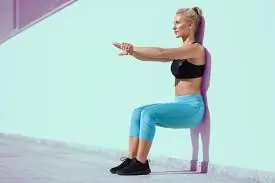
Wall squats are a great option for lower limb strength and knee rehabilitation because they work the quadriceps, glutes, and core. This exercise helps develop endurance in important stabilizing muscles by offering controlled resistance.
- How to perform it:
- Lower yourself into a squat while standing with your back against a wall. Before getting up, hold for a short while.
- Ideal for: Physiotherapy exercises to relieve knee pain
Wall squats can help people restore confidence in their knee stability and range of motion by being incorporated into an organized rehabilitation program. For people recuperating from joint operations or accidents, it is an essential activity.
Vestibular Gaze Stabilisation Exercise
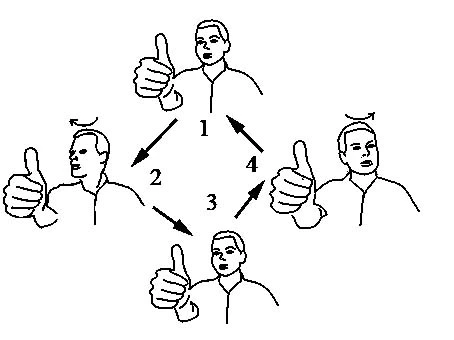
This activity is essential to rehabilitation for people who have balance problems or dizziness. Gaze stabilization aids in retraining the brain to efficiently process balance and movement.
- How to do it:
- Move your head side to side while maintaining concentration on an object in front of you.
- Exercises for vestibular physiotherapy are ideal.
Regularly performing this exercise can enhance coordination and lessen vertigo symptoms, making daily tasks safer and easier.
Ball Exercises – Core Strength and Flexibility

By adding an element of instability, using a physiotherapy ball strengthens and balances the core muscles. Numerous workouts that enhance flexibility and coordination can be performed with this flexible device.
- How to do it:
- Lift one foot at a time.
- Ideal for: Ball exercises for physiotherapy
Ball exercises are perfect for people looking for an efficient yet low-impact workout because they assist in preserving spinal alignment and avoiding lower back problems.
Straight Leg Raise – Quadriceps Strength

For knee stability and injury prevention, quadriceps strengthening is crucial. To increase leg strength, this exercise is frequently utilized in post-injury rehabilitation.
- Straight Leg Raise
- How to do it:
- Lift one leg straight up while lying on your back with the other leg bent. Slowly descend.
- Ideal for: Physiotherapy exercises for joint and knee pain.
Regularly performing straight-leg raises can improve knee health and function over the long run, especially for people receiving exercise physiotherapy after an injury.
Cat-Cow Stretch – Spinal Flexibility

- Basic Pose: Get on all fours on a soft mat.
Position: Hands directly under shoulders (shoulder width apart) and knees directly under hips (hip width apart). - Cow Pose (Bitilasana)The Motion: Take a deep breath in.
The Focus: Gently press on your lower back, letting your tailbone point upward. - Cat Pose (Marjaryasana)The Movement: Exhale all the air out. Draw your belly button in the direction of your spine while tucking your chin toward your chest.
The Focus: Arch your back all the way up towards the ceiling, like an angry cat.
This stretch is a great addition to a rehabilitation program since it helps improve posture and spinal alignment when included in everyday routines.
Understanding the Importance of Physiotherapy Exercises
Exercises for physiotherapy are specific motions and activities intended to enhance and restore strength, mobility, and physical function. These workouts are designed to treat particular ailments, injuries, or general physical health. They are essential because they support:
Promote Healing: By increasing blood flow to the wounded area, targeted physiotherapy exercises improve the body’s natural healing process by supplying oxygen and nutrients necessary for tissue repair. These exercises aid in the reduction of swelling and inflammation, which can enhance and speed the healing process.
Enhance Mobility: By increasing the range of motion in joints and muscles, these exercises help people restore their freedom of movement and the capacity to carry out everyday tasks painlessly. Frequent mobility exercises can also keep the body flexible and functional by preventing joint damage and stiffness.
Strengthen Muscles: Physiotherapy exercises increase muscle strength to support and shield joints, lowering the risk of injury and enhancing general stability. Stronger muscles are better able to absorb shocks and pressures applied to the body, which facilitates physical activity and lowers the chance of sprains or strains.
Prevent Recurrence: By treating underlying deficiencies or imbalances that may contribute to recurrent pain or dysfunction, some movements lower the chance of future injuries. People can preserve their physical health and reduce the likelihood of encountering similar problems in the future by regularly engaging in these workouts.
Support Post-Surgery Recovery: By increasing blood flow and lowering edema, post-surgical physical therapy activities are necessary for accelerating healing. By addressing scar tissue and lowering related tension, pain, and weakness, they improve the overall success of surgical procedures, assist in restoring lost movement and strength, and prevent problems, including blood clots, scar tissue formation, and muscle atrophy.
What are the benefits of physical therapy (physiotherapy)?
- Recover the body from trauma and the results of impairment
- increases range of motion, strength, and flexibility
- regulates the intensity and length of an activity or
- enhances the timetable and level of play for returning to sports
- minimizes the chance of re-injury, the recurrence of certain conditions, or functional decline
- preserves and enhances bodily function and physical performance.
- Minimizes the possibility of harm.
This system also
- Musculoskeletal system.
Nervous system.
Cardiopulmonary system.
Integumentary system. - Muscles.
Bones.
Joints.
Heart.
Lungs.
What are the 7 pillars of physiotherapy?
The 7 pillars of physiotherapy are often cited in the patient rehabilitation paradigm. It is an ongoing comprehensive approach, including examination, evaluation, diagnosis, prognosis, intervention, outcomes, and re-evaluation. This structure allows physiotherapists to systematically assess, treat, and optimise a patient’s functional movement, health, and quality of life.
1. Examination: A broad set of data that includes a history, review of systems, and tests/measures to gain an understanding of the patient’s condition.
2. Evaluation: The physical therapist analyzes the information collected during examination to form clinical judgments.
3. Diagnosis: Identification of dysfunction, impairment, or limitations of movement, especially regarding its impact on function and quality of life.
4. Prognosis: Establishing the anticipated level of improvement and the duration required to achieve that level (often including goal setting).
5. Intervention: The application of specific therapeutic techniques to resolve the identified problems. These techniques include manual therapy, exercises, and education.
6. Results: Assessment and documentation of how well the interventions achieved the specified treatment goals.
7. Re-evaluation: A continuous process in which therapists regularly assess the patient’s progress and modify the treatment plan as needed to maintain its relevance and effectiveness.
Alternative Perspective (Fundamentals of Care):
The “pillars” or fundamental ideas of successful therapy are defined differently and with an emphasis on the therapeutic process by certain sources:
Assessment: Customized evaluation.
Evidence: Evidence-informed approaches.
Education: Knowledge Is Power for Patients.
Participation: The patient is actively involved in the care.
Manual Therapy: Rehabilitation Through Hands-on Techniques.
Continuity of Care and Surveillance
Outcomes: Functional improvement assessment.
The 4 areas of physiotherapy
The four main types of physiotherapy are orthopaedic (musculoskeletal injuries), neurological (nervous system disorders), cardiorespiratory (heart/lung conditions), and paediatric/geriatric (specialized care for children or the elderly). These specialties are designed to help restore movement, manage pain, and improve function.
Manual therapy: Massage and joint mobilisation.
Exercise therapy – specific exercises to increase strength and movement.
Electrotherapy: This includes techniques such as TENS or ultrasound to reduce pain.
Hydrotherapy: water exercises.
FAQs
What are the 7 main exercises?
The 7 main or functional exercises are the basic movement patterns that build the body for daily life. They typically consist of squats, lunges, hinges, pushes, pulls, twists (rotation), and planks (anti-rotation/core). These compound movements hit multiple muscle groups at the same time, giving you a full, efficient, functional workout.
Here are the 7 fundamental human movement patterns:
Squat (Lower Body): Emphasizes knee-dominant movements that are important for sitting, standing, and lifting. Examples: Goblet squat, bodyweight squat, barbell squat.
Lunge (Lower Body) – Works single-leg strength, balance, and stability. Examples: Lunge forward, lunge backward, Bulgarian split squat.
Hinge (Posterior Chain): This involves hip-dominant movements, important for bending over and picking things up. Examples: Deadlift, Romanian deadlift (RDL).
Horizontal and vertical. E.g., push-ups, chest press, overhead/shoulder press.
Pull (Upper Body): To work the back and biceps by pulling the weight toward the body. Examples: Bent-over row, pull-ups, and lat pulldown.
Rotation/Twist (Core): Concentrates on the rotational strength and stability of the torso. Examples: Woodchops, Russian Twists
Plank/Anti-Rotation (Core) – Concentrate on bracing the core to resist movement. Stability. Examples: Front and side plank. Bird-dog.
Other “7 Best” Exercises (WebMD/General Fitness):
Not fundamental ones, but the 7 most effective exercises are named:
Walking (Cardio)
Interval Training
Squats
Lunges
Push-ups
Abdominal Crunches
Bent-over Row
What is the 3 3 3 rule for workouts?
The 3-3-3 rule is a minimalist, high-efficiency workout structure that maximizes results with minimal complexity. Usually, it means 3 workouts a week, 3 sets per exercise, and 3 core movements per session.
How to Do the 3-3-3 Workout
Schedule: Do 3 workouts per week, e.g.,g Mon/Wed/Fri, to allow for adequate recovery.
Structure: Choose 3 exercises and perform 3 sets of each (e.g., Squats, Push-ups, Rows).
Intensity: Use a weight or resistance that will make the last few repetitions of each set difficult, aiming for 8–12 repetitions per set.
There’s no other way. 3-3-3 Full Body Workout
Goblet Squats: 3 sets, 8- 12 reps (Lower body)
3 x 8-12 reps Push-Ups (or Dumbbell Press) (Upper push)
Dumbbell Rows (or Pull-ups): 3 sets x 8-12 reps (Upper pull)
Alternative 3-3-3 Definition (The Standard Breakup)
In some interpretations, the 3-3-3 rule is a split weekly routine:
Strength Training 3 Days
Cardio For 3 Days
3 Days Active Recovery/Rest (or 3-week routine focus)
Is 3 exercises per day enough?
In summary, as long as they are getting enough training volume throughout the week (15-20 total work sets for most people would suffice), most people can see great results performing 2-4 different exercises per muscle group per training day and including 4-12 different exercises per muscle group per week.
What are the golden five exercises?
These five exercises—the deadlift, bench press, squat, shoulder press, and pull-up—are renowned for their capacity to increase total-body power, enhance coordination, and accelerate fat loss.
Can physical therapy help weak legs?
The first step in treating leg weakness is physical therapy. Stretches, balance exercises, and strength-building exercises like squats and lunges may all be part of your personalized routine. Multiple-muscle-group exercises are the most effective since they mimic real-life motions.
Which seven forms of self-care are there?
Exercise, a healthy diet, meditation, therapy, and other activities are all examples of self-care. Mental, emotional, physical, environmental, spiritual, recreational, and social are the seven pillars that each self-care technique falls under.
Can I do physiotherapy exercises at home?
Yes, and you already are if you perform any kind of mobility or stretching exercises at home. Many physical therapy exercises are simple to perform on your own, particularly if you want to support your overall health, preserve mobility, or build muscle.
What is the 777 workout?
The 777 workout (also called “21s”) is a high-intensity training method mainly used for building biceps. One set of 777s is 21 total reps broken down into three sets of seven reps: seven from bottom to halfway, seven from halfway to top, and seven full reps.
777 Workout Summary:
Structure: This method adds time under tension for the muscles, which means more fatigue and muscle growth (hypertrophy).
Bicep Technique. Usually done with dumbbells or a barbell. The constant movement makes it a great “finisher” to a bicep workout and often leaves arms feeling like they are “on fire”.
Variations on
21s (Bicep) 7 reps Bottom half 7 reps Top half 7 reps Full range
Rest-Pause 777 Method. 7 reps. 7-second rest. 7 sets.
Full Body 777: 7 different exercises, 7 reps each, sometimes in 7 rounds.
Advantages: It saves time, helps break through training plateaus, and can be used on other muscle groups such asthe chests or legs.
References
- Admin, & Pallozzi, M. (2022, April 27). Benefits of physiotherapy exercises. Instinct Health. https://instincthealth.com.au/benefits-of-physiotherapy-exercises/
- Geelong Physiotherapy, Barwon Sports Physio, Concussion Management. (2025, May 19). 10 best physiotherapy exercises to start doing now. https://www.barwonsportsphysio.com.au/blog/10-best-physiotherapy-exercises-to-start-doing-now/
- Hughes, M. (2025, February 25). Faster recovery and injury prevention: The benefits of physiotherapy exercises. Body Science Therapy. https://bodysciencetherapy.com/physiotherapy-exercises-mississauga/
- Jonathan, & Jonathan. (2023, January 18). Physiotherapy exercises: balance, range of motion, and strength. South Vancouver Physiotherapy Clinic. https://southvanphysio.com/physiotherapy-exercises/
- Professional, C. C. M. (2026, April 17). Physical therapy (Physiotherapy). Cleveland Clinic. https://my.clevelandclinic.org/health/treatments/physical-therapy
- Rehabilitation exercises. (n.d.). The Chartered Society of Physiotherapy. https://www.csp.org.uk/public-patient/rehabilitation-exercises
- Strengthening exercises – physiotherapy – treatments – physio.co.uk. (n.d.). https://www.physio.co.uk/treatments/physiotherapy/strengthening-exercises.php