
7 Neck Pain Relief Stretches Recommended by Physiotherapy
Introduction
Neck pain is one of the most common musculoskeletal problems, often caused by poor posture, prolonged computer or smartphone use, stress, sleeping in an awkward position, or long hours of sitting. Tight muscles and reduced mobility in the neck can lead to stiffness, headaches, shoulder discomfort, and difficulty performing everyday activities. Fortunately, regular stretching can help relieve muscle tension, improve flexibility, and restore normal movement.
These 7 daily neck pain relief stretches, recommended by physiotherapists, are simple, gentle, and suitable for most people. They target the muscles of the neck, shoulders, and upper back to reduce stiffness, improve posture, and increase range of motion. Performing these stretches for just 10–15 minutes each day can help decrease pain, enhance blood circulation, and prevent future episodes of neck pain.
For the best results, perform each stretch slowly without bouncing, breathe deeply, and stop immediately if you experience sharp pain, dizziness, numbness, or tingling.
Make these seven stretches part of your daily routine to keep your neck flexible, reduce muscle tension, and improve your overall comfort and quality of life. Consistency is the key to long-term relief and better spinal health.
What is neck pain (cervicalgia)?
Pain in or around your spine beneath your head is referred to as neck pain, commonly known as cervicalgia. A typical symptom of numerous injuries and illnesses is neck pain.
You may experience radicular neck pain, which radiates to other parts of your body like your arms or shoulders, or axial neck pain, which is mostly felt in your neck. It can be chronic (lasting more than three months) or acute (lasting a few days to six weeks).
If left untreated, neck pain can lower your quality of life and interfere with your everyday activities.
Fortunately, conservative therapy like pain medication, exercise, and stress reduction can alleviate the majority of non-serious causes of neck pain.
What does neck pain feel like?
Some individuals characterize the discomfort as:
- Chronic pain.
- A burning or stabbing sensation.
- A sharp pain that radiates from their neck to their arms or shoulders.
- Additional symptoms
- Other signs of neck pain could include:
- Headache.
- Your upper back, shoulders, and neck being stiff.
- Being unable to tilt your head or turn your neck.
- Your arms or shoulders may feel numb or tingly (pins and needles).
Who is affected by neck pain?
Ten to twenty percent of adults suffer from neck pain. Women are more likely to experience it. As you become older, your risk of getting it rises.
What are the possible causes of neck pain?
Aging: As you become older, your cervical spine may decline or degenerate due to normal wear and tear, which can cause pain. Neck pain can result from degenerative diseases, including osteoarthritis, which wears down joint cartilage, and spinal stenosis, which narrows the gaps in your spine. Stress and repetitive motions can deteriorate the disks in your spine over time, leading to a pinched nerve or ruptured disk.
Physical strain: Stiffness and soreness can result from overusing your neck muscles during demanding or repetitive activities. One common source of neck pain, for instance, is straining your neck when staring at a computer screen for extended periods of time.
Mental stress: Stress can cause your neck muscles to tighten, which can result in stiffness and pain. Many people who tense these muscles during stressful or agitated situations are unaware that they are doing so until they get neck pain.
Injury: Neck pain can result from trauma and other injuries that harm your muscles, ligaments, disks, vertebral joints, and nerve roots in your spinal cord. Neck pain is often caused by whiplash in traffic accidents.
Growths: Tumors, cysts, and bone spurs are examples of masses that can press against your neck’s nerves and cause pain.
Other medical conditions: Meningitis, rheumatoid arthritis, and cancer are just a few of the illnesses that can cause neck pain.
How Often to Perform Neck Stretches
Stretching your neck on a regular basis is crucial for preserving flexibility and avoiding stiffness.
- General upkeep: To keep your flexibility, try to stretch at least twice a week.
- Acute stiffness: To prevent overdoing it, only do the stretches once if you have a stiff neck.
- Adapt the frequency to your own demands and level of fitness. Enhancing neck function and mobility is the aim, not causing discomfort. Incorporate these exercises into your everyday routine for long-term advantages.
7 Daily Neck Pain Relief Stretches
Neck Extension (Backward Stretch)

The backward stretch, also known as the neck extension, is a straightforward yet powerful exercise to combat the negative consequences of bad posture caused by extended screen time.
How to Execute
- Lift your chin toward the ceiling while you slowly tilt your head back.
- Your neck muscles will lengthen and relax if you hold the stretch for five seconds.
- If necessary, go back to the beginning and repeat.
- This stretch increases joint flexibility and eases tension in the front and back of the neck. Frequent practice can greatly improve mobility and lessen stiffness.
Neck Flexion (Forward Stretch)

For people with chronic neck pain and stiffness, the neck flexion stretch is especially helpful.
How to Execute
- Feel the stretch along the back of your neck as you gently bring your chin closer to your chest.
- Allow the muscles to relax by holding the position for five seconds.
- If necessary, go back to the beginning and repeat.
- By focusing on the cervical spine, this stretch helps reduce discomfort caused by prolonged screen time. You can increase neck mobility and improve posture by incorporating it into your regimen.
Lateral Neck Flexion (Side Stretch)

Maintaining appropriate flexibility in your neck muscles requires lateral neck flexion, often known as the side stretch.
How to Execute
- Bring your ear closer to your shoulder by gently tilting your head to one side without raising your shoulder.
- After five seconds of holding the stretch, go back to the beginning position.
- On the opposite side, repeat.
- By extending the lateral neck muscles, which frequently get tense from bad posture or extended sitting, this exercise eases neck pain. Including it in your regimen helps avoid stiffness and encourages flexibility. For optimal effects, move gently and deliberately.
Neck Rotation (Side-to-Side Stretch)

Maintaining appropriate flexibility in your neck muscles requires lateral neck flexion, often known as the side stretch.
How to Execute
- Bring your ear closer to your shoulder by gently tilting your head to one side without raising your shoulder.
- After five seconds of holding the stretch, go back to the beginning position.
- On the opposite side, repeat.
- By extending the lateral neck muscles, which frequently get tense from bad posture or extended sitting, this exercise eases neck pain. Including it in your regimen helps avoid stiffness and encourages flexibility. For optimal effects, move gently and deliberately.
Shoulder Shrugs for Neck Relief
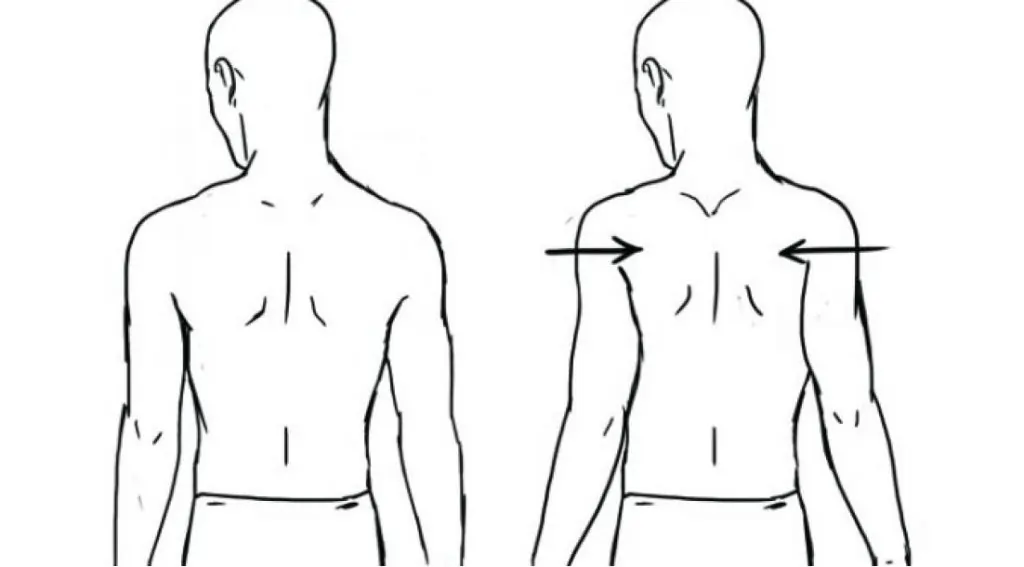
Particularly for people who sit for extended periods of time or have a tendency to hunch their shoulders, shoulder shrugs can ease tension in the neck and shoulder muscles.
How to Execute
- With your arms at your sides, take a seat or stand.
- Raise your shoulders slowly in the direction of your ears.
- After five seconds of holding the position, let go.
- For best results, repeat ten times.
- Including them in your regimen promotes general neck health and relieves tension.
Deep Neck Stretch
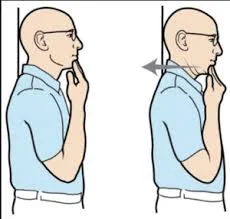
For people who spend a lot of time leaning forward, the deep neck stretch is perfect. It enhances posture and reduces stiffness.
How to Execute
- Keeping your chin tucked, place one hand on the back of your head and softly press down.
- Allow the muscles to relax and lengthen by holding the stretch for 30 seconds.
- Return to the starting position after a gradual release.
- The effectiveness of the stretch is increased by applying light pressure with your palm, which makes it very helpful for people who have chronic neck strain or stiffness. You can improve posture, release tension, and increase neck flexibility by including this stretch in your regular practice.
Resistance Neck Presses
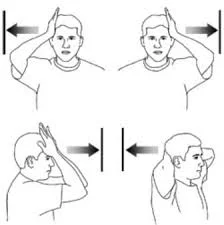
Resistance neck pushes are intended to increase endurance and lessen stiffness by strengthening the neck muscles with regulated resistance.
How to Execute
- Sit or stand with your back straight and keep your head in a neutral position.
- For five seconds, gently push your hand against your forehead while resisting the motion.
- Then, while maintaining a steady stance, place your hand on the back of your head and push for an additional five seconds.
- Make sure your movements are controlled and fluid by repeating as necessary.
- For balanced strengthening, this exercise works a variety of muscle groups. Maintain good form and refrain from arching your back to avoid injury. Frequent practice can improve overall neck health, ease tension, and strengthen the neck.
What causes extreme neck pain?
Severe neck pain is usually caused by compression of nerves ( herniated discs or bone spurs), severe spasms or tears in the muscles (whiplash), and degeneration of the structure (osteoarthritis). Underlying inflammatory diseases or infections can also be responsible.
Most Common Reasons for Severe Neck Pain
Herniated Discs & Pinched Nerves: a soft cushion between neck vertebrae bulges or breaks open, pressing on the spinal cord or nerve roots. Shooting pain radiating down the arm, numbness, or tingling.
Whiplash & Trauma: Rapid, forceful jerking of the head – often caused by automobile accidents or falls – stretches and tears muscles and ligaments of the neck, causing severe pain and stiffness.
Cervical Spondylosis (Arthritis): As you age, wear and tear of the joints and discs in your neck can lead to long-term inflammation, stiffness, and bone spurs that press on nerves.
Severe Muscle Strain: Overexertion, poor sleep, poor posture, and holding your head in awkward positions (such as “tech neck” from looking down at a screen) can lead to debilitating muscle spasms and trigger points.
When to Go to the Emergency Room
Most cases are resolved with conservative care, but neck pain with any of the following symptoms should be evaluated emergently because they may be indicative of a serious infection (such as meningitis) or critical spinal cord compression,
Following trauma (car crash, fall, diving accident), the pain is sudden and severe.
Pain is associated with high fever, severe headache, and a stiff neck (inability to touch your chin to your chest).
You lose control over your bladder or bowels.
Pain accompanied by nausea, vomiting, NG,g or extreme sensitivity to light.
What are the 5 McKenzie exercises?
Physical therapist Robin McKenzie developed The McKenzie Method, a system of specific repeated movements used to diagnose and treat back and neck pain. core 5-step program focuses on spinal extension exercises to centralize pain and relieve nerve pressure.
Prone Lie: Lie flat on your stomach with your arms by your sides and your head turned to the side. This relieves pressure on the spine and creates a slight stretch.
Face Down on Elbows: Lie on your stomach, carefully propping your upper body on your elbows and forearms. Hold for a couple of minutes to restore the natural curve of your lower back.
Prone Press-Ups: Lie on your stomach, place your hands flat on the floor under your shoulders, and push the upper body up, keeping the hips on the ground. This focuses on tension and pain in the lower back.
Standing Lumbar Extension: Stand with feet shoulder-width apart. Support your hands on your lower back.
Side Glide (or Flexion / Rotation): This is performed when pain shoots down one leg (sciatica). For side-to-side movements, stand with your shoulder against a wall and slowly move your hips away from the side that hurts. Centralized pain to restore forward bend. Lying or Sitting Flexion (bring knees to chest) may be substituted.
What is the acupressure point for neck pain?
Use firm, circular pressure for 30-60 seconds, breathing deeply and repeating up to five times a day.
Other very effective specific acupressure points for neck stiffness are:
Feng Chi (Wind Pool / GB20): Locate these two shallow indentations at the base of your skull, about two inches away from your spine. Place your thumbs on the area and push gently up towards your skull for a minute or two.
Luo Zhen: On the back of the hand, between the knuckles of the middle and index fingers. It is very good for acute stiffness in the neck.
To increase your range of motion, gradually rotate your neck while focusing on the hand on the same side as your neck ache.
Zhong Zhu (TB3): Located in the space between your pinky and ring finger tendons. To release tension that is affecting your shoulders and upper back, stimulate this region.
What type of neck pain is serious?
If neck pain follows a traumatic injury (such as a car accident or fall) or is associated with “red flag” symptoms, the pain is serious. They include numbness or weakness of your arm or leg, sudden loss of coordination, a fever, or pain radiating into your chest, and require immediate medical attention.
If you have: Call emergency services or go to an emergency room right away.
Neurological deficits: Sudden weakness, tingling, or numbness in the arms, legs, hands, or fingers.
Signs of spinal cord compression include unsteadiness, loss of balance, clumsiness,s or loss of bowel or bladder control.
Stroke symptoms: Chronic neck pain with a severe headache, dizziness, slurred speech, ch or double vision.
Life-threatening conditions: Neck pain accompanied by chest pain or pressure.
Trauma: Trauma from a motor vehicle accident, diving accident,t or a hard fall.
When to Seek Prompt Medical Attention
Don’t self-medicate with chiropractic adjustments.
- Symptoms of meningitis include a stiff neck combined with a high temperature, nausea and vomiting, or an extreme sensitivity to light.
- Pain that gradually worsens or does not improve after a few weeks of conservative care. Chronic worsening pain.
- Radiating pain: Sharp, shooting pains or electric shock-like sensations that run down your arm.
How is neck pain diagnosed?
A medical professional can typically determine the source of neck pain with just a physical examination and medical history. First, a medical professional will rule out major causes of neck pain, such as cancer, myelopathy, strain on your spinal cord, or infection.
Medical history: Your doctor will inquire about any prior neck injuries that may have resulted in a herniated disk or whiplash. They could inquire about a job or other activities that might cause neck pain. They will inquire about your pain, including when it began, where it is, how long it lasts, and how severe it is.
Physical examination: Your doctor will measure your range of motion as you move your neck and evaluate the alignment of your head and neck. To assess for soreness and indications of tension, they will feel your neck and the muscles that support it.
In most cases, imaging studies are not required to determine the cause of neck pain. However, if a medical professional suspects a significant injury or if you’re in excruciating pain that doesn’t go away, they might take pictures of the inside of your neck.
X-rays: X-rays can reveal difficulties with your soft tissues or bones that could be the source of your neck pain.
Magnetic resonance imaging (MRI): An MRI can reveal issues with your soft tissues, bone marrow, nerves, and spinal cord. It can reveal whether a disk has come loose, infection symptoms, and lumps that could be the source of neck pain, such as a tumor or cyst.
CT scan: If an MRI is not available, a CT scan may be utilized. Bone spurs and indications of bone degeneration may be visible.
Rarely, your doctor could request more testing, such as:
Electrodiagnostic tests: These assess your muscle reaction and nerve activity.
Lab tests: These tests can help your physician detect reasons for neck pain other than musculoskeletal injuries, like infections, rheumatological diseases, or malignancies. Among the tests are signs of inflammation, a complete blood count (CBC), and a urinalysis.
How is neck pain managed or treated?
The goal of treatment is to reduce pain and enhance neck mobility. The majority of neck pain causes can be treated at home and eventually get better. To control your symptoms, your doctor will recommend the following treatments:
Painkillers and muscle relaxants: Common first-line therapies for neck pain include nonsteroidal anti-inflammatory drugs (NSAIDs) to reduce neck pain and inflammation and muscle relaxants to aid in the healing of your neck muscles.
Physical therapy: You can learn exercises and motions that strengthen the muscles and tendons in your neck and increase flexibility by working with a physical therapist or fitness trainer.
A transcutaneous electrical nerve stimulation (TENS) unit disrupts the pain signal that causes discomfort by applying a low-level electrical current to your skin close to your nerves. Before utilizing a TENS unit, always consult a medical professional.
Steroid injections: A shot administered close to the nerve roots can alleviate pain and reduce inflammation.
Alternative therapies: Your doctor can suggest massage to assist in releasing tense muscles causing your discomfort, or acupuncture to relieve pain. To realign your spine, you could consult a chiropractor or osteopath.
Surgery is not necessary for the majority of neck pain causes. However, if one or more of your spine’s vertebrae have moved out of alignment or are pressing against your nerves, you might require surgery.
How is neck pain managed or treated?
The goal of treatment is to reduce pain and enhance neck mobility. The majority of neck pain causes can be treated at home and eventually get better. To control your symptoms, your doctor will recommend the following treatments:
Painkillers and muscle relaxants: Common first-line therapies for neck pain include nonsteroidal anti-inflammatory drugs (NSAIDs) to reduce neck pain and inflammation and muscle relaxants to aid in the healing of your neck muscles.
Physical therapy: You can learn exercises and motions that strengthen the muscles and tendons in your neck and increase flexibility by working with a physical therapist or fitness trainer.
A transcutaneous electrical nerve stimulation (TENS) unit disrupts the pain signal that causes discomfort by applying a low-level electrical current to your skin close to your nerves. Before utilizing a TENS unit, always consult a medical professional.
Steroid injections: A shot administered close to the nerve roots can alleviate pain and reduce inflammation.
Alternative therapies: Your doctor can suggest massage to assist in releasing tense muscles causing your discomfort, or acupuncture to relieve pain. To realign your spine, you could consult a chiropractor or osteopath.
Surgery is not necessary for the majority of neck pain causes. However, if one or more of your spine’s vertebrae have moved out of alignment or are pressing against your nerves, you might require surgery.
Home remedies for neck pain
You can do the following actions at home to reduce neck pain in addition to taking painkillers:
Hot therapy: Every few hours, take a hot shower or apply a hot towel or heating pad (on the lowest setting) to the painful area for fifteen minutes. The heat increases blood flow and relaxes your muscles.
Every few hours, use a cold pack or a bag of frozen veggies (covered with a thin towel to protect your skin) for fifteen minutes. By constricting your blood vessels, the cold lessens swelling and inflammation. Immediately after an injury, use cold rather than heat.
Exercise: To reduce neck pain and increase range of motion, do the neck exercises recommended by your healthcare specialist. If you have a pinched nerve or a severe neck injury, avoid doing exercises.
Techniques for reducing stress: Yoga, mindfulness, meditation, and breathing exercises can all assist in releasing tension in the body that could be causing neck pain.
Give up smoking since it hinders healing, affects bone structure, and speeds up degenerative disc disease.
The cause of your neck pain will determine how long it takes to heal. Common causes of neck pain, such as strains and stress, typically go away in a week or two. Before the pain completely goes away, it can take several months.
How can I prevent neck pain?
There are things you may do to avoid neck pain caused by strains and tight muscles.
Maintain proper posture. When using electronic devices, such as computers and phones, position them so that you don’t have to slouch or strain your neck. To avoid putting undue tension on your neck when sitting, maintain a straight back and aligned shoulders. To keep proper posture when driving, adjust the seats in your vehicle.
Change the way you sleep. When you sleep, keep your posture straight. Use a pillow to support your head if you sleep on your side or back so that your neck and head are in line with the rest of your body. Put a pillow between your knees if you sleep on your back to relieve extra strain on your lower back. Do not turn your head while sleeping on your stomach.
Continue to be active. Many of the same activities that are used to treat neck pain can also be used to prevent it. Take periodic pauses to move about and stretch your entire body, including your neck muscles, if your job requires you to sit for extended periods of time.
Avoid bearing a lot of weight on your shoulders. Avoid carrying bulky items over your shoulder, such as suitcases or book bags. Instead, think about using wheeled bags or baggage.
Work the extensor muscles in your upper back. As you age, it’s common for your upper back to become weaker. Your head tilts forward in front of your spine as a result, and your shoulders rock forward. Your neck and upper back are further strained by this position.
If your neck pain prevents you from working or performing other daily tasks, get in touch with a medical professional. Rarely, neck pain may indicate an urgent medical situation.
- Develops following an accident.
- Involves losing control over one’s bowels or bladder.
- Endures whether you move or remain motionless.
- Includes nausea, vomiting, headaches, and lightheadedness.
- Occurs in conjunction with fever, chills, or inexplicable weight loss.
- Causes tingling or numbness in your legs, shoulders, or arms.
- Occurs when your arms or legs get weak or your coordination is affected.
- Doesn’t improve with over-the-counter drugs.
- Doesn’t get better after a week.
FAQs
What are the 5 D’s for neck pain?
They are suspicious for serious underlying problems such as cervical artery dissection (a type of stroke) or upper cervical spine instability.
The 5 Ds stand for:
Dizziness: Feeling faint or like the room is spinning.
Diplopia: Double vision or sudden changes in vision
Drop attacks: Sudden falls without loss of consciousness.
Dysarthria: Trouble speaking, slurred speech, or trouble finding words.
Dysphagia: Trouble swallowing or unexplained hoarseness.
If you, or someone else, develops neck pain and any of these symptoms, get immediate medical attention. Get emergency help immediately or go to the nearest emergency room.
Can neck exercises help TMJ?
Chin toward your chest. After a few seconds of holding this posture, gradually release it and go back to the beginning position. In order to alleviate TMJ symptoms, this exercise can enhance posture and ease jaw muscle strain.
What is the Chinese method for neck pain?
Many of the points used in acupuncture, a treatment used in traditional Chinese medicine, are also used in acupressure. Very tiny needles are inserted into the skin at precise locations by acupuncturists. Acupressure involves applying manual pressure to the spots. Both approaches aid in the management and reduction of neck pain.
What is a red flag for neck pain?
Seek emergency medical care if you have neck pain with neurological deficits (such as severe weakness in the arm, loss of bladder/bowel control, or difficulty walking), after a recent traumatic injury such as a fall or car crash, or if you have systemic symptoms such as unexplained weight loss or high fever.
These symptoms are serious warning signs that require urgent clinical evaluation:
Neurologic Symptoms: Sharp pain, numbness, tingling,g or “electric-shock” sensations shooting down your arms.
Loss of Coordination – Finding yourself unsteady on your feet, suddenly clumsy, or having trouble with fine motor skills, such as buttoning a shirt.
Pain with Fever or Sickness: A severe headache, a stiff neck, and fever can be signs of infections such as meningitis.
Pain that gets worse at rest: Pain that gets worse and worse, keeps you from sleeping, ing or occurs without movement.
What is a natural painkiller for neck pain?
Devil’s claw, turmeric, and ginger are examples of herbal supplements with anti-inflammatory qualities that may help reduce pain. To ease tense muscles and encourage relaxation, essential oils like lavender or peppermint oil can be used directly on the neck.
What chakra is blocked by neck pain?
Physical strain: Physical strain in the neck, shoulders, and jaw can be caused by blockages in the throat chakra. These areas may become stiff, uncomfortable, or painful as a result of this stress. Sleep Disruptions: A blocked throat chakra can cause emotional and mental imbalances that affect the quality of sleep.
References
- 7-Minute Exercise Routine for Neck Pain Relief (Real-Time) video. (n.d.). Spine-health. https://www.spine-health.com/video/7-minute-exercise-routine-neck-pain-relief-real-time-video
- Admin. (2025, August 28). 7 Do-Anywhere exercises to alleviate neck pain. Augusta Pain Center. https://augustapaincenter.com/blog/7-do-anywhere-exercises-to-alleviate-neck-pain/
- Bonesbalance & Bonesbalance. (2026, June 22). 7 Best physiotherapy exercises for neck pain Relief. Bones and Balance Physical Therapy & Rehab – Physical Therapy & Rehab. https://bonesandbalancept.com/7-best-physiotherapy-exercises-for-neck-pain-relief/
- Hospital, R., & Hospital, R. (2023, September 27). 7 Effective exercises for neck Pain Relief – Ranka Hospital. Ranka Hospital. https://www.rankahospital.com/7-effective-exercises-for-neck-pain-relief/
- Louw, M., & Louw, M. (2025, October 24). Neck exercises for computer-related neck pain | Sports Injury Physio. Sports Injury Physio. https://www.sports-injury-physio.com/post/top-7-neck-exercises-for-computer-related-neck-pain
- Megan. (2026, May 15). 7 Best stretching exercises for neck pain Relief. Innovation Physical Therapy. https://innovationphysio.com/blog/7-best-stretching-exercises-for-neck-pain/
- Nunez, K. (2025, September 2). Exercises to relieve a pinched nerve in the neck. Healthline. https://www.healthline.com/health/pinched-nerve-in-neck-exercises
- Ocs, N. U. P. D. (2024, February 13). 7 McKenzie Method exercises for neck pain and arm pain. Spine-health. https://www.spine-health.com/wellness/exercise/7-mckenzie-method-exercises-neck-pain-and-arm-pain
- Professional, C. C. M. (2026, January 28). Neck pain. Cleveland Clinic. https://my.clevelandclinic.org/health/symptoms/21179-neck-pain