Sirsasana (Head Stand Pose)
What is Sirsasana?
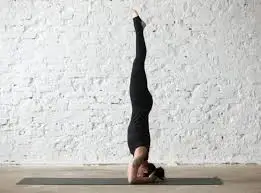
Sirsasana (Headstand Pose) is an inverted asana in contemporary yoga practice. In ancient hatha yoga, it was classified as both an asana and a mudra, with various names. The “King of Asanas” is considered the headstand.
This yoga pose includes completely inverting the body and keeping it upright with the forearms, while the top of the head rests lightly on the floor.
After learning the Headstand Pose, you may practise several tough Headstand Pose Variations.
Muscle Work During Sirsasana:
- Lower Back Muscles
- Bicep Muscles
- Triceps Muscles
- Hip Muscles
- Neck Muscles
- Core Muscles
Video of Sirsasana:
How to Perform?
- Kneel beside a yoga mat and spread it out fourfold on the floor (for beginners).
- Place your elbows, forearms, and knees flat on the mat, fingers interlaced and wrists pressed on it.
- Form a cupping stance with your palms. Lay your crown on the mat with your back on your palms.
- Lift your knees off the mat and bring your feet towards your torso, forming an inverted V with your body.
- For a few minutes, engage your core and shoulder muscles while maintaining your toes pointing to the mat.
- Now, press down with your forearms, bring your feet closer to your body (keeping your back straight), and bend your knees while drawing them towards your chest.
- Maintain equilibrium by contracting your forearms, shoulders, and core.
- Once you’re balanced, slowly extend your legs towards the sky. Take your time and go gently.
- Hold this inverted position for 3 to 5 deep breaths, or until your breathing seems natural.
- Bend the knees and slide them down to the floor in reverse sequence while inhaling before elevating the neck, shoulders, and head off the ground.
Benefits:
- Increases muscular strength in the neck, shoulders, abdomen, and spine.
- Relieves headaches.
- Helps treat vertigo.
- Helps overcome difficulties with the kidneys, liver, stomach, gut, and reproductive system.
- Helps to pump blood to the scalp, which reduces hair loss, greying, and baldness.
- Improves circulation and relaxes face muscles. Detoxifies to remove pimples and wrinkles from the face.
- Aids in the function of the pituitary gland, which supports the functioning of all endocrine glands.
- Benefits include stress reduction, increased vigour, and calmer breathing.
Preparatory Poses:
Tadasana Gomukhasana (Standing Cow Face Pose):
Sirsasana places a lot of tension on the shoulders, arms, elbows, and upper abdomen. When you begin to practise Tadasana with Gomukhasana, your upper arm extensions, external rotation, and leg strength will improve.
Adho Mukha Svanasana (downward-facing dog pose):
The Downward Facing Dog pose‘s power, stability, and balance will help you perform Sirsasana more effectively. The legs are stretched here, which strengthens the hamstrings and hip muscles and improves core stability in the inverted position.
Prasarita Padottanasana (Intense Leg Stretch Pose):
This is a standing forward bend with your feet spread apart. This is a close preparation for Sirsasana, in which the head supports the bodyweight while the feet are stretched and widely spaced to stretch the leg muscles.
Variations:
Tripod Headstand with Elbow on Knees:
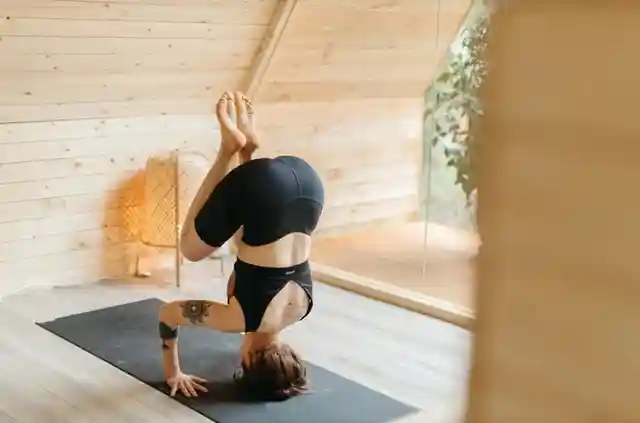
Put your head down and bend your legs. Transfer your weight from your feet to your head and hands to lift them off the ground.
Inverted Staff Pose:

Beginners of headstands can do Urdhva Dandasana, also called Ardha Sirsasana. Exercise your core muscles (drawing in your belly), shoulders, arms, chest, diaphragm, and pelvis to enhance your headstand technique.
Precautions:
- Do not allow your hips to be past your shoulder; this may produce an imbalance.
- Avoid during menstruation.
- If you have a shoulder, neck, or hip problem, avoid using this product. Do not perform this on a hard surface.
- Do not breathe too quickly or too slowly while performing this asana.
- Absolutely not for pregnant ladies.
- No for youngsters under seven.
- People with glaucoma should not execute this yoga position because it may raise pressure on the eyes.
- This yoga posture should not be attempted by anyone with intense migraines or sinus disorders, as well as those with major cardiac diseases or hypertension.
Contraindications:
- Children under the age of seven years old because their skulls are not entirely fused, have not hardened enough, and are more prone to damage.
- Pregnant women should avoid.
- If you have glaucoma, you should avoid this yoga position since it might increase the pressure on your eyes.
- If you have a strong headache or migraine, avoid the yoga Headstand posture.
- People with shoulder or neck issues should avoid doing headstands until their injuries have healed fully.
- People with hypertension should avoid any yoga inversions.
- People with serious heart issues should avoid performing the yoga headstand position.
- People with osteoporosis should avoid this yoga position.
Common Mistakes
It is a common observation in yoga sessions that many people perform the Headstand improperly. They are either hurt or in pain as a result of typical blunders. However, if you are aware of these typical errors, you may avoid causing additional strain and discomfort during your yoga session. The most prevalent errors in the yoga Headstand posture that cause instability, suffering, and, in some cases, injury:
- Bring the hips behind the shoulders.
- Misaligned elbows, incorrect head alignment, and insufficient arm and foot opposition.
- Practice on a very hard floor.
- Breathing too shallow or too quickly
- Losing the natural bend of the spine.
FAQs
What are the precautions for Sirsasana?
If you have abdominal or spinal cord discomfort, avoid this asana. This is not recommended for people with high blood pressure or a weak heart.
How much time to hold Sirsasana?
Begin with 5 seconds and progressively increase the duration to fifteen minutes. The ideal time is five to ten minutes every day. While in the headstand, breathe smoothly and rhythmically. The weight stays on the elbows.
What are the psychological benefits of Sirsasana?
Increased blood flow provides more oxygen to the brain, which can improve cognitive function, memory, and attention. Improves mood: Shirshasana promotes the release of endorphins, which can alleviate symptoms of anxiety and despair, resulting in more emotional equilibrium.
What are the spiritual benefits of Shirshasana?
Sirsasana is a fundamental notion that may efficiently manage the development of the human body. It provides the practitioner with an extended source of power and harmony. Furthermore, this yoga stance provides unrivalled spiritual enlightenment.
Does Sirsasana improve eyesight?
Some yoga practices, such as headstands, shoulder stands, and plough stances (Sarvangasana and Shirshasana), help to improve blood flow to the eyes. These postures reduce pressure on the visual nerves and improve circulation. Regular exercise offers numerous health benefits for both the body and the eyes.
References:
- Sirsasana (Headstand Pose). (n.d.). MyYogaTeacher. https://myyogateacher.com/yoga-asana/sirsasana
- Head Stand Pose Yoga Pose (Sirsasana). Tummee. https://www.tummee.com/yoga-poses/Sirsasana
- Rakshak, & Rakshak. (2024c, December 10). 10 Benefits of sirsasana and precautions – the art of living. The Art of Living – Making Life A Celebration. https://www.artofliving.org/in-en/yoga/yoga-poses/10-benefits-of-headstand-sirsasana
- Yogkulam, R. (2024, January 12). How to Do Shirshasana (Headstand Pose) & Steps, Precautions & Benefits. Rishikesh Yogkulam. https://www.yogkulam.org/blog/how-to-do-shirshasana-headstand-pose-steps-precautions-and-benefits
- Jain, R., PhD. (2024b, January 11). How To Do Headstand: Complete Guide & Benefits | Arhanta Yoga Blog. Arhanta Yoga Ashrams. https://www.arhantayoga.org/blog/how-to-do-headstand-10-things-you-need-to-know/