Easy Pose (Sukhasana)
What is Easy Pose (Sukhasana)?
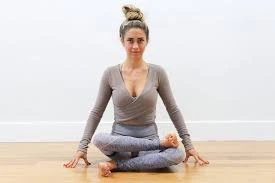
Easy Pose (Sukhasana) is a simple cross-legged sitting position that promotes relaxation, mindfulness, and proper posture. It is commonly used for meditation and breathing exercises, helping to calm the mind and gently stretch the hips and spine.
In this context, “easy” refers to the pose’s ability to be executed with ease rather than its ease of execution. It is a calming and healing pose that revitalizes the body and psyche.
The simple pose is a great way to increase flexibility and relieve sore hips. The hips do not receive the necessary movement and stretch when people spend excessive amounts of time seated in a chair. The hips may also be impacted by the stress of a hectic lifestyle. Easy Pose facilitates hip joint rotation outward, pelvic opening, and thigh muscle stretching.
One of the most basic positions, Easy Pose, is appropriate for both novice and experienced practitioners. It stretches the spine and opens the hips. This pose also helps us stay centered and composed.
Muscle Work During Easy Pose:
- Spine Muscles
- Back Muscles
- Hip Muscles
- Knee Muscles
How to Perform?
- Stretch your legs out in front of you in the Dandasana pose while seated on a yoga mat. Verify that your head and spine are straight.
- You can sit on a yoga block, pillow, or bolster if your hips are tight.
- Bring each foot under the opposing knee and bend the knee by turning the hips outward. The outside edge of the foot should touch the mat, while the inside edge is beneath the knee.
- Maintain a comfortable gap between your pelvis and lower legs.
- Push your shoulder blades back and slightly expand your chest to maintain a straight back. Consider anchoring your hip bones towards the floor and extending the top of your head upward.
- In your preferred Hasta Mudra, place your hand palms up on your knees or lap.
- To align your chin with your spine, tilt it gently inward while maintaining a calm posture. Select a focal point to maintain eye alignment. You can also close your eyes if you’d like.
- Take seven to ten deep breaths while maintaining this position. Continue switching between the legs.
Benefits:
- The easy stance works the back muscles to keep the back straight and improves postural awareness.
- The spine is more flexible and more aligned when the back is straight.
- By externally rotating the hip joints, it expands the range of motion and opens the hips. This aids in releasing stored stress and easing hip muscle tightness.
- You can strengthen your core and enhance the digestive system’s performance by drawing in your abdominal muscles.
- It expands and stretches the inner thighs and groin in addition to the hips.
- Particularly for expectant mothers, sitting in a comfortable position can help reduce mild lower back and knee pain.
- By bending the knees, one can improve mobility by relieving tightness brought on by prolonged sitting.
- Along with helping to widen the chest and collar bones, it also helps to relax stiff shoulders.
- The parasympathetic nervous system (PNS), which controls blood pressure, can be activated by this calming stance.
- It calms the mind, which enhances concentration. Anxiety, fear, grief, annoyance, tension, stress, and other negative feelings are all lessened by it.
- Mild depressive symptoms might be lessened by having a peaceful and tranquil attitude.
- It can assist the prana in moving through the spine, balancing and energizing all of the chakras, when used as a meditation pose.
Preparatory Pose:
Baddha Konasana (Butterfly Pose):
Sukhasana is easier to practice and maintain in this pose since it opens up the hips and inner thighs.
Sit with your legs out in front of you.
While bending your knees, bring your foot soles together.
Drop your knees towards the floor while using your hands to hold your feet.
Sit up straight and extend your back.
Hold for 30 to 60 seconds.
Paschimottanasana (Seated Forward Bend):
Sitting tall with your legs crossed while performing the Easy Pose is made easier with this great pose that stretches your hamstrings and spine.
Your legs should be straight in front of you as you sit.
Take a breath and raise your arms above your head.
Lean forward from your hips and reach for your feet after exhaling.
Avoid rounding your back and maintain a long spine.
Wait 30 seconds.
Low Lunge (Anjaneyasana)
By releasing tense hip flexors, this pose helps lessen stiffness and improve the comfort of Sukhasana.
Keeping the opposite knee on the ground, take a step forward with one foot to form a lunge.
While maintaining an upright spine, lower your hips.
Hold each side for 20–30 seconds.
Beginner’s Advice:
- Maintaining a straight back can also be achieved by pulling your abdominal muscles towards your lower spine.
- If you are a beginner and have trouble keeping your spine straight, brace yourself against the wall.
- To prevent slouching and a constricted neck, pull your shoulder blades back and down.
- Pulling your legs in too much can put too much strain on your knee.
- To support and cushion the knees, use yoga blocks or rolled blankets, or towels underneath them.
- Additionally, lay a folded blanket or towel underneath the ankles if you feel that they are being overly compressed.
Modifications:
- Use a chair without an armrest to practice this position if you are unable to sit on the floor for extended periods of time. With your feet firmly planted on the floor and your back straight, take a seat in the chair. Lift one foot and set it on the knee on the other side. To hold the bent leg in position, you might grasp its ankle and knee.
- Place a yoga block between your lower shoulder blade and the wall while sitting with your back to the wall for better alignment and more spine support.
- Beginners should keep one leg extended while bringing the other foot under the knee to ease into the position. For improved alignment and cushioning, place a blanket beneath the bent leg’s knee and ankle. To relieve some of the strain on the knee and thighs, a prop can also be positioned beneath the heel of the straight leg.
Variations:
Parivrtta Sukhasana (Seated Twist in Easy Pose):
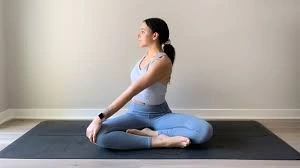
For those with stiff spines or tight shoulders, this is a great pose. It promotes digestion, eases back strain, and increases spinal flexibility.
Parsva Sukhasana (Side Bend in Easy Pose):
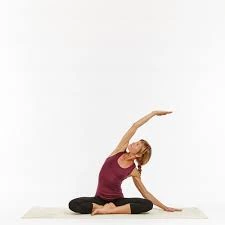
This pose releases tension, increases spinal flexibility, and stretches the torso’s sides. It is excellent for people who have side body stiffness and require a mild stretch to improve their posture.
Adho Mukha Sukhasana (Forward Fold in Easy Pose):
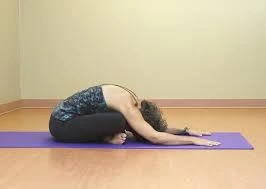
This position is beneficial for people with stiff lower backs and tight hips because it relaxes the nervous system, expands the hips, and reduces tension in the lower back.
Supta Sukhasana (Reclining Easy Pose):
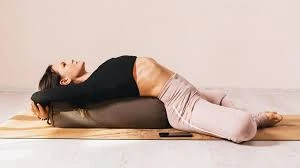
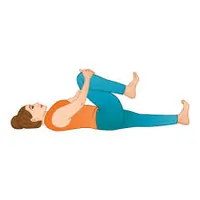
This pose encourages relaxation by opening the chest and gently stretching the lower back. It’s excellent if sitting up straight is painful due to tight hips or back pain.
Contraindications:
- People who have knee pain: Sitting cross-legged can impose strain on the knees, making them more uncomfortable. Instead, try these yoga positions for knee pain.
- People who have stiffness or injury in their hips: When sitting cross-legged, restricted hip mobility can lead to joint and muscular tension.
- Long periods of sitting in Sukhasana might worsen sciatic nerve pain or strain in people who have lower back or sciatica problems.
- Patients who have recently had hip, knee, or spine surgery should speak with a physician before performing Sukhasana.
Conclusion:
You can practice the easy position at any moment because it’s straightforward and fundamental. It entails sitting in whatever position seems comfortable. Whenever you need comfort, try sitting quietly and reclining on the floor. When combined with other asanas, the many advantages of this pose can be amplified.
FAQs
Is Sukhasana good for beginners?
Indeed! One of the easiest sitting yoga poses for beginners is Sukhasana, or Easy Pose. It gently enhances posture, flexibility, and mindfulness while offering a steady and cozy position for breathwork and meditation. For improved support, beginners might place blocks or pillows beneath their hips.
How long should I hold Sukhasana?
During breathwork or meditation sessions, you can hold Sukhasana for five to fifteen minutes. However, it’s crucial to pay attention to your body; if you experience lower back, knee, or hip pain, change positions or take breaks as necessary.
Sukhasana vs Siddhasana: What’s the difference?
Although they are both seated meditation positions, they vary in the following ways:
The basic cross-legged sitting pose, known as Sukhasana (Easy Pose), is perfect for beginners and meditation. There is no rigid alignment requirement, and the legs are crossed flexibly.
In the more organized meditative pose known as Siddhasana (Accomplished Pose), one foot rests against the opposite ankle while the other heel is positioned near the perineum. It is frequently regarded as more advanced and offers a deeper stretch.
Can I meditate in Sukhasana?
Indeed! The cross-legged meditation pose known as sukhasana promotes a calm yet attentive stance. Because it encourages sitting up straight and taking deep breaths, lengthier meditation periods can be had with no difficulty.
Can I practice Sukhasana during pregnancy?
Yes, but with some changes. Pregnant women should sit on a cushion and refrain from maintaining the posture for extended periods of time, but sukhasana can be a terrific prenatal pose for relaxation and breathwork. Before doing Sukhasana while pregnant, be sure to speak with a doctor or prenatal yoga instructor.
References:
- Easy Pose (Sukhasana): How to Do and Benefits – Fitsri Yoga. https://www.fitsri.com/poses/easy-pose
- Allen, W. (2025r, October 9). Sukhasana. https://myyogateacher.com/yoga-asana/sukhasana