18 Best Exercises for Functional Strength Training
Introduction
Exercises for functional strength training (FST) target several muscle groups and mimic daily activities like picking up shopping bags or small children. In order to enable patients to move easily and avoid injury, FST focuses on enhancing core strength, mobility, and coordination.
Exercises for stability, balance, and agility are also included. Traditional strength training, which concentrates on isolating muscle groups to build certain muscles, is not the same as FST. Increasing flexibility and balance, lowering the risk of injury, and enhancing everyday performance are all greatly enhanced by functional strength training.
Because it targets several muscle groups at once, it also offers a time-efficient workout, making it perfect for people looking for doable training options. All fitness levels, from novices to athletes, can benefit from this type of training, which can be modified with bodyweight or additional resistance to improve functional fitness and general health.
For whom is functional strength training appropriate?
- Functional strength training may be scaled to accommodate a variety of individuals’ abilities. “Older adults can benefit from exercises that improve their ability to get in and out of bed, reach overhead, and walk around the block, while athletes often require exercises to improve speed, power, and sport-specific skills,” he says.
- Before beginning any workout regimen, anyone suffering from a recent injury—especially one involving muscles, bones, or ligaments—should wait to begin functional strength training and consult their physician. Stressing the area is the last thing you want to do because it could slow healing or result in more damage.
Exercises for Functional Strength Training
Squat

- Position: Standing position.
- Place your feet shoulder-width apart and extend your toes slightly.
- Use your body weight or hold a dumbbell vertically at your chest (goblet style).
- Lower as far as is comfortable, or until the thighs are parallel to the floor.
- Maintain an erect chest and knees over toes. To get back up, drive through your heels.
- Ten to fifteen repetitions per session are recommended.
- Hold duration: 5 seconds is enough.
Lunges
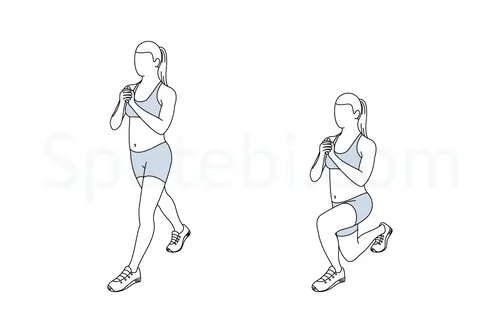
- Position: Kneeling position.
- Put your feet together and stand erect.
- Lower yourself into a lunge by stepping one foot back and bending both knees.
- While the back knee points downward, the front knee remains over the ankle.
- To get back to the beginning, push through your front heel.
Modifications of lunges
- Reverse lunge: Step backwards rather than forward to perform a reverse lunge. Increases the strength of the glutes.
- Walking Lunge: Walk across a room or open area while performing lunges. Compared to stationary lunges, they demand greater balance and coordination.
- Side Lunge: To target your inner and outer thighs and hit your gluteus medius more than with a standard lunge, step to the side instead of forward or backwards. Also known as a lateral lunge.
- Jumping Lunge: To increase cardio and provide a plyometric challenge, add a leap when changing legs. Ten to fifteen repetitions per session are recommended. Hold duration: 5 seconds is enough.
Prone swimmer

- Position: Prone position.
- Lie on the ground with your heels pointing upward and your toes and forehead pressed on the ground.
- Reach forward over your head with your hands down after unclasping them.
- Keeping your arms straight, slowly extend them to your sides.
- Clasp your hands behind the small of your back after rotating them upward and lowering them even farther.
- Ten to fifteen repetitions per session are recommended.
- Hold duration: 5 seconds is enough.
Mountain Climber
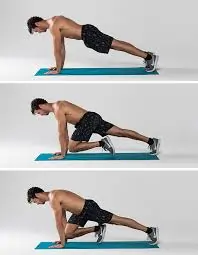
- Position: Prone lying position.
- Place your palms shoulder-width apart and perform a push-up.
- Return your right leg to its starting position after bringing your right knee up between your arms.
- Return your left leg to its starting position after raising your left knee between your arms.
- Ten to fifteen repetitions per session are recommended.
- Hold duration: 5 seconds is enough.
Bird dog

- Position: Prone lying position.
- Place your palms shoulder-width apart and perform a push-up.
- Raise your left arm and right leg into the air to counterbalance one another, keep them there for a second, and then put them back where they were.
- Repeat with your right arm and left leg. Ten to fifteen repetitions per session are recommended. Hold duration: 5 seconds is enough.
Hand push-up

- Position: Prone lying position.
- Place your palms shoulder-width apart and perform a push-up.
- As with a push-up, lower yourself until your head hits the ground.
- Push your shoulder blades back while raising your palms slightly off the ground.
- Put your palms back on the ground and raise yourself again.
- Ten to fifteen repetitions per session are recommended.
- Hold duration: 5 seconds is enough.
Kettlebell Deadlift
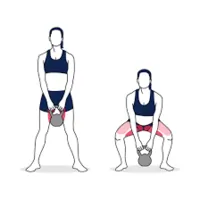
- Position: Standing position.
- Put a kettlebell on the ground and position your feet on either side of it.
- To grasp the kettlebell with both hands, slightly bend your legs and drive your hips back. Stand up straight and straighten your back and legs without locking your knees.
- Ten to fifteen repetitions per session are recommended.
- Hold duration: 5 seconds is enough.
Dumbbell Chest Press
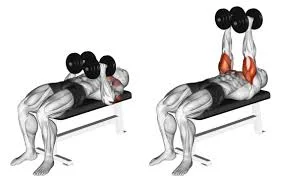
- Position: Supine lying position.
- Take two equal-weight dumbbells and place them on a bench.
- Start with your forearms vertical so that your elbows are exactly below the dumbbells and the dumbbells are held on either side of your chest (about level with your nipples).
- Keeping your elbows directly beneath the weights, slowly raise your arms until they are absolutely straight.
- Return your arms to the beginning position slowly.
- Ten to fifteen repetitions per session are recommended.
- Hold duration: 5 seconds is enough.
High Knee Sprint

- Position: Standing position.
- Place your feet hip-width apart and begin in a standard standing position. With each step, raise one leg till your thigh is parallel to the ground as you begin to run in place.
- Swing your arms so that the arm on the same side is down with each step. For instance, swing your left arm up and your right arm down while you raise your right knee.
- Ten to fifteen repetitions per session are recommended.
- Hold duration: 5 seconds is enough.
Overhead press
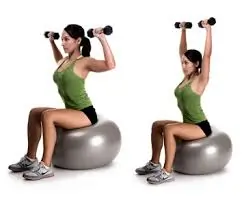
- Position: Standing or standing position.
- Take a set of dumbbells and raise them to your shoulders to begin.
- Take a breath, then gently brace your core.
- Exhale as you raise the dumbbells to straight arms.
- Take a breath at the peak or as you carefully lower the dumbbells back to your shoulders.
- Ten to fifteen repetitions per session are recommended.
- Hold duration: 5 seconds is enough.
Pull up

- Position: Standing position.
- Hold the bar slightly wider than shoulder-width, palms facing away from you.
- Look up at the bar while maintaining an elevated chest.
- Take a breath and raise yourself till the bar reaches your upper chest or your chin is above the bar. Breathe out and slowly descend until your arms are fully stretched.
- Ten to fifteen repetitions per session are recommended.
- Hold duration: 5 seconds is enough.
Step-up

- Position: Standing position.
- Holding dumbbells in each hand and keeping your arms at your sides, stand facing a plyo box or aerobic step to execute a step up.
- Step up onto the box with your right foot, place the entire foot on the box, and press through the foot to raise your body while maintaining a great, erect posture by keeping your core tight.
- Step backwards with your right foot, then use your left foot to follow.
- Ten to fifteen repetitions per session are recommended.
- Hold duration: 5 seconds is enough.
Dumbbell Lateral Raise

- Position: Sitting position.
- You have your arms by your sides, palms facing in. Place your feet about hip-distance apart. Examine your posture by looking straight ahead, rolling your shoulders back, and using your core.
- Simultaneously extend your arms a few inches to either side, then stop. By taking a little break, you should be able to target the deltoids as intended by disengaging your trapezius muscle from the exercise.
- Keeping your arms nearly straight, raise the dumbbells up and out to each side. Stop when your elbows are at shoulder height and your body.
- Ten to fifteen repetitions per session are recommended.
- Hold duration: 5 seconds is enough.
Plank

Plank steps:
- Position: Prone lying position.
- Form a straight line from your head to your heels by starting in a high plank position with your shoulders over your wrists.
- With your elbow directly beneath your shoulder, place your right forearm on the ground.
- Next, place your left forearm on the ground with your elbow directly beneath your shoulder.
- After pausing, press through your right forearm to lower your right hand to the floor beneath your shoulder.
- Next, bring the left hand back to the floor under the shoulder by applying pressure through the left forearm.
- Ten to fifteen repetitions per session are recommended.
- Hold duration: 5 seconds is enough.
Bridging

- Position: Supine lying position.
- Bend your knees and lie on your back. Tighten your stomach muscles. Lift your hips off the ground until they are in line with your shoulders and knees.
- Take three deep breaths and hold. Ten to fifteen repetitions per session are recommended.
- Hold duration: 5 seconds is enough.
Dragon flag
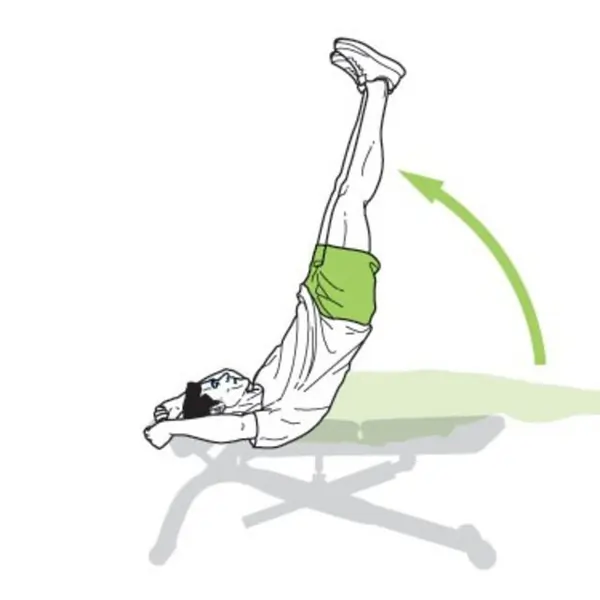
- Position: Supine lying position.
- With your core active, raise your legs off the floor and swing them straight over your torso.
- To begin from a safe position, firmly grasp the side of the bench with both hands.
- Slowly descend while maintaining control over the motion.
- Ten to fifteen repetitions per session are recommended.
- Hold duration: 5 seconds is enough.
Twisted crunches

- Position: Supine lying position.
- Make a V shape with your torso and thighs by extending and straightening your spine at a 45-degree angle from the floor.
- Stretch your arms out in front of you and clasp your hands together or intertwine your fingers.
- Ten to fifteen repetitions per session are recommended.
- Hold duration: 5 seconds is enough.
Resistance band pull apart
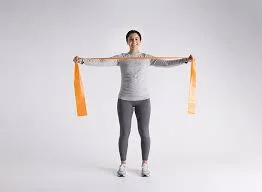
- Position: Standing or sitting position.
- Place your arms at chest height in front of you while standing.
- Using both hands, firmly grasp a resistance band. The band need to run parallel to the floor.
- Pull the band toward your chest by extending your arms to your sides while maintaining a straight posture. Start this exercise with your mid-back.
- Squeeze your shoulder blades together while maintaining a straight spine, then gradually go back to where you were.
- Ten to fifteen repetitions per session are recommended.
- Hold duration: 5 seconds is enough.
Benefits of Functional Strength Training
- Functional training should not be confused with sport-specific training, which stresses isolating all support to a specific sport setting and is meant to be myopic.
- Instead, it is a sport-general training technique that uses particular exercise selection, technical execution, and a progression of variables related to speed and power to reinforce and develop the common motions of sprinting, jumping, acceleration, and change of direction.
- It should be mentioned that techniques like bodybuilding, powerlifting, and Olympic weightlifting are not excluded by the phrase functional training.
- Since each of the three examples is a separate sport, it actually encourages and highlights its use to better meet the needs of the athlete.
- The emergence of functional training was motivated by the desire to make training less dogmatic and to focus on how to best acquire particular attributes that supported the athlete’s objectives.
- Olympic weightlifting and powerlifting frequently provide practical advantages that enhance various facets of sports performance.
Precautions while exercising
When done properly, functional strength training is usually safe, which makes it an excellent choice for people of all fitness levels. However, it’s crucial to adhere to the following rules in order to reduce the chance of harm and increase efficacy:
- To help your body adjust to new exercises and avoid strain or overuse issues, start strength training gradually. If you start heavy lifting too soon, you run the danger of developing joint pain, strained muscles, or poor technique.
- Prior to adding weight, concentrate on correct form. Muscle imbalances, pain, or even long-term injuries can result from performing workouts incorrectly. If you’re not sure about your technique, consider working with a skilled trainer or evaluating your posture and movement patterns in front of a mirror.
- To improve form and increase muscle endurance, start with smaller weights and more repetitions. You may improve your neuromuscular coordination and stability using this method, which is crucial for making safe development in strength training.
- As you gain strength, progressively increase the weight to test your muscles and encourage ongoing development. The secret to successfully developing strength is progressive overload, which involves progressively raising resistance over time. But always pay attention to your body and avoid lifting too much too fast.
- Your program should include rest, since muscles require time to heal and get stronger. Fatigue, poor performance, and an increased risk of injury can result from overtraining without sufficient rest. Between strength-training sessions for the same muscle area, try to get at least 48 hours of recovery or healing.
Aspects of a program for functional exercise
A functional fitness program should have several components that may be tailored to each person’s needs or objectives in order to be effective: based on practical tasks aimed at daily routines.
- Individualised: Every person should have a customised training program. Any program must be tailored to each person’s objectives and concentrate on worthwhile activities. Additionally, it needs to be tailored to each person’s health, including any injuries they may have had in the past. Exercise selection and training load should be guided by an assessment.
- Integrated: It should include a range of exercises that target different movement planes and improve flexibility, core, balance, strength, and power.
- Progressive: The task’s difficulty is gradually increased through progressive training.
- Periodized, mostly through task variation and training with distributed practice.
- Modification of real-world objects.
- Carried out in surroundings that are context-specific.
- After a performance, feedback should be included (both trainer/therapist and self-feedback on success are used).
Traditional vs. Functional Strength Training
A bodyweight squat is one of the exercises used in functional strength training. I adore the devil’s press just as much as everybody else, but fortunately, we don’t use it on a daily basis!
Traditional strength training and functional strength training share certain similarities. Because functional strength training includes resistance workouts that test the body’s muscles, it can increase strength. Similar to this, traditional strength training can improve functional fitness to a certain degree because daily activities benefit from greater muscle capacity and strength.
Strength-training equipment
- Bodyweight: Squats, push-ups, and chin-ups can be performed with body weight (useful, especially when travelling or at work).
- Resistance band: When stretched, resistance bands offer resistance. They are adaptable to the majority of workouts and portable. Throughout the movement, the bands offer constant resistance.
- Dumbbells: Free weights are traditional strength training equipment like kettlebells, barbells, and dumbbells.
- Sandbag: Sandbags or medicine balls are weighted bags or balls.
- Weight machines: Weight machines are machines having movable seats and handles that are either hydraulically or weight attached.
- Suspension bar: Suspension equipment is a training aid that performs a variety of workouts using the user’s body weight and gravity.
Creating a Program for Resistance and Strength
- Choice: This concept allows people to have some autonomy and control over their training regimen, which may be customised to fit their particular potential, preferences, and goals. Giving people a choice can encourage motivation, engagement, and program adherence. All things considered, this idea can offer a more effective training schedule and present a chance for a fruitful strength program.
- Order: The strategic placement of exercises included in a training program is referred to as the order principle. The efficiency and general advancement toward strength and functionality can be directly impacted by the sequence in which exercises are performed. Allowing optimal performance for each exercise is the most important lesson to be learned from this idea. Exercise selection, exercise priority, multi-joint before single-joint, and fatigue consideration are other order-related factors to take into account.
- Frequency: The concept of frequency describes how frequently a person trains a particular muscle group over a predetermined period of time in order to increase strength or restore an impairment. In order to enable high-quality strength increase and impairment restoration, this approach concentrates attention on establishing a well-balanced relationship between training frequency and recovery.
- Intensity: Depending on a person’s level of fitness, a strength exercise program’s intensity will change. Exercise regimens can be tailored to each individual by using the rate of perceived exertion scale (RPE) as an intensity assessment. The modified RPE scale, which ranges from 1 to 10, with 1 representing extremely easy and 10 representing maximal effort, can be used by individuals.
Conclusion
Focusing on various joints and muscle groups, functional strength training (FST) helps people perform daily tasks more effectively and avoid injury. Exercises that replicate daily activities are part of FST, such as squatting to simulate sitting and rising from a chair. In addition to sport-specific training for athletes, FST may assist in preserving muscular function and strength as people age.
With little to no equipment, people can perform FST at home or in a gym, with a minimum of two sessions each week. If someone has any injuries or pre-existing medical concerns, it is crucial to consult a healthcare provider beforehand.
FAQs
Which five pillars make up functional movement?
Pressing, pulling, level changes, rotation, and locomotion are the fundamental motions, which are referred to as the five pillars of human movement. Each pillar contributes to general strength, mobility, and coordination and is an essential component of functional fitness.
How would you describe functional training?
The same muscular movements you utilise on a daily basis are trained through functional training. For instance, to strengthen their capacity to get out of a chair, an elderly person could perform bodyweight squats. Training for these daily tasks might make them easier.
What does functional training look like?
The same muscular movements you utilise on a daily basis are trained through functional training. For instance, to strengthen their capacity to get out of a chair, an elderly person could perform bodyweight squats. Training for these daily tasks might make them easier.
Which is preferable, functional training or the gym?
Functional training is the best option if you want to increase your general strength and mobility so you can move more easily in daily life. However, lifting big weights with traditional strength training is a superior choice if your objective is to increase pure strength and gain substantial muscular growth.
Does functional training have an advantage over weightlifting?
Functional training has significant advantages for all demographics, even though it produces less muscular growth than classical weightlifting. Enhanced core stability, balance, and joint mobility can help prevent falls and support everyday activities well into retirement.
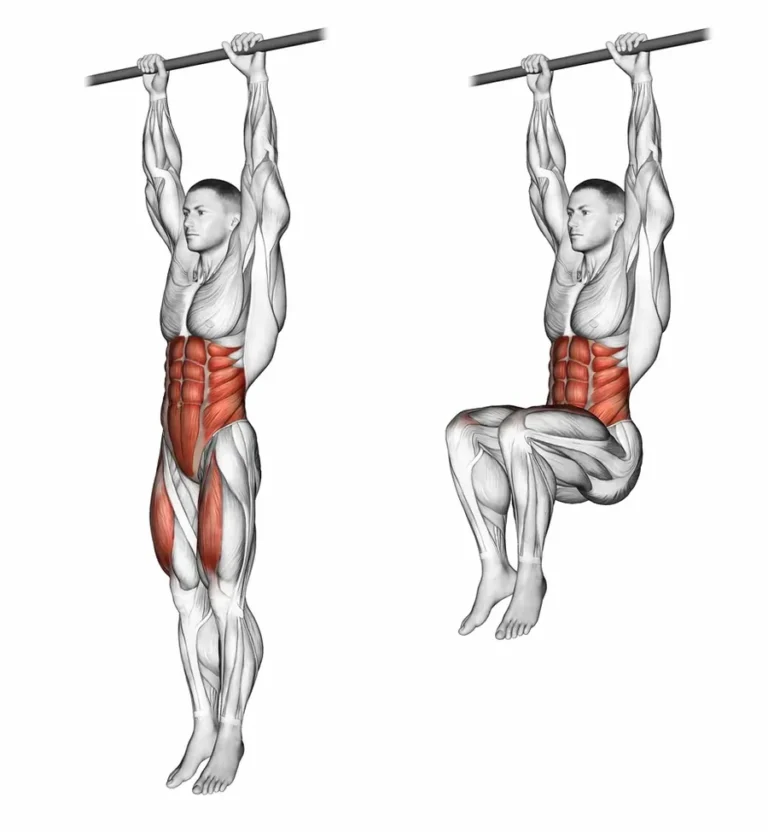
Leg lifts or dragon flags: which is better?
I think it’s the dragon flag, but be warned—they’re much more difficult than they appear. You are already at an outstanding level of fitness if you can complete one repetition. The majority of people perform hanging leg lifts, which are also beneficial, but I’ve replaced them with dragon flags since they stabilise your torso.
References
- Sissons, B. (2025, July 2). What is functional strength training, and how can I get started? https://www.medicalnewstoday.com/articles/functional-strength-training
- Wikipedia contributors. (2025b, December 1). Functional training. Wikipedia. https://en.wikipedia.org/wiki/Functional_training
- Burch, K. (2025, February 7). What is functional strength training? Verywell Health. https://www.verywellhealth.com/functional-strength-training-8782649
- Derwin, J. (2025, April 3). What is Functional Strength Training? — Volt Performance Blog. Volt Performance Blog. https://blog.voltathletics.com/home/2024/7/20/what-is-functional-strength-training
- Derwin, J. (2025, April 3). What is Functional Strength Training? — Volt Performance Blog. Volt Performance Blog. https://blog.voltathletics.com/home/2024/7/20/what-is-functional-strength-training
- Fawkes, J. (n.d.). The 30 Best Exercises for Functional strength and Mobility. https://www.spartan.com/en/blog/best-exercises-for-functional-strength
- Abelsson, A. (2024, August 9). The 10 best functional strength training exercises. StrengthLog. https://www.strengthlog.com/functional-strength-training-exercises/
- Cnc, A. S. M. C. (2025, July 1). The complete guide to Functional Strength Training +7 exercises. Marathon Handbook. https://marathonhandbook.com/functional-strength-training/
- Cpt, M. C. (2025, November 28). A 30-Minute indoor workout that you can easily do at home. Runner’s World. https://www.runnersworld.com/training/a69558513/30-minute-workout-at-home/
- Aldridge, L. (1970, January 1). 7 functional strength training moves that Peloton instructors swear by. https://www.onepeloton.com/blog/functional-strength-training
- Bridge exercise. (n.d.). Mayo Clinic. https://www.mayoclinic.org/healthy-lifestyle/labor-and-delivery/multimedia/bridge-exercise/img-20006409
- Sinrich, J. (2024, June 25). The Ultimate guide to functional strength training. Verywell Fit. https://www.verywellfit.com/functional-strength-training-8666465
- Cronkleton, E. (2023, April 10). Tone Your Core and Shoulders with a Russian Twist. Healthline. https://www.healthline.com/health/russian-twist#instructions
- https://www.healthshots.com/fitness/muscle-gain/dragon-flag-exercise-benefits/
- Ascm-Cep, L. W. M. (2024, June 7). How to do lateral raises. Verywell Fit. https://www.verywellfit.com/side-lateral-raise-4588211