
Daily Strengthening Exercise for Joint Longevity
Introductuon
To keep being active and move freely, joints must be strong and well-maintained. Your joints support every movement you make, whether you’re strolling about your house, running errands, or playing sports.
However, joints can become uncomfortable, stiff, or even destroyed as we age or after an injury. Fortunately, one of the best strategies to maintain joint health and avoid long-term problems is frequent exercise.
Can your joints get stronger?
Maintaining a healthy weight and nutrition, along with different forms of activity, can help strengthen your joints. These exercises can help lower your risk of injury and greatly increase your general mobility.
Your joints can become stronger with exercise by:
- Boosting the density of bones
- Increasing adaptability
- Strengthening muscles, encouraging circulation, which supplies vital nutrients and oxygen to cartilage, releasing synovial fluid, a joint lubricant that minimizes wear and tear and reduces friction, stimulating the synthesis of proteins to support cartilage growth and repair, and lowering inflammation
Why is joint strengthening important?
There are various reasons why joint strengthening is essential.
Lowers the chance of injury: Stronger joints are more sensitive to pressure and stress, which may lower the chance of damage.
Enhances joint function: Walking, standing, and lifting are all made easier with stronger joints.
Prevents joint degeneration: You can slow down or stop joint degeneration by strengthening the muscles surrounding your joints to lessen the strain on the joint.
Boosts athletic performance: Stronger joints can boost athletic performance in addition to lowering the chance of injury.
Low-Impact Aerobic Exercise
Cardiovascular workouts, often known as aerobic exercises, increase energy, enhance circulation, and advance general health. Low-impact aerobic workouts are especially good for joint health since they provide a full-body workout while lowering joint stress.
These exercises are great for people with joint discomfort or disorders like arthritis because they increase endurance, promote healthy cartilage, and lower inflammation.
Low-impact aerobic exercise examples include:
Walking: Walking is an easy and accessible activity that keeps the knees, hips, and lower back mobile, strengthens the legs, and enhances circulation. On most days of the week, try to fit in 30 minutes of hard walking.
Swimming: Many people believe that swimming is the ideal exercise for joints. The body is supported by the buoyancy of water, which relieves joint pressure and permits a complete range of motion. Swimming increases joint strength and flexibility by using all of the main muscle groups.
Cycling: Cycling is a low-impact workout that strengthens the knees, hips, and legs without placing undue strain on the joints, whether it is done outside or on a stationary bike. It has important advantages for improving heart health as well.
Strengthening Exercise for Joint Longevity
Leg Press

Leg Press steps:
- Step 1: Position your feet shoulder-width apart on the platform while seated on the leg press machine. Make sure your knees are bent at a 90-degree angle by adjusting the seat. To engage your muscles in different ways, you can raise your feet on the platform (glutes and hamstrings) or drop them (quadriceps).
- Step 2: Keep your back against the backrest while gripping the handles close to the seat. To activate your core, squeeze your glutes and abdominals.
- Step 3: Let go of the safety and slowly move the weights or platform as close to you as you can.
- Step 4: At the bottom of the exercise, pause slightly.
- Step 5: Without locking your knees, exhale and push the platform away from you.
- Step 6: To get back to the beginning posture, take a breath and bend your knees.
- Step 7: Continue until you reach the required number of repetitions.
Squats
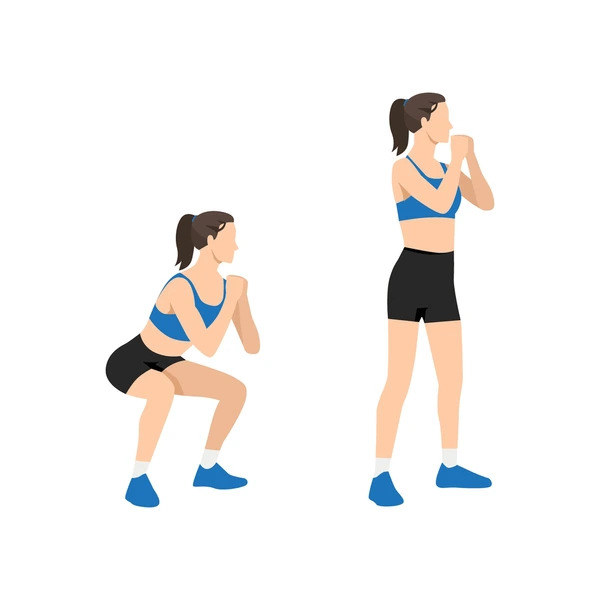
- Step 1 Starting Position: Stand with your hands at your sides, palms facing inward, and your feet slightly wider than hip-width, with the toes turned slightly outward.
- Step 2: To support your spine, brace your abdominal and core muscles. Push your hips into the wall behind you while shifting your weight back into your heels, holding your chest up and out, and tilting your head slightly upward.
- Step 3: Downward Phase: To begin the downward phase, move your hips backward and then downward, making your knees and hips move like joints at the same time. The knees will then begin to progressively shift forward as you drop your hips, but attempt to regulate how much the tibia (shinbone) moves forward. Try to keep your back flat and keep your core muscles tense (keep bracing).
- Step 4: Keep lowering yourself until your body starts to curve or flex forward, your thighs are parallel or almost parallel to the floor, or your heels start to lift off the ground. Keep an eye on your knees, ankles, and feet to make sure the knees stay in line over the second toe, the ankles don’t collapse in or out, and the feet don’t move.
- Step 5
- From the lowered position, the body weight should be split equally between the balls and heels of the feet, and the knees should stay in line over the second toe. From the side, the torso and tibia (shinbone) should be parallel to one another, and the low back should be flat or beginning to round.
- Step 6: Upward Phase: Exhale and press your feet through your heels into the floor to extend your hips and knees while keeping your head, chest, and back upright. With the knees positioned over the second toe and the heels flat on the ground, the hips and torso must rise simultaneously. Until you are back where you started, keep expanding.
Push-Ups

Push-up steps:
- Start with your hands slightly wider than your shoulders in the high plank position.
- With your entire body locked and your core active, concentrate on maintaining your shoulders away from your ears.
- Make an arrow form with your body by lowering your chest toward the floor and keeping your elbows below your shoulders.
- Push the floor away from you with explosive force until your arms are fully extended.
- Repeat
Single-Leg Stands
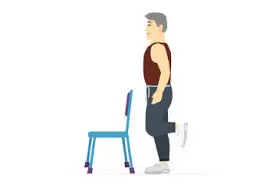
Start by placing your feet comfortably apart.
Bring your heel closer to your butt by shifting your weight onto one foot while raising your other foot off the ground.
To help you balance, extend the opposing arm in front of you and grasp your elevated foot or ankle with your hand.
To help with stability, hold this position while keeping your eyes on a location on the floor a few feet ahead of you.
Go back to where you were.
On the other side, repeat.
Your hip, leg, and ankle muscles may be engaged as you perform each repetition.
Tai Chi

Initial Setup (Wuji Stance): Stand with your feet shoulder-width apart, your knees slightly bent, your spine straight, and your shoulders relaxed. Take deep breaths and concentrate on feeling grounded through your feet.
Weight Shifting (Tai Chi Walking): Slowly move all of your weight to one leg, making it “substantial” (full) and the other “insubstantial” (empty). The foot that is empty should be light so that it is easy to step on. Move without any sudden changes.
The “Crane” Movement: As you breathe in, lift your arms to the sides and shift your weight to one side, maybe even lift your empty leg. When you breathe out, lower your arms and either step down or shift your weight to the other side.
Cloud Hands: Keep your hands relaxed at your chest. Move your waist and shift your weight from one side to the other. The hands should move across the middle of the body, and the eyes should follow the hands.
Column/Opening Form: Cross your wrists in front of your waist to start. Breathe in as you move your hands up and out. As you breathe out, pull them down and push them out a little, making sure your knees stay bent.
FAQs
What exercises are good for joint longevity?
Because both yoga and Pilates focus on regulated movements, core strength, and flexibility, they are excellent for joint health. These exercises are ideal for maintaining joint function throughout life because they increase joint mobility, reduce stiffness, and improve alignment.
Which exercises increase longevity?
More than other activities, tennis and other tennis-like sports have been associated with a lower chance of dying young, according to recent research, possibly because they combine social interaction with mental and physical challenges. Golf, swimming, and cycling are further sports that promote longevity.
How do I lubricate my joints naturally?
To naturally lubricate joints, you need to stay hydrated (drink 8–10 cups of water a day), do low-impact exercises like swimming or walking regularly to increase synovial fluid, and eat foods that fight inflammation, such as fatty fish, walnuts, and flaxseeds. Keeping a healthy weight and using cold compresses to help you recover also lowers the pressure on your joints.
How to Naturally Lubricate Your Joints
Stay hydrated: Water is very important for the health of your joints. When you don’t drink enough water, your cartilage becomes stiff, and the amount of synovial fluid decreases. Drink at least eight to ten glasses of water every day.”Motion is Lotion” (Exercise): Moving around a lot makes more synovial fluid. Add low-impact activities like swimming, walking, yoga, cycling, or tai chi to your routine.
Eat Foods That Fight Inflammation: Eating more omega-3 fatty acids, which are found in salmon, mackerel, trout, and flaxseeds, can help keep your joints lubricated.
Eat Foods That Boost Collagen: To help repair cartilage, eat foods high in vitamin C, like citrus fruits, peppers, and broccoli.
Keep Your Weight in Check: Losing extra weight takes a lot of pressure off your knees and stops cartilage from breaking down.
Foods that are high in nutrients: To lower inflammation, eat nuts (like walnuts and almonds), seeds (like chia), and fermented foods (like yogurt and buttermilk).
Important Nutrients and Supplements
Omega-3 fatty acids lower inflammation in the joints and make cartilage stronger.
Collagen Peptides: Helps rebuild cartilage and gives joints structural support.
Vitamin D is important for strong bones and lessening joint pain.
What are 5 exercises that increase bone density?
Bone-strengthening or weight-bearing exercises that work well to make bones denser focus on putting stress on bones to make them grow. Goblet squats (knee bends with extra weight), dumbbell deadlifts (hinging movements), shoulder presses (lifting weights over your head), walking or jogging (impact loading), and resistance band training are all important exercises.
Five exercises that can help make your bones denser (with examples of how to use them)
Goblet Squats: To do a squat, hold a dumbbell against your chest and make sure your back is straight and your hips go low. This will make your hips and spine stronger.
Deadlifts with dumbbells: Use dumbbells to do a hinging motion, bending at the knees and hips to pick up weight. This strengthens the spine and hamstrings.
Shoulder Presses (Overhead Press): Hold dumbbells at shoulder height and push them straight up over your head. This will help make your upper body denser.
Rucking or Walking with Weights (Walking/Hiking): To add impact and vertical pressure, walk quickly while wearing a weighted vest or backpack that weighs about 20–25% of your body weight. This will help your bones grow.
Resistance Band Pulls (Band Exercises): Use resistance bands to do exercises like rows or chest presses. The bands give your bones something to pull on, which makes them stronger.
Similar Words and Phrases
Exercises that make bones stronger: weight-bearing exercises, strength training, and resistance training.
Jogging, jumping, skipping, and hopping are all high-impact exercises.
Low-impact exercises include walking quickly, dancing, and climbing stairs.
Tai chi and standing on one leg are two ways to train your balance.
Can strength training reverse osteoporosis?
Strength training and weightlifting can prevent bone loss and, according to some research, even increase bone mass. This is essential for everyone, whether or not they have been diagnosed with osteoporosis, because it helps prevent the natural loss of bone mass that comes with aging.
What is the most anti-aging exercise?
Consider jogging, cycling, dancing, swimming, or brisk walking. Your heart beats faster, and your lungs take in more breath as a result of these exercises. Improving cardiovascular fitness can reduce your risk of heart disease, hypertension, diabetes, and stroke because heart and lung function deteriorate with age.
What are the 7 habits of longevity?
Consume regular meals. The healthiest approach to eating is to follow a routine.
Regular Exercise = longer life.
Sleep Well.
Maintain a Moderate Weight.
Drink Less Alcohol.
Avoid Smoking.
Eat Breakfast.
Why do tennis players live longer?
Physical well-being
People move when they play tennis! Generally speaking, playing tennis increases life expectancy by up to 10 years compared to leading a sedentary lifestyle. This is partly because tennis players have a significantly decreased chance of cardiovascular disease.
What vitamin deficiency causes stiff joints?
While each person’s symptoms of vitamin D insufficiency are unique, the most common ones are joint pain, tiredness, weakness, discomfort in the muscles, bone pain, numbness, and depression.
What are the golden 6 exercises?
Barbell Squats, Wide-Grip Barbell Bench Press, Chin-ups, Behind-the-Neck Overhead Press, Barbell Curls, and Bent-Knee Sit-ups are the workouts that make up the Golden Six.
What to drink to lubricate joints?
Drinking enough water will help prevent gout attacks and keep your joints lubricated. You can eat less and lose weight by drinking water before a meal. Advice: Avoid squandering money on improved waters. Usually, very little extra nutrients, electrolytes, or antioxidants are given.
What is the fastest way to increase bone density?
The best way to make your bones denser is to do heavy resistance training along with high-impact, weight-bearing exercises like jumping, jogging, or hopping. This makes cells that make bones stronger, which can happen in as little as 8 months. Calcium, vitamin D, and protein are important for nutrition, and hormone replacement therapy is an example of a possible medical treatment.
Fast Ways to Boost Bone Density:
High-Impact Training (Most Effective): Jumping-based exercises, like jumping from a 10-inch step or doing squat jumps, put a lot of stress on bones, which makes them denser.
Heavy Resistance Training: Lifting heavier weights at a higher intensity is better for increasing bone density, especially in the spine and hips.
Best Nutrition:
Calcium: Get 1,000 to 1,200 mg a day from nuts, dairy, and leafy greens.
Vitamin D: Try to get 600–800 IU of it every day to help your body absorb calcium.
Vitamin K2 is found in fermented foods like natto and cheese. It helps minerals stick to bones.
Stop smoking and limit your alcohol intake to one drink per day to keep your bones healthy.
Which three activities are good for strengthening bones?
workouts including weight-bearing.
Exercises that increase resistance to movement, such as weightlifting, help muscles work harder and get stronger.
References
- 10 tips for Healthy knees and strong joints as you Age. (2025, December 18). Arthritis Foundation. https://www.arthritis.org/health-wellness/healthy-living/managing-pain/joint-protection/tips-for-healthy-knees
- Exercises for the knees. (n.d.). Arthritis UK. https://www.arthritis-uk.org/information-and-support/living-with-arthritis/health-and-wellbeing/exercising-with-arthritis/exercises-for-healthy-joints/exercises-for-the-knees/
- Hrosm. (2026, January 26). Joint health: Top exercises for longevity | Hampton Roads. Hampton Roads Orthopaedics Spine & Sports Medicine. https://www.hrosm.com/the-best-exercises-to-maintain-joint-health/
- National Institute on Aging. (2026, January 26). Three types of exercise can improve your health and physical ability. https://www.nia.nih.gov/health/exercise-and-physical-activity/three-types-exercise-can-improve-your-health-and-physical
- Painter, K. (2024, April 10). 10 exercises to help you live longer. AARP. https://www.aarp.org/health/healthy-living/exercises-to-live-longer/
- Pedersen, T. (2023, April 6). 5 ways to strengthen your joints. Healthline. https://www.healthline.com/health/how-to-strengthen-joints
- Preventive exercises to help your joint longevity: Thomas J. Kane, III, MD: Board-certified orthopedic surgeon. (n.d.). https://www.kaneorthopedicinstitute.com/blog/preventive-exercises-to-help-your-joint-longevity
- Strength training for longevity. (2025, May 9). https://www.acefitness.org/resources/pros/expert-articles/8882/strength-training-for-longevity/?srsltid=AfmBOoqBaJVF6YIhGvzNprvjxrfqYuIV_-kabI5hL1R2GQ72gaQqU2gn
- Bodyweight Squat | Exercise Library | ACE. (n.d.). https://www.acefitness.org/resources/everyone/exercise-library/135/bodyweight-squat/?srsltid=AfmBOopgLBJPLVgoxC8PMU3i26MH4j4xMIS_N79pyg-M_OH9KYD2Ou-w
- Neudecker, K. (2025, April 1). The Ultimate guide to perfect Press-Ups. Men’s Health. https://www.menshealth.com/uk/how-tos/a754908/ultimate-guide-to-the-press-up-edit/
- Single-leg balance. (n.d.). [Video]. Hingehealth. https://www.hingehealth.com/gb/en/resources/articles/single-leg-stance/