

Top Home Exercises for Frozen Shoulder
Introduction
Frozen shoulder, also known as adhesive capsulitis, is a common condition that causes pain, stiffness, and a gradual loss of movement in the shoulder joint. It often develops slowly and can make simple daily activities such as reaching overhead, combing your hair, getting dressed, or sleeping on the affected side difficult. Frozen shoulder is more common in people between the ages of 40 and 60, especially women, and may also occur after a shoulder injury, surgery, prolonged immobilization, or in individuals with diabetes.
The good news is that regular, gentle exercises can play a major role in improving shoulder mobility and reducing stiffness over time. Home exercises help stretch the joint capsule, maintain flexibility, strengthen the surrounding muscles, and gradually restore your shoulder’s normal range of motion. While progress may be slow, performing the right exercises consistently can lead to significant improvement and help you return to your everyday activities with less pain.
In this guide, you’ll discover a collection of safe and easy frozen shoulder exercises that can be performed at home with little or no equipment. Always begin with a light warm-up, move within a comfortable range, and avoid forcing painful movements. Mild stretching discomfort is normal, but sharp or severe pain is a sign to stop and consult a healthcare professional.
Remember that recovery from frozen shoulder requires patience and consistency. Everyone heals at a different pace, so focus on gradual improvement rather than immediate results. If your symptoms are severe, worsening, or not improving after several weeks of regular exercise, seek advice from a qualified physiotherapist or healthcare provider.
With the right approach, dedication, and proper exercise routine, you can safely regain shoulder function, reduce pain, and improve your overall quality of life from the comfort of your home.
What is frozen shoulder?
The painful disease known as “frozen shoulder” limits your shoulder’s range of motion. Adhesive capsulitis is another term for frozen shoulder.
The strong connective tissue that surrounds the shoulder joint, known as the shoulder joint capsule, thickens, stiffens, and becomes inflamed when you have frozen shoulder.
Because the more discomfort you experience, the less likely you are to utilize your shoulder, the condition is known as “frozen” shoulder. Your shoulder becomes “frozen” in its posture due to the thickening and tightening of the shoulder capsule caused by inactivity.
The “freezing” stage is characterized by a stiff shoulder that hurts to move. The discomfort gradually gets worse. At night, it can get worse. Your shoulder becomes more immobile. The duration of this phase ranges from six weeks to nine months.
The “frozen” stage: Your shoulder may get less painful during this phase, but it will still be stiff. Completing daily duties and activities becomes more challenging as a result. Two to six months pass during this phase.
The stage of “thawing” (recovery): At this point, the pain subsides, and your shoulder’s range of motion gradually improves. Typically, strength and motion return to complete or nearly full recovery. The duration of the stage ranges from six months to two years.
What Is a Shoulder Joint?
The connection between your collarbone, shoulder blade, and upper arm bone is known as the glenohumeral joint. Where the ends of your bones connect is called a joint.
This indicates that your shoulder blade’s curve accommodates the rounded end of your upper arm bone. Because of this, it has more range of motion than any other joint in your body.
What does the shoulder joint do?
You can do the following thanks to your shoulder:
- As you take up a cup of coffee or shake someone’s hand, raise your arm in front of your body.
- Reach behind your back to scratch an itch or put on a coat.
- Rotate your arm to toss a ball or turn the lever on a faucet.
Where is your glenohumeral joint located?
The joint is located at the top of your arm, where the top of your shoulder blade and upper arm bone connect.
The acromioclavicular joint, often known as the AC joint, is located where your collarbone and shoulder blade meet. Your AC joint remains stationary unless your shoulder muscles cause it to move, in contrast to your free-wheeling shoulder joint. This joint is where your shoulder ligaments attach.
The strong, flexible tissue that borders the glenoid labrum, the cup of the shoulder blade, is called cartilage. The ends of the bones that join your joint are cushioned by more cartilage.
Your shoulder is held and supported by the rotator cuff, a collection of muscles and tendons. They facilitate shoulder rotation and turning.
Your acromioclavicular joint is supported by fluid-filled sacs called subacromial bursae.
Synovial membrane: This membrane creates a smooth fluid that envelops your shoulder to facilitate easier movement.
Frozen Shoulder Exercises
Shoulder Pendulums
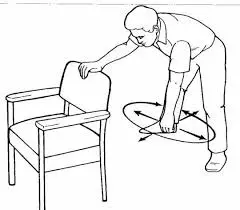
Since they are usually well-tolerated and a good approach to begin restoring shoulder movement, they are frequently among the first exercises recommended for frozen shoulder. The gentle reintroduction of shoulder movement can be facilitated by the low-impact exercise.
To carry out this exercise:
- Lean forward from the waist while standing with your feet shoulder-width apart.
- For support, place your unaffected arm on a table or chair.
- Allow your affected arm to drop to the ground and unwind.
- Like a pendulum, gently swing your affected arm back and forth in a circular pattern.
- Change to a side-to-side motion after a few repetitions.
- Depending on the treatment’s objective, the exercise can be modified. It’s crucial to bear in mind that the motions should be moderate and should not be abrupt or jerky. Stop the workout right away and speak with the physical therapist if you experience any discomfort.
Cross-Body Reach

A basic exercise that can assist in developing shoulder range of motion and flexibility is the cross-body reach. When done properly, it can also lessen discomfort and pain in the affected area.
To carry out this exercise:
- Place your feet shoulder-width apart and stand upright.
- Until you feel a stretch, gently pull the affected arm over your chest. Grasp your affected arm slightly above the elbow with your unaffected arm to provide support.
- Typically, the physical therapist will begin with a low dosage and increase the number of repetitions or length as tolerated. Pulling too hard on the affected arm should be avoided as this could result in more discomfort or damage. Stop the workout right away and speak with the physical therapist if you experience any discomfort.
Shoulder External Rotations
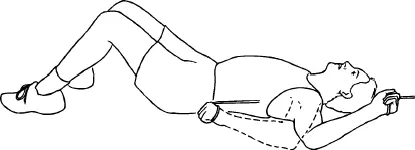
An efficient exercise for strengthening the muscles at the rear of the shoulder is external rotation. This is a crucial exercise for recovering shoulder strength and range of motion since external rotation is one of the primary movements lost with frozen shoulder.
To carry out this exercise:
- To begin, take a comfortable seat or stand.
- Bend the affected arm’s elbow to a 90-degree angle. After a few seconds of holding, gradually go back to the beginning position.
This exercise may have a limited range at first. In addition, the physical therapist might begin with a low-resistance band and progressively raise it as the patient’s strength increases. Stop the workout right away and speak with the physical therapist if you experience any discomfort.
Wall Crawl

By progressively increasing the distance that the fingers can crawl up the wall, the wall crawl exercise can help increase the range of motion. The tendons and muscles of the shoulder are stretched and worked as the fingers climb up the wall, which may assist in improving the shoulder joint’s general flexibility.
To carry out this exercise:
With your affected arm extended forward and your fingertips in contact with the wall, face a wall.
Return to the beginning position by slowly lowering your fingers down the wall.
It’s crucial to move gently because this exercise tests shoulder flexibility. Avoid scaling the wall too high, as this may result in further discomfort or harm. Stop the workout right away and speak with the physical therapist if you experience any discomfort.
Sleeper Stretch
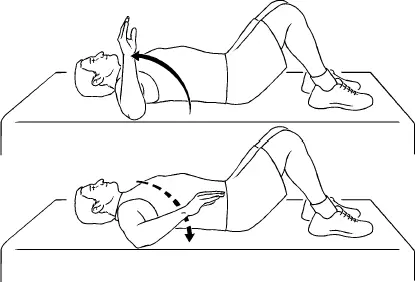
A more difficult shoulder flexibility exercise is the sleeper stretch. The internal rotation movement, which is frequently impeded by frozen shoulder, is the primary focus of the exercise. For this exercise to be effective, technique is especially crucial; thus, it’s critical to adhere to the physical therapist’s instructions.
To carry out this exercise:
With your affected arm at a 90-degree angle to your torso, lie on your unaffected side.
Lower your affected arm gently in the direction of your feet toward the bed.
The movement can be gradually guided by the unaffected arm. Avoid applying excessive pressure to your affected arm, as this may result in more discomfort or damage.
Although this exercise has several advantages, it can hurt or irritate the shoulder if done incorrectly. Therefore, it is usually advisable to see a physical therapist before beginning this workout. Stop the workout right away and speak with the physical therapist if you experience any discomfort.
What common conditions can affect your shoulder?
Your shoulder may be harmed by anything that destroys adjacent bones, muscles, or ligaments, such as:
Medical professionals may refer to a dislocated shoulder as a glenohumeral joint dislocation. It occurs when something pushes the rounded end of your upper arm out of the shoulder blade’s cup.
Wear-and-tear arthritis is another name for osteoarthritis. Your bones rub against each other when the cartilage lining your joint deteriorates over time.
Shoulder bursitis: If something irritates the fluid-filled sacs in your shoulder, you may get this ailment. Shoulder soreness, edema, stiffness, and skin discoloration are symptoms.
Shoulder fracture: The shoulder joint’s ball, socket, shoulder blade, or collarbone can all be broken. Your glenohumeral joint’s location and range of motion may be impacted by a broken collarbone or shoulder blade. Pain and weakness when moving the joint might result from breaking the ball or socket.
Stretching the ligaments supporting your shoulder can result in a shoulder strain. Shoulder soreness, swelling, and bruising are the symptoms.
Rotator cuff tendinitis or tearing:
Shoulder and arm pain and weakness may result from large rotator cuff injuries.
Common symptoms of shoulder conditions
Your glenohumeral joint may be impacted by several conditions. Typical symptoms include the following:
- Moderate to severe shoulder discomfort. It may develop rapidly or worsen with time.
- Swelling.
- Weakness or stiffness that prevents you from moving your arm or shoulder.
- Skin darkening or bruises where the injury occurred.
How can I keep my shoulder healthy?
Every day, your shoulder joint puts forth a lot of effort. The following recommendations can support its continued success:
Eat healthily: Pay attention to foods that lower inflammation, such as fish and vegetables like leafy greens, broccoli, and cabbage. Osteoarthritis can result from joint inflammation.
Be active: You can preserve the cartilage in your shoulder joint by engaging in aerobic exercise, strength training, and flexibility-enhancing exercises.
Maintain your joints: Joint health can be supported by actions like giving up smoking, drinking water instead of soda or energy drinks, and keeping a healthy weight.
What is the main cause of frozen shoulder?
The inflammation causes the capsule to contract and develop stiff bands of scar tissue (adhesions) that greatly restrict motion and cause pain.
The specific reason for frozen shoulder is unknown to researchers. Over time, thick bands of scar tissue known as adhesions form, and the amount of synovial fluid that keeps your shoulder joint lubricated decreases. Your shoulder finds it more challenging to move and rotate correctly as a result.
Doctors don’t know exactly what causes this inflammation to begin, but the most common triggers are:
Keeping your shoulder still for a long time can be caused by a fracture, rotator cuff injury, recent surgery, or conditions such as a stroke.
Age and Sex: Women are more likely to experience it, and it mainly affects people between the ages of 40 and 60.
What is the root cause of frozen shoulder?
In a frozen shoulder (adhesive capsulitis), the underlying problem is chronic inflammation and subsequent thickening of the shoulder joint capsule, the connective tissue that surrounds the joint. This causes the capsule to contract and tighten, severely limiting motion and causing severe pain.
Prolonged Immobility: The most common cause is keeping the shoulder in one position for a long time, be it an injury to the rotator cuff, a broken arm, a stroke, or post-surgery recovery.
Underlying health conditions: Systemic diseases greatly increase the risk. Diabetes is the single most important known risk factor, but other conditions such as thyroid disease (hypo/hyperthyroidism), cardiovascular disease,e and Parkinson’s disease also increase your susceptibility.
Hormonal and Immune Factors: Scar tissue buildup within the joint can be caused by alterations in hormones (such as insulin), the nervous system’s reaction to initial minor trauma, or immune/inflammatory processes.
Demographics: It typically presents in the 40-60 age range and is more common in women than men.
Can I massage my frozen shoulder?
Yes, you can. Massage will not correct the tightness in the joint capsule but is very effective in relieving the secondary muscle tension, reducing the pain, and preparing the area for mobility exercises.
Dos and Don’ts When Massaging a Frozen Shoulder
Take it easy. Avoid deep, aggressive tissue work, especially if your shoulder is in the painful, “freezing” stage. If you push too hard, your nervous system can go into muscle guarding, and this makes the pain worse.
Focus on the muscles surrounding: Massage the muscles that compensate for the stiffness, including your rotator cuff, neck, upper back (traps), chest,t and even your arms.
Warm up first. Take a warm shower or use a heating pad to loosen the muscle fibers before massaging or stretching.
Safe Methods to Use at Home
Effleurage (Warming Strokes) – Gentle, wide sweeping strokes are used with the palm or fingers over the shoulder and upper back to warm up the tissue and encourage blood flow.
Rotator Cuff Work. Gently make small circular motions or short strips over the shoulder blade with your fingertips. Maintain a low-to-moderate amount of pressure.
Cross-Fiber Massage: On areas with tension along the scapula, apply light pressure against the grain of the muscle fibers.
What are the 4 stages of frozen shoulder?
The condition known as frozen shoulder (adhesive capsulitis) usually involves four separate stages over a period of between 6 months and 2 years. These stages are Pre-freezing, Freezing, Frozen, and Thawing.
In short, the way the symptoms develop is as follows:
Stage 1: Pre-freezing (1-3 months)
What happens: ns You start to get a little pain and aching, especially at night when you sleep on the side that is affected, preventing the natural movement. During this onset period, however, you still have a fairly full range of motion.
Stage 2: Cryopreservation (4-9 months). Pain gets worse.
Stage 3: Frozen (10 to 14 months)
What happens: Pain starts to lessen or goes away entirely, but your shoulder becomes severely stiff, commonly referred to as “locked.” This drastically limits daily activities and physical reach.
Stage 4: Thaw (15 to 24 months)
Once the condition resolves, strength and mobility return to normal, either full or near full.
Does frozen shoulder heal completely?
Yes, but the healing process is notoriously slow. Recovery is a three-phase process (freezing, frozen, and thawing) and usually takes 12 to 24 months to completely restore the full range of motion and strength.
The Three Phases of Recovery
Freezing Stage (6 to 9 months): The shoulder becomes more and more stiff and painful.
Frozen Stage (4 to 12 months): The pain diminishes, but the joint stays very stiff, and it is hard to do daily activities.
Thawing Stage (5 to 24 months): The joint capsule loosens, and motion begins to return to normal.
Factors influencing healing
The condition will resolve itself, but some treatments can help speed up recovery. Primary treatments are regular physical therapy, gentle stretching at home, and over-the-counter anti-inflammatory medications.
Underlying Conditions: If you have underlying conditions such as diabetes or thyroid problems, it may take you longer to get better.
Who’s at risk for developing frozen shoulder?
Your risk of acquiring frozen shoulder is increased by the following risk factors:
Age: Adults between the ages of 40 and 60 are most frequently affected by frozen shoulder.
Sex: Women are more likely than men to be affected by the illness.
Recent shoulder injury: Your chance of developing frozen shoulder is increased by any shoulder injury or surgery that necessitates the use of a shoulder brace, sling, shoulder wrap, etc., to prevent your shoulder from moving. A rotator cuff tear and fractures to your shoulder blade, collarbone, or upper arm are a few examples.
Diabetes: Frozen shoulder affects 10% to 20% of diabetics.
Additional illnesses and ailments include Parkinson’s disease, heart disease, hypothyroidism (an underactive thyroid), hyperthyroidism (an overactive thyroid), and stroke. Due to the possibility of restricted arm and shoulder movement, stroke is a risk factor for frozen shoulder. The reason why various illnesses and ailments increase the chance of acquiring frozen shoulder is unknown to researchers.
How is frozen shoulder diagnosed?
Your doctor will discuss your symptoms and go over your medical history in order to diagnose frozen shoulder (adhesive capsulitis). Additionally, they will examine your shoulders and arms physically. They will:
Examine your shoulder’s range of motion and whether it hurts to move in any direction. Determining your “passive range of motion” is the term for this kind of evaluation, which involves your doctor moving your arm.
To see your “active range of motion,” observe how you move your shoulder.
Examine the two motion types. Both active and passive movements are restricted in those with frozen shoulder.
To ensure that another shoulder condition, such as arthritis, isn’t the source of your symptoms, your doctor will probably request shoulder X-rays. Advanced imaging techniques such as magnetic resonance imaging (MRI) and ultrasound are typically not required to diagnose frozen shoulder. However, your doctor might want them to check for other issues, such as a torn rotator cuff.
What treatment is best for frozen shoulder?
Pain management techniques are typically used in the early stages of treating frozen shoulder. If it doesn’t come back on its own, you might require treatment or surgery to regain movement.
Simple therapies for adhesive capsulitis include:
Compresses that are both hot and cold. These lessen discomfort and edema.
Medications that lessen inflammation and pain. These include nonsteroidal anti-inflammatory medicines (NSAIDs), such as acetaminophen (Tylenol) and ibuprofen (Advil, Motrin). Other anti-inflammatory medications and painkillers may be prescribed by your physician. Steroid injections might be used to treat more severe pain and edema. A corticosteroid, such as cortisone, will be injected directly into your shoulder joint by your healthcare provider.
Physical therapy. You can learn range-of-motion and stretching techniques from a physical therapist.
Program for working out at home. Exercises you can perform at home can be demonstrated by your physician.
TENS stands for transcutaneous electrical nerve stimulation. using a tiny, battery-powered gadget that blocks nerve signals to lessen pain.
After a year or so, if these noninvasive therapies haven’t reduced your shoulder stiffness and pain, your doctor can suggest additional treatments. Among them are:
Manipulation under anesthesia: Your doctor will put you to sleep during this procedure and make you move your shoulder. Your joint capsule will stretch or tear as a result, relieving the tension.
Arthroscopy of the shoulder: The healthcare professional will perform a capsular release, which involves cutting through the tight areas of the joint capsule.
To achieve better outcomes, providers frequently combine these two processes.
What’s the outlook for frozen shoulder (adhesive capsulitis)?
Motion and function can frequently be restored in a year or less with basic therapies, including the use of painkillers and shoulder exercises combined with a cortisone injection. Even if you don’t receive any treatment, your shoulder’s range of motion and functionality will improve on their own, but frequently more slowly. After roughly two years, full or almost full recovery is observed.
Can frozen shoulder be prevented?
If you begin physical therapy soon after any shoulder injury that causes discomfort or difficulty with shoulder movement, you can lower your risk of developing frozen shoulder. Your physical therapist or orthopedic surgeon can create an exercise regimen specific to your individual requirements.
FAQs
How to heal a frozen shoulder?
Frozen shoulder will resolve itself in 1 to 3 years, but there are ways to speed up recovery considerably. This gives instant pain relief, and motion is regained.
This procedure should be paired with the following routine to get the fastest possible recovery time:
Physical Therapy: Combine the injection with an intensive physical therapy or at-home stretching regimen.
Heat and Stretch – Use a warm pack on the shoulder for 10-15 minutes before stretching to loosen tight tissues.
Gentle Exercises: Do simple range-of-motion exercises, such as pendulum swings and wall crawls, 3 to 4 times a day.
Anti-Inflammatories. Over-the-counter anti-inflammatory drugs, such as ibuprofen, can help manage baseline pain so you can move your shoulder.
What sleeping position is best for a frozen shoulder?
Ideal Sleeping Positions:
Using a pillow to support yourself on your back.
Relaxed posture. The shoulder remains in a less uncomfortable and more neutral posture when you sleep in a recliner or with several pillows behind your back.
On the unaffected side.
What vitamins help frozen shoulder?
Symptoms, Natural Remedies & Exercises for Frozen Shoulder has no magic pill, but some vitamins and supplements can help you recover by reducing inflammation and helping with tissue repair. Always check with your doctor or physical therapist before adding any new supplements to your routine to make sure that they will not interfere with any other treatments or medications you may be taking.
The most helpful vitamins and nutrients for a frozen shoulder are:
Some research suggests that the prophylactic use of vitamin C can even help to reduce structural thickening in the shoulder, though dosages in humans will vary.
Vitamin D is an essential nutrient for healing because deficiencies in it are frequently associated with joint and muscle discomfort.
B-Complex (B1, B6, and B12): These vitamins are important for nerve function and can ease shoulder stiffness-related nerve discomfort.
Collagen: To increase the strength and flexibility of tendons, ligaments, and fascia, rehabilitation specialists strongly prescribe hydrolyzed collagen supplements, which are frequently combined with vitamins.
Is an electric massager good for frozen shoulder?
Gently stretch the muscles in your shoulder and the surrounding area by slowly moving your arm through a wide range of motion while massaging the shoulder muscles. Using different electronic massage gadgets can also help some individuals feel better.
Can stress cause frozen shoulder?
Indeed, a frozen shoulder may develop as a result of prolonged or extreme tension and anxiety. Stress has a major effect on your body’s chemical and physical processes, which raises your risk of joint stiffness and chronic pain, even if it may not be the only cause.
What is a red flag for a frozen shoulder?
In addition to a progressive loss of shoulder range of motion, frozen shoulder usually manifests as progressively worsening discomfort and stiffness. Sudden pain after an accident, noticeable weakness, swelling or redness, numbness or tingling, fever, or pain that does not go away with time are all warning signs.
References
- Frozen shoulder (Adhesive capsulitis). (2025, November 19). Cleveland Clinic. https://my.clevelandclinic.org/health/diseases/frozen-shoulder-adhesive-capsulitis
- Jey, T. (2023, March 20). The 5 best frozen shoulder exercises to help get back your reach | Physiotherapists in Toronto | Yorkville Sports Medicine Clinic. Physiotherapists in Toronto | Yorkville Sports Medicine Clinic. https://www.yorkvillesportsmed.com/blog/the-5-best-frozen-shoulder-exercises-to-help-get-back-your-reach
- Mehta, P. (2026, April 30). Best frozen shoulder exercises for pain relief. PharmEasy Blog. https://pharmeasy.in/blog/bone-health-best-frozen-shoulder-exercises-for-pain-relief/
- OrthoInfo – Patient Education | AAOS. (n.d.). https://www.orthoinfo.org/
- Pain Relief International. (n.d.-a). frozen-shoulder-relief. https://painreliefinternational.org/en-hi/pages/frozen-shoulder-relief?gad_source=1&gad_campaignid=20509875563&gbraid=0AAAAAqKtvDYUEVQi_ttgUpDAmXEFyTELp&gclid=Cj0KCQjwjb3SBhDgARIsAMKiWzg37UXtvKGnqvUFufW9To9Q2qstYCpV_XjP8f5J5ogK1x_ftOUxCH0aAvWxEALw_wcB
- Professional, C. C. M. (2026, May 19). Shoulder joint. Cleveland Clinic. https://my.clevelandclinic.org/health/body/24780-shoulder-joint
- UW Orthopaedics & Sports Medicine. (n.d.). Home exercises for the stiff or frozen shoulder. https://orthop.washington.edu/patient-care/articles/shoulder/home-exercises-for-the-stiff-or-frozen-shoulder.html