Balance And Gait Training In Parkinson’s Disease
Introduction
Parkinson’s disease is a degenerative movement illness that gets worse with time. It occurs when dopamine-producing brain cells gradually stop functioning. One molecule that aids in controlling movement is dopamine.
Tremors, stiff muscles, slower movement, and issues with balance are typical symptoms. Additionally, you may experience symptoms like depression, mood swings, or sleep issues that don’t interfere with your ability to move.
Types of Parkinson’s
There are two types of Parkinson’s disease:
Idiopathic Parkinson’s disease:
This is the most prevalent kind. “Idiopathic” indicates that the exact cause is unknown. Alpha-synuclein, a protein in your brain, is thought by experts to fold incorrectly. As a result, clumps known as Lewy bodies accumulate and harm brain tissue.
Familial (genetic) Parkinson’s disease:
This kind is inherited. Compared to idiopathic Parkinson’s, it is far less common. Changes in hereditary genes are the cause. Genetic forms frequently begin earlier in life.
Parkinson’s disease symptoms
Parkinson’s disease symptoms typically begin slowly, mildly, and first affect one side of the body. Tremors, stiffness, or delayed movement are possible early indications. These symptoms may eventually affect both sides of your body and make day-to-day activities more difficult.
Symptoms associated with movement could include:
- Decelerated motion
- Resting tremors, frequently in the hands, arms, or legs
- Rigidity or stiffness of muscles
- Walking and posture abnormalities, such as a hunched posture, shuffling steps, or difficulty turning
- Reduced facial movement
- Quieter or softer voice
- Handwriting that is small or cramped
Symptoms that don’t involve movement could be:
- Diminished perception of smell
- Sleep issues such as restless sleep or acting out dreams
- Mood swings, such as anxiety or depression
- Urgency in the urine, constipation, or digestive issues
- Sexual dysfunction
- Drooling
The symptoms differ from person to person. The most likely symptoms and how they might vary over time can be explained by a medical professional.
Causes of Parkinson’s disease
Parkinson’s disease is caused by the gradual death or damage of specific brain cells. Normally, these cells produce dopamine. This substance facilitates mobility.
Your brain struggles to communicate with your muscles when dopamine levels are low. Symptoms, including tremors, stiffness, and sluggish movement,s result from this. Thinking, temperament, and memory may also be impacted as the illness worsens.
In many instances, the precise cause of Parkinson’s disease is still unknown. It cannot be stopped for these reasons.
Risk factors of Parkinson’s disease
This ailment may be more likely to strike you if you:
- Are over 60: Although a less common early-onset type can start before age 50, symptoms often start around age 60. Menen: Although Parkinson’s disease can strike anyone, men are more likely to have it.
- Possess a close biological relative who suffers from: Sometimes it runs in families.
- Having specific exposures to the environment: Risk may be increased by long-term exposure to metals like manganese, which is frequently found in welding, or by contact with pesticides.
- Read More: 10 Best Exercises For Hyperlordosis
Complications of Parkinson’s disease
Over time, the illness may result in additional health issues. Typical issues consist of:
- Autonomic nervous system issues: These can impact things like blood pressure, digestion, bladder control, and sweat that you can’t intentionally regulate.
- Cognitive problems: Over time, you may experience problems with concentration, memory, or decision-making.
- Injury: You run the danger of falling if you have mobility problems.
- Loss of independence: Daily tasks may become more difficult without assistance as mobility and balance issues get worse.
- Mental health issues: Your mood and emotional well-being may be impacted by ongoing brain changes.
- Weak throat muscles can make it more difficult to swallow and increase the chance of choking or food getting in your lungs.
These differ from person to person. A medical professional can keep an eye out for developments and assist as your needs change.
Diagnosis and Tests of Parkinson’s disease
How doctors diagnose Parkinson’s disease
A physical examination and a discussion of symptoms are the primary methods used to diagnose Parkinson’s disease. It cannot be verified by a single test. Rather, medical professionals consider how symptoms impact mobility and how they evolve.
Your doctor will begin by going over your medical history and performing a neurological examination. They will observe how you walk, move, and use your hands.
What tests diagnose Parkinson’s disease?
Other conditions are ruled out by tests. Your supplier might suggest:
- Blood examinations
- MRIs and other brain imaging tests
- Dopamine transporter scan, or DaTscan
If Parkinson’s disease runs in your family, genetic testing might be helpful. This is uncommon and is only carried out in cases when there is a significant family history.
Newer laboratory techniques that search for protein mutations associated with Parkinson’s disease are also being studied by researchers. These tests are not yet commonly utilized. However, they might be useful in the future for an earlier diagnosis.
Why Balance Becomes Difficult in Parkinson’s
Your brain’s ability to coordinate movement and control muscles is impacted by Parkinson’s disease. This may result in:
- Walking more slowly and taking shorter steps
- decreased reflexes in response to abrupt changes
- A propensity to bend forward when walking or standing
- Episodes of “freezing” that disrupt fluid motion
These alterations make it more difficult to maintain a steady center of gravity or recover from stumbles. By strengthening the link between your brain and muscles, balance training teaches your body how to react fast and maintain an upright posture.
What Makes a Good Balance Exercise?
Exercises for balance differ from one another. The best motions for Parkinson’s patients are those that:
- Promote big, deliberate steps
- Contest stability without inciting fear
- Activate your body and mind.
- Replicate actions from everyday life, such as reaching or turning
- Adaptable to your degree of safety and comfort
We employ the following activities in both our online and in-person Parkinson’s classes. They require little equipment and may be completed safely at home.
Balance and Gait Training Exercise for Parkinson’s disease
Weight Shifts

The goal is to teach your body to regulate minor shifts in balance.
How to do it:
- Place your feet shoulder-width apart and stand next to a sturdy chair or counter.
- Lift your left heel slightly and gradually shift your weight to your right side.
- After three seconds of holding, move back to the middle.
- Perform 10 repetitions on the left side.
- Lift your arms slightly off your sides or change your gaze side to side to make it more difficult.
Tandem Stance
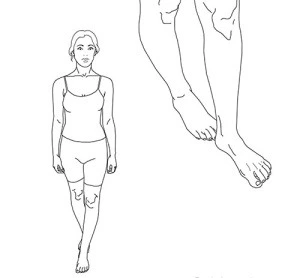
Goal: Enhance stability and postural control.
How to do it:
- For safety, take a position close to a wall or counter.
- Put one foot, heel to toe, directly in front of the other.
- For 20 to 30 seconds, hold.
- Repeat after switching feet.
- Try moving your head or briefly closing your eyes as you get better.
Step and Reach

The goal is to develop dynamic balance and coordination.
How to do it:
- Place your feet shoulder-width apart and take a tall stance.
- Reach your left arm forward while taking a step with your right leg.
- Repeat on the other side after returning to the middle.
- For 10 to twelve repetitions, keep switching.
- This motion simulates reaching for objects or taking large steps, both of which are necessary for daily tasks.
Side Steps

The goal is to increase side-to-side stability and strengthen the hips.
How to do it:
- Bend your knees slightly when you stand.
- Use your right foot to take a step to the right.
- Bring your left foot up against it.
- Next, move to the left and do it again.
- For one to two minutes, keep going.
- If you want to increase the difficulty, add light squats in between each step.
Heel Raises

The goal is to improve balance control and ankle strength.
How to do it:
- Take a proud stance behind a chair.
- Lift your heels off the ground and slowly stand on your toes.
- Lower gradually after holding for two seconds.
- Do this twelve or fifteen times.
- Walking, posture, and response speed are all improved with heel raises.
PWR! Step
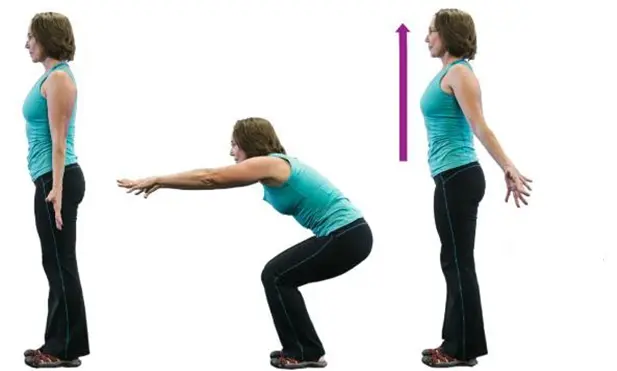
Goal: Enhances balance, coordination, and flexibility.
How to do it:
- Reach both arms forward and take a single step forward.
- Return to where you were before.
- On each side, repeat ten times.
- Our PWR includes this big, purposeful movement! The Center for Movement Challenges uses the Moves training system. It is made especially to oppose short, shuffling steps and stiffness.
Tips for Safe and Effective Balance Practice
- Always keep a strong surface close by for assistance.
- Pay attention to thoughtful, slow motions.
- When possible, practice barefoot or in shoes with firm soles.
- If you become tired easily, work in small bursts.
- Celebrate tiny improvements.
Perfection is not nearly as essential as consistency. Over time, even a short daily practice of balance might result in significant advancements.
Key Takeaways:
- Parkinson’s disease can make balance more difficult, but with regular practice, it can be improved.
- The best exercises test your ability to move safely and purposefully.
- Simple exercises like PWR!
- To assist you in mastering these exercises, the Center for Movement Challenges offers encouraging classes.
Management and Treatment of Parkinson’s disease
Parkinson’s disease treatments
Treatment aids in symptom management to enhance day-to-day functioning. Medication, counseling, and supportive care are typically used in combination. Treatment plans are customized and subject to change.
You can also inquire about clinical trials with your healthcare physician. These studies examine novel approaches to the illness’s treatment.
Medications for Parkinson’s disease
The primary form of treatment is medication. Dopamine, a neurotransmitter that regulates movement, may be supported or replaced by them. Providers could provide:
Carbidopa–levodopa: Your brain converts levodopa into dopamine. This could lessen tremor, stiffness, and slowness. In addition to improving levodopa’s effectiveness, carbidopa may lessen adverse symptoms, including nausea.
Dopamine agonists: They function in the brain similarly to dopamine. They alleviate discomfort related to movement. Because they can have complications,s including tiredness or impulse control issues, providers keep a tight eye on them.
MAO-B inhibitors: These slow the brain’s breakdown of dopamine. This prolongs the duration of dopamine. It might support other drugs or help with mild symptoms.
COMT inhibitors: These could prolong the half-life of levodopa in your body. When symptoms recur before the following levodopa dosage, they are added.
Amantadine: This may lessen “levodopa-induced dyskinesia,” which are involuntary movements that might occur with prolonged levodopa treatment.
Anticholinergic drugs: These could lessen tremors.
Several additional drugs address particular symptoms, such as:
- Dementia
- Anxiety and depression
- Sexual dysfunction
- Sleep problems
Infusion therapies for Parkinson’s disease
Through a pump, these treatments constantly administer medication under your skin. Apomorphine and foslevodopa are options. When symptoms like “on” and “off” periods persist after taking oral drugs, providers usually consider them. Care from a facility skilled in cutting-edge Parkinson’s therapies is frequently necessary for selecting the best candidates, modifying dosages from tablets to infusions, and keeping an eye out for adverse effects.
Therapy and rehabilitation of Parkinson’s disease
For as long as possible, therapies help you maintain your independence and level of activity. These could consist of:
- Physical treatment to enhance walking, strength, and balance
- Occupational therapy to assist with everyday duties
- Speech therapy to help with swallowing and speaking
Surgery for Parkinson’s disease
When drugs are no longer effective in controlling symptoms, surgery may be a possibility. Deep brain stimulation (DBS) is the most popular kind. This implanted device lessens the symptoms associated with movement.
Lifestyle changes and supportive care of Parkinson’s disease
Maintaining a healthy lifestyle is crucial for controlling this illness. Supportive care could consist of:
- Consuming balanced meals
- Engaging in regular exercise
- Having social and emotional support
- Maintaining healthy sleeping practices
- Collaborating closely with a healthcare professional ensures that your treatment adapts to your evolving needs.
When should I see my healthcare provider?
You should think about consulting a medical professional if you observe:
- Tremors at rest, stiffness, or slower motions are examples of new or persistent movement abnormalities, particularly on one side of your body.
- Difficulty performing routine tasks, such as dressing, writing, or getting out of a chair
- Walking or balance abnormalities, such as shuffling steps, freezing, or frequent falls
- Constipation, sleep issues, sadness, or loss of smell are examples of persistent non-movement symptoms.
- Safety-related symptoms, such as difficulty swallowing, dizziness when standing, or falling
- A combination of symptoms that can persist or gradually worsen over time.
It’s acceptable to discuss anything that seems strange or begins to interfere with your day-to-day activities. Whether additional testing or a referral to a specialist is required can be determined by your provider.
Ready to improve your balance, mobility, and walking confidence? Get expert guidance and personalized support for Parkinson’s rehabilitation today.
👉 Contact Us for Physiotherapy Support
FAQs
What are the best balance exercises for Parkinson’s patients?
Frequent balance exercises can lower your chance of falling and assist manage your Parkinson’s symptoms. Start with static exercises such as one-leg stands close to a strong support, tandem walking, and basic standing. Go on to dynamic activities like side-stepping and figure-eight walking patterns.
What is the 5:2:1 rule in Parkinson’s?
The 5:2:1 rule is a simple screening tool used by specialists to determine if a person’s Parkinson’s disease (PD) is progressing and if their treatment needs optimization. It suggests that a patient may have advanced PD if they meet one or more of these criteria: 5: Taking oral levodopa 5 or more times per day. 2: Experiencing 2 or more hours of “OFF” time per day (where symptoms return). 1: Experiencing 1 or more hours of troublesome dyskinesia (involuntary movements) per day. Purpose of the 5:2:1 Rule: The rule helps bridge the gap between daily management and advanced care. It is a tool to determine when to talk about potential “device-aided therapies” (such as DBS or medication pumps) with a doctor.r This means that a patient is likely to have advanced PD if he/she fulfills one or more of the following criteria:
5: Taking oral levodopa more than 5 times a day.
2: Having 2 or more hours per day of “OFF” time (symptoms return).
1. Dyskinesia (involuntary movements) that is troublesome for 1 or more hours each day.
5:2:1 Rule Objective
The rule helps link the dots between everyday management and advanced care. It is a guide for when to talk to a doctor about potential “device-aided therapies” (DBS or drug pumps), as the current protocol may not adequately control symptoms anymore. 5-2-1 Positive: Patients who meet this criterion are likely to have advanced PD and may need to discuss treatment modifications with their physician. Significance: This serves as a trigger for a more comprehensive clinical evaluation to enhance quality of life. Key Indicators Explained Levodopa Frequency: Frequent dosing (5+) often indicates that the drug is not lasting long enough, leading to motor fluctuations. OFF Time: These are periods when the medication wears off, and symptoms (rigidity, tremor, slowness) are poorly controlled. Dyskinesia: Involuntary, jerky movements that result from long-term high doses of levodopa, which can become bothersome and limit daily activity.
5-2-1 Positive: Patients meeting these criteria may have advanced PD and should discuss treatment changes with their physician.
Importance: It is a trigger for a more detailed clinical evaluation to improve quality of life.
Key Indicators: What They Mean
Levodopa frequency: Frequent dosing (5+) often means the medication is not lasting long enough,h resulting in motor fluctuations.
OFF Time: The time when medication wears off, and symptoms (rigidity, tremor, slowness) are no longer well controlled.
Dyskinesia: Uncontrolled and involuntary movement that can occur with high doses of levodopa over a long period of time. These movements can be bothersome and interfere with daily activity.
What are 5 exercises for balance?
Good balance exercises are standing on one leg, walking heel to toe, walking sideways, raising the knee of one leg, and raising the standing leg. These exercises build up core and lower body strength to improve stability and prevent falling.
One-Leg Stand: Stand near a sturdy support, lift one foot off the ground, and hold for 10-30 seconds. Switch.
Heel-to-Toe Walk: Walk in a straight line with each step landing the heel of the front foot directly in front of the toes of the back foot.
Sideways Walking: Stand with knees slightly bent, take slow,w controlled side steps, 10 steps each direction.
Single Leg Knee Lifts: Standing on one leg, slowly lift the opposite knee. This exercise will help you build hip strength and stability.
Standing Leg Raises (Side): To strengthen the hips and increase stability, stand tall and slowly lift one leg to the side.
What are the 4 S’s of Parkinson’s disease?
The 4 S’s of Parkinson’s disease, a strategy commonly used to overcome freezing of gait (temporary inability to move), are: Stop: Stop moving, do not try to push through the freeze, and avoid turning. Stand tall: Stand with good, upright posture. Shift weight: Shift weight from side to side to loosen up, or shift weight back and forth. Step big: Take a large, exaggerated step forward (or side to side) to initiate walking. Key Strategy Details Purpose: To manage freezing episodes and reduce the risk of falls. Alternative: Sometimes modified to include “Sigh” or “Sway” (Stop, Stand Tall, Sway/Sigh, Step Big). Triggering Movement: If these do not work, other strategies include imagining a line to step over, counting out loud, or using rhythmic music.
Stop. Don’t move. Don’t try to push through the freeze, don’t turn.
Chin up: Keep a nice, upright posture.
Shift weight: Loosen up, shift weight from side to side, or shift weight back and forth.
Step Large: To begin walking, take a big, dramatic step forward (or to the side).
Strategy Details
Objectives: To treat freezing episodes and reduce the risk of falling.
Alternate: Sometimes changed to include “Sigh” or “Sway” (Stop, Stand Tall, Sway/Sigh, Step Big)
If these don’t work, other techniques include imagining a line to step over, counting aloud,d or using music with a rhythm.
What is the gold standard treatment for Parkinson’s?
The gold standard of anti-Parkinsonian therapy is levodopa, which is eventually administered to almost all patients with Parkinson’s disease.
How long can a 70-year-old live with Parkinson’s?
Recent research indicates that individuals with Parkinson’s disease who are diagnosed after the age of 60 typically live for 10 to 20 years after the diagnosis. Even though their symptoms may worsen more slowly, people who are diagnosed before the age of 50 typically live longer.
How long should a 70-year-old be able to balance on one leg?
People can evaluate their own balance by doing a quick, free test that involves balancing on one leg while keeping their eyes open. You’re doing great if you can balance on your leg for thirty seconds and you’re older than sixty-five.
What is the best vitamin for Parkinson’s?
Vitamins D, B12, B6, C, and E are important for Parkinson’s patients because they support nerve function, improve bone health, and act as antioxidants. It is important to maintain proper levels of these nutrients, especially through dietary changes and targeted supplementation based on blood tests, to manage symptom progression and overall wellness.
What worsens Parkinson’s disease?
Infections (especially urinary tract infections), missed or delayed doses of medication, chronic stress, poor sleep, and dehydration can make Parkinson’s disease (PD) worse. Physical factors such as a high-fat diet, constipation, and comorbidities can aggravate the severity of symptoms. Other triggers include anxiety, depression,n and some medications that block dopamine.
How to slow down Parkinson’s progression?
In addition to improving Parkinson’s disease symptoms, exercise, a balanced diet, and stress reduction may even decrease the illness’s progression.
What are the 10 best exercises for Parkinson’s?
5 Best Exercises For Parkinson’s Disease To Improve Mobility. The best exercises for Parkinson’s disease are those that focus on improving balance, mobility, and strength through a combination of aerobic activity, flexibility training,g and high-effort movements. Top choices include Tai Chi, yoga, non-contact boxing, cycling, dancing, ng, and specialized, large-amplitude movements (like PWR!Moves), which help manage symptoms and improve brain health. Here are the top 10 recommended exercise types for Parkinson’s Disease:
Here are the 10 best types of exercise recommended for Parkinson’s Disease:
Tai Chi: Gentle, purposeful movements to improve balance, posture, and stability.
Non-Contact Boxing is great for improving hand-eye coordination, speed, and agility, and provides an intense cardiovascular workout.
Dancing (e.g., Tango): Rhythmic, patterned movement improves coordination, spatial awareness, and stability.
Cycling (Stationary/Regular): High-intensity cycling is good to keep up aerobic capacity and motor function.
PWR!Moves / Big & Loud Exercises: Focused exercises that focus on high amplitude (large) movements, such as “Power Ups” or “Rocking,” to counter the small movements often associated with Parkinson’s.
Yoga & Pilates: Emphasis on flexibility, core strength, and breath control, resulting in less rigidity.
Walking (conscious movement). Purposeful, brisk walking on uneven ground or with poles (Nordic walking) improves endurance and gait.
Strength Training (Resistance Bands/Weights) – Focuses on specific muscle groups to build strength and reduce falls.
Water Aerobics/Swimming: Provides resistance to increase mobility and range of motion and decrease stress on joints.
Coordination Exercises (MARCHING/BALL TOSSING) Marching with high knees and tossing a ball with a partner, as described, helps rhythm and bilateral coordination.
What is the most common cause of death in Parkinson’s patients?
Pneumonia is the most common cause of death in people with Parkinson’s disease (PD), with aspiration pneumonia (food/saliva in the lungs) often being the final event. Other common causes of death are infectious diseases, cardiovascular diseases (heart diseases), and fall complications (hip fractures). Other major causes are infectious diseases, cardiovascular diseases (heart diseases), and complications of falls (hip fractures).
Pneumonia/respiratory diseases: Often due to aspiration from dysphagia (difficulty swallowing).
Cardiovascular Disease: Ischemic heart disease and cerebrovascular diseases.
Infections Sepsis from infections (e.g, pneumonia) is common, often associated with immobility.
Neurodegenerative Diseases: Dementia and dementia complications, usually in the later, more advanced stages.
Falls/Injuries: Mobility problems can lead to serious falls or injuries, which can result in fatal complications.
References
- ClinicalTrials.gov. (n.d.). https://clinicaltrials.gov/study/NCT01960985
- Guinot, S. M., Valenzuela, C. S. M., Asensi, V. A., De Salazar Antón, C., Navarro, M. V., & Tomás, J. M. (2023). Functional balance training in people with Parkinson’s disease: a protocol of the BalanceHOME randomized controlled trial with crossover. Frontiers in Aging Neuroscience, 15, 1137360. https://doi.org/10.3389/fnagi.2023.1137360
- Parkinson’s News Today Forums. (2018, December 3). 12 Types of Exercise Suitable for Parkinson’s Disease Patients – Parkinson’s News Today Forums. Parkinson’S News Today Forums. https://parkinsonsnewstoday.com/forums/forums/topic/12-types-of-exercise-suitable-for-parkinsons-disease-patients/
- Parkinson Voice Project. (2026, February 26). Parkinson’s Speech Exercises – SPEAK OUT!® Therapy Practice. https://parkinsonvoiceproject.org/program/parkinsons-speech-exercises/?srsltid=AfmBOopXM64D4c9SYM04x95XrROpnGN2jREEX5nrlNxdewQIvTY4ojXY
- Sawhney, G. S., & Sawhney, G. S. (2024, September 23). Stepping towards stability with Parkinson’s balance exercises. Gurneet |. https://drgurneetsawhney.com/blog/stepping-towards-stability-with-parkinsons-balance-exercises/