Exercises For Shoulder Arthritis
Introduction
Shoulder arthritis can cause pain, stiffness, and limited arm movement—but the right exercises can make a big difference. Gentle stretching and strengthening routines help reduce joint stiffness, improve mobility, and support the surrounding muscles, making daily activities easier.
Here are a few workout examples for your consideration. The exercises could be recommended for rehabilitation or for a particular condition. Take your time starting each exercise. If you experience any pain, reduce the intensity of the workouts.
Remember to drink water while exercising and leave enough space around you to avoid harm.
Shoulder Arthritis Exercises
Pendulum Exercises
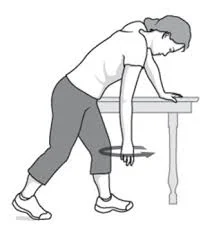
- Using your unaffected arm, grasp onto a table or the back of a chair. Next, let your injured arm hang straight down while bending forward slightly. The arm muscles are not used in this workout. Instead, move your hips and knees to produce movement that allows your arm to swing freely.
- To move the slightly swaying arm forward and backward like a pendulum (or elephant trunk), use the movement from your hips and legs. Then lead it in little circles, about the size of a dinner plate at first. As your discomfort permits, enlarge the circles a little bit every day.
- Spend at least a minute performing this workout. At least three times a day, do it.
- Try bending over a bit more to complete this exercise as your pain decreases. Your shoulder will have more range of motion as a result.
Wall Climbs (Flexion)

- The goal of the Shoulder Flexion Wall Climb exercise is to improve shoulder mobility by raising your arm over your head and forward.
- Simply crawl your hands up the wall as far as you can comfortably while standing across from a wall around half a meter away, then return to the starting position. To minimize muscle strain, keep your shoulders as relaxed as possible and don’t shrug to create more range. During this exercise, you should feel the shoulder muscles being stretched, but there shouldn’t be any severe pain.
- You can stand closer to the wall to make this exercise simpler, or you can stand farther away to make it more difficult.
Shoulder Blade Squeezes
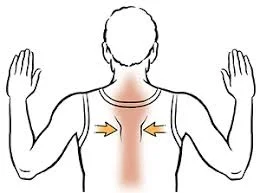
- With your arms by your sides, sit or stand upright.
- Don’t shrug:
- Keep your shoulders down.
- Squeeze the shoulder blades together and downward.
- After about six seconds of holding, release.
- Do this eight to twelve times.
Doorway Stretch

- The doorway stretch is a useful exercise for opening up the pectoral, shoulder, and chest muscles, especially when it comes to reversing hunched postures from desk work. Step forward until a slight stretch is felt, holding for 15 to 30 seconds, two or three times while standing in a doorway with your arms on the frame at an angle.
- How to Stretch Your Doorway
- Placement: Place yourself in the middle of a doorway. With your elbows bent at an angle (like a goalpost), rest your forearms and elbows on the door frame.
- Action: To stabilize your body, take a single step forward through the doorway.
- Stretch: Lean forward gently and shift your weight onto your front leg until your chest and shoulders feel comfortably stretched.
Side-Lying Stretch
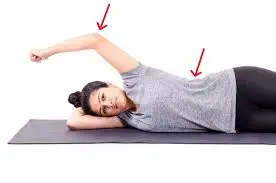
The sleeper stretch, also known as the side-lying shoulder stretch, increases internal rotation and releases tightness in the shoulder by focusing on the back of the shoulder. Using the top hand, gently press the forearm down toward the floor while lying on the struck side with your elbow bent andyour shoulder at an angle.
- Positioning: Support your head with a pillow while lying on your side. Make sure your shoulder blades are flat and not shrugged.
- The stretch involves bending the elbow to join it with your shoulder while holding the afflicted arm beneath you.
- Movement: Press the lower arm’s wrist toward the floor with the top hand.
- Duration: Repeat three to five times while holding the mild stretch for 10 to 30 seconds.
- Warning: If you experience a pinching sensation at the front of your shoulder, stop.
Internal Rotation with band

- Create a loop by tying the ends of an exercise band together. To keep the loop in place, fasten one end to something heavy or close a door on it. Alternatively, you may knot one end of the band and use the knot on the other end to close the door. The ideal height for the band is around waist height.
- Your injured side should be toward the entrance as you stand or sit.
- Bend your elbow to a 90-degree angle while holding the free end of the exercise band in the hand of your injured arm. Your upper arm should remain pressed against your body. For comfort, place a rolled towel between your body and elbow. Your arm will stay by your side thanks to this.
- Start with your shoulder relaxed and your arm facing directly in front. Turn your forearm slowly in the direction of your body until it reaches your abdomen. Keep your upper arm and elbow securely tucked at your side or against the towel as you work. Return it slowly to the beginning. Throughout the workout, your shoulder should remain relaxed.
- Do this eight to twelve times.
- Repeating these techniques with your second arm is a smart idea.
External Rotation with band

- Create a loop by tying the ends of an exercise band together. To keep the loop in place, fasten one end to something heavy or close a door on it. Alternatively, you may knot one end of the band and use the knot on the other end to close the door. The ideal height for the band is around waist height.
- With your unaffected side facing the entrance, stand or sit.
- Bend your elbow to a 90-degree angle while holding one end of the band in the hand of the afflicted arm. Your upper arm should remain pressed against your body. For comfort, place a rolled towel between your body and elbow. Your arm will stay by your side thanks to this.
- Start with your shoulder relaxed and your forearm over your tummy. Rotate your forearm out from your body slowly. Until your shoulder starts to feel stiff, keep your elbow and upper arm tucked against the towel roll or the side of your body. Return your arm to the starting position slowly. Throughout the workout, your shoulder should remain relaxed.
- Do this eight to twelve times.
- Repeating these techniques with your second arm is a smart idea.
Shoulder Rolls

- With your arms at your sides and your feet flat on the ground, take a tall stance or sit.
- Raise your shoulders slowly in the direction of your ears.
- Make a smooth circular motion with your shoulders, rolling them back and then down.
- Repeat a few times, then roll ahead and change directions.
Tips:
- Don’t be jerky; instead, move slowly and properly.
- Make an effort to open your chest and move across your entire range of comfort.
- Throughout, breathe normally while letting your shoulders and neck relax.
FAQs
What exercise is best for shoulder arthritis?
Exercise with Pendulum
This practice helps relieve shoulder pain and promote general relaxation. For balance, grab a chair or counter. Allow the arm to hang loosely as you slowly bend at the waist a little. Allow the arm to swing in circles from front to rear and side to side while you shift your weight from side to side.
How do you treat arthritis in the shoulder?
Shoulder joint pain, stiffness, and decreased range of motion can all be signs of shoulder arthritis. Shoulder arthritis can be treated surgically using a variety of methods, such as stretches, lifestyle changes, applying heat or ice, and taking painkillers.
What is a natural medicine for arthritis?
Interestingly, ginger and willow bark extract have chemicals that are similar to NSAIDs like naproxen and ibuprofen, and they may help reduce pain. Because of its anti-inflammatory and antioxidant qualities, turmeric has recently become well-known for helping people with osteoarthritis.
What medicine is good for shoulder pain?
Diclofenac or products containing 10% menthol may help reduce discomfort without the need for prescription drugs. Try some other over-the-counter pain relievers if those don’t help. These include naproxen sodium, ibuprofen, and acetaminophen (Tylenol, etc.).
What are the 5 best exercises for arthritis?
To improve function and lessen pain, the top five types of exercises for arthritis emphasize low-impact movement, flexibility, and strength: yoga and tai chi for balance and range of motion; walking or cycling for mild cardio; strength training (such as leg lifts and squats) to support joints; stretching for stiffness; and water exercises (such as swimming) for buoyancy.
Here are five exercises that are highly recommended:
Swimming and water aerobics are great for all forms of arthritis because they help your body by lowering the strain on stiff joints and offering resistance for strength.
Tai Chi & Gentle Yoga: Through fluid movements and deep breathing, these techniques enhance posture, flexibility, and balance while also dramatically lowering stress and stiffness.
Strength training, such as chair squats and leg lifts, can help improve stability, support, and pain by strengthening the muscles surrounding joints, such as the quadriceps, with seated leg lifts or squats.
Stretching, which includes slow, held stretches for the hands, neck, and major joints, is important for preserving range of motion and lowering stiffness. Examples of this include hand rolls and neck turns.
Exercise Advice for People with Arthritis:
Warm-up: To relax joints, use heat (warm towels or the shower) for 20 minutes beforehand.
Pay Attention to Your Body: If you experience severe pain, stop; don’t exert too much force.
Break up sessions and start small, even if it’s only 10 minutes at a time.
Speak with an Expert: For a customized strategy, consult a physical therapist.
How to cure arthritis in the shoulder naturally?
Whether you’re standing, sitting, or moving, pay attention to your joints.
Maintain the flexibility of your joints. Stretch your joints gently every day to allow them to move through their entire range of motion.
Keep your posture straight. You can learn how to sit, stand, and move properly from a physical therapist.
Understand your boundaries.
What is the fastest way to treat arthritis?
There isn’t a single cure for arthritis, but managing symptoms quicklyise essential for flare-ups. Therefore, the fastest way to treat arthritis is a multifaceted approach that includes quick relief techniques like heat/cold therapy, over-the-counter pain relievers (NSAIDs), and gentle movement (exercise/stretching), along with lifestyle changes like weight management. Apply heat or cold, take pain medication, try water aerobics or walking, and use TENS or capsicum cream for localized relief during a flare-up.
Fast Relief (Minutes to Hours)
Apply heat (warm bath, heating pad) to muscles that are stiff, or cold (ice pack) to areas that are swollen and painful.
Pain Relievers: For immediate pain relief, take acetaminophen or NSAIDs (such as ibuprofen). Capsaicin creams or topical NSAID gels can also act quickly on particular joints.
Gentle Movement: You may reduce joint pain and stiffness by doing short walks, stretches, or water exercises.
TENS Unit: Pain signals can be blocked by electrical pulses.
Relief in the Medium Term (Days to Weeks)
Frequent Exercise: Strength and flexibility are developed through regular low-impact exercises like yoga, cycling, and swimming.
Weight Loss: Even a small reduction in weight eases pain by greatly reducing the strain on weight-bearing joints.
Shoe inserts, braces, and canes are examples of assistive devices that enhance function and protect joints.
Physical therapy: A customized workout regimen can be made by a therapist.
Long-Term Control and Avoidance
Healthy Diet: Limit processed foods and eat foods high in omega-3 fatty acids, such as fish, to help reduce inflammation.
Stress management: Techniques for deep breathing, meditation, and relaxation lessen the perception of pain.
Quit Smoking: Rheumatoid arthritis increaseswithy smoking.
How to lubricate joints naturally?
To naturally lubricate joints, drink plenty of water, eat foods high in Omega-3s (fatty fish, flaxseeds, walnuts), vitamin C (peppers, citrus), engage in regular low-impact exercise (walking, swimming) to increase synovial fluid, control your weight, and take into account anti-inflammatory spices like turmeric. Enhancing natural joint lubrication and lowering friction requires movement, hydration, and a diet high in antioxidants and healthy fats.
Nutritional Techniques
Healthy Fats: To lower inflammation and promote lubrication, include Omega-3s from walnuts, chia seeds, flaxseeds, and salmon.
Vitamin C: Consume bell peppers, broccoli, strawberries, and citrus fruits to aid in the production of collagen for healthy cartilage.
Because of its anti-inflammatory qualities, turmeric can be used in cooking to help lubricate joints.
Collagen & Gelatin: To maintain cartilage, eat bone broth or take collagen supplements.
Lifestyle Practices
Keep Yourself Hydrated: To make sure your body makes enough synovial fluid (joint “grease”), drink lots of water.
Frequent Movement: Walking, swimming, cycling, and yoga are low-impact exercises that improve flexibility and lubrication by stimulating synovial fluid.
Control Weight: Maintaining a healthy weight is essential because being overweight strains joints.
Warm Water: Taking a warm water bath can relieve tension and relax tense joints.
Supplements (See a Physician)
Natural substances that support cartilage include glucosamine and chondroitin.
Pain from osteoarthritis may be lessened by hyaluronic acid.
Things Not to Do
Extended Inactivity: Extended sitting depletes joint lubrication.
Joint Overuse: Take good care of your joints and steer clear of repetitive activities that can harm them.
What vitamin deficiency causes arthritis?
Lack of vitamin D
Vitamin D deficiency has been reported to be connected with disease activity in RA patients, and reduced vitamin D intake has been linked to an increased risk of developing RA.
What not to do with shoulder arthritis?
Repetitive-motion-intensive activities, such as lifting heavy weights or participating in sports, may worsen your disease and cause symptoms to worsen. To give your shoulder joint time to rest and heal, it is essential to take breaks between activities.
What are the signs of arthritis in the shoulder?
When moving their arms, many people experience pain, particularly when lifting or reaching. Some people experience discomfort even while they are at rest, particularly at night. Additionally, a stiff shoulder can make it difficult to completely extend the arm. When they move their shoulder, some people experience popping, clicking, or grinding sounds.
What ointment is good for shoulder pain?
Voltaren helps with sprains, strains, and sports injuries that have damaged your shoulder’s ligaments, muscles, joints, or tendons. Always read and abide by the label to ensure that this product is the appropriate choice for you. Diclofenac, the active ingredient in Voltaren, is how they function.
References
- How to do the shoulder rolls exercise safely — More Life Health – Seniors Health & Fitness. (n.d.). More Life Health – Seniors Health & Fitness. https://morelifehealth.com/shoulder-rolls
- McCallum, K. (2025, February 19). Explore our November Stretch of the Month: The Doorway Chest Stretch. Campus Well-Being. https://www.rrc.ca/well-being/2024/11/26/explore-our-november-stretch-of-the-month-the-doorway-chest-stretch/
- Physiobot. (2025, August 29). Shoulder flexion wall climbs. Physiobot. https://www.thephysiobot.com/shoulder-flexion-wall-climbs/
- Shoulder Arthritis: Exercises | Kaiser Permanente. (n.d.). Kaiser Permanente. https://healthy.kaiserpermanente.org/health-wellness/health-encyclopedia/he.shoulder-arthritis-exercises.zp4391
- Dumain, T. (2023, June 5). Shoulder exercises to ease arthritis pain: 6 Daily exercises to try. CreakyJoints. https://creakyjoints.org/diet-exercise/exercises-arthritis-shoulder-pain/
- Exercises for the shoulders. (n.d.). Arthritis UK. https://www.arthritis-uk.org/information-and-support/living-with-arthritis/health-and-wellbeing/exercising-with-arthritis/exercises-for-healthy-joints/exercises-for-the-shoulders/