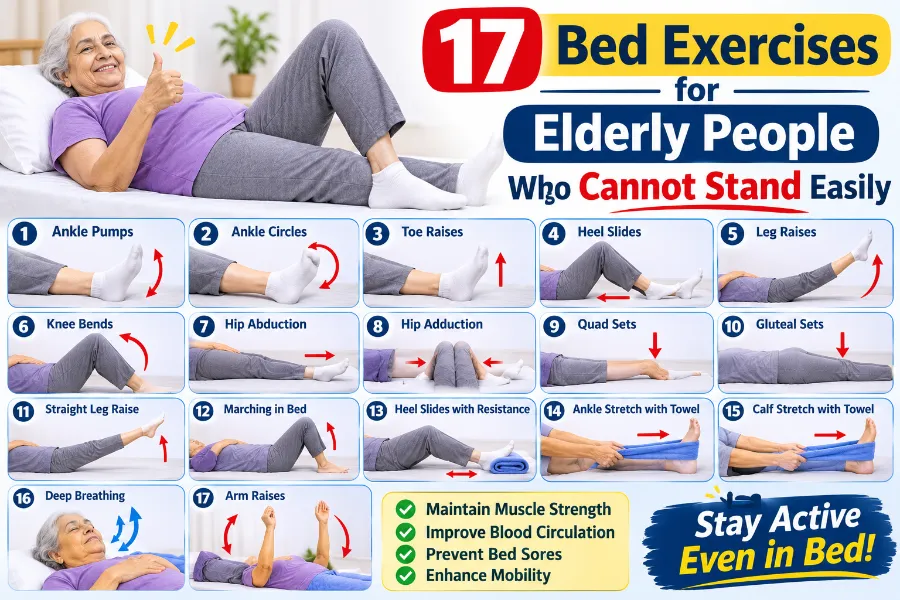
17 Bed Exercises for Elderly People Who Cannot Stand Easily
Introduction
As people age, their muscles, bones, and joints become weaker. Standing exercises may be difficult to do if they have conditions such as arthritis, knee and back pain, strokes, Parkinson’s disease, osteoporosis, or just general muscle weakness.
Bed exercises can be a great way to get some activity in for elderly people struggling to stand up. They improve strength in muscles, improve range of motion at joints, and improve blood circulation and mobility. These exercises are great for senior citizens who spend a lot of time in bed due to illness, operations, weakness, or limited mobility. Gentle exercises can help reduce stiffness in a regular way.
In this article, we have listed the best bed exercises for elderly people struggling to stand up. Benefits, things to consider, and top tips:
What Are Bed Exercises?
Bed exercises are mild exercises that can be done whilst lying on your back, sitting on the edge of the bed, or with support. They improve muscle strength, range of joint movement, blood circulation, and increase physical activity without getting out of bed. Improves muscle strength, range of joint movement, blood circulation, and increase physical activity without getting out of bed.
Bed exercises can be particularly useful for:
- The elderly who struggle to stand
- Senior citizens who suffer from arthritis in their knees and hips
- People who have had an operation
- Older people who are suffering from muscle weakness
- Patients who have limited mobility
- Those recovering from a stroke (under professional guidance)
- Those who spend long periods of time in bed
Benefits of doing exercises in bed
- Muscle Strengthening
- Exercising in bed helps to strengthen certain muscles in the body. For example: arms, legs, abdominal muscles, and hips.
- Flexibility
- If someone is not very active for a long period of time, there can be stiffness in joints.
- Gentle exercise of joints such as knees, hips, shoulders, and ankles can improve flexibility in these joints.
- Improved Blood Flow
- Ankle rotations and arm and leg exercises will help to improve blood flow in the body.
- Improved Self-confidence
- Elderly people can be given simple exercises to improve their self-confidence when they are moving.
- Reduces Negative Effects
- Muscle wasting, tiredness, and stiffness in joints may occur after long periods of immobility.
- If the right amount of exercise is carried out, it can reduce these negative effects.
17Best Bed Exercises for Elderly People Unable to Stand Up Easily
- Ankle lifts
- Quad Curls
- Heel Rolls
- Gluteal squeeze
- Straight leg lifts
- Hip Abduction
- Hip Adduction
- Ankle rotations
- Knee extensions (supported)
- Shoulder raise
- Elbow flexion and extension
- Fist making and opening
- Shoulder-blade squeeze
- Deep breathing
- Pelvis tucks
- Bridge Pose
Ankle lifts

How to do
- Lie flat on your back with legs straight.
- Relax your knees so that they are pointing upwards.
- Flex your toes so they point towards you.
- Hold for 2-3 seconds.
- Point your toes away from you.
- After a brief period of holding, return to the initial position. Move slowly.
Quad Curls
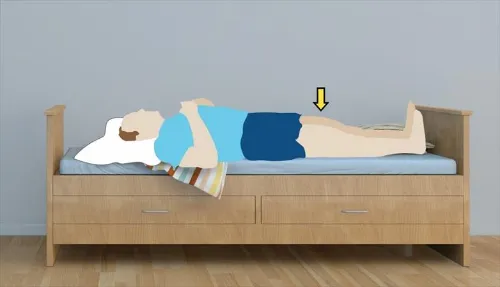
How to do
- Lie flat on your back.
- Relax. Tense up the muscles in the front of one of your thighs.
- Push the top of your knee into the mattress.
- Hold for 3-5 seconds.
- Slowly release.
- Repeat on the other leg.
Heel Rolls
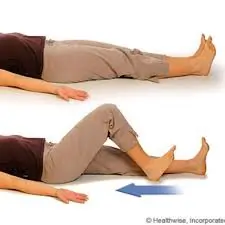
How to do
- Lie on your back.
- Ensure that your heel is touching the bed.
- Slowly move your heel so that it is closer to your bottom.
- Allow your knee to bend.
- Move only as far as is comfortable.
- Move slowly again to return your heel to straighten your leg.
- Repeat on the other leg.
Gluteal squeeze
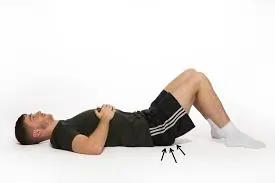
How to do
- Lie flat on your back.
- Relax your body.
- Squeeze both of your gluteal muscles together.
- Hold for 3-5 seconds.
- Release the contraction slowly.
Straight leg lifts

How to do
- Lie on your back.
- Bend one knee and keep the opposite leg straight (if comfortable).
- Contract the muscles in the straight leg.
- Lift that leg slowly so that it is a few inches off the bed.
- Maintain a straight knee.
- If possible, hold in this position for a moment.
- Slowly lower the leg.
- Repeat on the opposite leg.
Hip Abduction
How to do
- Lie flat on your back. Ensure your toes are pointing upwards.
- With control, move one leg to the side.
- Move to a comfortable distance.
- Bring the leg back to the middle.
- Repeat on the other leg.

Hip Adduction
How to do
- Lie flat on your back.
- Slightly separate the legs (if comfortable).
- With control, bring one leg to the middle.
- Return to original position.
- Repeat with the other leg.
Ankle rotations
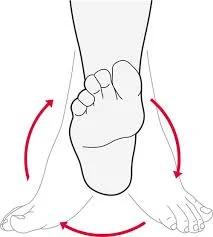
How to do
- Lie on your back.
- Relax the tops of your legs.
- Make 5 small circles with your foot.
- Turn the same foot in the opposite direction.
- Repeat on the other foot.
Knee extensions (supported)
How to do
- Lie on your back.
- Place a small rolled-up towel under 1 knee (if comfortable)
- Tighten the muscle in your thigh.
- Lift the heel of your foot slightly so that the back of your knee is supported by the towel.
- Straighten your knee as far as is comfortable.
- Lower the heel slowly.
Shoulder raise
How to do
- Lie flat on your back.
- Straighten your arms at your sides.
- Lift one arm slowly up.
- Raise the arm as high as you can (overhead) without discomfort.
- Lower the arm slowly into the starting position.
- Repeat with the other arm.
Elbow flexion and extension
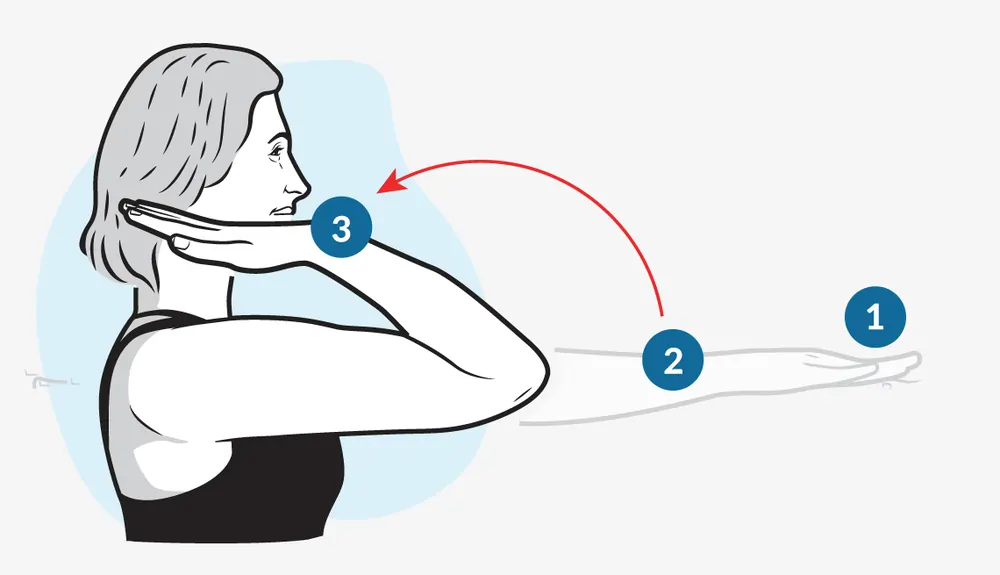
How to do
- Lie comfortably on your back.
- Bend the elbow of one arm.
- Move your hand to your shoulder.
- Straighten the elbow.
- Repeat on the other arm.
Fist making and opening

How to do
- Lie down or sit up and relax.
- Reach your arms in front of you.
- Gently open your fingers.
- Spread your fingers slowly.
- Close your fingers to form a loose fist.
- Open your hands.
- Repeat the above several times.
Shoulder-blade squeeze
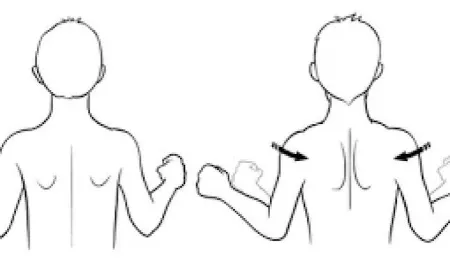
How to do
- Lie flat on your back.
- Make sure your arms are at ease by your sides.
- Pull your shoulder blades together.
- Try not to raise your shoulder blades toward your ears.
- Hold for a couple of seconds.
- Release.
- Do this gently.
Deep breathing

How to do
- Sit comfortably and support your upper body.
- Place your hands on your lower ribs.
- Inhale slowly through your nose.
- Allow your lower ribs to inflate.
- Relax your shoulders.
Pelvis tucks

How to do
- Lie back with your knees bent and feet flat on the mattress (if possible). Lower your shoulders. Tuck your abdominal muscles in.
- Move your pelvis back slowly so that there is a slight curve in your lumbar spine.
- Hold.
- Release and return to start position.
Floor bridges

How to do
- Lie back with knees bent.
- Place feet flat on the mattress.
- Pull stomach and bottom muscles in gently.
- Lift pelvis off the mattress.
Sample Daily Bed Exercise Routine for Elderly People
A daily exercise routine should be tailored to suit the individual depending on their medical condition, strength, degree of tiredness, and advice from their physiotherapist.
The exercises below are an example only.
| Exercise | Number of Repetitions |
| Ankle circles | 10 |
| Ankle rotations (clockwise/anticlockwise) | 5 in each direction |
| Quads | 5 per leg |
| Heel slides | 5 per leg |
| Glutes | 5 |
| Abduction of hip | 5 per leg |
| Opening/closing hands | 10 |
| Bending elbows | 5 per arm |
| Raising arms | 5 per arm |
| Deep Breathing | 3-5 breaths |
How often to do bed exercises
Many older people may be able to perform short exercises once or twice a day.
Ask your Physiotherapist for advice.
General advice
- New to exercising
- Do 5-10 minutes of exercises.
- Perform 3-5 easy exercises.
- Reduce the number of repetitions.
- Take regular rests.
- If you have good strength, add in more exercises.
- Only increase the number of repetitions if exercising becomes easier.
- Do upper and lower body exercises.
- If possible, follow a programme designed by a Physiotherapist.
- People with poor mobility
- You may require assistance from a carer/Physiotherapist to get into the right position.
- If passive movements (movements done by someone else gently moving the joint) are performed, make sure they have been appropriately instructed.
Considerations for safety
Safe exercises are very important for elderly people. Elderly people may be suffering from a number of medical issues, have joint issues, experience dizziness due to their medications, and/or may have limited mobility. Considerations for safety: Consult with a healthcare professional
Elderly people with a history of stroke, heart disease, broken bones, recent surgery, or serious joint problems should consult with a Doctor or Physiotherapist before beginning this exercise.
- Position carefully
- Use supportive surfaces.
- Ensure that the elderly person is positioned as comfortably as possible. Pillows can be used to support the head, arms and/or legs.
- Avoid unstable and very soft surfaces which make movements difficult.
- Start gently
- An elderly person with a significant degree of weakness may not be able to do as much as a more active elderly person.
- Avoid causing pain
- Movements should not cause sharp pain or cause significant discomfort or worsening of symptoms.
- Avoid forcing joints
- Older people may have joint issues (such as arthritis) or joint replacements. Or they may have limited movement due to recent surgery.
- Only move joints as far as is comfortable and allowed.
- Offer assistance
- Some elderly people may need assistance in moving their legs, repositioning, or being placed in a comfortable position.
- Never forcibly move the arms or legs.
- Signs and symptoms
- If the elderly person has unusual signs/symptoms, stop the exercise and seek advice from a health care professional.
- Seek immediate medical assistance if they experience:
- Chest pain/pressure
- Shortness of breath
- Loss of consciousness
- Sudden weakness/numbness
- Confusion/difficulty speaking
- Sudden severe headache
- Obey post-operative guidelines
- If they have had surgery to the hip, knee, broken bones, or spine, they may require special considerations.
- Certain exercises may not be suitable at certain points in recovery.
- Always follow advice given by their operating surgeon and Physiotherapist.
- Be aware of Fatigue
- Give them rests between exercises and do not over-exert them.
Common mistakes to avoid
It is important to try to avoid making mistakes in bed exercises to avoid causing pain or undue stress.
- Too many reps
- You may become tired and sore.
- Reduce the number of reps and increase gradually.
- Too quickly
- It may be hard to control and cause more discomfort.
- Do it slowly and smoothly.
- Pain
- If discomfort occurs during the exercise, stop the exercise and get help from a professional.
- Wrong postures
- Wrong postures may cause undue strain on the back, hips, shoulders
- and/or knees.
- Ensure the individual is comfortable in this position before commencing.
- Comparing progress
- Due to differing physical capabilities, health conditions and mobility in older people,
- Each individual should be compared to how they have done in comparison to themselves, not others.
- Attempting Advanced Exercises Too Early
- Straight leg lifts and bridges are harder than ankle and hand movements.
- Too little rest
- It is very important to give them periods of rest, particularly if they are elderly.
- Take regular rests.
FAQs
Can carers support older people with in-bed exercises?
Yes. Carers can encourage, position and remind individuals. Prior training should be undertaken to be able to move limbs in individuals who may be weak, paralysed or have recently had surgery or fractures.
What bed exercises can I do?
Common gentle exercises to complete in bed include: ankle pumps, quadriceps setting, heel sliding, squeezing buttocks, ankle rotations, hip movements, upper limb movements and assisted shoulder lifts. The best exercises for each individual will depend upon their condition and physical capacity.
Are bed exercises useful for elderly people who are bed bound?
If done correctly, bed exercises can help people who cannot leave their bed maintain joint movement and muscle activation within their range of movement. Consideration should be made for positioning, protecting skin, breathing, and other issues associated with immobility.
Can people with arthritis do these exercises?
Many gentle exercises can be done by people with arthritis. The exercises should be considered carefully in light of pain, damage, inflammation, and reduced movement due to arthritis.
Can bed exercises help people walk?
Bed exercises can help people maintain or improve muscle activation and joint movement. In combination with wider rehab, however, there is no guarantee that someone will be able to walk again. Whether they can walk again depends on the cause of the problem, their strength, balance, nerve function, and rehab.
References
- (2026). 8 Bed Exercises for Seniors: Gentle Moves You Can Do in Bed | Senior Helpers Orlando. seniorhelpers.com. https://www.seniorhelpers.com/fl/orlando/resources/blogs/8-bed-exercises-for-seniors-gentle-ways-to-stay-active-and-strong/
- (n.d.). 403 Forbidden. fyzical.com. https://www.fyzical.com/marietta-ga/blog/bed-exercises-for-elderly
- Katie Dodd. (2020). 7 Essential Bed Exercises for Elderly. The Geriatric Dietitian. https://thegeriatricdietitian.com/bed-exercises-for-elderly/