Bridge Pose (Setu Bandhasana)
What is Bridge Pose?
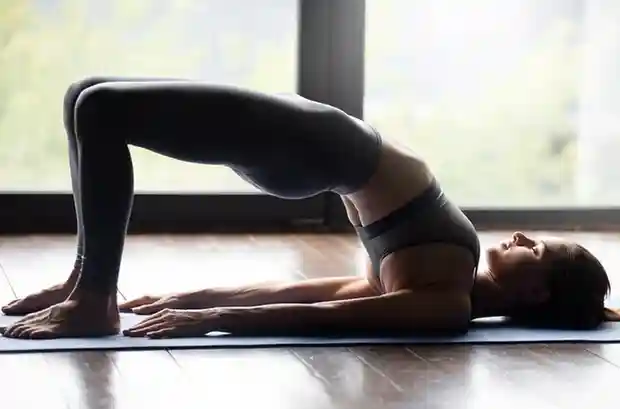
Setu Bandhasana, also known as Bridge Pose, is a very powerful yoga pose that increases strength and flexibility. While lying on your back, raise your hips to create a bridge-like shape with your body in this reclining backbend and chest-opening pose. It is a vital component of any yoga practice since it strengthens the back, glutes, and thighs while stretching the chest and shoulders.
The Bridge Pose is especially helpful for reversing the negative effects of extended sitting. It stimulates the abdominal organs, relieves low back discomfort, and helps with posture. This posture offers a variety of advantages that support general physical health and well-being, whether your goal is to relieve the discomfort of a sedentary lifestyle or to stretch your entire body.
Muscle Work During Bridge Pose:
- Arm and Shoulder Muscles
- Neck Muscles
- Chest Muscles
- Upper and Lower Back Muscles
- Core Muscles
- Hip Muscles
- Pelvic Muscle
- Gluteal Muscle
- Psoas Muscle
- Quadricep Muscle
Bridge Pose (Setu Bandhasana) Video
How to Perform?
- With your feet hip-width apart and your arms by your sides, lie on your back on the floor.
- Keep your knees pointing up as you bend them and bring your feet up to your hips.
- Hold your arms at your sides with your palms facing down.
- You can use your hands to grab your ankles for extra support. Take a deep breath and plant your feet firmly on the ground.
- Raise your pelvis, then your lower back, and finally your middle back off the floor.
- Make sure your weight is distributed evenly and your feet stay flat.
- Don’t lift your heels. Raise your hips and back as high as you can while maintaining balance on your feet and shoulders.
- Without pushing, gently tuck your chin into your chest.
- For 30 to 60 seconds, hold the pose while taking deep breaths and paying attention to the energy flow.
- Exhale, then slowly drop your back to the floor to relax.
- Relax and spread your legs wide. If you want to relax even further, move into Savasana (Corpse Pose).
Benefits:
- Strengthens the Core and Spine: The muscles in the core and along the spine are successfully engaged and strengthened by the Bridge Pose. It promotes spinal alignment and strengthens the core, both of which are essential for general body strength, by raising the hips and back.
- Stretches the Neck and Chest: This position gently stretches the shoulders, neck, and chest. The discomfort caused by extended sitting or bad posture can be lessened by opening these areas, which also helps to reduce tension and improve posture.
- Increases Flexibility: Regular Bridge Pose practice increases thigh, hip, and spine flexibility. A greater range of motion and ease when executing other yoga poses are facilitated by increased flexibility in these regions.
- Stimulates Abdominal Organs: Bridge Pose’s compression of the abdomen massages internal organs, improving metabolism and facilitating digestion. This stimulation promotes general internal function and keeps the digestive system in good condition.
- Improves Mood and Reduces Stress: Bridge Pose encourages relaxation and lowers stress by stimulating the parasympathetic nervous system and boosting blood flow to the brain. A better mood and a stronger sense of mental health may result from this.
- Supports the Respiratory System: Bridge Pose improves respiratory capacity by expanding the lungs and stretching the chest. Better oxygenation and general respiratory health are supported by improved lung function.
- Tones the Pelvic Floor: The pose’s activation of the pelvic floor muscles contributes to the strengthening and toning of this region. In addition to supporting reproductive organs and improving pelvic health, this can also aid women’s menstrual cycles.
Preparatory Pose:
Sun Salutation, or Surya Namaskar:
The shoulders, legs, and back muscles may all be opened up with this fluid twelve-step routine, which also subtly improves blood circulation throughout the body.
Before attempting the Bridge Pose, slowly practice Sun Salutations, breathing through each pose and holding it. The inner muscles will not adequately awaken or activate if the process is not performed mindfully.
This entire sun salutation sequence combines most of the necessary warm-up yoga positions. The body benefits greatly from these 12 actions, which increase energy and enhance breathing. At a steady pace, perform ten to twelve rounds of sun salutations.
Cobra Pose or Bhujangasana:
The range of ‘backbends’ includes this basic stance, which gives the shoulders and spine much-needed movement. Spread your legs behind you, lie on your stomach, and inhale deeply. For one or two breaths, place your chest and chin on the floor.
From the tailbone to the head, raise your entire upper body. Position both hands on the yoga mat directly in front of your abdomen and push from the floor.
Place your palms firmly on the floor, straighten your arms and elbows, and push your shoulders and chest back. Your shoulders and lower back muscles become more relaxed and open in this pose. By easing tension in the neck, the cobra position strengthens it for Setu Bandhasana and enhances neck movement.
Matsyasana, or the Fish Pose:
Place your face up against the ceiling while lying on your back. Bend your elbows so that your arms are beneath your hips. Make sure your lower back is supported. After taking a breath, slowly place your head on the yoga mat and lift your upper body towards the ceiling.
There is a space between your lower back and the floor as your head is bent back and touches the mat. Maintaining the stance while applying pressure to your upper and lower back strengthens your spine and makes it easier to get into the bridge pose.
Variations:
One-Legged Bridge Pose:
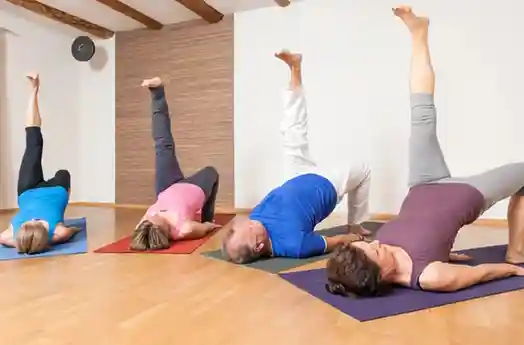
While in Bridge Pose, raise one leg straight up off the ground. This variation works the core and glutes more thoroughly while testing balance.
Wheel Pose (Urdhva Dhanurasana):

Press your hands and feet into the floor to raise your entire body into an arch as you move from Bridge Pose to Wheel Pose. This more complex version lengthens the stretch and ups the first round.
Supported Bridge Pose:

For support, place a bolster or yoga block beneath your sacrum. This version offers a restorative option and aids in lower back relaxation.
Precautions:
- Avoid bending your lower back too much. To stabilize your spine and prevent back discomfort, use your glutes and core.
- Make sure your knees and feet are in line. If necessary, place a block between your knees to maintain alignment.
- Stay on the mat with your head and neck relaxed. Avoid putting pressure on your neck or turning your head.
- Use a yoga block or bolster beneath your sacrum for support if you have trouble raising your hips.
- Leave the stance if you experience any pain or discomfort. Avoid forcing yourself into a tense situation.
Contraindications:
- If you have significant neck discomfort or injuries, avoid this posture since it may exacerbate them.
- Because it places weight on your shoulders, proceed with caution or stay away from this posture if you have shoulder issues.
- If you have severe spinal problems, such as a herniated disc, consult a physician before attempting this pose.
- Because resting on your back might alter blood flow, pregnant women should avoid or modify this stance, especially if they are later in their pregnancy.
- If you recently had back or stomach surgery, avoid this stance until your doctor gives the all-clear.
- Be cautious since elevating your legs may cause your blood pressure to rise if you have uncontrolled high blood pressure.
Conclusion:
Because of its many advantages, Bridge Pose is a great complement to any yoga practice. By strengthening and extending the back, glutes, and core, it successfully corrects posture and reduces lower back pain. Additionally, the position improves general flexibility and stimulates the stomach organs, which helps with digestion.
You can improve spine health, boost physical strength and flexibility, and counteract the harmful effects of extended sitting by including the Bridge Pose in your regimen. Because of its adaptability, it is a crucial pose for developing a well-rounded and successful yoga practice.
FAQs
What is setu bandhasana and its benefits?
The Bridge Pose, also known as Setu Bandhasana, is a potent yoga pose with numerous mental, emotional, and physical advantages. This position is a great complement to any yoga practice since it strengthens the back and core while also increasing flexibility and encouraging mental clarity.
What are the disadvantages of the bridge pose?
May exacerbate lower back and neck problems: Poor execution of the pose might result in significant strain on the lower back and neck.
Unsuitable for People with Knee ailments: The bridge stance can be challenging and uncomfortable for people with knee ailments.
What are common mistakes in the bridge pose?
In Bridge Pose, it’s typical to see the hips sagging towards the floor. This is particularly true for people who have tight hip flexors and low back muscles. This mistake can be avoided by concentrating on flattening the back, using the core, and pressing the feet into the ground.
Does setu bandhasana reduce belly fat?
A 12-week yoga program that included setu bandhasana helped women with excess belly fat lose belly fat, build stronger muscles, and even experience less stress, according to a randomized controlled trial. It strengthens and extends the muscles in the neck, chest, spine, and back while targeting the glutes.
How much time to do setu bandhasana?
Tell them to hold for 30 seconds, then exhale and let their foot drop to the ground once more. After that, they can do it for the same amount of time with their left leg. To get higher and press your tailbone up, a little closer to the pubis, raise your heels off the floor once you’re in Bridge Pose.
Is Bridge Pose suitable for beginners?
Yes, even beginners can do it, and for extra support, you can adjust it by placing a yoga block beneath your sacrum.
Can the bridge pose help with back pain?
Indeed, when done properly, it can reduce back pain by strengthening the back muscles and enhancing spinal alignment.
References:
- Allen, W. (2025n, August 28). Setu bandha sarvangasana. https://myyogateacher.com/yoga-asana/setu-bandha-sarvangasana
- Bridge Pose (Setu Bandhasana): How to Do, Benefits and Variations – Fitsri Yoga. https://www.fitsri.com/poses/bridge-pose
- Bridge Pose Yoga Pose (Setu Bandhasana). Tummee. https://www.tummee.com/yoga-poses/Setu Bandhasana.