

15 Best Exercise for Ankylosing Spondylitis
Introduction
The spine and sacroiliac joints are the main targets of ankylosing spondylitis (AS), a chronic inflammatory disease that causes stiffness, discomfort, and decreased mobility. By preserving spinal flexibility, enhancing posture, and lowering pain, exercise is essential for controlling AS.
Frequent, focused exercise maintains joint function, strengthens supporting muscles, and avoids the distinctive spinal fusion linked to the disease’s latter stages. Stretching, strengthening, and posture-focused motions are common exercises for AS that are customised to each person’s skills and the severity of the condition. As such, they are a crucial part of long-term therapy in addition to medical treatment.
Relevant anatomy
The spine, sacroiliac joints, hips, chest wall, and surrounding muscles are the main anatomical areas that are significant for activities in ankylosing spondylitis (AS). Inflammation, stiffness, and progressive spine fusion are the major effects of the condition, which mostly affects the axial skeleton, which includes the vertebral column and sacroiliac joints.
Because they affect posture and flexibility, the intervertebral joints and spinal ligaments are particularly crucial. Maintaining hip mobility with stretching and strengthening is crucial since the hip joints are frequently secondary impacted, resulting in restricted movement and discomfort during daily activities.
Exercises for thoracic mobility and breathing are essential because stiffness in the chest wall, notably the costovertebral and costosternal joints, can limit chest expansion and breathing capacity. Stability, balance, and an upright posture are all dependent on the core and postural muscles, which include the gluteal, abdominal, and erector spinae muscles.
Physiotherapists may create workouts that target strengthening supporting muscles, preserving joint mobility, increasing spinal flexibility, and avoiding abnormalities frequently observed in ankylosing spondylitis by having a thorough understanding of these anatomical locations.
Symptoms of ankylosing spondylitis
- Stiffness and Persistent Back Pain: Persistent discomfort in the lower back and buttocks, frequently intensifying at night or during rest. Morning stiffness that gets better with movement but comes back when you don’t do anything.
- Decreased Flexibility of the Spine: Limited range of motion in the spine, making bending or twisting difficult. Over time, a hunched posture may result from progressive stiffness of the spine.
- Other Joint Inflammation: Peripheral joints such as the hips, shoulders, knees, and ankles may experience pain and oedema. Early on, asymmetrical joint engagement is typical.
- Enthesitis (inflammation at the attachments of tendons or ligaments): discomfort and pain where ligaments or tendons connect to bones, such as the pelvis, ribs, or heel (Achilles tendon).
- Tiredness and a general feeling of unwellness: Persistent fatigue and an overall sense of being ill can be caused by chronic inflammation.
- Changes in Posture: In more severe stages, spinal fusion causes kyphosis, or forward rounding of the upper back. Lower height and hunched posture due to a loss of natural spinal curvature.
- Pattern of Pain: Exercise frequently helps symptoms, while rest makes them worse. Pain might begin slowly, usually in late adolescence or early adulthood.
Causes
- Genetic Predisposition: The HLA-B27 gene, which raises vulnerability to AS, is the main contributing factor. Although it greatly increases the risk, having this gene does not ensure AS.
- Immune System Impairment: The immune system unintentionally targets the joints and ligaments, especially those in the spine and pelvis, in autoimmune-related inflammatory diseases like AS.
- Prolonged Inflammation of the Ligaments and Joints: Sustained inflammation of the spine and sacroiliac joints causes discomfort, stiffness, and eventually vertebral fusion.
- Triggers in the Environment: In those who are genetically predisposed, some bacterial infections of the urinary tract or stomach can cause an overreaction of the immune system.
- Family history: People are more vulnerable if they have family relatives with AS or other inflammatory conditions that are linked to it, such as psoriasis or reactive arthritis.
- Additional Genetic Variables: Although they are not as well known, several genetic markers other than HLA-B27 may affect a person’s vulnerability to illness.
- Multifactorial/Unknown Causes: The precise origin of AS is unknown; however, it most likely results from a confluence of environmental, immunological, and genetic variables.
Exercise for ankylosing spondylitis
Bridging

- Position: Supine lying position.
- With your arms at your sides, palms down, and your feet flat on the floor, lie on your back with your knees bent.
- Squeeze your glutes and tighten your abs as though you were putting on tight jeans. In a straight line from your knees to your shoulders, raise your butt off the ground.
- Squeeze your glutes and hold for a second, then slowly drop to the floor and repeat.
- Ten to fifteen repetitions per session are recommended.
- Hold duration: 5 seconds is enough.
Plank

Plank Steps:
- Position: Prone lying position.
- With your legs stretched out behind you and your elbows resting on the floor beneath your shoulders, lie face down on the ground.
- Raise your hips to create a straight line from your head to your heels, with your weight balanced on your elbows and toes.
- Try not to let your hips sink or move to one side throughout this 30-second hold. Bring your knees to the floor to adjust.
- Ten to fifteen repetitions per session are recommended.
- Hold duration: 5 seconds is enough.
Cat-Cow stretch

- Position: Tabletop position.
- Start on all fours with your knees beneath your hips and your palms on the floor just beneath your shoulders.
- Drop your head, bringing your chin down to your chest, and round your spine. Wait a moment. Next, lift your chin forward and arch your spine.
- Ten to fifteen repetitions per session are recommended.
- Hold duration: 5 seconds is enough.
Hamstring Stretch with Towel

- Position: Supine lying position.
- On your back, lie on the floor. Holding the ends of a large bath towel in both hands, loop it around your toes.
- Pull the towel slowly to raise your straight leg. Make sure your knee remains straight. The leg that isn’t covered by a towel should stay flat on the floor.
- Raise your leg till the back of your thigh feels stretched. Your calf may also feel stretched.
- Ten to fifteen repetitions per session are recommended.
- Hold duration: 5 seconds is enough.
Back extensor stretch
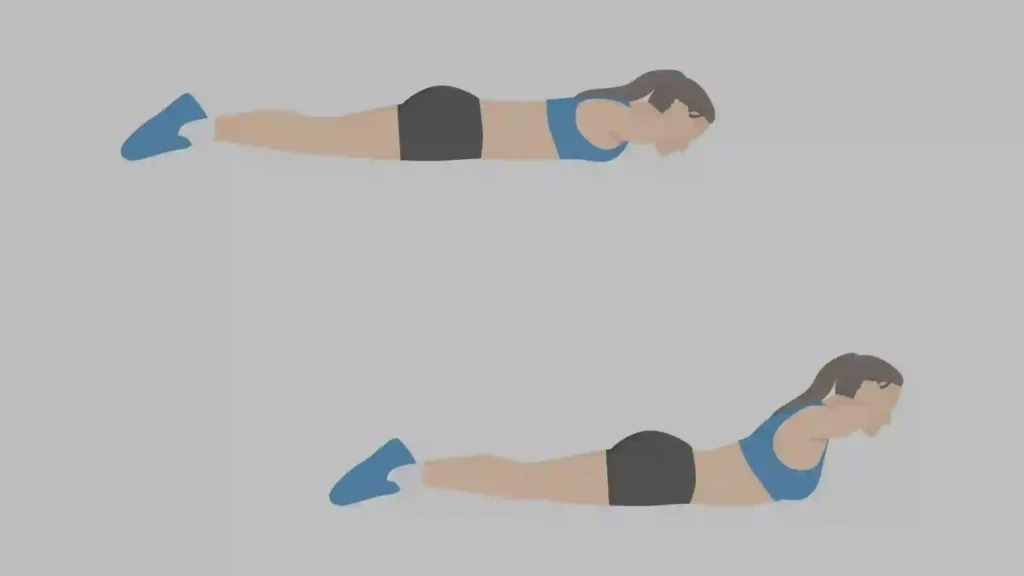
- Position: Prone lying position.
- Place your legs behind you while lying on your stomach to stretch your spine. Pull your chest off the floor and slowly prop yourself up with your elbows.
- If at all possible, extend your arms in a push-up position.
- Ten to fifteen repetitions per session are recommended.
- Hold duration: 5 seconds is enough.
Chin tuck
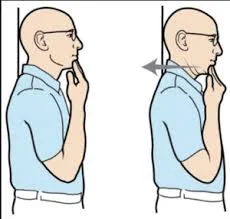
- Position: sitting position.
- You should sit up straight and look straight ahead with your ears just above your shoulders.
- Touch the chin with a finger.
- Pull the head and chin straight back without moving the finger until the top of the neck and the base of the head feel well stretched (At this stage, the finger and chin should be slightly apart.)
- Reach the finger with the chin forward again.
- Ten to fifteen repetitions per session are recommended.
- Hold duration: 5 seconds is enough.
Wall sit
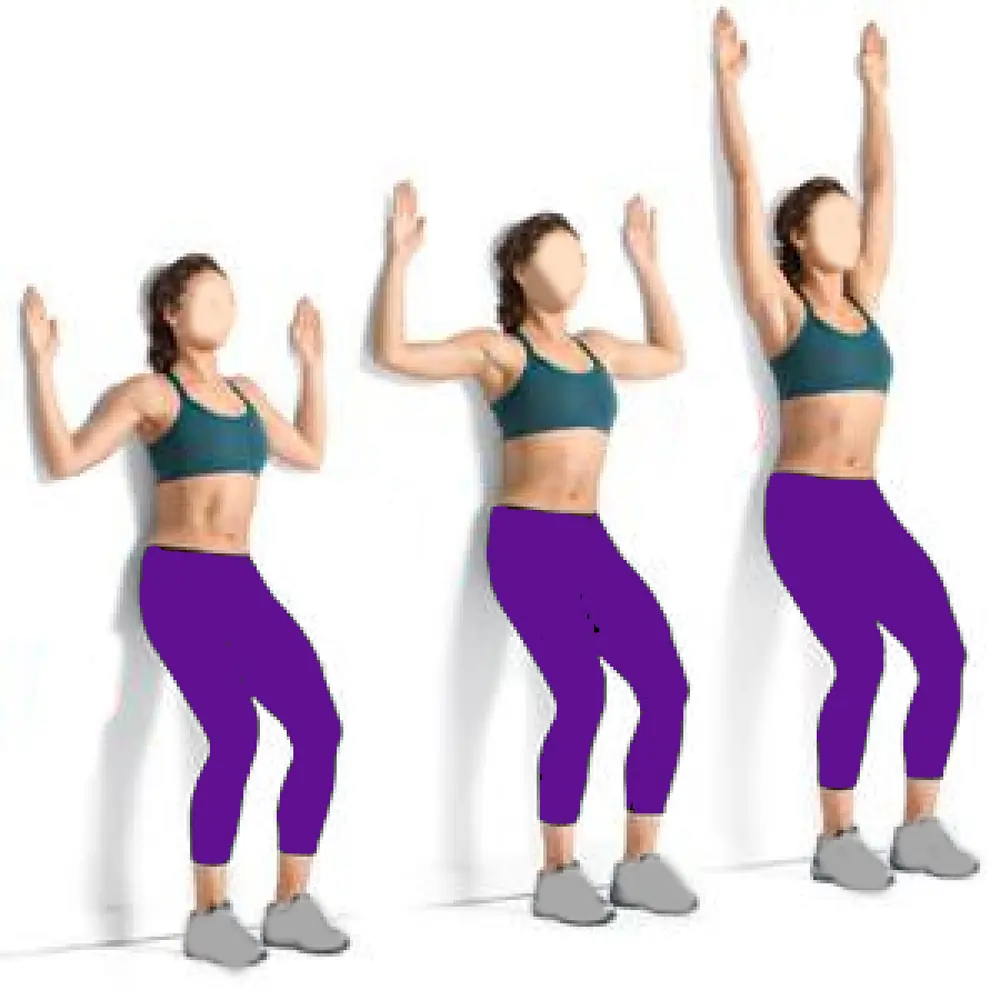
- Position: Sitting position.
- Place your back against a wall and stand. Place your feet away from the wall and shoulder-width apart. Slide your back down the wall slowly.
- Work toward being able to sit in a chair-like position where your thighs are parallel to the floor; however, this may take some time. Wait five to ten seconds. As you gain strength, hold for longer.
- You can move more freely if you work out the muscles in your back, shoulders, neck, butt, and hips that are affected by AS.
- Ten to fifteen repetitions per session are recommended.
- Hold duration: 5 seconds is enough.
Shoulder rolls

- Position: Standing position.
- Sit or stand upright. Try to maintain as straight a spine as you can. Move your shoulders back and down after giving them a little shrug up toward your ears.
- This is felt in the upper back. Imagine bringing your shoulder blades down and together in a rolling motion.
- Pull your shoulders back toward your ears after that. Every day, perform this stretch.
- Ten to fifteen repetitions per session are recommended.
- Hold duration: 5 seconds is enough.
Quadriceps stretch

- Position: Standing position.
- To help with balance when standing, grip onto a chair or countertop.
- Grasp your ankle with one hand and bring your foot up to your buttocks to bend your knee.
- To bend your knee as much as you can, gently tug on your ankle.
- Ten to fifteen repetitions per session are recommended.
- Hold duration: 5 seconds is enough.
Hip flexor stretch

- Position: Kneeling position.
- This stretch is done by kneeling on one knee and putting the other foot forward, such that both knees make a 90-degree angle.
- The body is slowly moved forward until the front of the hip and thigh of the kneeling leg feel comfortable, while maintaining a straight back and a slightly tucked-in pelvis.
- This exercise improves mobility, lessens hip stiffness, and avoids the forward-bent posture that is frequently linked to ankylosing spondylitis.
- It should only be performed within a pain-free range and should be done carefully, without bouncing or abrupt motions.
- Ten to fifteen repetitions per session are recommended.
- Hold duration: 5 seconds is enough.
Superman

- Position: Prone lying position.
- With your arms out in front of you and your legs straight, assume a prone (facedown) position on the floor.
- Slowly raise your arms and legs about 6 inches (15.3 cm) off the floor, or until you feel your lower back muscles tightening, while maintaining a neutral head posture (don’t look up).
- You may visualise this by seeing yourself as Superman soaring over the skies.
- Ten to fifteen repetitions per session are recommended.
- Hold duration: 5 seconds is enough.
Pelvic rotation

- Position: Supine lying position.
- For people with ankylosing spondylitis, the pelvic rotation exercise is a mild mobility exercise that helps preserve lower spine and pelvic flexibility.
- This exercise involves lying on one’s back with the arms at one’s sides relaxed, knees bent, and feet flat on the floor.
- The pelvis and lower back can rotate softly by slowly rolling the knees together to one side while maintaining shoulder contact with the floor.
- After a few seconds, the position is maintained, and then the other side is repeated in the centre. This controlled motion helps alleviate stiffness, enhance spinal and hip mobility, and lessen lower back discomfort.
- Ten to fifteen repetitions per session are recommended.
- Hold duration: 5 seconds is enough.
Standing Leg Raises

- Position: Standing position.
- Hold onto a chair, wall, or other stable surface for balance while standing erect with your feet hip-width apart.
- To stabilise your lower back during the exercise, tense your abdominal muscles.
- Depending on the variant, slowly raise one leg straight out to the front, rear, or side while maintaining a straight knee. Don’t swing or jerk the leg; instead, raise it to a comfortable height.
- Ten to fifteen repetitions per session are recommended.
- Hold duration: 5 seconds is enough.
Walking

- Position: standing position.
- For those with ankylosing spondylitis (AS), walking is a very accessible and helpful form of exercise that has positive effects on both physical and emotional health.
- Walking is a low-impact aerobic exercise that improves cardiovascular endurance, maintains joint mobility, and lessens stiffness without putting undue strain on the sacroiliac joints or spine.
- Frequent walking maintains balance, strengthens the lower body and core muscles, and encourages upright posture—all of which are important for controlling postural alterations associated with AS.
- Walking outside can also improve mood, lower stress levels, and promote deep breathing—all of which are particularly beneficial for preserving chest wall expansion in AS.
- It is advised to walk moderately each day, use supportive shoes, and keep an upright posture with relaxed shoulders and an engaged core in order to optimise the effects.
Deep breathing exercise

- Deep breathing techniques are an easy yet effective method to increase oxygenation, soothe the nervous system, and promote general health.
- Diaphragmatic breathing is a popular method that involves sitting or lying down comfortably, placing one hand on your chest and the other on your abdomen, and taking a slow, nasal breath that causes your belly, not your chest, to rise.
- Feel your abdomen drop as you softly release the breath through your mouth. In addition to slowing the heartbeat and promoting complete oxygen exchange, this breathing technique helps reduce or stabilise blood pressure.
- Just five to ten minutes a day of deep breathing exercises can help people with chronic pain or ankylosing spondylitis, as well as others who want to improve their posture and lung function, focus, and reduce stress.
Additional Ankylosing Spondylitis Treatment Options
In addition to exercises for ankylosing spondylitis, there are other treatments that can help manage and cure the condition. The following is a list of substitute therapies:
Analgesics
- For pain and inflammation, non-steroidal anti-inflammatory drugs, or NSAIDs, are most likely the first-line treatment. NSAIDs include etoricoxib, diclofenac, naproxen, and ibuprofen. For applications that are both safe and effective, the dosage is tracked.
- In situations where NSAIDs are ineffective or other painkillers are needed, paracetamol is typically recommended. Although paracetamol is generally safe to take during pregnancy or lactation, it is not recommended for people who have liver or alcohol use disorders.
- For severe cases, codeine is a more potent analgesic; nonetheless, it might cause nausea, constipation, vomiting, and drowsiness.
Biological Interventions
- Anti-TNF Drugs: When NSAIDs and exercise fail to alleviate symptoms, anti-TNF drugs provide a useful remedy. These injectable medications function by focusing on and lowering inflammation caused by ankylosing spondylitis’s hyperactive immune response. Throughout treatment, doctors keep a close eye on your development; if, after three months, there is no discernible improvement, the medicine is stopped.
- Monoclonal antibody therapy: Secukinumab and ixekizumab may be used for patients who are not responding to NSAIDs or anti-TNF medications. It suppresses the inflammatory proteins.
- JAK Inhibitors: If anti-TNF treatment proves ineffective or impractical, certain oral medications may be tried to block the relevant inflammation-related enzymes.
The corticosteroid
- Because corticosteroids can be injected directly into affected muscles or joints, they provide potent anti-inflammatory effects. To avoid adverse effects, including infections, skin discolouration, atrophy, or tendon rupture, their use is restricted to three injections in a specific joint annually.
Operation
- In rare cases, ankylosing spondylitis may require surgery. Joint replacement surgery is necessary if a joint is severely injured. In extremely rare instances, severely malformed spines may require corrective surgery.
Complications
New bone grows as the body tries to mend from severe ankylosing spondylitis. Sections of vertebrae are finally fused together as this new bone progressively fills in the space between them. These spinal segments become rigid and unyielding. Additionally, fusion may cause the rib cage to harden, which would limit lung function and capacity.
Other issues might be:
- Uveitis is an infection of the eyes. Uveitis, one of the most frequent side effects of ankylosing spondylitis, can result in impaired vision, light sensitivity, and sudden eye discomfort. If you have these symptoms, get in touch with your doctor immediately.
- Fractures caused by compression: In the early stages of ankylosing spondylitis, some people have bone weakness. The severity of a hunched posture might be increased by the crumpling of weak vertebrae. The spinal cord and the nerves that go through the spine may be compressed and harmed by vertebral fractures.
- Cardiac issues: Problems with the aorta, the biggest artery in the body, can result from ankylosing spondylitis. Aortic valve function can be affected when the enlarged aorta affects the geometry of the heart’s aortic valve. Ankylosing spondylitis-related inflammation raises the risk of heart disease overall.
Benefits
- Enhances Spinal Mobility: aids in keeping the spine flexible and avoiding fusion. Lowers the incidence of kyphosis and promotes upright posture.
- Lessens Stiffness: Morning stiffness and tightness from inactivity are countered by regular movement. Increases tissue elasticity and joint lubrication.
- Enhances Postural and Core Muscle Strength: lessens mechanical strain and promotes spinal alignment. Enhances stability and balance while doing daily tasks.
- Boosts Lung Abilities: Chest wall mobility is enhanced by thoracic expansion and breathing exercises. Aids in breathing, particularly when thoracic stiffness increases.
- Enhances Heart Health and Circulation: Walking and swimming are examples of aerobic exercises that improve heart health. Enhances general energy levels and reduces tiredness.
- Promotes Mental Health: Exercise lowers tension and anxiety by releasing endorphins. Enhances mood management and sleep quality.
- Avoids Following Complications: lowers the risk of cardiovascular disease, muscular atrophy, and osteoporosis. Helps keep joints and body composition in a healthy state.
- Enhances Self-Sufficiency: Encourages long-term self-management and autonomy; • Improves capacity to carry out daily duties with less discomfort and effort.
What can make ankylosing spondylitis worse?
- Living a Sedentary Lifestyle: Joint mobility is decreased, and stiffness is increased when there is no movement. Lost a chance to increase flexibility and strengthen postural muscles.
- Bad Posture: Prolonged forward head posture or slouching might worsen spinal discomfort and curvature. Particularly detrimental when prolonged sitting or screen time is involved.
- Smoking: Smoking is associated with accelerated spinal fusion and elevated inflammation. Deteriorates lung function as well, which is crucial for AS.
- High-impact or overexertion activities: Injury or flare-ups may be caused by excessive strain or stress to the spine. You should avoid heavy lifting without supervision.
- Medication Absence or Inadequate Compliance: Uncontrolled inflammation can result from inconsistent usage of prescribed medications. May cause irreparable harm to the joints.
- Overweight: worsens tiredness and puts additional mechanical strain on joints. It can raise systemic inflammation and decrease tolerance to exercise.
- Persistent Stress: Stress hormones may make pain and inflammation worse. Impacts coping skills and sleep as well.
- Lack of Sleep: Fatigue, pain sensitivity, and recuperation are all made worse by little sleep. Maintaining good sleep hygiene is crucial for managing symptoms.
Stages of ankylosing spondylitis
Axial Spondyloarthritis That Is Not Radiographic
- Early stage, characterised by stiffness and back pain.
- MRI may reveal inflammation, but X-rays show no discernible changes.
- Frequently impacts younger people and may or may not get better 4.
Axial Spondyloarthritis in Radiography (AS)
X-rays show obvious structural alterations, particularly in the sacroiliac joints.
Contains:
- Grade I: Unusual alterations, such as a blurring of joint borders.
- Grade II: Very little erosion or sclerosis.
- Grade III: Narrowing of the joint spaces, erosion, and definitive sclerosis.
- Grade IV: Total sacroiliac joint ankylosis (fusion).
Advanced AS
- Vertebral fusion in the spine might result in decreased mobility.
- Postural abnormalities include limited chest expansion and forward slumping (kyphosis).
- May affect extra-articular aspects (e.g., lung or heart involvement, uveitis) and peripheral joints.
Conclusion
Pain, stiffness, and restricted mobility are the major symptoms of ankylosing spondylitis, a degenerative inflammatory illness that mostly affects the spine and sacroiliac joints. Environmental triggers, immune system anomalies, and genetic variables all have a role in its development; however, its precise aetiology is yet unknown.
In order to control symptoms, preserve spinal flexibility, and avoid abnormalities, early detection, appropriate medical care, and consistent exercise are essential. People with ankylosing spondylitis can have an active and better quality of life with regular treatment and lifestyle management.
FAQs
What is ankylosing spondylitis’s last stage?
Significant loss of mobility and extensive spinal fusion are hallmarks of the last stage of ankylosing spondylitis, sometimes known as advanced or end-stage AS. This stage, referred to as “bamboo spine,” is characterised by persistent inflammation that causes the ossification of spinal ligaments and joints, making the spine stiff. Significant back stooping, decreased chest expansion, and trouble carrying out regular tasks are possible symptoms. The fragile nature of the fused spine raises the danger of fractures, and pain may continue even as stiffness becomes more prominent. In order to limit the course of the disease and preserve as much function as possible before it reaches this stage, early diagnosis and persistent care are essential.
Can ankylosing spondylitis damage which organs?
It is true that ankylosing spondylitis (AS) does not just damage the joints and spine. Chronic systemic inflammation can affect other organs; however, it mostly affects the spine and sacroiliac joints. It frequently affects the eyes, resulting in uveitis, which is characterised by discomfort, redness, and light sensitivity. The heart, especially the aorta, may be affected in certain situations, leading to irregular cardiac rhythms or inflammation of the aortic valve. Long-term spinal stiffness can restrict chest expansion, which lowers lung capacity; therefore, the lungs may also be impacted. Rarely, if inflammation spreads, issues may also affect the kidneys or neurological system. As a result, ankylosing spondylitis is regarded as a systemic condition, and treating it requires routine organ function monitoring.
What are ankylosing spondylitis’s most severe symptoms?
The most severe ankylosing spondylitis (AS) symptoms can greatly interfere with day-to-day functioning and usually manifest in the latter stages of the illness. Among them are extreme spinal fusion and stiffness, which result in a stiff, hunched posture called “bamboo spine,” which significantly reduces movement. Chronic pain can become incapacitating and persistent, especially in the hips and lower back. Lower lung capacity and respiratory problems may result from less chest expansion caused by rib involvement. Inflammation can occasionally impact other organs, leading to neurological consequences from spinal fractures or nerve compression, heart issues (such as aortic valve disease), or eye inflammation (uveitis). These severe symptoms are particularly difficult to treat because of fatigue, functional restrictions, and an increased risk of fractures. This highlights the significance of early diagnosis and constant care.
What is a significant complication of ankylosing spondylitis?
Spinal fusion, often referred to as ankylosis, is a serious side effect of ankylosing spondylitis (AS), in which the vertebrae eventually fuse together due to persistent inflammation. This results in a stiff spine, which significantly reduces range of motion and flexibility and can cause a stooped posture. In addition to the spine, AS can result in cardiovascular problems such as inflammation of the aortic valve, lung constriction from constrained chest expansion, and eye inflammation (uveitis), which can impair eyesight. In more severe situations, brittle and fused vertebrae raise the possibility of spinal fractures, which might compress the spinal cord or nerves and have detrimental neurological effects. In order to minimise long-term impairment and maintain quality of life, these consequences emphasise the significance of early diagnosis, consistent monitoring, and all-encompassing care.
What are the major causes of ankylosing spondylitis?
The chronic inflammatory disease known as ankylosing spondylitis (AS) mainly affects the sacroiliac joints and spine. Although the precise cause is still unknown, genetic factors—specifically, the presence of the HLA-B27 gene, which is present in most AS patients—have a critical impact. It is thought that this gene affects how the immune system behaves and may cause an aberrant inflammatory reaction. Infections and other environmental variables may potentially have a role in triggering immunological pathways in people who are genetically prone. Furthermore, AS is regarded as a member of the spondyloarthropathies, a group of linked disorders that have similar inflammatory processes. Usually starting in early adulthood, the illness develops gradually, with inflammation causing discomfort, stiffness, and in extreme situations, spinal vertebral fusion.
What is the bridge exercise for ankylosing spondylitis?
For individuals with ankylosing spondylitis (AS), the bridge exercise is a mild yet efficient action that is frequently suggested to increase spinal flexibility, strengthen the back, gluteal, and core muscles, and improve posture. This exercise involves lying on one’s back with the arms at one’s sides, knees bent, and feet flat on the floor. In order to make a straight line from the shoulders to the knees, the hips are slowly raised upward while the abdominal and buttock muscles are tightened. After a few seconds of holding the posture, the hips are carefully lowered back down. This exercise encourages mobility in the pelvic region, improves spinal alignment, and lessens stiffness in the hips and spine—areas frequently impacted by ankylosing spondylitis.
References
- Ankylosing spondylitis – Symptoms & causes – Mayo Clinic. (2023, December 21). Mayo Clinic. https://www.mayoclinic.org/diseases-conditions/ankylosing-spondylitis/symptoms-causes/syc-20354808
- Pt, B. S. (2024a, June 7). 6 easy hamstring stretches to do at home. Verywell Fit. https://www.verywellfit.com/hamstring-stretches-2696359
- Meyler, Z., DO. (2018, September 10). Easy chin tucks for neck pain. Spine-health. https://www.spine-health.com/wellness/exercise/easy-chin-tucks-neck-pain
- Best exercises for ankylosing spondylitis. (n.d.). WebMD. https://www.webmd.com/ankylosing-spondylitis/ss/slideshow-ankylosing-spondylitis-exercises
- Cpt, K. D. M. R. (2023d, April 12). Try the Superman Exercise to Stand Tall and Proud. Healthline. https://www.healthline.com/health/fitness/superman-exercise
- Pt, L. I., DO. (2024, June 1). 3 essential quad stretches. Verywell Fit. https://www.verywellfit.com/quadricep-stretches-2696366