Best Exercises for Bunions
Introduction
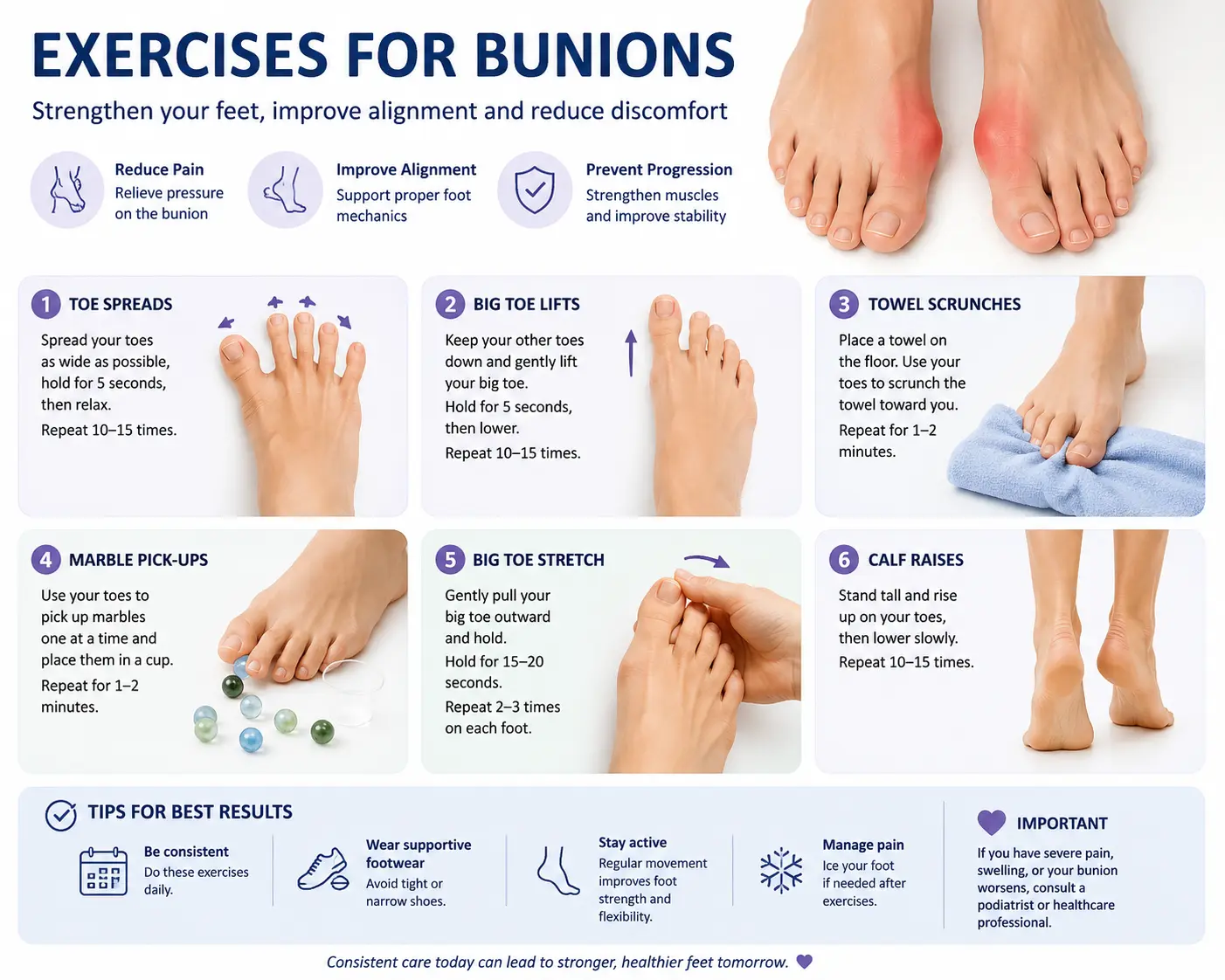
Bunions are a common foot condition that can cause pain, swelling, and difficulty with daily activities. While exercises cannot eliminate a bunion, they can help improve toe flexibility, strengthen foot muscles, reduce discomfort, and support better foot alignment.
Regularly performing bunion exercises may enhance mobility, maintain joint function, and slow the progression of symptoms. This guide highlights simple and effective exercises that can be done at home to promote healthier, stronger feet and improve overall foot comfort.
What is a bunion?
A bony lump that develops at the base of your big toe is called a bunion. The inside edge of the big toe joint, the metatarsophalangeal (MTP) joint, is where bunions form. The base of your big toe and your foot connect at the MTP joint. Bunions are known medically as hallux valgus.
See a doctor if you have pain, stiffness, or numbness in your toes or feet, especially if you have a bump on your big toe.
Types of bunions
Although they can develop on other toes and for different reasons, bunions on your big toe are most frequently caused by excessive pressure. Additional varieties of bunions include:
- Some babies are born with congenital bunions, also known as congenital hallux valgus.
- Bunions that affect individuals under the age of eighteen are known as juvenile or adolescent hallux valgus.
- The base of your little (pinky) toe is where tailor’s bunions, also known as bunionettes, develop. They are typically caused by activities that push your little toe inward toward your other toes or by wearing shoes that don’t fit properly.
Symptoms and Causes
What are the symptoms of a bunion?
The growth that develops at the base of your big toe is the most noticeable sign of a bunion. The bony lump is typically visible and palpable. Other signs of a bunion include:
- Your big toe may hurt or become stiff.
- Swelling.
- Redness or discoloration.
- An inability to bend or move your big toe (bending your toe may cause discomfort or a burning sensation).
- Pain that worsens when you wear shoes, or difficulty wearing specific kinds of shoes.
- Calluses or corns (thickened skin).
- Tight, painful toe tendons and joints are known as hammertoes.
- Numbness in the big toe area.
What causes bunions?
Bunions develop for a variety of reasons. They are believed to be caused by a variety of circumstances, including shoe choice, aberrant bone structure, greater motion, and familial history. Your big toe joint may be forced out of its natural alignment and toward your other toes when it is subjected to excessive pressure for an extended period of time (typically years). When your body adjusts to your toe being forced out of its natural position, a bunion eventually develops on your MTP joint.
The following are the most typical reasons why your big toe joint is under excessive pressure:
- Putting on pointy or narrow shoes that put pressure on your toes (shoes with a narrow toe box).
- Your gait (foot mechanics).
- Inflammatory diseases (such as lupus or rheumatoid arthritis).
- Working on your feet or standing for extended periods of time.
Risk factors
A bunion can occur in anyone. Bunions are more common in the following types of people:
- Females.
- Individuals whose biological parents have foot mechanics problems or bunions. Over 70% of bunions are inherited from a biological parent.
- Those who have previously sustained foot injuries, particularly athletes.
Complications of bunions
A bunion may make you more likely to:
- Bursitis (fluid-filled, painful sacs surrounding joints).
- Hammertoes.
- Osteoarthritis.
What are the 5 stages of a bunion?
Bunions (Hallux Valgus) are progressive structural deformities in which the big toe joint goes out of place. They tend to develop over the years in five recognized stages – from a subtle, painless bump to a severe, debilitating joint misalignment.
1. Mild (Early Development)
What it looks like: a small, subtle bump starts to develop at the base of the big toe. The big toe tilts slightly toward the second toe.
Management: Slows progression with well-fitting, wide-toe-box shoes, orthotics, or protective bunion pads.
2. Observable Changes (Light to Moderate)
How it looks: The bony lump becomes more pronounced. The big toe continues to tilt and may start to lean over against the second toe.
Symptoms: More common symptoms include pain and inflammation, particularly during physical activity or after long walks.
Management: Non-surgical options, such as splints, bunion correctors, and custom orthotics, are often recommended to help ease discomfort.
3. Mild bunion
The big toe is slightly underneath or on top of the second toe, forcing it into a claw shape (sometimes creating a hammertoe).
Symptoms: The pain is more constant and can even occur in flat, soft shoes. Joint stiffness restricts movement and makes it hard to find comfortable shoes.
4. Bad Bunion
What it looks like: The structural alignment is significantly compromised. The big toe often overlaps and crowds in on the second toe.
Symptoms: Chronic, ic constant pain and inflammation. The friction frequently leads to painful secondary problems such as corns, callus, sesamoids, and metatarsalgia (pain in the ball of the foot).
5. Complex Complications
How it looks: The last stage is marked by severe, irreversible joint deformity. The big toe can be moved out of line with its natural position almost to its full length.
Symptoms: Constant, stubborn pain, even when resting. The secondary osteoarthritis of the joint in the big toe is very painful and movement-limiting.
Management: By this time, nonoperative management will not correct the structural problem. To restore function and reduce pain, surgical correction (such as an osteotomy to realign the bone or an arthrodesis to fuse the joint) can be necessary.
Exercise For Bunions
Big toe circles
Your big toe joint is strengthened with toe circles. They are intended to lessen pressure and pain while increasing joint mobility.
Step 1: Grab your big toe while crossing one leg over the other.
Step 2: Gently turn your big toe in little circles with your palms.
Step 3: After 20 repetitions in one direction, move to the opposite direction and repeat 20 times.
Step 4: Switch to the other foot and repeat.
Toe spread-outs
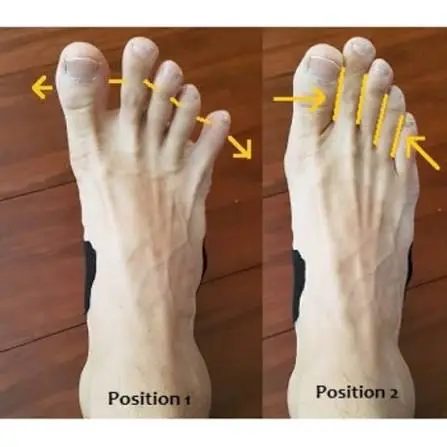
Toe spread-outs can help prevent the formation of a bunion and strengthen the little muscles that enable you to spread your toes. Additionally, keeping your toes moving might help avoid stiffness, which may reduce your risk of developing arthritis.
Step 1: Straighten one leg in front of you.
Step 2: Raise your toes and spread them apart while keeping the ball of your foot on the ground.
Step 3: Relax after holding for five seconds.
Step 4: On each foot, repeat 20–30 times.
Toe curl and point
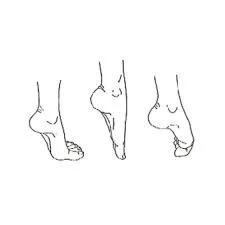
Your foot and toe muscles are worked concurrently by the toe curl and point exercise. Your foot arch and toe mobility during walking, which may be restricted by bunions, are supported by the targeted muscles.
Step 1: Lift your foot off the ground and extend one leg straight.
Step 2: Point your toes down and tighten your arch by contracting the foot muscles in your extended leg.
Step 3: Relax after holding for five seconds.
Step 4: On each foot, repeat 20–30 times.
Big toe extension

To restore movement, this stretch isolates and expands the big toe’s muscles. You can walk and keep your balance by extending your big toe.
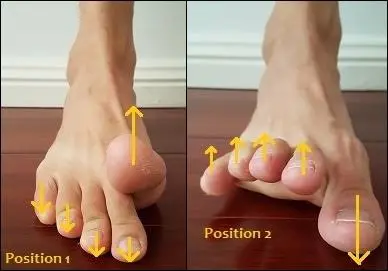
Step 1: With your other four toes on the ground, raise your big toe. Additionally, try to keep the ball of your foot and your heel on the ground.
Step 2: Relax after holding for five seconds.
Step 3: On each foot, repeat 20–30 times.
Heel raises
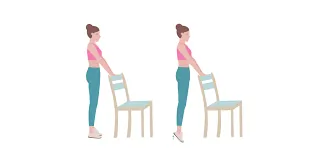
Calf, ankle, and foot muscles can be strengthened using heel raises. When in weight-bearing situations, they may facilitate toe extension. When shifting your weight from one foot to the other when walking, this motion enables your foot to push off.
Step 1: Bend your knees slightly and stand behind a firm chair. For additional support, you can grasp the chair’s back.
Step 2: Maintain the ball of your foot and your toes on the ground. Press your toes into the ground and raise your heel as high as you can. Your ankles and toes should be able to move.
Step 3: Relax after holding for five seconds.
Step 4: On each foot, repeat 20–30 times.
Towel scrunches
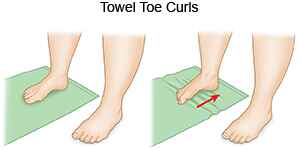
You can improve your mobility by strengthening the muscles in your toes and foot arch with towel scrunches.
Step 1: Take a seat on a chair and place your feet flat on a towel.
Step 2: Grasp the towel between your toes by curling one foot’s toes.
Step 3: Relax after holding for five seconds.
Step 4: On each foot, repeat 20–30 times.
Toe abduction
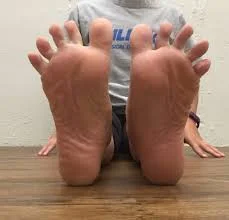
Alignment and mobility can be enhanced by practicing toe abduction, which is the movement of the big toes away from the other toes.
Step 1: Spread your toes outward while keeping your feet flat on the ground. Your other toes may not move as much as your big toe.
Step 2: Relax after holding for five seconds.
Step 3: Repeat on each foot fifteen to twenty times.
Diagnosis and Tests
How are bunions diagnosed?
A bunion will be identified by a medical professional during a physical examination. In addition to examining your foot, they will inquire about your symptoms. Inform your doctor if specific activities exacerbate your symptoms or if you first spot a lump close to your big toe.
You may need to see a podiatrist, a medical professional who specializes in treating your feet.
What tests are done to diagnose bunions?
Your doctor may be able to diagnose a bunion without testing you. X-rays of your feet will be used by your doctor to assess the general alignment of your bones and MTP joint.
Management and Treatment
How are bunions treated?
The following are the most popular treatments for bunions:
Changes in footwear: You can relieve pressure on your toes by wearing shoes with deep, wide toe boxes. If you currently own shoes, you might be able to widen them with stretching equipment.
Bunion pads and taping: To reduce pressure, over-the-counter (OTC) bunion pads cushion the region surrounding a bunion. To keep your toes in the proper position, your doctor may advise using medical tape.
Orthotic devices: Orthotics are foot-supporting shoe inserts. You may require either custom-made inserts or over-the-counter orthotics. A spacer between your big toe and second toe may also be recommended by your healthcare provider. When you’re not wearing shoes, you might need to wear a splint to keep your big toe straight.
Painkillers: NSAIDs, or nonsteroidal anti-inflammatory medications, lessen pain and swelling. You may require topical NSAIDs (creams or ointments you apply to your skin around a bunion) or oral medications.
Icing: Putting cold packs or ice on your affected toe could also be beneficial. To prevent applying a cold pack directly to your skin, wrap it in a thin towel.
Corticosteroids: Prescription drugs that lower inflammation are called corticosteroids.
Physical therapy: To strengthen your foot, you might need to see a physical therapist. They will provide you with stretches or exercises that could keep your toes in better alignment.
Surgery: If various therapies don’t help your problems or if walking is really uncomfortable, your doctor might advise bunion correction surgery. You will be informed about the type of surgery you will require and what to anticipate by your provider or surgeon.
FAQs
Can you correct bunions with exercise?
Bunion exercises don’t cure or shrink or physically reverse the bone deformity once the joint has shifted out of alignment. But they are very good at reducing pain and stiffness. They also prevent the bunion from getting bigger by strengthening the muscles around it.
Why Do They Work
Bunions develop as the big toe begins to angle inward toward the smaller toes, causing the bone at the base to shift. Exercises won’t put the bone back into place, but they work by:
Arch stabilization: Strengthening important foot muscles prevents your foot from rolling inward, reducing the pressure on the big toe joint.
Mobility benefits: Stretching can help to loosen the tight tissue around the joint that can create discomfort.
Desensitizing pain: More robust feet are more capable of taking body weight and controlling forward motion without irritation.
How to shrink bunions naturally?
You can’t permanently reduce or reverse a bunion without surgery, but you can significantly reduce the visual size of a bunion by reducing inflammation. Conservative methods at home are used to stop progression, realign the big toe, and relieve pain.
Is walking good for a bunion?
“Walking can be good or bad for bunions depending on your shoes and foot mechanics.” Walking is good for circulation and building muscle, but the repetitive pressure of each step can worsen a bunion if your shoes are too tight, leading to inflammation in the joint.
What is the root cause of bunions?
Painful bony nodules called bunions develop on the joint at the base of your big toe. They happen when the big toe pulls inside and pushes the joint outward due to misalignment of the bones at the front of your foot.
Is 60 too old for bunion surgery?
An individual’s general health dictates whether or not an operation is considered, not their age. Your age won’t automatically make you eligible for surgery; in fact, we’ve had 80-year-olds who move better than some 40-year-olds.
At what age do most people get bunions?
Although bunions can appear at any age, people between the ages of 30 and 60 are more likely to notice them. Due to the strong genetic component of the illness, foot shape and gait patterns that result in bunions frequently run in families.
What foods make bunions worse?
Although diet cannot cure or reverse the structural bone misalignment of a bunion, certain foods encourage inflammation, fluid retention, and joint swelling, which dramatically worsen bunion pain.
What happens if you leave a bunion untreated?
If left untreated, a bunion, a structural misalignment of the big toe joint, will almost certainly worsen. The big toe pushes inwards, making the joint bulge outwards. This continues over time, causing irreversible damage with long-term complications.
References
- Auger, E. E. (2026, April 28). 7 exercises that are great for relieving bunion pain. Elizabeth E. Auger, DPM. https://www.slcpodiatrist.com/blog/7-exercises-that-are-great-for-relieving-bunion-pain/
- Bunion Exercises for Pain Relief & Foot Strength | Foot Foundation. (2025, July 31). Bunion Exercises for Pain Relief & Foot Strength | Foot Foundation | Foot Foundation. https://www.footfoundation.co.nz/blog/post/152192/bunion-exercises-for-pain-relief-foot-strength-foot-foundation/
- Bunion: strengthening foot muscles to reduce pain and improve mobility. (2016). Journal of Orthopaedic and Sports Physical Therapy, 46(7), 606. https://doi.org/10.2519/jospt.2016.0504
- DI Labs. (2026, January 9). 6 easy exercises to relieve bunion pain – Treace. Treace. https://www.lapiplasty.com/resources/6-easy-exercises-to-relieve-bunion-pain/
- Lindberg, S. (2019, July 9). 10 simple exercises for bunion relief and Prevention. Healthline. https://www.healthline.com/health/bunion-exercises
- Bunions (Hallux valgus). (2026, April 24). Cleveland Clinic. https://my.clevelandclinic.org/health/diseases/14386-bunions-hallux-valgus