
Coordination Exercises for Neurological Patients
Introduction:
Coordination exercises for neurological patients are designed to improve balance, movement control, posture, and muscle coordination affected by neurological conditions such as stroke, Parkinson’s disease, multiple sclerosis, and brain or spinal cord injuries.
It can be difficult to recover following a stroke, particularly when it comes to regaining coordination. Due to brain impairment, stroke survivors frequently struggle with balance, mobility, and fine motor skills. However, coordination exercises following a stroke can enhance recovery and restore the functional abilities needed to perform daily tasks when done correctly.
In order to improve your mobility, balance, and general quality of life, this book will take you through a number of crucial coordination exercises created specifically for stroke sufferers.
How does Stroke affect coordination?
The brain’s capacity to regulate movement can be impacted by a stroke, which frequently results in hand-eye coordination problems, muscle weakness, and loss of balance. Depending on the location and severity of the stroke, people may face difficulties like:
- Having trouble grasping things following a stroke
- Unsteady gait
- Inadequate hand-eye coordination
- Restricted ability to use fine motor abilities
Retraining the brain and body to cooperate efficiently is the aim of coordination exercises. Over time, the brain can create new neural connections and enhance motor function thanks to a process called neuroplasticity.
Exercises for Coordination:
Seated Shoulder Taps:
Proprioception and movement awareness can be improved with this easy yet powerful practice.
How to Do It:
- With your feet flat on the floor, take a seat in a firm chair.
- Lift your right hand and give your left shoulder a tap.
- Repeat with your left hand, lowering it to your right shoulder.
- Do ten reps on each side.
- When necessary, use a mirror to get visual feedback.
Tabletop finger Taps:
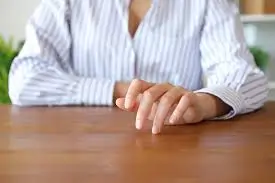
Writing, buttoning a shirt, and using utensils all need dexterity and finger coordination, which are enhanced by this practice. Practicing aware finger movements strengthens fine motor skills.
How to Do It:
- With your hands on the surface, take a seat at a table.
- One finger at a time, raise it and tap the table.
- Go from the thumb to the pinky and back in that order.
- For two to three minutes, repeat.
Arm Circles:

Arm circles promote improved control over upper limb movements by enhancing shoulder mobility and coordination. Additionally, this exercise works the shoulder and arm stabilising muscles.
How to Do It:
- Stand or Seat with your arms by your sides.
- Use your arms to make tiny circles.
- Increase the circle’s size gradually.
- Perform in each direction for 30 seconds.
Seated Marching:

Marching while seated improves balance and leg coordination, which facilitates walking and standing. Additionally, it encourages improved lower-body mobility.
How to Do It:
- With your feet flat on the ground, take a seat.
- Raise and lower one knee in the direction of the chest.
- In a marching motion, switch legs.
- Spend one to two minutes performing.
Heel-to-Toe-Walk:

Walking heel-to-toe is a great way to improve gait control and balance after a stroke. It increases walking confidence and fortifies the leg’s stabilising muscles.
How to Do It:
- Place one foot squarely in front of the other, heel to toe, while standing straight.
- Step forward slowly and deliberately.
- If necessary, use a wall or other support for balance.
- Take ten to fifteen straight steps.
Ankle circles:

Ankle circles improve ankle flexibility and coordination, which is essential for preserving stability and balance when walking.
How to Do It:
- Sit down in a chair and raise one foot off the ground.
- Make a circular motion with the ankle.
- Before swapping feet, make ten circles in each direction.
Finger to nose:

A traditional coordination practice that enhances hand-eye coordination and motor control is finger-to-nose touch.
How to Do It:
- One arm should be extended to the side.
- Bring the index finger to the nose slowly.
- Repeat by extending the arm once more.
- Each hand should do ten repetitions.
Coin Pickup:

Coin pickups improve grip strength and fine motor abilities, both of which are necessary for daily tasks like handling small objects.
How to Do It:
- Put a few pennies on a table.
- Pick up each coin with the affected hand and put it in a cup.
- For two to three minutes, repeat.
- As a challenge, pick up two to three coins at a time and move them into your hand using only your thumb and index finger.
Wrist Flexion and Extension:
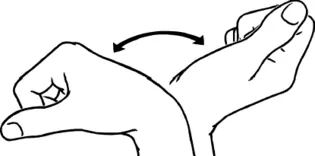
This exercise aids in tasks requiring precise wrist movements by enhancing wrist dexterity and control.
How to Do It:
- Hold a resistance band or a little weight.
- Bend the wrist slowly upward, then bring it back down.
- Each hand should do ten to fifteen repetitions.
Standing Weight Shift:

Standing weight shifts improve balance control and awareness of weight distribution, which improves standing and walking stability.
How to Do It:
- Place your feet hip-width apart.
- Lift the opposing foot a little as you gradually shift your weight to one side.
- After a few seconds of holding, move to the opposite side.
- Ten times on each side, repeat.
One Leg Stand:

One-leg stands enhance balance and build stabilising muscles. For stroke survivors, this can be crucial in lowering their risk of falling.
How to Do It:
- For support, stand close to a solid surface.
- For five to ten seconds, raise one foot off the ground.
- Repeat after switching legs.
- For each leg, perform five to ten repetitions.
Side-to-Side Step:

Stepping side to side improves lateral balance and coordination, which increases the control and stability of side movements.
How to Do It:
- Place your feet hip-width apart.
- Bring the other foot.
- For one to two minutes, keep moving back and forth.
Ball Tracking:

Ball tracking enhances hand-eye coordination and visual tracking, all of which are essential for managing objects and navigating surroundings.
How to Do It:
- Gently toss a little ball from one hand to the other.
- Pay attention to the ball’s movements.
- For one to two minutes, keep going.
Letter to Number Tracing:
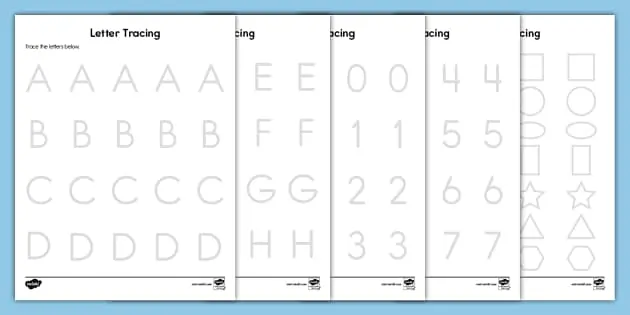
Tracing letters and numbers enhances fine motor abilities and brain engagement by integrating cognitive and physical activities.
How to Do It:
- Trace letters or numbers on a surface with a pen or your finger.
- To test your coordination, try writing in the air.
- Every day, spend a few minutes performing.
FAQs
What are the three methods of coordination?
There are three basic kinds of coordination: external coordination (creating external relationships with stakeholders, consumers, and competitors), horizontal coordination (occurring amongst personnel at the same level), and vertical coordination (or synchronisation of tasks at various levels).
What diseases cause lack of coordination?
Damage to the cerebellum or its connections is typically the cause of ataxia. Muscle coordination is managed by the cerebellum. Genetic disorders, stroke, tumours, multiple sclerosis, degenerative diseases, and alcohol abuse are just a few of the situations that can result in ataxia.
What is the best exercise for neurological disorders?
Aerobic exercises, weight training, flexibility exercises, and balance and coordination exercises are all possible forms of physical activity for people with neurological illnesses. These activities can enhance general well-being, boost muscle strength, lessen stiffness, and improve mobility.
What training method is best for coordination?
Single-Leg Stands: Take 30 seconds to stand on one leg before switching.
Balance Board Training: Perform workouts like lunges and squats on a balance board.
Agility Ladder Exercises: Perform side shuffles and high knees while you run through an agility ladder.
How to treat lack of coordination?
Strength, balance, and coordination exercises. Drugs: To treat underlying illnesses such as infections or vertigo.
Occupational therapy: To enhance coordination and assist with everyday tasks. Balance training is the term for exercises created especially to improve stability.
References:
- Coordination Exercises for Stroke Patients: 14 expert-approved ideas to boost recovery After Stroke – 2025 – Otr/l/www.flintrehab.com/coordination-exercises-for-stroke-patients/
- Coordination exercises in stroke patients – 2024 – HoustonBionics/www.houstonbionics.com/post/coordination-exercises-in-stroke-patients
- 25 hand exercises for stroke recovery – 2024/www.saebo.com/blogs/clinical-article/reclaim-your-dexterity-with-hand-exercises-for-stroke-recovery?