10 Monsoon Joint Pain Relief Exercises You Can Do at Home
Introduction
The monsoon season brings cooler weather and refreshing rain, but for many people, it can also lead to increased joint pain, stiffness, and reduced mobility. Individuals with arthritis, previous injuries, or age-related joint problems often notice that their knees, hips, shoulders, and other joints feel more uncomfortable during this time. While the exact reason isn’t fully understood, changes in humidity, temperature, and air pressure may contribute to increased discomfort. In addition, people tend to spend more time indoors during the rainy season, leading to reduced physical activity, which can further increase joint stiffness.
The good news is that regular, gentle exercise is one of the most effective ways to keep your joints healthy and reduce pain. Simple movements help improve blood circulation, lubricate the joints, strengthen the muscles that support them, and increase flexibility. Exercising also helps maintain a healthy range of motion, making everyday activities like walking, climbing stairs, and getting up from a chair easier and more comfortable.
You don’t need expensive equipment or a gym membership to stay active during the monsoon. A few minutes of safe, low-impact exercises at home can make a noticeable difference in how your joints feel. The key is to move slowly, avoid sudden or painful movements, and perform each exercise with proper technique. Consistency is more important than intensity.
In this article, you’ll discover 10 easy monsoon joint pain relief exercises that are suitable for most fitness levels. These exercises are designed to reduce stiffness, improve flexibility, strengthen supporting muscles, and promote better joint health. Whether you’re managing mild joint discomfort or simply want to stay active during the rainy season, these simple home exercises can help you move more comfortably and confidently every day.
What is joint pain?
Pain in one or more of your body’s joints is referred to as joint pain. Where the ends of two or more of your bones meet is called a joint. For instance, the hip joint is where the pelvis and thigh bone meet.
Joint pain is frequently experienced in the hands, feet, hips, knees, or spine. Joint pain can be intermittent or persistent. Your joints may occasionally feel painful, achy, or stiff. Some report experiencing a “grating,” throbbing, or burning sensation. Additionally, your joints could seem tight in the morning, but with movement and activity, they will loosen up and feel better. On the other hand, excessive exercise might worsen your pain.
Your ability to perform simple tasks may be hampered by joint pain. Your quality of life may be negatively impacted by severe, painful joints. In addition to treating pain, treatment should emphasize returning to regular activities and living life to the fullest.
What causes joint pain?
The following are the most typical causes of joint pain:
Osteoarthritis: Osteoarthritis is a frequent kind of arthritis that develops as your cartilage, which acts as a cushion between your bones, deteriorates over time. Your joints become stiff and uncomfortable. Osteoarthritis typically manifests after age 45 and progresses gradually.
Rheumatoid arthritis (RA): RA is a long-term condition that results in joint pain and swelling. Your joints frequently distort (typically in your fingers and wrists).
Gout: Acidic crystals from your body build up in your joints, causing excruciating pain and swelling. Usually, your big toe is where this happens.
Bursitis: Bursitis is caused by overuse. Usually, your hip, knee, elbow, or shoulder are affected.
Inflammation of your tendons, the pliable bands that join muscle and bone, is known as tendinitis. Usually, it affects your shoulder, heel, or elbow. It is frequently caused by overuse.
Additionally, joint movement may be painful due to fever, rash, or viral infections. Joint discomfort can also result from injuries like sprains or fractured bones.
What are the risk factors for joint pain?
People who have joint pain typically have:
- Arthritis or other long-term (chronic) medical conditions.
- Previous injuries to a joint.
- Repeatedly used and/or overused a muscle.
- Depression, anxiety, and/or stress.
- Obesity is defined as having a body mass index (BMI) of more than 30.
- Another factor contributing to sore and stiff joints is age. After age 45, issues may develop due to years of use, joint wear, and strain.
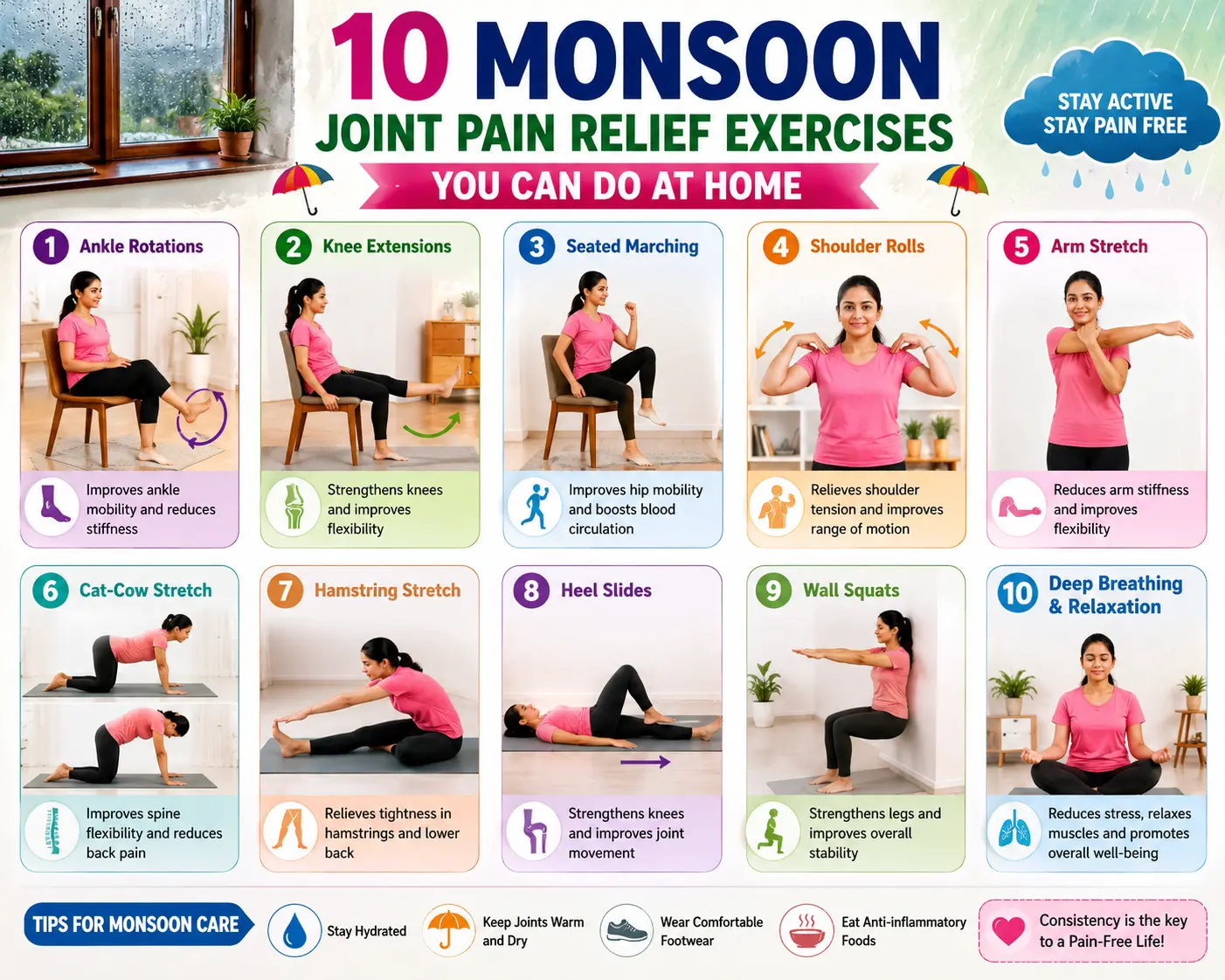
10 Monsoon Joint Pain Relief Exercises You Can Do at Home
Seated Knee Extension

Method: Place your feet flat on the floor while seated in a chair. One knee should be slowly straightened until it is parallel to the floor. Hold this position for a few seconds before lowering it. Continue with the opposite leg.
Benefits: This exercise makes it simpler to support and straighten the knee by strengthening the muscles in the front of the thigh.
Frequency Recommendation: 10–15 repetitions per leg for two to three sets, at least three days per week.
Hip Abduction Exercise

Method: For support, grasp the back of a chair. Lift one leg slowly to the side, then bring it back down. Continue with the opposite leg.
Benefits: This exercise enhances mobility and eases hip tightness and back pain.
Finger Stretch

Method: Make sure your fingers are relaxed and straight. Make a soft fist with your fingers by slowly bending them, holding it for a few seconds, then opening your hand and straightening your fingers once more. Continue with the opposite hand.
Benefits: Increases range of motion and lessens stiffness.
Stretching should be done in two to three sets, two to three times a day.
Resistance Band Stretch for Shoulders

Method: Using both hands, grasp a band of light resistance. At waist level, keep your elbows bent and toward your sides. Spread your hands apart, being careful not to move your elbows, and slowly drag the band wide. Just go as far as you are comfortable, hold it for ten seconds or more, and then gradually go back to where you were.
Benefits include increasing flexibility, strengthening shoulder muscles, and easing shoulder pain and stiffness.
Ten sessions per day, three times a day, is the recommended duration.
Walking

While it is practically difficult to go an entire day without walking, insufficient walking may worsen joint pain. If you are not walking, you are sitting too much, which can cause hip and lower back pain. Don’t begin by walking a mile on your first day if you don’t walk much. During the day, gradually increase the number of steps you take. Avoid sitting for extended periods of time without getting up and moving around for a few minutes. You will have less pain when walking in the future if you walk more frequently and take more steps.
Tai Chi

Your body is constantly moving as you move from one posture to the next in Tai Chi, a moderate, slow-motion workout. Similar to yoga, tai chi is a low-impact workout that enhances strength, flexibility, balance, and coordination while being gentle on the joints and muscles. Additionally, Tai Chi offers classes for all skill levels.
Extending your arms in front of you is not the focus of Tai Chi. No. Simply no. Every moment has a purpose, a flow, and, for some, a combat application. Consider these things as you practice.
Try the motion with just one whip. The single whip is a rather common one that appears in all varieties, but we’ll only include a handful here (there are many). Every point on your arms and upper chest is a part of a whip, and at any time they could explode with a surge of energy, becoming the whip’s end. It doesn’t seem so simple anymore.
Does the white crane’s spreading wings move? This one requires you to keep both feet on the ground while maintaining your weight on one leg. As you test your balance, you’ll be moving back and forth. Your arms should therefore be in opposition to one another; one should move quickly and on diverse levels, while the other should move slowly and deliberately (but never flaccidly and weakly).
Practice “pouring.” You may even do this while standing in line at the self-checkout. You just stand with your feet parallel to each other and shoulder-width apart on the ground. After a few inhalations and exhalations, you gradually transfer your weight to one leg and keep it there.
Make circles with your arms. Start your arm circles with your wrists relaxed and your elbows out in front of you. On the first level, begin by slowly moving your fingers, wrists, forearms, and shoulders in circles. At all times, strive to maintain perfect, immobile equilibrium in your core.
Do leg cycling as well! Work your way from your toes to your thighs while seated, bending your knees as necessary. Make sure to move both in a clockwise and counterclockwise direction.
Learn how to do the “snake creeps down” maneuver. Once more, each Tai Chi style has a slightly different version of this motion, but the overall idea is the same:
Move as smoothly as you can from a standing position into a deep (hamstring) lunge.
Once there, use your arms to test your balance. Move them at various speeds and on various planes.
Transition from short to long form. You’ll probably want to use the short form for the majority of newbies. That typically lasts 5 to 20 minutes and is 13 to 40 moves long. The lengthier form is useful in this situation! It can take more than an hour and involves at least 80 moves. Discuss ways to reduce stress.
Pilates
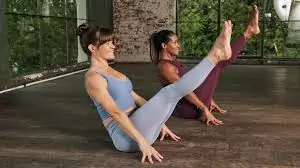
Pilates focuses on strengthening the hips, lower back, and abdomen’s core muscles. Pilates exercises are beneficial for the extremities as well because they involve the arms and legs to help manage the core muscles. Another low-impact workout suitable for all fitness levels is Pilates.
All you’ll need is room to set up your Pilates mat.
With your legs straight, lie on your back on the ground. Make sure your shoulders are relaxed and away from your ears, and let your belly fall toward the floor.
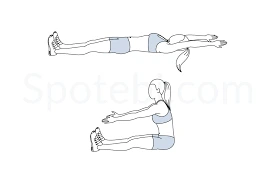
As you check your alignment and pay attention to your body, take a few deep breaths. When you’re ready, raise your arms straight over your head and back so that your fingertips point to the wall behind you, keeping your ribs down and your scapula fixed in your back. This is where you will start. The Pilates arm over is the first exercise.
Inhale: Raise your arms above your head while keeping your scapula down. Allow your chin to drop as your arms pass your ears, then curl up with your head and upper spine.
Exhale: Continue to curl your body “up and over” toward your toes in a single, fluid motion. For many, this is the “moment of truth.” As you exhale, tighten your abs and deepen the curve of your spine. It’s not momentum that propels you higher.
With your head tucked, your abdominals deep, and your back rounded, reach for your toes. Throughout this exercise, the legs should ideally remain straight, with energy extending through the heels.
Allowing the legs to flex, particularly as you approach and reach for the toes, would be a modification.
Inhale: As you bring your lower abs in, reach your tailbone under, and start to unfold—vertebra by vertebra—down to the floor, fully incorporate the breath into your pelvis and back. This motion starts with the inhalation and continues until you are about halfway down. As you slide down, make sure your legs stay on the ground and don’t fly up.
Exhale: Keep placing each vertebra on the ground one after the other. As you roll down slowly and deliberately, maintain the bend of your upper body. As you roll down, keep your arms outstretched and follow your shoulders’ natural motion. As you roll down to the mat, your arms follow your head once your shoulders touch the ground.
Perform up to six repetitions.
Swimming

Lap swimming is a great low-impact activity that will increase your strength, flexibility, and aerobic endurance, but it does require you to be an adept swimmer. Due to the weightlessness of the water, water exercises promote better range of motion and freedom of movement, which can help reduce joint pain.
Cycling

Riding a bike is an excellent cardiovascular and lower-body strengthening workout since it puts less strain on the knees and ankles than walking or running. However, if you have hand or finger pain, it could be difficult to hold onto the handlebars. If so, an elliptical machine or a stationary cycle might be a better choice.
Ankle pumps

How to do it: Sitting or lying down, slowly flex your feet upward toward your shins as far as you can, then point your toes downward away from your body.
The “Peripheral Heart” Calf muscles are often referred to as the “second heart” of the body. Ankle pumps work by contracting and relaxing these muscles, which squeeze your veins to push blood up against gravity and keep your legs energized.
Why do my knees hurt before it rains?
The approaching weather front causes the barometric (air) pressure to drop. That reduction in external pressure allows the tissues (muscles and tendons) around your knee to expand a little. If you have had previous injuries to the joint or if there is inflammation underneath, this expansion crowds the joint, causing pain or stiffness.
While there is scientific consensus in fields like biology and orthopedics about how pressure affects the nerves in the joints, clinical research on the broader link between weather and arthritis is mixed.
Tissue Expansion: The air pushes less on your body when the air pressure is lower, and so the soft tissues swell. Meaning more mechanical pressure on the nerves in your knee joint.
Lower Energy: Rainy, gloomy days often mean more time spent indoors and less activity, which can make joints stiff and more sensitive.
Temperature and Humidity Coolerrr temperatures and changes in humidity can cause the fluid inside your joints to thicken or the muscles around them to tighten up.
How to reduce joint inflammation quickly?
For quick relief of joint inflammation, use a cold pack for 15-20 minutes at a time and rub on a topical NSAID like diclofenac gel. To decrease fluid accumulation, rest the area and elevate the joint above your heart, and if your physician allows, take an oral over-the-counter anti-inflammatory such as ibuprofen.
These are some specific, fast-acting, long-term solutions for joint inflammation that can help you cope with flare-ups quickly:
1. Quick relief (0-24 hours)
Cold Therapy: Wrap an ice pack in a thin towel and apply it to the inflamed joint for 15-20 minutes every hour to constrict blood vessels and numb the area.
Topical NSAIDs: Voltaren (diclofenac) gel applies anti-inflammatory medicine directly through the skin to target pain relief.
The PEACE Technique: Use the PEACE regimen (Protection, Elevation (keep it above your heart), Avoid anti-inflammatories temporarily if small, Compression with a loose elastic bandage, and Education on listening to your body) if the inflammation is the result of a recent sprain or strain.
Oral Medications: While they can quickly reduce systemic inflammatory molecules, over-the-counter medications like naproxen and ibuprofen should be used with caution.
2. Medical Treatments (For severe flare-ups)
Corticosteroid Injections: See a doctor for a targeted steroid injection, which offers quick, effective relief for severe joint swelling if home therapies don’t work.
3. Dietary Support & Long-Term Reduction
Anti-Inflammatory Foods: Include foods high in omega-3 fatty acids in your regular diet, such as flaxseed oil, walnuts, and salmon. Cruciferous foods like broccoli and berries, which are high in anthocyanins, also actively lower blood inflammatory markers.
Targeted Spices: To naturally reduce the body’s inflammatory response, ginger and turmeric (which includes curcumin) can be taken as supplements or brewed as tea.
Heat Therapy: Use warm baths, heating pads, or paraffin wax to relax tense muscles and ease joint pain once the initial swelling has subsided.
Which vitamin can lead to joint pain?
Joint pain is often related to deficiencies in Vitamin D, Vitamin B12, and magnesium. These nutrients are essential for joint health, inflammation regulation, and nerve function, and a deficiency can cause deep aches, stiffness, and weakness that can mimic or worsen joint problems.
Vitamin D: Needed for calcium absorption and modulating inflammation. Low levels can weaken the bones and are often associated with a higher incidence of arthritis or osteoarthritis.
Vitamin B12 – Needed for nerve and red blood cell production. A deficiency can lead to neuropathy, which causes tingling, numbness, and aching in the extremities that is sometimes mistaken for joint pain.
Magnesium: Low levels of magnesium can lead to muscle spasms, cramping, and increased tension around your joints.
What is a home remedy for joint pain?
To treat joint pain at home, you can use alternating ice packs to reduce swelling and warm compresses to relieve stiffness. Add anti-inflammatory compounds such as turmeric, ginge,r or omega-3 fatty acids to your daily diet. Perform gentle, low-impact exercises to keep your joints flexible.
Here are the most effective, science-backed natural strategies you can easily try at home to find relief:
1. Heat Therapy
Cold Packs: Wrap an ice pack in a towel and apply for 15-20 minutes several times a day. It is especially helpful for acute injuries, flare-ups, or swollen joints,s as it constricts blood vessels and reduces inflammation.
Heat Therapy – A heating pad, warm bath, or electric blanket can help ease stiff, aching joints. Heat increases local blood flow, relaxes surrounding muscles, and is especially helpful for morning stiffness or osteoarthritis.
2. Diet and Herbs for Anti-Inflammation
Curcumin (Turmeric): The active compound is a well-known natural anti-inflammatory. You can make a tea or stir 1 teaspoon of turmeric and a pinch of black pepper into warm milk or water.
Ginger. Ginger has powerful compounds known as gingerols that help reduce morning stiffness and joint pain. Make a tea by steeping fresh ginger in boiling water or make a topical paste.
Omega-3s: Fatty acids from fish oils, flaxseeds,s and walnuts may help to fight systemic inflammation naturally.
3. Physical Support & Gentle Movement
Low-Impact Exercise:se Gentle yoga, swimming, or walking can help strengthen the muscles that support your joints without putting too much mechanical stress on them.
Keep a healthy weight. Losing excess weight can help reduce the mechanical load on weight-bearing joints, such as your knees and hips.
4. When to Consult a Physician
You should see an orthopedic expert or general practitioner if your joint pain is accompanied by a fever, sudden swelling, redness, inability to bear weight on the joint, or pain that interferes with regular activities, even though home remedies are quite helpful for everyday pains and mild inflammation.
What is the treatment for joint pain?
Joint discomfort may not have a solution, but it can be managed. Sometimes, taking over-the-counter (OTC) medicine or engaging in basic daily activities will help relieve the pain. In other cases, the discomfort might be an indication of issues that require surgery or prescription drugs to address.
Treatment for joint discomfort consists of:
Simple at-home treatments: Your doctor could advise using ice or a heating pad on the affected area for brief periods of time, multiple times a day. Relief may also come from taking a warm bath.
Exercise: Regaining strength and function can be facilitated by exercise. The ideal aerobic exercise is walking, swimming, or a similar low-impact activity. Individuals who engage in physically demanding sports or workouts may need to reduce their intensity or start a low-impact exercise regimen. Additionally beneficial are mild stretching exercises. Before starting or continuing any workout regimen, consult your healthcare provider.
Weight loss: To reduce the stress on your joints, your doctor might advise you to lose weight if necessary.
Medication: Nonsteroidal anti-inflammatory medicines (NSAIDs) or acetaminophen (Tylenol) may help reduce your pain. Ask your healthcare provider if this is a good option for you if you have a history of liver illness, renal disease, or stomach ulcers.
Topical therapies: To help reduce discomfort, your doctor may suggest topical treatments such as ointments or gels that you apply to the affected joint area. Some of these might be available over-the-counter, or your doctor might prescribe them.
Dietary supplements: Glucosamine is one type of dietary supplement that may help reduce discomfort. Before taking any over-the-counter supplements, see your doctor.
Your doctor might recommend the following if those drugs or therapies don’t relieve your pain:
- A brace, cane, or orthotic device in your shoe is an example of a supportive device that can help support your joint and facilitate mobility.
- A well-rounded fitness regimen combined with physical or occupational therapy can help progressively reduce discomfort and increase flexibility.
- antidepressants to enhance sleep.
- Steroids are frequently injected into your joint to temporarily reduce pain and swelling.
- Medications to lessen discomfort.
It’s crucial to keep in mind that everyone reacts differently to medications, including those that are sold over-the-counter. What benefits one individual might not benefit another. When taking any medication, be sure to carefully follow your doctor’s instructions and report any negative effects.
If your joint pain is persistent and doesn’t improve with medication, physical therapy, or exercise, surgery can be a possibility.
Among the available surgical options are:
Arthroscopy
A surgeon will make two or three tiny incisions in the flesh over your joint during an arthroscopy. Using an arthroscope, a thin, flexible, fiberoptic tool, they enter your joint and either remove bone shards or restore cartilage.
Joint fusion
In a joint fusion operation, the ends of your bones are fused together by a surgeon to remove the joint. To keep your bones in place while they recover, the surgeon may use plates, screws, pins, or rods.
Osteotomy
In order to relieve pressure on the injured area of your joint, a surgeon will realign or reshape the long bones of your arm or leg during an osteotomy. Your joint’s range of motion can be restored and discomfort relieved with this surgery.
Replacement of joints
When the cartilage that protects and cushions the ends of your bones goes away, joint replacement surgery may be necessary if previous therapies are ineffective. Shoulder, knee, and hip joints can all be treated in this way. An artificial joint composed of plastic or metal is implanted after a surgeon removes portions of your bone. The majority of patients experience long-lasting pain alleviation following this kind of surgery, and the method has produced remarkable outcomes.
Symptoms of joint pain
Joint discomfort can be minor to incapacitating. Without cartilage, bones rub directly against each other when your joint moves. Symptoms may consist of:
- Swelling.
- Stiff or enlarged joint.
- Numbness.
- Painful movement.
- Difficulty bending or straightening your joint.
- Loss of motion.
- A hot and swollen joint. (This needs immediate evaluation.)
It’s time to discuss your pain with a healthcare professional if it’s getting in the way of your everyday activities. To reduce pain and preserve healthy, functional joints, it’s critical to identify the source of your discomfort as soon as possible and start therapy.
You ought to consult a provider if:
A fever is accompanied by pain.
You have lost at least 10 pounds (4.5 kilograms) of weight for no apparent reason.
You are unable to walk properly due to pain.
In order to determine what might be causing your discomfort, your doctor will ask you a lot of questions throughout the visit. You should be prepared to respond to inquiries regarding:
- Past joint injuries.
- When did you start having joint pain.
- Whether joint discomfort runs in the family.
- The kind of pain you’re feeling.
- Your doctor will examine the affected joint to check for pain or restricted range of motion. Additionally, they will search for indications of damage to the surrounding tendons, ligaments, and muscles.
Your doctor will examine the affected joint to check for pain or restricted range of motion. Additionally, they will search for indications of damage to the surrounding tendons, ligaments, and muscles.
X-rays can reveal whether your discomfort is being caused by bone spurs, fluid in your joint, joint degradation, or other problems. Blood testing can help rule out other illnesses that might be the source of your pain or confirm a diagnosis.
FAQs
Can we do exercise in the monsoon season?
Even though it’s not for everyone, if you decide to work out in the rain, be careful to choose routines that will reduce your risk of slipping on wet surfaces and dress correctly in water-resistant clothes.
Can the monsoon cause joint pain?
Yes, High humidity causes the tissues surrounding joints to gradually expand, which tightens the joints. Particularly in moist monsoon air, this pressure can make you more uncomfortable, stiff, and less mobile.
What to avoid in the monsoon?
Foods to Avoid in the Monsoon
Avoid street food. During the monsoon, street food should be avoided at all costs.
Limit your intake of leafy vegetables. During the rainy season, leafy vegetables often grow in contaminated water and may contain a high concentration of bacteria and germs.
Avoid cold foods and drinks.
Turmeric.
Garlic along with ginger.
How to stop joint pain when it rains?
The barometric pressure falls, allowing the tendons and muscles to expand. This is the main cause of joint pain in the rain. To ease the discomfort, keep your joints warm with cozy layers and heating pads, do gentle stretching to maintain lubrication, and take advantage of over-the-counter NSAIDs like ibuprofen or topical creams like Voltaren.
To successfully deal with weather-related aches, it is important to use a mix of these proven approaches:
Heat. Combat the damp, chilly air with a heating pad, a warm bath, or a warm water soak for the affected area. Heat relaxes tight muscles and relieves local tension.
Control Inflammation: Use ice on the area (wrapped in a towel) for 15-20 minutes for acute swelling. Or over-the-counter pain relievers like ibuprofen, naproxen, or acetaminophen can help ease pain.
Keep Movin: Rainy days make you want to stay on the couch, but inactivity makes stiffness worse. Counteract this with low-impact indoor exercises such as yoga, tai chi, or gentle stretching.
Physical Therapy – A licensed therapist can design specific exercises to strengthen the muscles that support your joints, decreasing overall joint stress.
Anti-inflammatory Diet – Choose foods that are naturally anti-inflammatory, such as turmeric or ginge, and add omega-3 fatty acids to your diet. Avoid processed foods that can make swelling worse.
What are the 5 worst foods for joint pain?
Certain foods may make joint pain and inflammation worse by causing systemic inflammation or damaging cartilage. The 5 worst foods for joint pain are:
Sweets and sugary drinks: sodas, candies, and pastries send blood glucose levels skyrocketing, causing the body to release inflammatory proteins known as cytokines.
Fried and processed foods:s Fast foods and pre-packaged snacks have trans fats and AGEs (Advanced Glycation End Products), which stiffen joints and accelerate inflammation.
Red and Processed Meats: Steaks, bacon, hot dogs are high in saturated fats and purines that can increase tissue inflammation and flare-ups of gout.
Refined Carbohydrates: White bread, white pasta, crackers convert to sugar rapidly, raising blood glucose levels, stress, and stiffening tendons.
Corn and Safflower Oils: Oils that are eaten in heavy amounts are high in omega-six fatty acids and contribute to inflammatory responses.
How do Chinese people treat arthritis?
A combination of acupuncture, Chinese herbs, ointments, plasters, and oils, along with individualized dietary and lifestyle recommendations, is typically used to treat arthritis, depending on the patient’s particular condition and symptom presentation.
References
- Blaney, F. (2025, June 21). How to do Tai Chi: Beginner moves & practice techniques. wikiHow. https://www.wikihow.com/Do-Tai-Chi
- Dhruvi. (2025, September 11). Monsoon brings rain and pain — How to take care of joint pain? Alleviate Pain Clinic. https://alleviatepainclinic.com/blog/monsoon-brings-rain-and-pain-how-to-take-care-of-joint-pain/
- Ghanate, V., & Ghanate, V. (2023, November 27). 7 best exercises for joint pain. Manipal Hospitals. https://www.manipalhospitals.com/baner/blog/exercises-for-joint-pain/
- Hospital, S. M., & Hospital, S. M. (2024, August 10). Joint Pain and Arthritis: Managing Symptoms in the Monsoon – Saraswati Multispeciality Hospital in Bopal. Saraswati Multispeciality Hospital in Bopal – Logo. https://www.saraswatihospitals.com/joint-pain-and-arthritis-managing-symptoms-in-the-monsoon/
- LLP, N. M. (n.d.). Monsoon and joint pain: Why the rain hurts more than just your mood | blogs |. NSP Multiserve LLP. https://www.curaphysiotherapyclinic.com/blog/monsoon-and-joint-pain-why-the-rain-hurts-more-than-just-your-mood
- Mehta, P. (2026, July 3). Joint pain during the Monsoon: Causes, symptoms, exercises & relief tips. PharmEasy Blog. https://pharmeasy.in/blog/bone-health-joint-pain-during-the-monsoon-causes-symptoms-exercises-relief-tips/
- Monsoon & Joint pain: Causes, remedies & arthritis care tips. (n.d.). Sir Ganga Ram Hospital. https://sgrh.com/blog/how-monsoon-impacts-joint-pain-and-arthritis
- Preventing and managing joint pain during the monsoon season. (n.d.). https://www.mallareddynarayana.com/blogs/preventing-and-managing-joint-pain-during-the-monsoon-season
- Professional, C. C. M. (2026, April 14). Joint pain. Cleveland Clinic. https://my.clevelandclinic.org/health/symptoms/17752-joint-pain