Exercise for Muscle Tightness After Exercise
Introduction
Muscle tightness after exercise is a common experience for people of all fitness levels. Whether you are a beginner starting a new workout routine or an experienced athlete pushing your limits, your muscles may feel stiff, sore, or less flexible after physical activity. This tightness often occurs because of muscle fatigue, microscopic muscle fiber stress, or a buildup of tension during exercise. While mild muscle tightness is usually a normal part of recovery, it can limit movement, affect performance, and increase the risk of injury if ignored.
The good news is that gentle recovery exercises and stretching techniques can effectively reduce muscle tightness and improve overall mobility. Performing stretches after your workout helps relax the muscles, restore their normal length, and improve blood circulation. Better circulation delivers oxygen and nutrients to the muscles, supporting tissue repair and reducing post-exercise soreness. Recovery exercises also help maintain joint flexibility, improve posture, and prepare your body for future workouts.
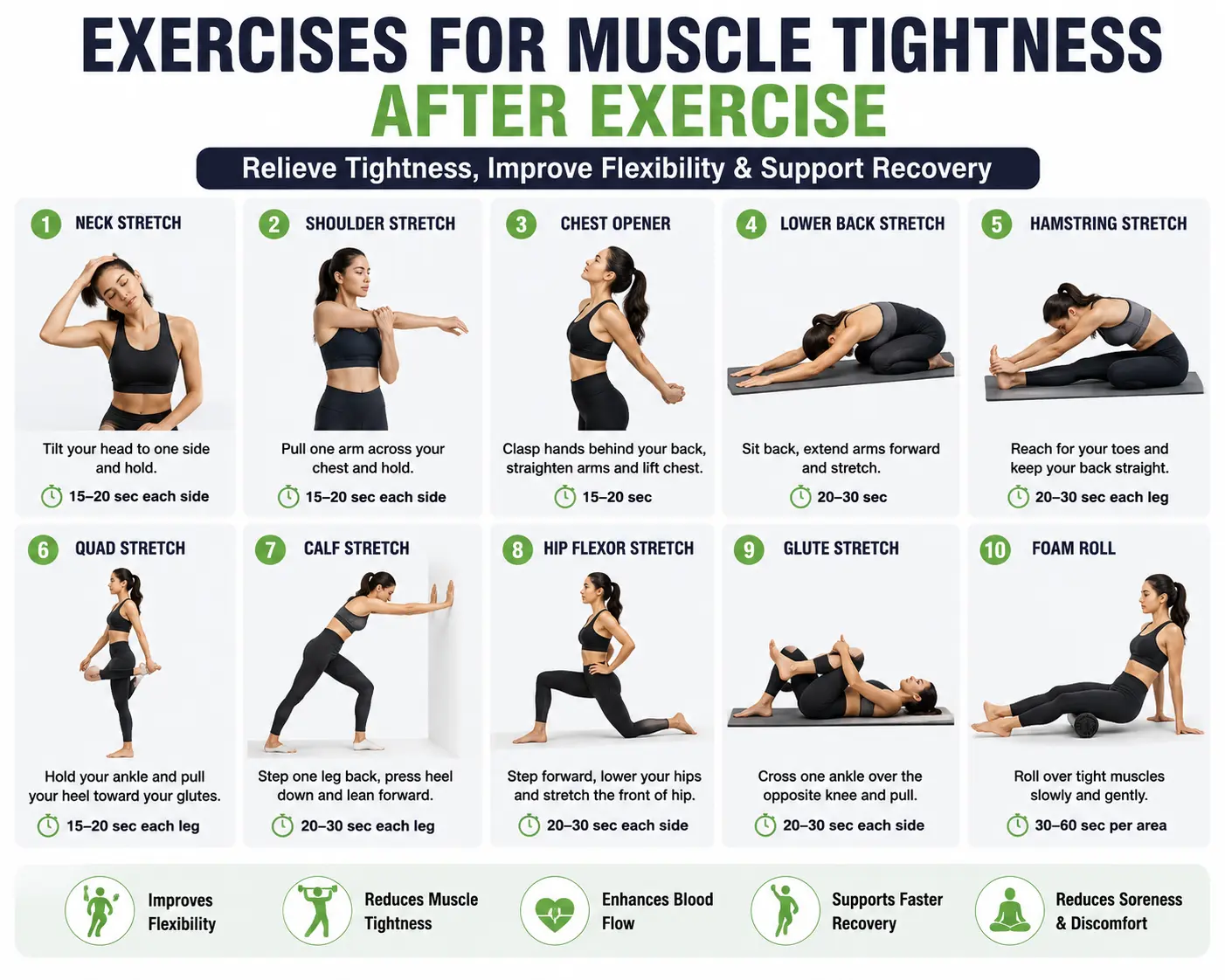
Some of the most effective exercises include neck stretches, shoulder stretches, hamstring stretches, calf stretches, hip flexor stretches, quadriceps stretches, lower back stretches, and gentle mobility movements. Foam rolling and deep breathing exercises can also complement your recovery routine by reducing muscle tension and promoting relaxation.
For the best results, perform these exercises slowly and with controlled movements, holding each stretch for 15 to 30 seconds without bouncing. Stay well hydrated, eat a balanced diet rich in protein and nutrients, and allow your body enough time to rest between workouts. By making post-exercise recovery a regular habit, you can reduce muscle tightness, improve flexibility, enhance physical performance, and support long-term muscle health while lowering the risk of future injuries.
What is muscle stiffness?
Tight, painful, or constricted muscles are referred to as muscle stiffness. At some point in your life, you’ve probably encountered muscle tightness.
Tight, aching muscles can result from sitting at a computer all day, exercising excessively, or sleeping in an uncomfortable position. However, basic therapies can typically ease pain and release tense muscles.
Is muscle stiffness a cause for concern?
Muscle stiffness typically resolves on its own without medical intervention and is not a serious problem. Muscle stiffness can be relieved by stretching, increasing your frequency of exercise, and correcting your posture.
In rare cases, stiffness in the muscles may indicate a more serious infection or illness. When muscle stiffness coexists with symptoms like these, it may be a reason for concern.
- Fever.
- Muscle weakness.
- Neck stiffness.
- Swelling.
How common is muscle stiffness?
Stiffness in the muscles is very prevalent. At some point in their life, the majority of people have short-term (acute) muscle discomfort. Up to one in four people have persistent (chronic) stiffness and pain in their muscles.
What causes muscle stiffness?
Acute muscular stiffness is common in many people due to:
- Dehydration and electrolyte imbalances.
- Delayed-onset muscle soreness (DOMS), muscle pain and temporary inflammation that develops after an intense workout.
- Insect bites or stings.
- Medications or anesthesia used during surgery.
- Muscle strains or sprains.
Less frequently, tight muscles may indicate an underlying illness or infection, such as:
- HIV/AIDS.
- Infectious mononucleosis (mono).
- Legionnaires’ disease.
- Meningitis.
- Polio.
- Tetanus (lockjaw).
- Valley fever (coccidioidomycosis).
Additionally, stiffness in the muscles could be a sign of a long-term illness like:
- Fibromyalgia.
- Lupus (systemic lupus erythematosus).
- Polymyalgia rheumatica.
- Stiff person syndrome.
Muscle stiffness is typically accompanied by other symptoms if you have a persistent illness or infection. If you have headaches, fever, exhaustion, sore throat, or chest pain in addition to muscle stiffness, consult a medical professional. These signs may indicate an infection or another illness.
How can I relieve stiff muscles at home?
Most people can use over-the-counter or natural therapies to ease stiff muscles. You could attempt:
- Several times a day, alternate 20-minute sessions of heat and cold therapy.
- Several times a day, massage the tense muscle.
- Rest until the stiffness lessens.
- To improve blood circulation, take a warm bath.
- Stretch throughout the day, particularly before and after physical activity.
- Use ibuprofen or other nonsteroidal anti-inflammatory medications (NSAIDs).
How is muscle stiffness treated?
If at-home therapies don’t ease tense muscles, your doctor might suggest additional treatments.
Physical therapy may also be suggested by your healthcare physician. With a series of recommended exercises, a physical therapist can help you improve your strength and mobility as well as lessen your pain. If you have an underlying ailment that causes muscular stiffness, you might require further treatments to address the underlying cause of stiffness.
Exercise for Muscle Tightness After Exercise
Lunging hip flexor stretch

The muscles in your hips, quadriceps, and glutes are the focus of this stretch.
- Lower yourself to your left knee. With your right foot flat on the ground in front of you, maintain a bent right knee.
- Stretch your left hip out toward the floor while bending forward.
- After 30 to 60 seconds of holding this stretch, swap legs and perform the reverse side.
Piriformis stretch
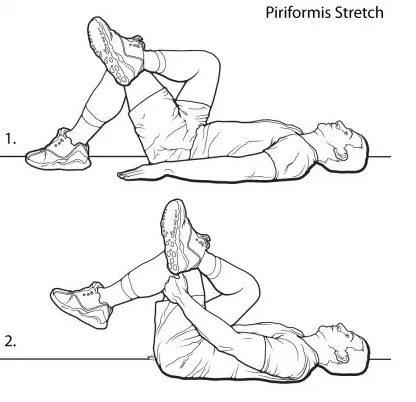
Your piriformis muscle, which extends from the base of your spine to your thigh bone, is the goal of this stretch. Your ability to move your hips, back, legs, and buttocks may be impacted by this muscle.
- To begin, take a seat on the floor with your legs out in front of you.
- Lean forward and slightly arch your back till your buttocks start to stretch. Repeat this stretch with your right leg on your left knee after holding it for 30 seconds.
- For each leg, repeat two or three times.
Cat-Cow stretch
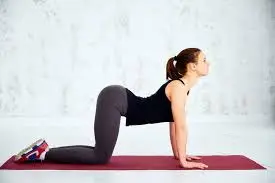
Your back muscles are the focus of this stretch.
- Start on your hands and knees on the ground with your spine in a relaxed, neutral position.
- Breathe in while pushing your chest forward and allowing your belly to drop toward the floor.
- Raise your head, let your shoulders drop, and start to release the breath.
- Press your pubic bone forward, tuck in your tailbone, and round your spine upward.
- Repeat while lowering your head to the floor. If you can, repeat this multiple times in a minute.
Standing calf stretch

This stretch works your calf muscles, as the name implies.
- To begin, place one foot in front of the other and bend your front knee slightly while standing close to a chair or wall for support.
- Lean forward toward the wall or chair while maintaining a straight back knee and both heels on the floor.
- Your back leg’s calf should feel stretched.
- For 20 to 30 seconds, try to maintain this stretch.
- Perform at least two or three repetitions on each side while switching legs.
Overhead triceps stretch
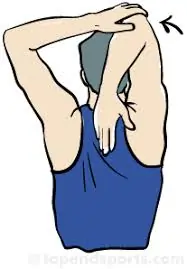
Overhead-triceps-stretch
- This stretch works the muscles in your shoulders and triceps.
- Raise your right arm to the ceiling, then lower your right palm toward the middle of your back by bending your elbow.
- To gently draw your right elbow down, raise your left hand.
- After 20 to 30 seconds of holding this stretch, switch arms.
- Try to get a deeper stretch with each repetition as you repeat on both sides two or three times.
Standing bicep stretch

This stretch works the muscles in your shoulders, chest, and biceps.
- Take a straight stance. Interlace your hands at the base of your spine after placing them behind your back.
- Extend your arms and flip your hands so that the palms are down.
- Next, elevate your arms as high as you can until your shoulders and biceps start to stretch.
- For 30 to 40 seconds, maintain this stretch.
- Do this two or three times.
Hamstring stretch

To stretch your hamstrings:
- Lift your leg.
- With both hands, grasp your right leg below the knee.
- Pull your right leg straight toward you while maintaining your left leg bowed and your foot on the ground.
- Continue with the other leg.
Inner thigh stretch
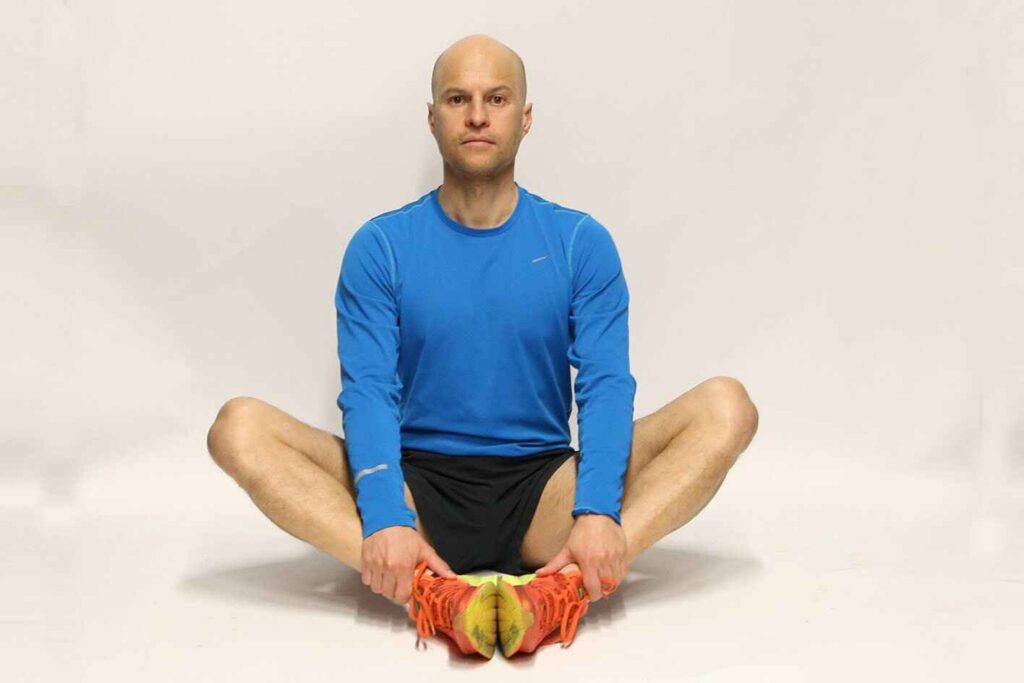
For the stretch of the inner thigh:
- With your legs bent and your back straight, take a seat.
- Bring your foot soles together.
- Try to bring your knees closer to the floor while holding onto your feet.
Thigh stretch
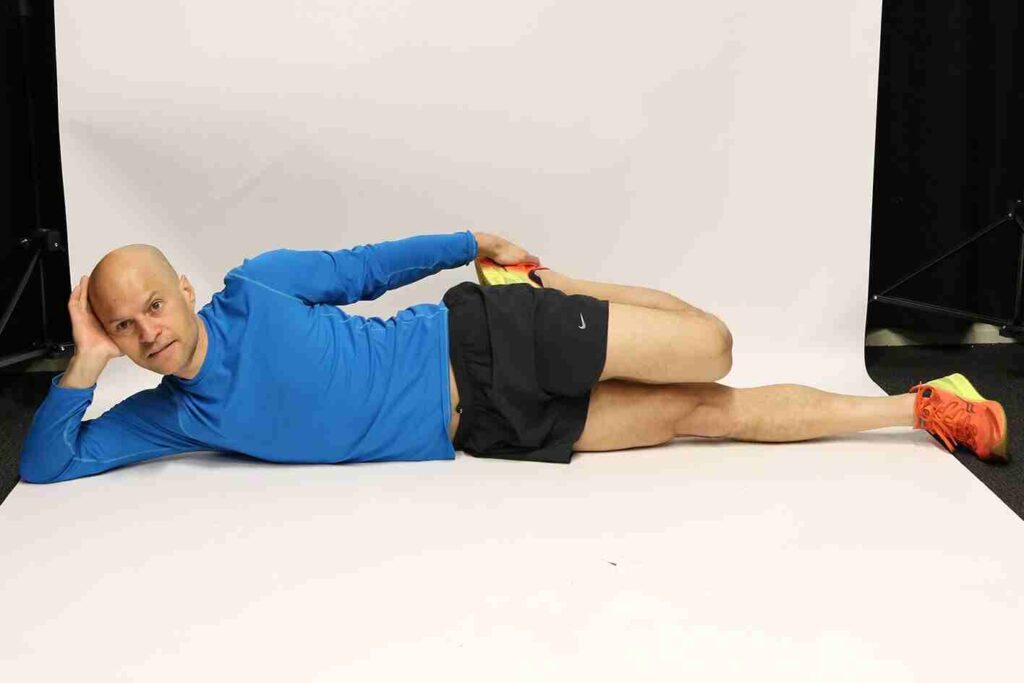
To stretch your thighs:
- On your right side, lie down.
- Stretch the front of your thigh by gently pulling your heel towards your left buttock while holding onto the top of your left foot.
- Maintain contact between your knees.
- On the opposite side, repeat.
How to loosen up tight muscles after working out?
Combine active recovery (like 5–10 minutes of light walking or yoga) with targeted techniques such as foam rolling, contrast temperature therapy, and good hydration to flush out metabolic waste and ease stiffness to help loosen tight muscles and speed recovery after a hard workout.
Immediately After Workouts
Active Cooldown: Move into 5 to 10 minutes of gentle movement like slow walking or cycling. This helps your heart rate to come down gradually and flushes out lactic acid so you don’t have extreme tightness immediately.
Static Stretching: Stretch the muscles you have just exercised, holding each stretch for 15 to 30 seconds. Stretching is best done when your muscles are still warm.
Home Relief for Soreness
Heat and Cold Therapy: Apply an ice pack for 10-15 minutes post a hard session to ease inflammation. Later in the day or the next morning, use heat therapy (heating pad, hot shower, or warm bath) to increase circulation and reduce stiffness.
Epsom Salt Bath: Dissolve 200 to 400 grams of Epsom salts in a warm bath. The magnesium is thought to help relax tight tissues and increase muscle function.
Muscle Release and Hydration
Foam Rolling & Massage: Use a Foam Roller or massage gun to gently release tight or sore areas through myofascial release. It works like a professional massage therapy to break up knots and improve blood flow.
Rehydrate: Drink lots of water throughout the day to flush out toxins and keep your muscle tissues flexible.
Recovery over Time
Make Sleep a Priority: Since muscle-building hormones are generated during deep sleep, this is the most important period for tissue repair. Try to get between seven and nine hours of good sleep every night.
What vitamin reduces muscle stiffness?
Magnesium, Vitamin D, and B-complex vitamins are your best friends for easing tight or stiff muscles. Magnesium is a natural muscle relaxant, and Vitamin D helps maintain muscle tone. Proper hydration and stretching help prevent spasms and promote recovery; these,e along with
Best Nutrients for Muscle Tightness
Magnesium: The “relaxation mineral” controls muscle contractions and prevents painful spasms. Magnesium glycinate or citrate is highly absorbable and works well to ease stiffness.
A lack of vitamin D is often linked to ongoing muscle pain and muscle weakness. It is key to general muscle health and proper tone.
B-Complex Vitamins (B6 & B12): Essential for nerve function and energy metabolism. B12 helps in transporting sufficient oxygen to muscle tissues in red blood cells, and B6 helps in repairing amino acid metabolism.
Vitamin C: Anti-inflammatory and collagen-building properties help repair muscle tissue after heavy strain.
- How to Find Them
- Supplements can help if you have a clinical deficiency, but most of these nutrients are available through a balanced diet:
- Magnesium: spinach, almonds, black beans, pumpkin seeds.
- Vitamin D: Sunlight, fatty fish (like salmon), fortified milk or plant milks.
- Vitamin B: Meat, fish, eggs, and fortified cereals.
- Vitamin C: Citrus fruits, bell peppers and strawberries.
Do tight muscles eventually loosen?
Yes, general, short-term muscle tightness from overuse or odd sleeping usually clears up on its own within a few days. If the tightness or stiffness lasts for more than a week, limits movement a lot, or is accompanied by fever or sharp, unbearable pain, then you should see a healthcare professional for an evaluation.
If you’re experiencing acute soreness, your body will recover on its own with rest, but you can speed up the process and address the root causes with a few specific techniques:
Rest and Recover: Allow the muscle enough time to heal. To prevent overload, it is important to include 1-2 days of rest per week.
Apply gentle heat. Use a heating pad or take a warm bath to soothe the area, reduce pain, and improve local function.
Self-Massage: You can improve blood flow and instantly lessen the feeling of stress by using a foam roller or just kneading the muscle.
Include Regular Stretching: Stretching gently and steadily for 30 seconds can gradually reduce stiffness and increase range of motion.
Can muscle tightness be cured?
Muscle Stiffness: Causes and Treatments. Yes, muscle stiffness is almost always cured, managed, or completely resolved. The treatment will depend on the cause.
Relief You Can Do At Home
Stiffness from hard workouts, long periods of sitting, or minor strains can often be worked out with these steps:
Heat and Cold Therapy:
Use heat (such as a warm bath or heating pad) to increase blood flow and relax tight muscles.
Gentle Stretching – Slowly stretch the tight muscle and hold for 20-30 seconds to release the tension without pain.
Hydration & Nutrition: Be sure you’re drinking enough water and getting enough electrolytes. Dehydration and imbalances are common causes of tightness and cramping.
Over-the-Counter Gels: Topical gels or sprays give a soothing, warming, or cooling sensation for temporary relief.
Medical & Professional Treatments
If your stiffness is severe, chronic, or caused by an underlying medical condition, simple home care may not be enough. Treatments may include:
Physiotherapy: A qualified therapist can develop exercises focusing on strengthening and flexibility to address muscle imbalances and improve posture.
Massage Therapy: Works deeper into the tissues to release tension, reduce spasms,s and improve circulation.
Medications: To help nerves and muscles with chronic stiffness or spasms, doctors may prescribe anti-inflammatories, muscle relaxants, or targeted injections (such as botulinum toxin).
Tips For Prevention
- Incorporate these habits into your routine to avoid muscle stiffness:
- If you sit at a desk all day, get up and walk around at least once an hour.
- Always warm up and cool down.
- Make sure you stretch every day and drink lots of water.
Safety tips
- Avoid stretching till it hurts. When you stretch your muscles, you should feel a slight tension rather than pain. Stop immediately if you are in pain.
- Be mindful of your posture. With every stretch, be mindful of your posture. Maintain an upright chin, a straight spine, an active core, and a shoulder-to-hip alignment.
- As you stretch, take a breath. Breathing can help you release tension and stress from your muscles, as well as enhance the quality and duration of your stretches.
- Take it gradually at first. The first time you stretch after an exercise, don’t try to stretch too much. As you get used to them, increase the number of repetitions and stretches you perform.
Benefits of stretching after a workout
Greater flexibility and range of motion
Your joints can become more flexible by stretching. Increased flexibility can enhance your range of motion in your joints and make moving around easier. The amount that a joint may travel in a normal direction before stopping is known as its range of motion.
Better posture and less back pain
Poor posture can result from strained, tight muscles. Your muscles are frequently subjected to additional pressure and tension when you sit or stand inappropriately. Back pain and other musculoskeletal problems might result from this.
A 2015 study found that stretching exercises combined with strength training can help reduce shoulder and back pain. Additionally, it might promote correct alignment, which could enhance your posture.
Regular muscular stretching may also help with current back issues and reduce your chance of developing new ones in the future.
Less muscle tension and lower stress
We experience stress daily. However, it might occasionally feel overwhelming. Your muscles may stiffen up as a result of high levels of stress, giving you the impression that your body is carrying stress.
Tight and strained muscles can be relaxed by stretching them. As a result, you might feel less stressed and more at ease.
Improved blood flow
Your muscles may recover from a workout more rapidly if there is more blood flow to them. Additionally, improved blood flow may assist in avoiding post-workout muscular soreness and stiffness.
What’s the difference between static and dynamic stretching?
You might be curious about the differences between static and dynamic stretching.
Static stretching entails holding stretches in place for a set amount of time, typically 20 to 60 seconds. Stated differently, when you stretch a certain muscle or group of muscles, you remain still.
Static stretching is usually done after your workout, after your muscles have warmed up and become relaxed.
In contrast, dynamic stretching calls for active motions. This kind of stretch allows your muscles and joints to move through their whole range of motion.
To assist in warming up your muscles and raising your heart rate, dynamic stretching is typically performed before an exercise session. Before beginning a race, a runner might, for example, jog in place or pump their legs.
How can muscle stiffness be prevented?
To avoid muscle stiffness, you can do the following:
- Reaching and keeping a healthy weight for your body type, sex, and age.
- Avoiding extended periods of sitting.
- Consuming a healthy diet and staying hydrated by drinking lots of water.
- Exercise on a regular basis, making sure to properly warm up and cool down before and after.
- Making the most of your workspace and furniture will help you have good posture all day.
- A few times a day, stretch.
- Put on appropriate footwear when working out.
What should I eat to prevent muscle stiffness?
Dehydration raises the risk of muscle soreness and stiffness, according to research. The majority of specialists advise consuming at least 64 ounces of water per day. Depending on your body size and amount of activity, you could require more.
Calcium and magnesium are also essential elements for healthy muscles. Adults under 50 should consume at least 1,000 mg of calcium every day, according to experts. Men over 70 and women over 50 should strive for roughly 1,200 mg of calcium. Adults should consume approximately 310 mg of magnesium each day, according to medical professionals.
A balanced diet may provide most people with the calcium and magnesium they require. If you have trouble getting enough calcium and magnesium, you might want to consult your doctor about supplements. Typical foods that include calcium and magnesium include:
- Avocados.
- Bananas.
- Dairy products.
- Dark leafy greens.
- Fatty fish.
- Fortified foods, like orange juice and breakfast cereals.
- Nuts and seeds.
When should a healthcare provider treat muscle stiffness?
If muscle stiffness persists for more than a few days, consult a medical professional. To find the underlying reasons for muscle stiffness, your doctor could do testing.
Additionally, if you experience red-flag symptoms together with muscle stiffness, such as:
- Fever.
- Muscle weakness.
- Neck stiffness.
- Swelling.
These symptoms are uncommon, but they may indicate meningitis or other dangerous illnesses.
FAQs
What is the fastest way to loosen tight muscles?
Several times a day, alternate 20-minute sessions of heat and cold therapy.
Several times a day, massage the tense muscle. Rest until the stiffness lessens.
To improve blood circulation, take a warm bath.
Stretch throughout the day, particularly before and after physical activity.
What is the golden hour after a workout?
Your body is most efficient at absorbing protein and carbohydrates during the “golden hour” following exercise, which is defined as the 30 to 60 minutes following a workout. This is due to the depletion of muscle fibers and the lowest level of muscle glycogen storage.
What is the root cause of muscle tightness?
Muscle stiffness frequently results from altering workout regimens, overusing muscles, or prolonged periods of inactivity. Otherwise, an underlying illness such as myopathy, neuromuscular disorders, or neurologic problems may be the cause of muscle stiffness.
How to release a tight muscle?
Use a foam roller or tennis ball to apply sustained pressure to trigger points (30–60 seconds) to relieve tight muscles and knots. Alternate 15 minutes of heat therapy with gentle static stretching to promote blood flow. Drink plenty of fluids to prevent future cramping.
Below is a step-by-step guide to the most effective ways to relieve tension:
Self Myofascial Release (SMR): Use a Hyperice or normal foam roller/massage ball to apply straight pressure on the knot. Press into the tender spot, but don’t roll back and forth too quickly. Apply pressure for 30 to 60 seconds, until the muscle gives way.
Heat and Cold Therapy: Use a heating pad or a warm Epsom salt bath to increase blood flow to chronically tight areas. If the tightness is due to a sudden strain or acute inflammation, use an ice pack for 10-15 minutes.
Static Stretching: Hold a deep, comfortable stretch on the affected area for 15 to 60 seconds without bouncing. Regular stretching, like the kind you find in Yoga Journal, helps to slowly lengthen the connective tissue.
Hydration and Nutrition: Soreness can be worsened by dehydration, so try to drink enough water each day. You want to make sure you’re getting enough magnesium in your diet or supplements. Magnesium deficiency can lead to muscle spasms and tension.
What is the difference between stiffness and tightness?
Tightness vs Stiffness – What’s the difference – Sport …Stiffness is a mechanical problem. It is where the tissue or joints just fight movement. Things like less range of motion after an injury or being sedentary. Tightness is a sensory response or protective guarding by the nervous system. The brain sends a warning signal. It often feels stuck even though you have a full range of motion.
How long should I stretch a tight muscle?
Don’t forget to stretch out. But the best results come from regular stretching, at least two to three times a week. Stretching for even 5 to 10 minutes at a time can be helpful. If you don’t stretch regularly, you may lose out on the possible benefits.
References
- Cold or hot? Best method for muscle Recovery | Carrell Clinic. (n.d.). Carrell Clinic. https://www.carrellclinic.com/about-us/our-blog/cold-or-hot-best-method-muscle-recovery
- Exercise tips for overcoming morning stiffness | Banner Health. (n.d.). https://www.bannerhealth.com/healthcareblog/teach-me/how-to-beat-morning-body-stiffness-and-start-your-day-right
- NHS Inform. (2026, March 13). Exercises to help with back pain | NHS inform. NHS Inform. https://www.nhsinform.scot/illnesses-and-conditions/muscle-bone-and-joints/neck-and-back-problems-and-conditions/exercises-for-back-pain/
- Professional, C. C. M. (2026, February 26). Muscle stiffness. Cleveland Clinic. https://my.clevelandclinic.org/health/symptoms/25147-muscle-stiffness
- Watson, K. (2019, July 23). 6 Simple, effective stretches to do after your workout. Healthline. https://www.healthline.com/health/fitness-exercise/stretching-after-workout
- Website, N. (2026, April 2). How to stretch after exercising. nhs.uk. https://www.nhs.uk/live-well/exercise/how-to-stretch-after-exercising/
- Youngman, T. (2026, March 10). How to recover tight muscles after running. Pure Physiotherapy. https://purephysiotherapy.co.uk/how-to-recover-tight-muscles-after-running/