
Active Exercise
What is Active Exercise?
Active exercise involves movements performed by the individual’s own muscle effort without external assistance. It helps improve muscle strength, joint mobility, coordination, and overall functional recovery. These exercises are commonly used in physiotherapy and fitness programs to maintain and restore physical health.
In contrast to passive exercise, which involves having someone else move your limbs, active exercise involves purposefully moving your own body and applying force to finish a movement.
It is a general phrase that includes a range of activities, including walking, dancing, swimming, weightlifting, and stretching, as well as other exercises that enhance cardiovascular fitness, strength, flexibility, and balance.
Types of Active Exercise
1. Aerobic/Cardiovascular Exercise:
- Activities that improve lung and heart fitness by raising your breathing and heart rate for a prolonged period of time.
- Examples include dancing, swimming, jogging, cycling, and brisk walking.
2. Strength Training
- Resistance-training exercises that use body weight or weights to increase muscular mass.
- Weightlifting, resistance band use, and exercises like wall push-ups and squats are a few examples.
3. Balance Exercises
- Activities that enhance your coordination and steadiness.
- Walking on uneven ground, standing on one leg, and doing tai chi are a few examples.
4. Flexibility Exercises
- motions that facilitate easier joint movement and enhance posture.
- Yoga and stretching are two examples.
Benefits of Active Exercise
- Depression, anxiety & quality of sleep: According to studies, anxiety, depression, and trouble sleeping can all be brought on by low serotonin levels in the brain. Exercise promotes serotonin release and is frequently a better option than antidepressant prescriptions.
- Recovery from Injury: Aerobic, low-impact exercise can help individuals recover from musculoskeletal injuries by improving muscle function, building strength, and improving endurance.
- Pre- and Post-Surgery Rehabilitation: For knee or hip replacements, for example, exercise is recommended both before and after orthopaedic surgery to promote healing and function in the affected area.
- Neurological Conditions: Exercise can assist in maintaining range of motion and strength in afflicted joints and muscles, such as after a stroke or spinal cord injury, and minimise muscular stiffness and the possibility of muscle atrophy.
- Heart disease: Your heart health can be enhanced by regular exercise. Interval training, for instance, can reduce the chance of death and slow the progression of heart disease.
- Type II diabetes: Regular physical activity can help reduce blood sugar and increase insulin sensitivity. Additionally, exercise can increase energy and help people manage their weight.
- Asthma: Asthma attack frequency and intensity can be managed with regular exercise.
- Arthritis: A well-planned workout program can help reduce discomfort, relax stiff joints, and preserve muscular strength in affected joints.
- Dementia: People who engage in regular physical activity have a lower risk of dementia and cognitive decline. Additionally, research has demonstrated that regular exercise can help dementia patients think more clearly.
Examples of active exercise
Starting position: Sit or stand. Maintain a straight arm at your side. Face your body with your palms facing in. If you are seated, it is preferable to utilise a chair with no arms.
1. Shoulder Flexion and Extension

- Lift your arm and then lift it above your head.
- Your goal is to raise it until your inner arm touches your ear. Lower your arm to your side once more.
- As much as you can, could you bring it back behind your body? Put your arm back where it was before.
2. Shoulder Abduction and Adduction
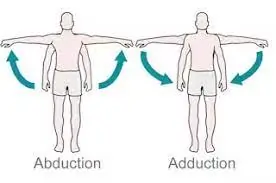
- Raise your arm as far as you can, first to the side and then above your head.
- Go back to your side with your arm.
- Bring your arm over the shoulder on the opposite side of your body.
3. Elbow Flexion and Extension
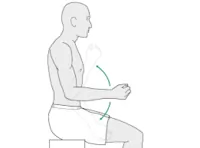
- Bend your elbow and place your palm forward.
- Attempt to put your fingertips on your shoulder.
- Put your arm back where it was before.
4. Wrist Flexion and Extension

Starting position: Get a seat. With your elbow bent, place your forearm on a level surface, like your lap or a table. Ensure that your wrist hangs over the side comfortably.
- Get a seat.
- With your elbow bent, place your forearm on a level surface, like your lap or a table.
- Ensure that your wrist hangs over the side comfortably.
5. Supination and Pronation

- Keep your elbow bent and press it to your side while maintaining the same position.
- Turn your palm down. Orient your hand such that it faces the ceiling.
- Next, make your palm face down.
6. Hip and Knee Flexion
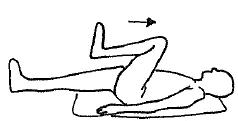
Starting position: Hip exercises should only be performed as directed by your physician if you have had hip surgery or an accident. You should lie on the bed with your legs flat and straight.
- Make a point of pointing.
- Slowly bring the knee as close to the chest as possible.
- Straighten and place your leg back on the bed flat.
5. Straight Leg Raise

- Raise your leg so that your foot is 6 to 12 inches (15 to 31 cm) off the bed.
- Keep it in the air for a few seconds.
- Go back to bed with your leg.
6. Hip Abduction and Adduction

- Flex your foot so that your toes are pointing towards the ceiling.
- Put your leg as far out to the side as you can.
- Put your leg back in the centre.
7. Hip Internal and External Rotation
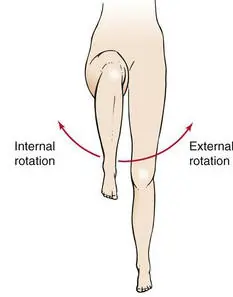
- On the bed, place your leg flat.
- You should roll your leg towards the centre so that your big toe touches the bed.
- Next, roll your leg out and try to contact the bed with your tiniest toe.
8. Ankle Rotation
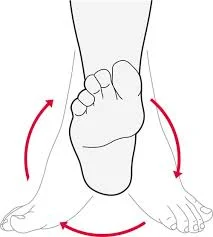
- Lift your foot off the ground a little.
- Rotate your ankle in circles.
- Then turn your ankle in the opposite direction in a circle.
9. Dorsi Flexion and Plantar Flexion
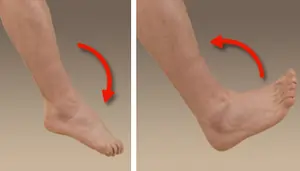
- Lift your heel as high as you can while maintaining your toes on the floor.
- Drop your heel.
- After that, you should have your heel on the ground, but your toes as high as you can.
FAQs
What is Active Exercise?
In contrast to passive exercise, which involves having someone else move your limbs, active exercise involves purposefully moving your own body and applying force to finish a movement.
It is a general phrase that includes anything from walking, dancing, swimming, lifting weights, and stretching to other activities that enhance cardiovascular fitness, strength, flexibility, and balance.
What are the types of active exercises?
1. Aerobic/Cardiovascular Exercise:
Activities that improve lung and heart fitness by raising your breathing and heart rate for a prolonged period of time.
Examples include dancing, swimming, jogging, cycling, and brisk walking.
2. Strength Training
resistance-training exercises that use body weight or weights to increase muscular mass.
Weightlifting, resistance band use, and exercises like wall push-ups and squats are a few examples.
3. Balance Exercises
Activities that enhance your coordination and steadiness.
Walking on uneven ground, standing on one leg, and doing tai chi are a few examples.
4. Flexibility Exercises
motions that facilitate easier joint movement and enhance posture.
Yoga and stretching are two examples.
What are the benefits of active exercises?
Depression, anxiety & quality of sleep: According to studies, anxiety, depression, and trouble sleeping can all be brought on by low serotonin levels in the brain. Exercise promotes serotonin release and is frequently a better option than antidepressant prescriptions.
Recovery from Injury: Aerobic, low-impact exercise can help individuals recover from musculoskeletal injuries by improving muscle function, building strength, and improving endurance.
Pre- and Post-Surgery Rehabilitation: For knee or hip replacements, for example, exercise is recommended both before and after orthopaedic surgery to promote healing and function in the affected area.
Neurological Conditions: Exercise can assist in maintaining range of motion and strength in afflicted joints and muscles, such as after a stroke or spinal cord injury, and minimise muscular stiffness and the likelihood of muscle atrophy.
Heart disease: Your heart health can be enhanced by regular exercise. Interval training, for instance, can reduce the chance of death and slow the progression of heart disease.
Type II diabetes: Regular physical activity can help reduce blood sugar and increase insulin sensitivity. Additionally, exercise can increase energy and help people manage their weight.
Asthma: Asthma attack frequency and intensity can be managed with regular exercise.
Arthritis: A well-planned workout program can help reduce discomfort, relax stiff joints, and preserve muscular strength in afflicted joints.
Dementia: People who engage in regular physical activity have a lower risk of dementia and cognitive decline. Additionally, research has demonstrated that regular exercise can help dementia patients think more clearly.
How to perform the shoulder flexion and extension?
Lift your arm and then lift it above your head.
Your goal is to raise it until your inner arm touches your ear. Lower your arm to your side once more.
As much as you can, could you bring it back behind your body? Put your arm back where it was before.
How to perform the shoulder abduction and adduction?
Raise your arm as far as you can, first to the side and then above your head.
Go back to your side with your arm.
Reach for the shoulder on the other side of your body by bringing your arm across it. Put your arm back where it was before.
References:
- Health Bound Health Network. (2024, November 10). Active exercise and personal training – Health Bound Health Network. https://healthbound.ca/active-exercise-and-personal-training/
- Unknown, U. (n.d.). Range of motion exercises. https://singaporecancersociety.org.sg/images/publications/Resources-Toolkits/2021_ROM_Exercises_Confirmed_by_CA.pdf