
Supta Virasana (Reclining Hero Pose)
What is Supta Virasana?
Supta Virasana (Reclining Hero Pose) is a deep restorative backbend and thigh-opening yoga pose that stretches the hip flexors, quadriceps, and abdomen while gently opening the chest.
It promotes relaxation, improves posture, and enhances flexibility in the lower body. It works the muscles in the legs as well as the chest and abdomen. It enhances the practitioner’s overall posture.
Meaning:
Supta virasana shows the body in a position that resembles a sleeping (Supta) body. The pose commences with the base pose in a sitting posture, i.e., virasana, and then leaning back till the head and back hit the floor.
Muscle Work During Supta Virasana:
- Neck Muscles
- Chest Muscles
- Upper Back Muscles
- Middle Back Muscles
- Lower Back Muscles
- Pelvic Muscle
- Knee Muscles
- Quadriceps Muscle
- Feet and Ankle Muscles
How to Perform?
- Take a seat on your mat in Vajrasana.
- Stand on your knees and draw your feet closer together to spread them widely apart.
- Place your buttocks between your heels and use your hands to turn your calves outward. The pose is called Virasana.
- Breathe, press your elbows to the floor, and begin to recline.
- With your hands at your heels, lie on your back.
- With your palms facing up, raise your arms and extend them overhead.
- Maintain your breathing while holding the position for 30 to 60 seconds.
- Take a breath and return your arms to your heels.
- Return by applying pressure with your elbows.
- Bring your hands to your knees.
- Bring your feet together while standing on your knees.
- Take a seat in Virasana and unwind.
Benefits:
Makes the muscles stronger: The back, hips, abdomen, and legs are all stretched by supta virasana. The increased pressure exerted on these muscles improves blood flow, supplying these regions with more nutrients and oxygen.
Flexibility and pain relief: The supta virasana simultaneously contracts and expands the spinal muscles. It makes the spine stronger and more flexible. As a result, the spine becomes more elastic, which lessens and eases stiffness and back discomfort.
Improves blood circulation: Maintaining the stance facilitates the opening of the heart centre by opening the chest muscles. It keeps fat and cholesterol from forming and enhances the cardiovascular system.
Improves digestion: Supta virasana puts pressure on the abdominal organs, which causes the body to release stress hormones. Stress hormones promote bowel movements and increase the generation of digestive juices.
Improves sexual well-being: This asana requires stretching of the sexual organs that produce stress hormones in that region. It excites the genital organs and improves blood flow towards them. Increased sexual performance is a result of this.
Relieves tension: Supta virasana also provides benefits to mental wellness. The parasympathetic nervous system is triggered by it. It boosts the amount of oxygen reaching the brain and leaves a relaxing effect.
Beginner’s Advice:
While keeping the stance, the thighs tend to move apart. Make an effort to move your inner groin into your pelvis.
It could be difficult to release from the stance first. In this scenario, roll onto your side and extend your legs out.
Preparatory Pose:
- Cobra Pose (Bhujangasana)
- Bridge Pose Variation Ankles (Setubandha Sarvangasana Variation Ankles)
- Hero pose (Virasana)
- Bound Angle Pose (Baddha Konasana)
Modifications:
Yoga block: Put a block beneath your hips while you’re reclining back. It will stop the hip from lifting off the ground.
Yoga strap: To prevent your thighs from slipping apart while you’re in the posture, use a strap.
Bolster: If you wear a bolster on your back, you can perform Supta Virasana. Here, you can rest your head and back on the bolster as you recline.
Bolster with block: One block should be kept vertically, and the other horizontally beneath the bolster. The bolster is positioned obliquely on this stand, which is made of blocks. To keep your knees together and grounded, now lean back on it.
Yoga strap aerially: Hang a strap over your head to accomplish this. You can keep your equilibrium while reclining on your back by raising your hands to grasp the strap.
Variations:
Supta virasana variation elbows:
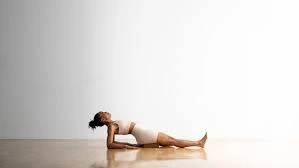
Leaning back and resting your elbows on the ground will allow you to maintain the stance in this variation. Bringing the head to the ground is not necessary.
Paryankasana:
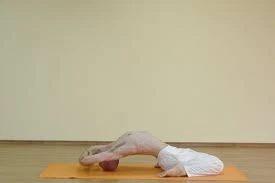
After lying totally on your back in supta virasana, lift your arms overhead. Put your hands on opposing elbows and cross your arms.
Supta virasana variation one leg straight:
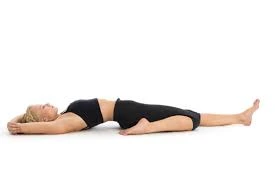
One leg should be bowed while the other is kept straight and extended forward when performing the virasana.
Eka pada supta virasna:
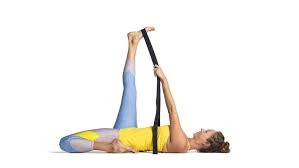
Supta virasana is done on one bowed leg in this version. The opposite leg is lifted in the direction of the ceiling. To maintain the leg straight, grasp the toes with your fingertips.
Supta Virasana Variation One Bent Leg Raised:
After completing supta virasana, one of the bent legs is elevated. During it, the lifted leg is bent at the knee, and the foot remains on the floor.
Supta Virasana Variation hugging one knee:
As the name implies, after the asana is mastered, one bent knee is dragged towards the chest while both hands are hugging the knees.
Precautions and Contraindications:
- Avoid performing supta virasana if you have difficulties with the back, knee, or ankle.
- Never practise it if you have angina.
- Do not practise it with partially clogged arteries or after bypass surgery.
- If you get pain when sitting in supta virasana, stop doing the pose.
- Do not stretch your feet wider than your hips.
- Always execute the asana on an empty stomach.
FAQs
What is the benefit of Supta Virasana?
This posture softly extends the thighs and ankles, helping release tension in the lower back and hips while opening the chest and facilitating deep relaxation.
What is the Supta Virasana or reclined hero’s pose?
Lean on your hands first, then your elbows and forearms. After you are on your elbows, spread the flesh down towards the tailbone with your hands on the back of your pelvis to relieve your upper buttocks and lower back. After that, complete your recline on the ground, a support blanket, or a bolster.
Is Supta Virasana safe for everyone?
Additionally, it can be very taxing on the knees, so if you have knee problems, take it gently. Find the spot where you’re receiving a good stretch without feeling any pain by going slowly.
What are the side effects of Supta Virasana?
Those who have back, ankle, or knee issues should stay away from this yoga. If you detect any sharp discomfort while executing the Supta Virasana, cease the asana and talk to a doctor if the pain still persists. If you notice foot cramps, try to curl the toes and tuck them under the foot to reduce the tension.7
Is Supta Virasana good for knee pain?
The reclined Hero Pose, called Supta Virasana, encourages the practitioner to relax and surrender. To prevent damage, it is crucial to be aware of the knees in this position. When you begin to experience any kind of pain, this is an excellent position to practise retreating.
What muscles does the Reclining Hero Pose work?
Stretches, Strengthens, Lengthens: Reclined Hero Pose (Supta Virasana) strengthens the muscles surrounding the knees and provides deep stretches for the quadriceps, thighs, ankles, groin, and hip flexors. It also lengthens the spine as you recline backward while actively using the core muscles. strengthening them as a result.
How long to hold a reclining hero pose?
You can come down onto your elbows or lower all the way down to the mat, bring your arms up overhead, and grip opposite elbows. To heighten the intensity, you might hug your right knee into your chest. Stay in the posture for 3-5 calm breaths, in and out through your nose.
References:
- Supta Virasana (Reclining Hero Pose): Steps, Benefits & Precautions – Fitsri Yoga. https://www.fitsri.com/poses/supta-virasana
- Reclining Hero Pose Yoga Pose (Supta Virasana). Tummee. https://www.tummee.com/yoga-poses/Supta Virasana