Virasana (Hero Pose)
What is Virasana?
Virasana (Hero Pose) is a seated yoga posture that gently stretches the thighs, knees, and ankles while promoting better posture and calm breathing. It helps improve flexibility in the lower body and is often used for meditation and relaxation.
In daily yoga practice, Virasana, also known as Hero Pose, is a sitting pose that is commonly performed as a warm-up or rest pose. Yogis of all skill levels will benefit from this pose, which relaxes, reenergises, and stretches the front thighs, ankles, and knees.
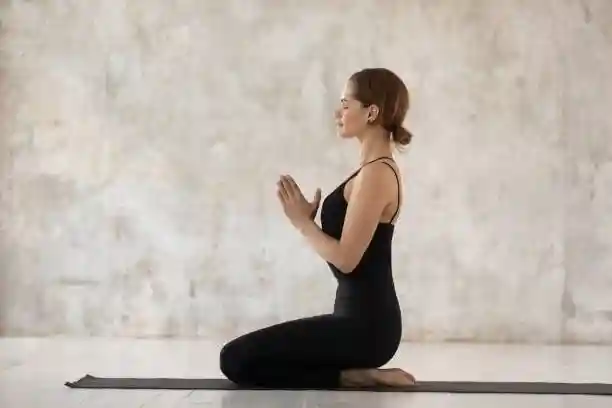
To begin, practitioners kneel on the mat with their spines straight and their feet slightly turned out. Once seated comfortably in hero pose, practitioners can place their hands on their knees or bring them to the centre of their hearts in a prayer position, with the glutes resting between the calf muscles on the ground.
High flexibility in the ankles, knees, and hips is necessary for the resting meditation pose known as Virasana. As a result, you should only execute this stance to the extent that it makes you feel comfortable.
Meaning:
The Sanskrit word Vira, which derives from the root Virya, which stands for vitality, courage, and energy in the body, implies “brave,” “strong,” or “heroic.” Thus, Virasana means “Pose of the Hero.”
In yogic symbology, a hero is someone who overcomes internal conflicts in addition to acting bravely. The image of Lord Hanuman, who is portrayed bending before Lord Rama during the great war—an act of strength and humility that earns him the moniker Vir Hanuman—beautifully captures this idea.
We are reminded of this harmony between strength and surrender as we sit in Virasana. It helps awaken the inner hero who has controlled thoughts and wants, calm the mind, and stabilise breathing when practiced mindfully.
Muscle Work During Virasana:
- Hip Muscles
- Knee Muscles
- Quadriceps Muscle
How to Perform?
Begin on your knees.
To cushion your knees, kneel on the ground or on a folded mat. Maintain an erect upper body and straight thighs.
Put your legs in this position.
To create a soft “V” shape with your lower legs, bring your knees together and spread your feet slightly wider than your hips. Point your toes straight back while pressing the tops of your feet into the ground.
Bring your hips down.
Gently extend your calves outward with your hands while bending slightly forward. With your sitting bones resting on the floor or a yoga block, slowly take a seat between your feet. Make sure there is no pain as your hips come into contact with your inner heels.
Take a tall seat and unwind.
Open your chest, roll your shoulders back, and straighten your back. Maintain the alignment of your head and spine. Place your hands in Dhyana Mudra on your lap or rest them on your thighs.
Breathe while holding.
Breathe steadily and slowly while maintaining Hero Pose for 30 to 60 seconds. Lean forward, raise your hips, bring your feet together, and extend your legs straight in front of you to emerge.
Benefits:
Stretches the Legs and Pelvis: The quadriceps, knees, ankles, and pelvis are all thoroughly stretched in Hero Pose. This releases tension from prolonged standing or jogging and increases lower-body flexibility.
Enhances Posture and Spinal Alignment: Virasana strengthens the back and naturally aligns the spine by promoting an upright seated position. It promotes good posture and lessens slouching.
Improves Digestion: After eating, sitting in this position stimulates the digestive system and relieves constipation, gas, and indigestion. It improves digestive health by gently massaging the abdomen.
Strengthens Knees and Ankles: The posture maintains the flexibility and mobility of the knees and ankles by stretching and strengthening the connective tissues surrounding these joints. Those with flat feet or stiff feet will find it extremely helpful.
Supports Circulation and Breathing: Virasana enhances blood circulation and breath flow by opening the chest and straightening the spine. It improves the respiratory and cardiovascular systems, making breathing easier.
Reduces Fatigue After Exercise: This pose is frequently used by athletes as a cooling technique after training or running. It lessens foot pressure, eases leg muscle tension, and speeds up healing.
Reduces Women’s Pain: Hero Pose may help lessen menopausal symptoms and pregnancy-related leg oedema. Applying light pressure and grounding encourages improved circulation and relaxation.
Preparatory Pose:
Surya Namaskar (Sun Salutation): Prior to Virasana, Surya Namaskar can be a great technique to strengthen and increase your flexibility while preparing your entire body for this kneeling pose.
Begin with Tadasana and work your way through a number of postures, such as the Cobra Pose, Chaturanga Dandasana, Upward-Facing Dog Pose, Downward-Facing Dog Pose, Standing Forward Fold, etc.
When performing Surya Namaskar, pay attention to your breath and remain in each pose. The entire sequence can be repeated ten or twelve times.
A great approach to get your body ready for the hero pose is to do Baddha Konasana beforehand. This will also assist your thighs and glutes in becoming more flexible and stable.
Baddha Konasana (Bound Angle Pose): Bend your legs and join the soles together while sitting with your legs in front of you. Make sure the knees are near the ground while holding the feet with your palms. You can push your knees towards the ground with your hands.
Additionally, while you open your hips, maintain a straight back and an elevated chest. For a full activation of the lower body and spine, hold this pose for three to five minutes.
Modifications:
- Put a yoga block or a thick, folded towel under your sitting bones if your hips don’t touch the floor. Make sure your pelvis is balanced on both sides by sitting equally on the support.
- If your knees feel strained, it may be due to tight hamstrings or the biceps femoris muscles. Sitting on a block or cushion, place a thin rolled blanket behind your knees to relieve pressure.
- If you feel that your ankles are overextended, place a rolled blanket beneath them so that your toes barely contact the mat. This keeps the ankles comfy and lessens the stretch.
Variations:
Reclined Hero Pose (Supta Virasana):

This is a healing version that entails sitting in hero position and leaning back on your forearms. Although it can look simple, this more difficult form of virasana might not be appropriate for many practitioners.
After performing virasana, put your hands on the floor behind you and raise your elbows to the outside of your knees. First, raise your chest towards the sky while leaning back on your forearms and maintaining a straight back.
Rest your shoulder and back muscles while gradually lying completely on the ground. To increase the flexibility of your shoulders, knees, quadriceps, and spine, shift your arms above your head and relax by taking deep breaths.
Parivrtta Virasana (Revolved Hero Pose):

Just adding a twisting motion to this position is a great way to improve flexibility in your shoulders, knees, and spine.
First, adopt the hero pose. You will then put your right hand on the ground behind you. Glancing over your right shoulder, carefully begin to twist your spine while placing your left palm on your right knee.
As you twist, maintain a straight back and an elevated chest. As you get more at ease and your flexibility increases, progressively extend the pose’s duration. Hold this position.
Return to the hero posture by gradually untwisting your spine when you’re ready to release the pose.
Cow face hero pose (Gomukhasana arms in virasana):
Take the Hero Pose. Bend your elbows and clasp your fingers behind you after bringing your right arm above and your left arm behind your back. This combo stretches the triceps and chest while strengthening the shoulders.
Downward-facing hero pose:

Stretch your arms out in front of your body from Hero Pose, then slowly fold them down until your forehead touches the ground. As in Downward-Facing Dog, keep your palms outstretched and open. This variant relaxes the shoulders and back while also calming the thoughts.
Precautions and Contraindications:
- If you have a recent or ongoing injury to your knees, ankles, or ligaments, stay away from Hero Pose.
- This pose should be avoided by those who suffer from severe arthritis, cardiac problems, or migraine headaches.
- If you experience severe pain or discomfort in your hips, lower back, or joints, stop the pose.
- If sitting on the floor hurts, use a folded blanket or yoga block as support.
- Always exit the position gently and deliberately, particularly if you have sensitive joints.
Conclusion:
Hero Pose (Virasana) is a straightforward but effective pose that stabilises the body and the mind. It helps with digestion, increases leg flexibility, and gets the body ready for pranayama or meditation. This position can help you feel centred, at ease, and grounded—like a real hero inside—if you practice it mindfully and get the right assistance.
FAQs
Can beginners perform Virasana?
Yes, with the right adjustments and direction, beginners can perform virasana. However, it’s important to be aware of how your body feels.
If sitting on your heels is difficult for you at first, you can support your hips with blankets or blocks. Additionally, give yourself time to progressively develop the exercise and adhere to professional advice.
What is Virasana good for?
If you’re feeling very exhausted, nervous, or stressed, you should practise Virasana. This pose gives you more energy and improves your lower body’s flexibility.
The hero position is also thought to cultivate a strong sense of courage, which can assist practitioners in accessing their inner warrior and effortlessly overcoming daily challenges.
What are the benefits of Virasana?
Although the advantages of virasana may differ based on a person’s degree of flexibility and general physical state, the following are some possible advantages that everyone may experience:
Enhances posture when sitting.
Increases the stability of cognition.
Improves concentration and focus.
Eases tension and encourages rest.
Increases your feeling of bravery and inner strength.
Relieves constipation and enhances digestion.
Alleviate menstrual discomfort, sciatica, and moderate backaches.
Who should avoid performing Virasana?
Some practitioners are unable to perform virasana because of physical restrictions or health issues.
Those who have injuries or low back discomfort.
Those suffering from conditions like ankle injuries or plantar fasciitis.
Those who suffer from ailments like rotator cuff injuries or spine problems.
People who have hip replacements, bursitis, or other hip ailments.
Those who have knee injuries or diseases like rheumatoid arthritis or osteoarthritis.
How long to sit in Virasana?
At first, stay in this pose for 30 seconds to 1 minute. Increase your stay gradually to five minutes. To come out, press your hands against the floor and lift your buttocks slightly higher than your heels.
References:
- How to Do Hero Pose (Virasana) in Yoga: Steps, Benefits, and Variations – Fitsri Yoga. https://www.fitsri.com/poses/hero-pose
- Allen, W. (2025ab, August 26). Virasana. https://myyogateacher.com/yoga-asana/virasana
- Hero Pose Yoga Pose (Virasana Pose). Tummee. https://www.tummee.com/yoga-poses/Virasana