
Dragon Flag
Introduction:
The Dragon Flag Exercise is an advanced core-strengthening movement popularized by Bruce Lee.
The term “dragon flag” refers to a manoeuvre that resembles a human flag or a bar hold. One of the more sophisticated fitness techniques Bruce Lee employed during his physical training was the dragon flag.
Nowadays, the Bruce Lee dragon workout is an essential part of fitness culture. The popularity of Bruce Lee dragon workouts among bodybuilders and fitness enthusiasts who want to learn challenging routines has increased over time.
Only more experienced athletes and exercisers with a strong level of general body strength should do the dragon flag exercise.
What is Dragon Flag?
The dragon flag is a bodyweight exercise in intermediate callisthenics that is essential for improving your pulling strength and core stability. Using a point of support, the upper body, and hands clutching a bar, the dragon flag core exercise’s primary goal is to raise the body off the ground. Dragon flag, which is similar to a bar hold or hum flag.
Muscle Work During Dragon Flag:
- Rectus Abdominus
- Lower Back
- Obliques
- Glutes
How to Perform?
- To begin, lie on your back and grasp a sturdy pole, column, or bench with your arms behind you.
- Raise your hips as you transfer your weight to your shoulders.
- Lift your feet, legs, and body into a single, straight line.
- Align your shoulders, hips, and knees by forming a single line with your body. Avoid placing your neck under the weight of your body. Maintain the weight on your shoulders and upper back.
- Your upper back should be the only area of your body that touches the floor.
- For up to ten seconds, hold this position.
- Now slowly return your body to the floor until it is parallel to the floor while maintaining a tight core and buttocks.
- Make sure your legs stay straight and together the entire time.
- Another challenge could be to hold your body just above the floor, hold it there, and then raise yourself again.
Benefits:
- The advantages of dragon flags are commensurate with the move’s complexity. Dragon exercise is a sophisticated workout that targets every part of the torso, from the head to the toes. One of the few exercises that can work so many muscles at once is the dragon exercise.
- The advantages of dragon flags are commensurate with the move’s complexity. The dragon flag ab workout increases strength faster than standalone core exercises since it calls for a controlled eccentric action.
- To perform a dragon flag workout, one must be in optimal physical condition.
- Dragon flag abs workouts demand a lot of full-body strength in addition to abdominal and core strength. The dragon flag exercise takes longer to complete each repeat, the longer you hold it. The more you gain from this incredibly strong move.
- The development of shoulder strength and muscle mass is one of the main advantages of the dragon flag.
Modifications:
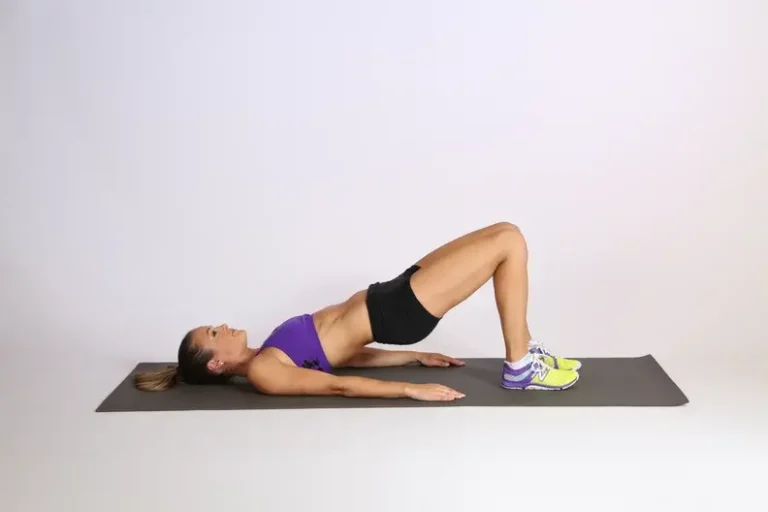
Before attempting the dragon flag, make sure you have reached advanced core training. The core strength and stability exam should be easy for you to finish. Additionally, you should have minimal trouble performing V-ups, hip lifts, and reverse crunches.
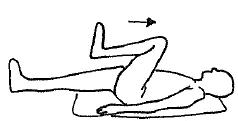
Doing a dragon flag with your torso rigid only from the shoulders to the knees, with the knees bent at a 90-degree angle, and letting your feet drop down to lessen the weight being lifted, is a good way to work up to the dragon flag if you are unable to accomplish it. Here’s how to perform the dragon flag:
- Place yourself on a bench and grasp the bench’s edges with your hands next to your head.
- Pull your torso up toward the sky with a single, powerful effort after bending your knees and bringing your thighs to a 90-degree angle. Your knees should be 90 degrees bent, and you should be holding a partial dragon flag.
- After a few seconds of holding the position, gradually lower your torso until it is barely above the bench.
After mastering this motion, you can progressively extend your legs until you are able to do the dragon flag with them fully extended.
If you can’t complete the movement without sagging or arching your back, use a spotter.
Precautions:
If you have any injuries to your shoulders, neck, or back, stay away from this exercise. Make sure you fulfil every requirement. If you experience any pain, stop. This activity should not be performed beyond the first trimester of pregnancy.
Common Mistakes:
When executing dragon flags, form and concentration are crucial. To get the most out of your dragon flags and lower your chance of strains and injuries, be sure to avoid the following mistakes.
Arching Back: Avoid arching your back. By arching your lower back, you can shift the focus from your abs to your lower back. There may be a danger from this.
Inadequate Warm-up: Before attempting dragon flags, make sure your entire body is warmed up. This will lessen the chance of discomfort, strain, or other problems while also assisting with muscle activation.
Insufficient Rest in Between Sets: It’s critical to take enough breaks in between sets when executing powerful moves. Make sure to fully relax for one to three minutes in between sets of your dragon flag workout.
FAQs
Is the dragon flag a good exercise?
When it comes to developing strength and stability, the Dragon Flag is a powerful exercise. However, its ability to target several muscle groups at once makes it especially unique.
How to breathe during the dragon flag?
As you lower yourself, keep your lower body in that position. Don’t swing; instead, control the movement using your lats and abs. As a general rule, find your breath and release it as you strain yourself.
Are dragon flags harder than planks?
The goal of the dragon flag, which can be compared to a more complex form of the plank, is to be able to stabilise the pelvis and spine against undesirable lower back extension in the face of significant opposition.
Can dragon flags cause injury?
The dragon flag exercise is not recommended for anyone with spine issues because it can be harmful. An intermediate exercise that requires a lot of core strength is the dragon flag. Beginners shouldn’t do it without first strengthening themselves with other workouts.
How long should I hold a dragon flag?
This question has no conclusive answer. It truly depends on how strong you are and how at ease you are with the workout. In general, you should retain a dragon flag for as long as you can without losing your shape. You’ll be able to hold it for longer as you gain strength.
References:
- Ms E. Q. (2019a, March 22). How to do a dragon flag. Verywell Fit. https://www.verywellfit.com/dragon-flag-advanced-core-exercise-3120045
- Fit, C. (2022c, July 5). How to Do a Dragon Flag: Its Benefits, Variations & Safety. blog.cult.fit. https://blog.cult.fit/articles/how-to-do-a-dragon-flag-techniques-benefits-variations