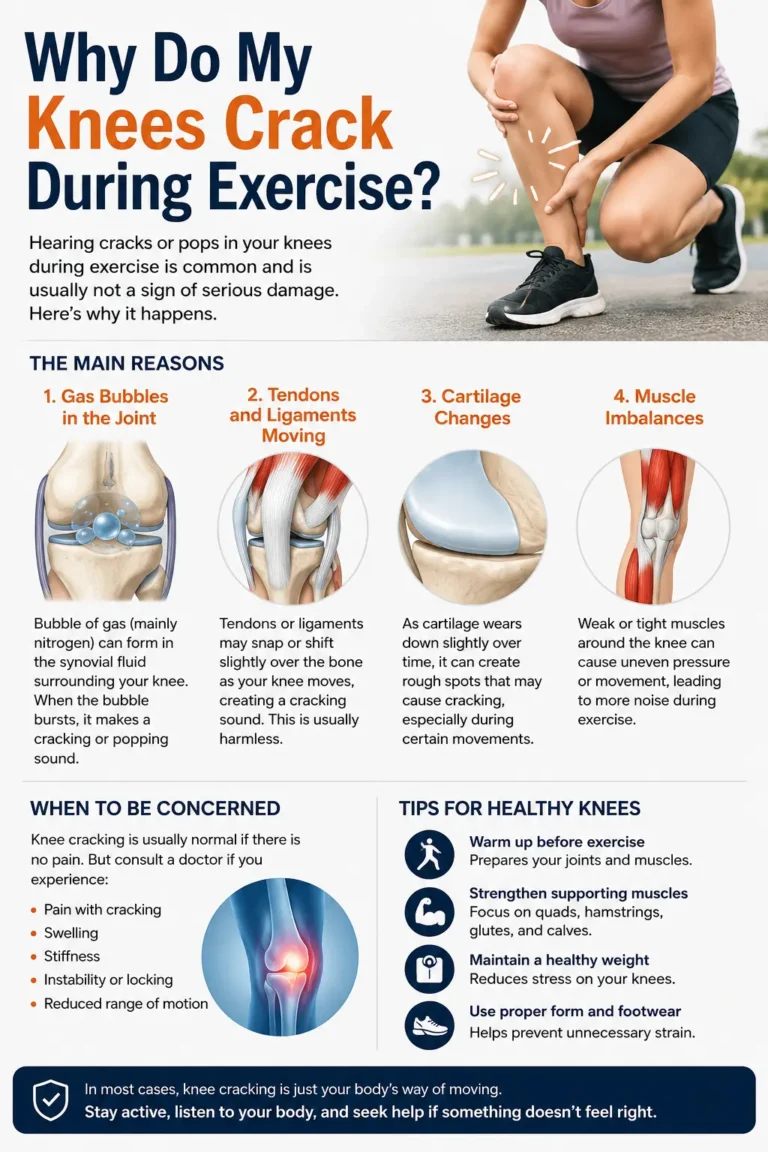

Relaxation Exercises For Chronic Pain
Introduction
Living with chronic pain can make everyday activities feel difficult and exhausting. Whether the pain is caused by arthritis, back pain, fibromyalgia, old injuries, or other long-term conditions, it can affect both physical health and emotional well-being. Along with medical treatment and physiotherapy, relaxation exercises are an effective way to help manage chronic pain naturally.
Relaxation techniques work by calming the nervous system, reducing muscle tension, improving blood circulation, and lowering stress hormones. Since stress and anxiety can increase pain sensitivity, practicing relaxation regularly may help decrease discomfort, improve sleep quality, and promote a greater sense of control over pain.
Some of the most effective relaxation exercises include deep breathing, progressive muscle relaxation, mindfulness meditation, guided imagery, and gentle stretching. These techniques are simple, require little or no equipment, and can be performed at home, at work, or almost anywhere. Even practicing for just 10–15 minutes each day can make a noticeable difference over time.
Consistency is the key to experiencing long-term benefits. Start slowly, choose techniques that feel comfortable, and listen to your body’s limits. If any movement increases your pain, stop the exercise and consult your healthcare provider or physiotherapist.
By incorporating relaxation exercises into your daily routine, you can reduce stress, improve physical comfort, and enhance your overall quality of life. Small, consistent steps can lead to meaningful improvements in managing chronic pain and supporting both body and mind.
What is chronic pain?
Any discomfort that persists for more than three months is considered chronic. The pain may be constant or intermittent. It has numerous causes and can occur anywhere in your body.
One of the most prevalent conditions and reasons people seek medical attention is chronic pain.
Your body uses pain as an alarm to let you know that something is wrong. However, if that alarm keeps going off for months or years, it can obscure a lot of the happy things in life. Additionally, it can negatively impact your mental, emotional, and physical well-being. For this reason, getting treatment for chronic pain is crucial. You and your healthcare provider can work together to create a strategy to reduce chronic pain.
Common types of chronic pain
Chronic pain can affect any part of your body and take many different shapes. It is the primary sign of many different illnesses, infections, and traumas. Typical forms of persistent discomfort consist of:
- Arthritis or joint pain, like knee pain.
- Back pain, especially lower back pain.
- Cancer pain.
- Fibromyalgia.
- Headaches, including migraines.
- Neck pain.
- Neuropathic (nerve) pain.
What does chronic pain feel like?
Individual differences exist in the symptoms of chronic pain. However, the fact that it persists for longer than three months is what differentiates chronic pain. The pain could be described as:
- Aching.
- Burning.
- Shooting.
- Squeezing.
- Stiffness.
- Stinging.
- Throbbing.
Other symptoms and illnesses that are frequently caused by chronic pain include:
- Generalized anxiety disorder.
- Major depression.
- Fatigue, or being quite exhausted most of the time.
- Difficulty falling asleep, or insomnia.
- Mood swings or irritability.
- Seeing a doctor is crucial if your everyday activities are being hampered by pain.
Why Strength Training Works for Chronic Pain
Strength training has various advantages for people with persistent pain:
- Increased Joint Stability: Stronger muscles support joints more effectively, lowering tension and pain.
- Pain Reduction: Strength training lowers inflammation and releases endorphins, the body’s natural painkillers.
- Enhanced Mobility: Increasing muscle strength enhances general function and flexibility, which facilitates daily tasks.
- Enhanced Healing: By increasing blood flow to tissues, strength training speeds up healing and lessens stiffness.
Strength training is useful for treating chronic pain caused by ailments including fibromyalgia, arthritis, and low back pain, according to research.
Tips for Safe Strength Training
Strength exercise is a very effective way to relieve chronic pain, but safety must always come first:
- Start Slow: Increase the intensity gradually after starting with light weights or resistance bands.
- Pay Attention to Form: Using the right technique guarantees that you are using the correct muscles and lowers your chance of injury.
- Speak with an Expert: Consult a trainer or physical therapist who specializes in managing chronic pain.
- Pay Attention to Your Body: Avoid exercises that worsen or create intense pain. Adjust motions as necessary.
- Be Reliable: For optimal effects, aim for two to three strength training sessions per week.
What causes chronic pain?
Many times, chronic pain is really complicated. Sometimes the explanation is clear: you may have a chronic illness that causes pain, such as cancer or arthritis. Sometimes it’s more challenging to identify the root cause, or pain may be caused by multiple variables.
The following are common forms, or causes, of pain:
Neuropathic pain: When your neurological system is damaged or malfunctions, you may experience nerve pain. Trigeminal neuralgia, pinched nerves, and peripheral neuropathy are a few examples.
Pain affecting your bones, joints, ligaments, muscles, and/or tendons is referred to as musculoskeletal pain. Injuries (such as joint dislocation) or “wear and tear” over time (such as tendinitis) are common causes of musculoskeletal pain.
Inflammatory pain: This kind of pain is caused by inflammation and tissue damage. This kind of discomfort can be caused by either acute or chronic disorders. For instance, you can have an autoimmune disease that results in persistent pain and inflammation, such as lupus or rheumatoid arthritis. Postherpetic neuralgia can be caused by an illness such as shingles.
Central sensitization: Modifications to your central nervous system cause this kind of discomfort. You become more sensitive to pain and other sensations as a result of the changes over time. Any kind of pain can cause central sensitization, which can result in additional symptoms like light, sound, and emotional sensitivity.
Additionally, some people have persistent discomfort that isn’t directly related to a medical condition. This does not negate the reality of your suffering. This kind of pain, known as psychogenic pain, is frequently linked to alterations in your neural system as well as other reasonable psychological and emotional aspects.
Multiple sources of pain may coexist. For example, you may have degenerative disk disease-related back discomfort together with fibromyalgia.
What are the risk factors for chronic pain?
There are numerous risk factors for chronic pain because it can be caused by a variety of illnesses or injuries. Generally speaking, a few risk factors are:
Genetics: Certain causes of persistent pain, such as rheumatoid arthritis and migraines, are inherited.
Aging: You are more likely to experience chronic pain as you become older, particularly “wear and tear” causes of chronic musculoskeletal pain.
Prior injury: You are more likely to experience chronic pain if you have experienced a serious injury.
Working in manual labor: You are more likely to experience chronic pain if your work is physically demanding.
Regular or severe stress: Research indicates a link between chronic pain and both PTSD and regular stress.
Smoking: Lower back discomfort is almost three times more common in smokers. Additionally, smoking may generally make people more sensitive to discomfort.
Obesity: Because obesity puts more strain on your joints, it can worsen painful illnesses like arthritis.
Relaxation Exercises For Chronic Pain
Walking

Walking for 30 minutes three to five times a week can improve heart health, strength, and endurance. If you find walking difficult, start slowly and gradually increase the length of your walks as you gain strength. Remember to bring any walkers or canes you use.
Swimming and water aerobics

For those who have trouble moving about, this is a great substitute for walking. You can stay active with this low-impact cardiovascular exercise without adding to the strain on your muscles and joints. Swimming is a fantastic method to decompress and is frequently therapeutic.
Deep breathing and visualization

- On the bed or floor, lie on your back or in another comfortable posture.
- Put your hands on your stomach and let your feet and shoulders drop.
- Shut your eyes and inhale deeply through your nose. Make sure to release all of the air when you exhale through your mouth.
- Feel your belly rise beneath your fingertips as you continue to breathe in through your nose and out through your mouth.
- With each inhalation, picture the agony leaving your body as you continue this cycle.
- Repeat each night before going to bed or as needed during the day.
Low back and glute stretch

- On the floor, lie on your back.
- Bring your knees up to your chest, then gently embrace yourself by putting your arms over your knees.
- Feel your hips and low back stretch as you rock back and forth.
- For an additional stretch for your piriformis and glutes, try crossing one leg over the other.
Levator scapula and neck stretch
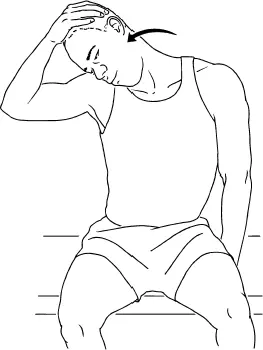
- Take a seat or stand next to a door.
- On the side you wish to stretch, raise your elbow above your shoulder.
- Put your elbow up against the doorknob. As a result, the shoulder blade’s outside will rotate upward.
- After that, glance down and turn your head away from that side.
- Put your free hand on top of your head and apply a little pressure to gently deepen the stretch.
Dead bug

- Start by extending your arms above your body, as if you were reaching for the ceiling, while lying on your back.
- Draw your belly button down toward the floor and relax your ribs to activate your core.
- Breathe out, then reach down with your left leg without letting it come into contact with the ground. Stretch your right arm toward the floor above your head at the same moment. For one second, maintain this posture. Go back to where you were.
- On the opposite side, repeat. Do 10 repetitions on each side.
- To begin, place your knees behind your hips and your wrists beneath your shoulders while kneeling on all fours.
- Create a flat back. Draw your shoulder blades down your back and engage your core by
- pulling your belly button up towards your spine. Do not let your back arch throughout
- this movement.
- Extend one leg straight out behind you.
- Lower the leg.
- Then lift. Do not lift the leg above hip level. Repeat 10 times, keeping your
- Repeat on the other side.
Glute Bridges

- The hamstrings, glutes, and lower back are the target areas.
- Why It’s Beneficial increases hip mobility, eases pressure on the lower back, and strengthens the posterior chain.
- How to Do It:
- With your feet flat on the ground and your knees bent, lie on your back.
- Squeeze your glutes at the top as you raise your hips toward the ceiling by pressing through your heels.
- Slowly bring your hips back down. Do this ten to twelve times.
Wall Sits

- The glutes, hamstrings, and quadriceps are the target areas.
- Why It Helps: It lessens joint discomfort by strengthening the muscles that support the knees and hips.
- How to Do It:
- Place your feet shoulder-width apart and lean your back against a wall.
- As though you were sitting in a chair, slide down until your knees are at a 90-degree angle.
- Hold for 20 to 30 seconds, progressively longer as your strength increases.
Step-Ups

- The glutes, hamstrings, and quadriceps are the target areas.
- Why It’s Beneficial lessens strain on the knees and hips by strengthening and stabilizing the lower body.
- How to Do It:
- Put one foot on the ground, push through your heel, and raise your body.
- Return to your starting position and switch legs. Do 8–10 repetitions for each leg.
Deadlifts (With Light Weights)

- The lower back, glutes, hamstrings, and core are the target areas.
- Why It’s Beneficial: Reduces back discomfort by strengthening the posterior chain and enhancing general functional strength.
- How to Do It:
- Place light weights in front of your thighs while standing with your feet shoulder-width apart.
- Lower the weights toward the floor while maintaining a straight back by hinging at the hips.
- Engage your hamstrings and glutes to get back to standing. Do this 8–10 times.
Side-Lying Leg Lifts

- Hip abductors and glutes are the target areas.
- Why It’s Beneficial: Strengthens the hips, which lessens discomfort and increases running or walking stability.
- How to Do It:
- With your legs straight and stacked, lie on your side.
- Keeping the upper leg straight and under control, raise it.
- Slowly lower it. Do 8–10 repetitions for each leg.
Chest Press (Using Resistance Bands)

- The triceps, shoulders, and chest are the target areas.
- Why It’s Beneficial: Strengthens the upper body, enhances posture, and lessens shoulder discomfort.
- How to Do It:
- A resistance band should be placed at chest height behind you.
- Push your arms forward until they are fully extended while holding the band’s ends.
- Go back to the beginning position slowly. Do this ten to twelve times.
Cat-Cow Stretch

- The spine, lower back, and core are the target areas.
- Why It’s Beneficial reduces tension and stiffness in the spine by increasing its flexibility and mobility.
- How to Do It:
- Get on your hands and knees to begin.
- Tuck your chin toward your chest while arching your back (cat pose).
- In the cow posture, lower your tummy and raise your head toward the ceiling.
- For eight to ten repetitions, switch between these positions.
What are the 4 types of chronic pain?
Chronic pain is usually classified by the biological mechanism causing it. Neuropathic (nerve damage), Musculoskeletal (muscles and bones), Inflammatory (driven by the immune system), Visceral (internal organs)
Knowing these classifications can help to pinpoint the source of the pain:
1. Neuropathic Pain
It occurs due to damage, injury, or dysfunction of the nervous system itself. The nerves misfire, sending faulty signals instead of warning the brain of physical injury.
SENSATIONS: burning, tingling, “pins and needles”, shooting.
Common Examples: Diabetic Neuropathy, Sciatica, Phantom Limb Pain, Postherpetic Neuralgia (shingles pain)
2. Pain in muscles and joints
Affects bones, joints, ligaments, tendons, and muscles. This type is usually related to overuse, physical trauma, or degenerative conditions.
Symptoms: Pain, stiffness, ss or localized tenderness.
Examples: Osteoarthritis, fibromyalgia, low back pain, muscle sprains.
3. Pain due to Inflammation
Overactivity of the immune system in chronic inflammation causes activation of pain receptors and sensitizes nerve fibers.
SENSATIONS: Swelling, redness, warmth, throbbing.
Common examples are rheumatoid arthritis, ankylosing spondylitis, and inflammatory bowel disease (IBD).
4. Pain, Visceral
It starts in the internal organs of the chest, abdomen, or pelvis. Often this is caused by trauma, disease, or abnormal contractions of these organs.
Sensations: Deep, dull, aching, cramping.
Common Examples: Irritable bowel syndrome (IBS, endometriosis, interstitial cystitis
How to help chronic pain?
The effective management of chronic pain is very individualized and multi-faceted. Instead of a single cure, the best approaches use a combination of physical activity, targeted therapies, and lifestyle changes to improve daily function and minimize discomfort.
- Body Movement & Therapy
Low-impact exercise: Activities such as walking, swimming, cycling, or yoga can help to build muscle, improve flexibility, and trigger the release of endorphins (natural painkillers).
Physical therapy: A physical therapist can develop a personalized program to safely strengthen the core and limbs, improve posture, and relieve pressure on joints. - Mind and Body Strategies
Cognitive Behavioral Therapy (CBT): Therapy with a licensed therapist can help change the emotional and mental response to persistent discomfort, that reducesrelatede anxiety and depression that are related.
Relaxation and mindfulness: Deep breathing exercises, meditation, and biofeedback help you learn to consciously control your nervous system and decrease pain-amplifying stress. - Medical and Complementary Therapies
Medications: Depending on the cause, over-the-counter NSAIDs (such as ibuprofen), muscle relaxants, or nerve-pain medications are often prescribed.
Procedures: Injections, nerve blocks,s or devices like TENS (Transcutaneous Electrical Nerve Stimulation) units can help break pain signals. - Alter your lifestyle
Sleep hygiene: Having a consistent sleep schedule and sleep environment that is conducive to sleep allows the body to heal and prevents pain and fatigue.
Nutrition & Habits: A diet rich in nutrients, tobacco avoidance, and moderate alcohol consumption can help reduce inflammation significantly.
Heat and cold therapy: A very successful at-home technique for relieving tense muscles and lowering edema is switching between ice and heat packs.
How to break the pain cycle?
To break the cycle of pain, we need to look at how the mind and body are connected. Chronic pain can cause a self-perpetuating loop of pain, fear of movement, and increased muscle tension. You can stop this cycle by calming your nervous system, moving slowly, and reprogramming your brain to interpret pain signals differently.
To break the cycle, incorporate physical, mental, and lifestyle strategies:
1. Change how your brain responds to pain
Retrain your brain. Understand that pain does not always mean ongoing tissue damage. Your relationship with the fear of pain is what makes your brain feel safe, and the discomfort disappear.
Mindfulness and relaxation: Try breathwork or mindfulness-based stress reduction.
2. Break the physical cycle by moving
It is normal to want to avoid painful things. But avoiding movement often results in muscle atrophy and stiffer joints,s which in the long run can make pain worse.
Begin slow: Begin with gentle movement. You want to get your muscles moving without creating a bad flare-up.
Physical Therapy: Work with a physical therapist to create a personalized, safe exercise program that targets and strengthens the muscles supporting your joints.
Consistency: Strive for 150 to 180 minutes of moderate-intensity activity a week to naturally block pain signals and increase your overall pain tolerance.
3. Change your daily lifestyle
Ice and heat. Use heat (such as a heating pad) to relax tight muscles and cold packs or ice to reduce inflammation. Alternate these every 20 minutes.
Change positions often: Your body isn’t designed to be held still for long periods of time. Change your posture or take short stretching “movement snacks” every 15 to 30 minutes.
OTC drugs: If necessary, take over-the-counter pain medicines ( such as ibuprofen or acetaminophen ) in safe doses based on your medical history.
How is chronic pain diagnosed?
If pain persists or comes and goes (recurs) for longer than three months, medical professionals classify it as chronic. Since pain is typically a symptom, your healthcare provider should try to identify the source of your discomfort.
See a provider if your pain is persistent. They’ll be curious about:
- Where you are in pain.
- How frequently it happens.
- How much it impacts your life and career.
- What makes it better or worse?
- Whether your life is filled with a lot of tension or anxiety.
- Whether you have chronic problems or have had any illnesses or procedures.
To determine the source of the discomfort, your doctor may perform a physical examination and suggest tests such as:
- Tests on blood and urine.
- Imaging examinations, such as MRIs and X-rays.
- To determine whether your nerves respond appropriately, nerve conduction studies.
- Tests for balance and reflexes.
- Testing for spinal fluid.
Approaches to chronic pain management include:
- Physical therapy and occupational therapy.
Massage therapy, biofeedback, and meditation are examples of complementary medicine treatments.
Drugs, such as opioids, muscle relaxants, and NSAIDs.
Clinical investigations.
Finding the best strategy for you may require some time and a variety of therapies, depending on your individual qualities and the source of your pain. Working together with your physician or team and modifying the plan as your needs change can increase the likelihood that your pain management strategy will be successful. Talking about the advantages, potential dangers, and adverse effects of each medication is also crucial.
Does chronic pain ever go away?
Other than determining and treating its cause, there is currently no cure for chronic pain. For instance, joint pain may occasionally be eliminated by treating arthritis.
Many people who suffer from chronic pain are unable to identify its origin or find a treatment. To reduce their pain, they combine medicine, therapy, and lifestyle modifications.
Prognosis (outlook)
Although chronic pain typically doesn’t go away, you can manage it by using a variety of techniques that suit your needs. A person’s pain score is lowered by roughly 30% with current chronic pain therapies. Additionally, treatments can reduce the stress that comes with having a chronic pain condition and have a major impact on your quality of life.
Researchers are still investigating pain conditions and therapies. Future therapies likely to be more successful due to developments in neurology and a deeper comprehension of the human body.
What are the complications of this condition?
Your quality of life and daily functioning may be negatively impacted by untreated or poorly managed chronic pain. Your capacity to care for yourself, work, and preserve relationships may be impacted by this. Additionally, it may make chronic illnesses worse.
Additionally, having persistent pain raises your chance of:
- Either generalized anxiety disorder or depression. According to one study, over 67% of individuals with chronic pain also suffer from a co-occurring mental illness.
- Suicide. Research indicates that between 5% and 14% of patients with chronic pain will attempt suicide at some point in their lives.
- Drug abuse as well as substance use disorders.
- Alzheimer’s disease and related dementias.
- If you have any of these issues or chronic discomfort, you must get medical attention. Finding the ideal mix of therapy for you may take some time, but it’s worthwhile.
FAQs
What are the 5 A’s of chronic pain?
The Five A’s of Pain Management—analgesia, activities of daily life, adverse effects, affect, and aberrant drug-related behaviors—are a well-known broad strategy for managing chronic pain.
What are the 3 P’s of chronic pain?
Treatments for chronic pain combine pharmacological (medication), physical, and psychological approaches. These are collectively referred to as the “3Ps” of pain management. The 3Ps are complementary to one another, much like the three legs of a stool.
What is the 2-hour pain rule?
The Two-Hour Pain Rule
You’ve overdone it if, two hours after working out, your joints hurt more than they did before. The next time you work out, ease up. See your doctor if the discomfort lasts more than a few days.
What are the 7 stages of chronic pain and illness?
Denial, pleading, bargaining and desperation, wrath, anxiety and depression, loss of self and confusion, and acceptance are the seven stages of grieving associated with chronic illness.
How to naturally treat chronic pain?
Reducing inflammation and altering how the brain interprets pain signals are the main goals of natural treatments for chronic pain. The proven, best strategies are anti-inflammatory diets (think leafy greens, omega-3s), gentle movement (think yoga or Tai Chi), and mindfulness.
Can exercise help chronic pain?
Yeah. Exercise is one of the most powerful tools in the management of chronic pain. It naturally releases pain-blocking endorphins, decreases inflammation, and strengthens muscles to relieve pressure on sore joints. The important thing is to start very slowly so that you don’t “crash” or overdo it.
How Exercise Can Help
When you exercise, endorphins, the body’s natural painkillers, are released.
Less Inflammation: Movement increases blood flow and helps release anti-inflammatory cytokines, which reduces irritation of the nerves.
Muscle Support: Healthy muscles take pressure off painful joints and guard connective tissue.
Top Types of Activity
Low-impact Aerobic: Walking, swimming, or cycling will make you limber and improve your cardiovascular health.
Core & Posture: Exercises like Pilates can help stabilize the spine and abdomen to reduce neck and back pain.
Mindful Movement: Tai Chi and Yoga provide a blend of gentle stretching and meditation to help ease pain and soothe the nervous system.
Starting Tips
Have a rest: You may experience some increase in pain at first. The American College of Rheumatology recommends starting with as little as 5 to 10 minutes a day.
Personalize Your Routine: Don’t push through sharp pain. Change activities to avoid aggravation of your particular condition.
ReferencesAt-home
- e Exercises for Chronic Pain – Northern Pain Centre. (n.d.). https://www.northernpaincentre.com.au/wellness/chronic-pain-movement/at-home-exercises-for-chronic-pain/
- Blog | 7 Exercises for reducing Chronic pain. (n.d.). https://www.precisionpaincarerehab.com/blog/7-exercises-for-reducing-chronic-pain-21549.html
- Chronic pain. (2025, September 9). Cleveland Clinic. https://my.clevelandclinic.org/health/diseases/4798-chronic-pain
- Freutel, N. (2017, May 31). 7 exercises for reducing chronic pain. Healthline. https://www.healthline.com/health/exercises-to-reduce-chronic-pain
- Level, & Level. (2025, February 24). Top strength training exercises for chronic pain relief. Central Ohio Spine and Joint. https://cospineandjoint.com/strength-training-exercises-chronic-pain-relief/
- Barron, W. & Health + Hospitals/Gouverneur. (2021). Mind-Body techniques to reduce pain. In Health + Hospitals/Gouverneur. https://www.nyc.gov/assets/olr/downloads/pdf/wellness/wellness-mindbodytechniquesforcopingwithchronicpain.pdf