
Chest Physiotherapy Techniques at Home
Introduction
Chest physiotherapy (CPT) is a group of techniques designed to help clear mucus from the lungs, improve breathing, and support better respiratory health. These techniques are commonly recommended for people with conditions such as asthma, chronic bronchitis, COPD, cystic fibrosis, pneumonia recovery, or anyone experiencing excessive mucus buildup. When performed correctly, chest physiotherapy can make breathing easier, reduce the risk of chest infections, and improve oxygen flow.
Many chest physiotherapy techniques can be safely performed at home under the guidance of a physiotherapist or healthcare professional. Common methods include deep breathing exercises, huff coughing, postural drainage, chest percussion, and vibration techniques. These exercises help loosen and move mucus from the smaller airways to the larger airways, where it can be coughed out more easily.
Regular practice can improve lung function, reduce breathlessness, and enhance overall quality of life. It is important to maintain proper posture, stay hydrated, and breathe slowly during each technique for the best results. If you experience severe chest pain, dizziness, coughing up blood, or worsening shortness of breath, stop the exercises and seek medical advice immediately.
With consistency and proper technique, chest physiotherapy at home can be an effective way to maintain healthy lungs and support faster recovery from respiratory conditions.
What is chest physiotherapy?
A form of physical therapy called chest physiotherapy (chest PT) helps you breathe more easily by releasing mucus from your chest. A healthcare provider — frequently a respiratory therapist — claps or thumps your back and chest to clear mucus out of your airways so you may cough it out. Another option is to teach a friend or relative how to assist you at home.
Some diseases, such as COPD and cystic fibrosis, result in thick, difficult-to-clear mucus in the lungs. Chest physical therapy is similar to giving someone a hard pat on the back; it should not cause pain, but it is sufficient to shake off phlegm. To clear your airways and improve your breathing, you can then cough up the mucus.
What conditions is chest physiotherapy used for?
- Cystic fibrosis
- COPD (chronic obstructive pulmonary disease)
- Bronchiectasis
- Pneumonia
- Neuromuscular disorders
- Atelectasis
How does chest physiotherapy work?
Vibration and percussion are the two primary forms of chest physical therapy. Healthcare professionals can shake your back and chest with a machine or with their hands. Typically, they combine chest physical therapy with postural drainage positions that facilitate mucus outflow.
Percussion
Your provider will curve their hands as if they were scooping up water while performing percussion. Then, in a steady, rhythmic motion akin to playing the bongos, they turn their hands’ fingers down and clap or bang your back or chest. They can also utilize a portable device that looks like a cup.
Vibration
Your provider’s hands are placed flat on your back or chest during vibration. They vibrate the airways in your chest by shaking your body.
How do I prepare for chest physiotherapy?
The ideal strategy to get ready for chest physical therapy sessions can be discussed with your healthcare professional. They could suggest:
- Inhaling a bronchodilator 15 to 30 minutes prior to chest physical therapy
- Waiting to begin for ninety minutes after eating
- Before beginning chest physical therapy, make sure to inform them of any medical disorders, such as bleeding or blood pressure problems.
What happens during chest physiotherapy?
When doing chest physical therapy, your doctor will:
- Assist you with positioning yourself (you may be sitting up, on your side, belly, or back, and you may need a pillow or wedge for support).
- They may offer you directions, such as when to breathe in and out, by clapping or vibrating your back or chest.
- Have you produced any mucus from your cough?
Your provider may repeat these procedures while toggling between percussion and vibration. They might also have you shift postures to clear different regions of your lungs.
How do you do chest physiotherapy at home?
Many patients practice chest physiotherapy at home with the support of a family member, friend,d or another caregiver. It’s essential to only utilize these procedures if a healthcare physician has approved them and shown you how to safely execute them at home. They’ll provide you with precise advice depending on your health history.
What are the potential benefits of chest physiotherapy?
Chest physiotherapy can:
- Make breathing easier
- Cut down on the frequency of hospital visits
- Decrease the frequency of infections or flare-ups (exacerbations).
- Boost your standard of living
- Boost your capacity to walk, work out, or carry out everyday duties
How to Do It: Chest Physiotherapy?
When using postural drainage, the patient lies or sits in different positions to maximize the height of the lung that needs to be drained. That section of the lung is then evacuated utilizing percussion, vibration, and gravity. Your care team may adjust these positions to your or your child’s requirements.
The caregiver can clap on the CF patient’s chest wall when they are in one of these positions. Usually lasting three to five minutes, this is occasionally followed by a 15-second vibration over the same area (or five exhalations). In order to clear the mucus from their lungs, they are then urged to cough or huff violently.
Mucus can be moved into the larger airways by the caregiver clapping (percussion) on the chest wall over the area of the lung that has to be drained. As seen in the illustration below, the hand is cupped as though it were holding water, yet the palm is facing down. To soften the clapping, the cupped palm curls to the chest wall and traps a cushion of air.
Percussion is done strongly and with a constant beat. There should be a hollow sound to every beat. Most of the action is in the wrist with the arm relaxed, making percussion less exhausting to do. If the hand is cupped properly, drumming should not be uncomfortable or sting.
Special attention must be given to avoid clapping over the:
- Spine
- Breastbone
- Stomach
- Lower ribs or back
Different gadgets may be used in place of the classic cupped palm approach for percussion. Ask your CF doctor or respiratory therapist to recommend one that may work best for you.
Using a method called vibration, the mucus is gently shaken to facilitate its passage into the bigger airways. The caregiver tenses the arm and shoulder muscles to produce a gentle shaking action while placing a firm touch on the chest wall over the area of the lung being drained. Then, the caregiver exerts a mild pressure over the area being vibrated. (The caregiver can also vibrate by placing one hand over the other and pressing the top and bottom hands into each other.)
Vibration is done with the flattened hand. Breathe out as slowly and thoroughly as you can.
Breathing using the diaphragm, also known as lower chest breathing or belly breathing, facilitates deeper breathing and allows air to enter the lower lungs. You can find out more about this kind of breathing from your CF physical therapist or respiratory therapist.
How Long Does Chest Physiotherapy Take?
Each treatment session typically lasts 20 to 40 minutes. CPT is best done before meals or one-and-a-half to two hours after eating, to lessen the possibility of vomiting. Bedtimes and early mornings are typically advised.
If the patient is more congested or becoming ill, it may be necessary to extend the duration of CPT and increase the number of times it is performed each day. Your CF doctor or respiratory therapist can recommend what postures, how often, and how long CPT should be done.
Doing Chest Physiotherapy Comfortably and Carefully
Both the person with CF and the caregiver should be comfortable during CPT. Tight clothing, jewelry, buttons, and zippers around the neck, chest, and waist should all be taken off before beginning. You may wear something light and comfortable, like a T-shirt. Avoid using CPT on exposed skin. Rings and other heavy jewelry, including watches or bracelets, should be taken off by the caretaker. A location to cough up mucus or a supply of tissues should be kept close at hand.
The caregiver should not lean forward when practicing percussion, but should remain in an upright position to safeguard his or her back. The height of the surface on which the CF patient lies should be comfortable for the caregiver.
When performing CPT, many families find it useful to use bean bag chairs, foam wedges, cribs with changeable mattress heights or tilts, pillows, sofa cushions, or bundles of newspapers under pillows for support. Babies can be placed in the caregiver’s lap with or without pillows.
Chest Physiotherapy Techniques at Home
Self Percussion Upper Lobes

Your child should sit erect and reach across his or her chest to clap on the front of the chest over the muscular area between the collarbone and the top of the shoulder blade. On the other side, repeat. If your youngster can reach it, they can also clap their own upper back.
Upper Front Chest Upper Lobes
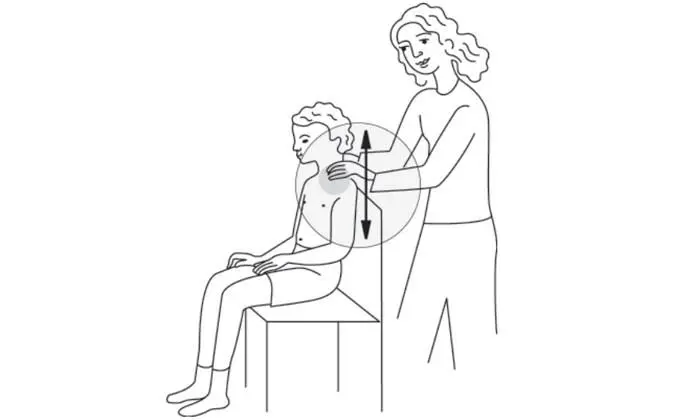
Make sure your child is sitting up straight. Clap on both sides of the upper front chest over the muscular area between the collarbone and the top of the shoulder blade.
Upper Back Chest Upper Lobes
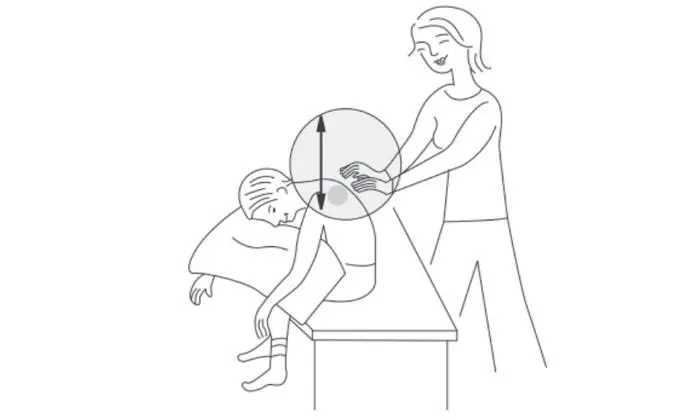
Have your youngster sit up and lean forward on a pillow over the back of a sofa or soft chair at a 30-degree angle. Clap your child’s upper back on both sides while standing or sitting behind them. Be careful not to give your child a backbone clap.
Left Lower Side Back Chest Lower Lobe
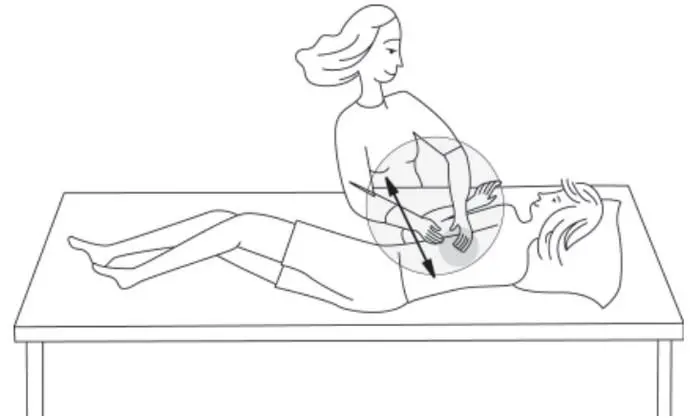
To reach your child’s back, have them lie with their left side up and roll a quarter turn in your direction. Just above the bottom edge of the rib cage, clap on the lower left side of their chest.
Right Lower Side Back Lower Lobe
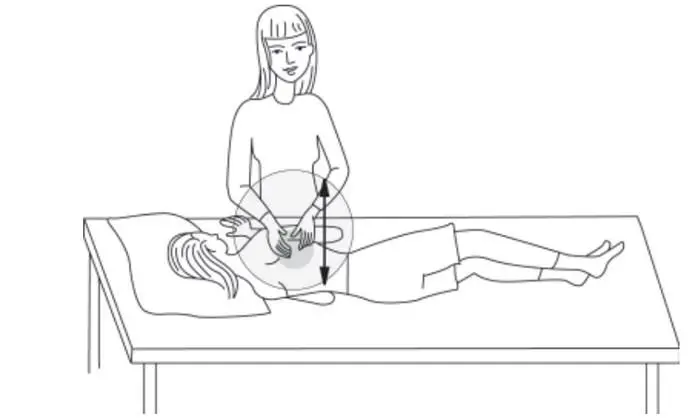
To reach your child’s back, have them lie with their right side up and roll a quarter turn in your direction. Just over the lower edge of the ribs, clap on the lower right side of his or her chest.
How to naturally loosen phlegm in the chest?
To thin out chest mucus quickly, naturally drink lots of warm fluids and breathe in steam. After this,s do the “huff cough” technique to help move the mucus up and out of your airways.
Many very effective drug-free ways can help to break up and clear chest mucus:
- Hydration and Inhalation
Drink Warm Liquids: Drinking hot tea, lemon water, or clear broths helps to thin sticky mucus, making it much easier to cough up.
Steam Therapy:y Breathing in warm, moist air may help. Try a hot shower or lean over a bowl of hot water with a towel over your head. Add a few drops of eucalyptus oil to help open your airways even more.
Use a Humidifier: Running a cool-mist humidifier in your room overnight adds moisture to the air so your airways and throat stay moist. - Physical clearance of the airways
Controlled Coughing (Huffing): Instead of coughing hard and exhausting yourself, try “huffing.” Sit up straight and take a deep breath, then blow out the air forcefully through an open mouth, like you are trying to fog up a mirror.
Postural Drainage: Use gravity to assist in draining mucus from the lungs. Lie on your stomach or side with pillows under your hips. Hold for 10 to 15 minutes. Then do huff coughing to clear the loosened phlegm.
Gentle Exercise: Light exercise like walking or stretching helps to promote deeper natural breathing,g which helps to clear up congestion in the chest. - Food Supplements
Honey: One spoonful of raw honey can help relieve an irritated throat and suppress cough naturally, especially when combined with warm water or tea.
Ginger: Ginger has natural decongestant and anti-inflammatory properties that help reduce mucus production.
Saltwater Gargle: Gargling saltwater helps clear any lingering mucus that is dripping down the back of your throat. Mix ½ teaspoon of salt in warm water. - Changes in the Environment
Avoid irritants. Stay away from tobacco smoke, air pollution,n and strong chemical fumes, as they make your body produce more mucus.
What repairs lungs quickly?
To speed the healing of your lungs, you need to get rid of irritants, thin the mucus, and get the circulation moving. To hasten recovery, stop smoking and steer clear of polluted air right now. Keep well hydrated to thin airway secretions. Do deep breathing exercises to increase lung capacity. Do gentle cardiovascular exercise to enhance oxygenation
The quickest and most effective ways to support and repair lung function are:
1. Removing Irritants and Mucus
Quit Smoking & Vavaping. The single most impactful thing you can do. In the first 24 hours after quitting, your body begins to repair lung damage and your risk of disease drops.
Steam Inhalation: Breathing in warm water vapor (from a hot shower or steam bowl) helps loosen thick, sticky mucus in your airways, making it much easier to cough up and expel.
Hydration: Drink a minimum of 8 to 10 glasses of water or warm fluids (such as herbal tea or broth) a day. Drink plenty of fluids to thin the mucus.
2. Exercises for Breathing
Deep Breathing: Sit upright and slowly inhale a deep breath through your nose. Hold it for a few seconds, then slowly exhale through pursed lips. This helps remove stale air and keeps the tiny air sacs (alveoli) open.
Controlled Coughing: Take a deep breath, hold your breath for 2 seconds, and cough twice with your mouth slightly open. This practice works very well for clearing mucus build-up.
Diaphragmatic Breathing: Put one hand on your chest and one on your abdomen. Breathe in big, filling your stomach with air until you push your hand out, then breathe out slowly.
Cardio Exercise: Activities such as brisk walking, cycling, or swimming make your heart and lungs work harder. This naturally strengthens them and improves how effectively oxygen is transferred to your bloodstream.
Anti-Inflammatory Diet: Emphasize foods rich in antioxidants and vitamins, like leafy greens, berries, fatty fish (packed with omega-3s), and spices such as turmeric.
Keep airway irritants to a minimum — stay away from indoor chemicals, dust, mold, and second-hand smoke. If the air quality in your area is poor, try to spend as little time outdoors as possible or use an indoor air purifier.
How to clean lungs naturally?
There are no specific foods or supplements that can literally “detox” or “cleanse” the lungs, as the lungs self-clean by naturally expelling toxins and mucus. But you can improve your respiratory health by stopping smoking, taking in warm steam, keeping yourself hydrated, exercising regularly, eating an antioxidant-rich diet, and practicing controlled coughing to get rid of mucus.
Here are some natural, actionable habits that support the self-cleaning functions of your respiratory system:
1. Steam and Hydrate to Open Airways
Steam Therapy:y Breathing warm water vapor (carefully, so you don’t burn yourself) may help to open airways and loosen hardened mucus. Eucalyptus or peppermint essential oils can provide you with a soothing sensation.
Drinking lots of fluids helps to thin mucus and keep it runny so your body can get rid of it naturally by coughing.
2. Practise Controlled Coughing
Coughing is your body’s natural response to clearing irritants and phlegm from your airways. You can help this along by doing “huff coughing”:
Sit in a comfortable chair with your feet flat on the floor and lean forward a little.
Fold your arms over your stomach.
Breathe in through your nose deeply.
“Ha” – breathe out sharply, keep your mouth slightly open. Push your arms into your stomach.
3. Follow a Lung-Healthy Diet
No single food can clean your lungs, but a diet rich in antioxidants can reduce inflammation and help cells repair:
Add anti-inflammatory spices such as ginger and turmeric.
Eat vitamin C and antioxidant-rich fruits and vegetables (berries, citrus fruits, leafy greens)
4. Breathing Exercises and Physical Activity
Cardiovascular exercise: Activities like brisk walking, cycling, and swimming require your heart and lungs to work harder. This in turn causes your lung capacity to naturally increase over time.
Deep breathing: Diaphragmatic or pursed-lip breathing helps stretch your lung tissue, increase oxygen flow, and clear out accumulated air.
5. Reduce Exposure to Environment
Stop Smoking: Quitting tobacco (and avoiding secondhand smoke) is the best thing you can do to stop damage to your lungs and give your respiratory system a chance to heal.
Improve Indoor Air Quality:y Regularly dust your home, ventilate your home, and consider a portable HEPA air filter.
Track Local Pollution: lution Use the AirNow tool to assess your daily environment and to avoid outdoor activities on days with high pollution or smog.
What are the risks of chest physiotherapy?
The position you’re in during PT or the percussion and vibration might occasionally put you at risk for:
- Rib, spine, or muscle injury
- Shortness of breath
- Vomiting
- Mucus getting stuck in your airways (aspiration)
- Low levels of oxygen in your tissues (hypoxia)
- Low blood pressure (hypotension)
- Bleeding in your lungs (pulmonary hemorrhage)
- Increased pressure in your head (increased intracranial pressure)
- Airway spasm (bronchospasm)
- Abnormal heart rate (dysrhythmia)
You are less likely to experience these issues if you just use head-up positions (as opposed to tilting your head toward the ground).
When shouldn’t you do chest physiotherapy?
You may be more vulnerable to damage or health problems during chest physical therapy if you have certain conditions. Before beginning chest physical therapy, consult your physician if you have:
- A recent injury to your back, lungs, or chest (including your skin)
- Recently had an epidural or spinal anesthetic
- Osteoporosis, or thinning of the bones
- Bleeding or a significant danger of bleeding (for example, if you’ve been coughing up blood)
- Health issues impacting your blood pressure
- Chest Pain
When should I call my healthcare provider?
- Difficulty breathing
- Coughing up blood
- Chest pain
- Severe headache
- Weakness
- Dizziness
- Bluish skin, lips, or nails (cyanosis)
PT for the chest shouldn’t hurt. But occasionally, it can seem uncomfortable. Even if something doesn’t feel quite right, you should always report any discomfort to your caregiver or physician. Other guidelines for safe and comfortable PT sessions include:
If they’re not using enough force to release mucus, let them know.
Organ injury can result from having someone vibrate or percussion your lower back or area beneath your ribs.
Find what makes you most comfortable during PT sessions. This could be utilizing your favorite pillow, pulling your hair back, or dressing in particular ways.
Always talk to your provider about any changes to your health before commencing a PT session.
FAQs
Can chest physiotherapy be done at home?
This is where a caregiver or partner can clap and/or vibrate the person’s chest to further dislodge and transfer the mucus to the larger airways, where it can be coughed or huffed out of the body. CPT is simple to perform. For a child with cystic fibrosis, CPT can be done by anybody, including parents, siblings, and friends.
How to do chest physiotherapy on yourself?
Self chest physiotherapy involves using airway clearance techniques (ACTs) to help you clear excess mucus from your lungs. The best independent method is called the Active Cycle of Breathing Technique (ACBT). This consists of deep breathing, chest expansion,n and forced exhalation (called huffing) to clear your airways.
Active Cycle of Breathing Techniques (ACBT)
From a seated, upright, and relaxed position, repeat this cycle 3-4 times or until you feel your chest is clear:
Breathing Control: Breathe in slowly and gently through your nose. Breathe out slowly and comfortably through your mouth. Let your shoulders and upper chest relax.
Deep Breathing (Chest Expansion): Now take 3 to 4 slow, deep breaths to fill your lungs. Hold each breath for 2-3 seconds and then breathe out slowly. This pushes air behind the mucus.
Huffing (Forced Expirations): Inhale and then blow out through an open mouth quickly and forcefully, as if you were going to fog up a mirror. Do this 1-2 times and then return to Breathing Control.
Cough: When you feel the mucus move to your larger airways, cough hard to dislodge it.
Other Self Care Tips
Hydration: Drink plenty of fluids. This helps to thin the mucus so you can cough it up more easily.
Postural Drainage: A therapist may advise you to position yourself so that the congested area of the lung is uppermost, allowing gravity to assist in draining the mucus.
What is the 7 second lung clearing trick?
The “7 second lung clearing trick” is really just controlled coughing (or the huff cough or airway clearance technique as respiratory therapists call it) to help move and clear out the mucus from your airways.
How to Do the 7 Second Technique:
Sit & Relax: Sit up in a chair, relax your shoulders,s and keep your feet flat on the floor.
Take a deep breath.
Hold: Hold that breath for 2 to 3 seconds to allow air behind the mucus.
The “Huff”: Rather than a hard cough, breathe out the air strongly but slowly through your mouth as you bend forward a little and say “haaa” (as if you were trying to fog up a mirror).
Repeat: To get the phlegm in your throat, do this one or two times. Then, cough normally and gently to get rid of it.
Are 3 exercises for chest enough?
In fact, three exercises are plenty for a full workout of the chest. The overall weekly volume (about 10 to 20 hard sets) and striking the muscle from various angles are what really count.
A three-exercise regimen that works well should consist of:
Upper Chest: Smith Machine Press or Incline Dumbbell.
Mid/Lower Chest: Dumbbell Press or Flat Barbell.
Isolation/Stretch: Dumbbell Fly or Cable Crossover.
What are the first signs of lung damage?
Early lung injury symptoms are relatively mild and commonly written off as aging or being out of shape. Key warning symptoms include a persistent cough lasting over eight weeks, unexplained shortness of breath during regular daily activities, noisy breathing or wheezing, chronic chest pain, and persistent, excess mucus production.
References
- Breathing exercises for chest clearance. (n.d.-a). Gloucestershire Hospitals NHS Foundation Trust. https://www.gloshospitals.nhs.uk/your-visit/patient-information-leaflets/breathing-exercises-chest-clearance/
- Breathing exercises for chest clearance. (n.d.-b). Gloucestershire Hospitals NHS Foundation Trust. https://www.gloshospitals.nhs.uk/your-visit/patient-information-leaflets/breathing-exercises-chest-clearance/
- Lemm, A. (2024, November 8). How is chest therapy performed at home? | SmartVest. SmartVest Airway Clearance System. https://www.smartvest.com/blog/how-is-chest-physiotherapy-performed/
- Professional, C. C. M. (2025, September 30). Chest physiotherapy. Cleveland Clinic. https://my.clevelandclinic.org/health/treatments/chest-physiotherapy
- Support, C. (2020, October 8). 4 Postural drainage techniques to try at home. XO Physical Therapy. https://www.xopt1.com/blog/postural-drainage-techniques-home/