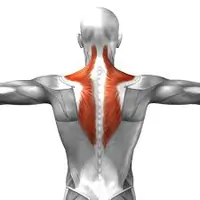

Williams Flexion Exercises: A Complete Guide for Beginners
Introduction
Williams Flexion Exercises are a set of exercises to treat lower back pain, especially related to lumbar spine conditions. By promoting spinal flexion and strengthening abdominal muscles, Williams’ exercises aim to relieve pressure on spinal structures and improve stability and function of the lumbar region.
When to Flex Your Low Back
There are situations in which performing lumbar flexion can be advantageous. The low back flexion exercise is often beneficial for individuals with certain conditions, such as lower back pain.
Williams Flexion Exercises – These flexion-based movements are generally avoided in sciatica caused by a bulging or herniated lumbar disc, as they may worsen symptoms. If considered, they should only be done under professional supervision.
In some cases, bending the lower back forward can exacerbate disc-related pain. That’s why it’s important to talk to a doctor or physiotherapist before starting these exercises, to ensure they’re safe and appropriate for your condition.
Goals
- To evaluate how the William Flexion and Movement Control exercises affect functionality in non-specific low back pain, range of motion (the modified Schober test), muscle strength (the pressure biofeedback unit), and pain (the visual analogue scale).
Procedure of Williams flexion exercises
Here are the common Williams Flexion Exercises typically prescribed in physiotherapy.
- Pelvic Tilt (Posterior Pelvic Tilt)
- Lie down comfortably and bend your knees.
Tense your stomach muscles. - Hold for 5–10 seconds, then relax.
- 10 times.
- Single Knee to Chest
Lie down comfortably.
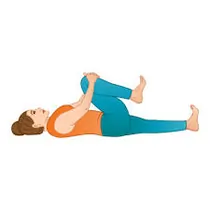
- One knee should be towards the chest.
- Hold the knee and gently pull.
- Hold for 15–30 seconds.
- Lower your leg back down.
- Repeat with the other leg.
- Do 3–5 times on each side.
- Double Knee to Chest

- Lie on your back, knees bent.
- Hold for 15–30 seconds.
- Slowly return your legs to the floor.
- Repeat 3–5 times.
- Partial Sit-Up (Abdominal Curl)
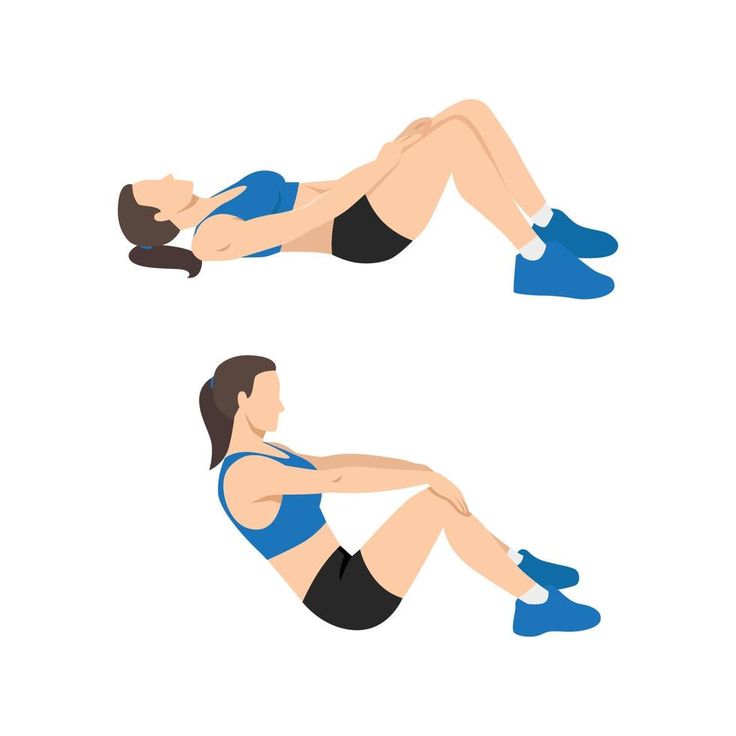
- Lie down comfortably with bends the knee.
- Your hand should be on your knee.
Raise your head and shoulders a little off the ground while contracting your stomach muscles.
Hold that for 2 to 3 seconds. - Repeat 10 times.
- Hamstring Stretch

- Raise the one leg to your chest.
- Using both hands, grasp the back of your thigh rather than the knee.
- Feel a stretch in the back of the thigh as you slowly straighten the raised leg upward as much as you can.
- Hold for 15–30 seconds.
- Hip Flexor Stretch

- In a lunge position.
- Hold for 15–30 seconds.
- Repeat on the other side.
- Do 3 times on each side.
- Squat Exercise (Mini Squats)

- Stand with feet shoulder-width apart.
As though you were reclining in a chair, slightly bend your knees.
Keep your back straight.
Go down only a small distance (not deep).
Return to standing. - Repeat 10 to 15 times.
Advancement of Exercises for Low Back Flexion
It might be time to move on to more difficult exercises after the supine low back flexion exercise becomes effortless.
Low back flexion exercises can be advanced gradually depending on the patient’s tolerance, pain levels, and mobility. The goal of Low Back Flexion exercises is to improve flexibility, relieve pain, and strengthen the lower back.
- Progress gradually based on comfort and symptoms.
- Avoid pain-provoking movements.
- Focus on proper breathing and posture.
- Always warm up before and cool down after exercises.
Indications for the Williams flexion exercises
Williams Flexion Exercises are primarily indicated for patients with:
- Chronic low back pain
- Lumbar spinal stenosis (narrowing of the spinal canal).
- Degenerative disc disease, where lumbar flexion reduces symptoms.
- Lumbar spondylosis
- Lumbar lordosis
- Postural back pain
- Early rehabilitation following lumbar surgery (under supervision).
Contraindications for the Williams flexion exercises
These exercises should be avoided or used cautiously in:
- Spinal fractures.
- Patients with spinal instability or recent spinal surgery are contraindicated from flexion.
- Conditions where lumbar extension is required (e.g., some spondylolisthesis cases).
- Acute Disc Herniation with Neurological Signs
- Spinal Instability
- Severe Osteoporosis
- Spinal Tumors or Infections
- Inflammatory Conditions (e.g., Ankylosing Spondylitis)
- Severe Pain During Flexion
Precautions for the Williams flexion exercises
- Avoid holding breath during exercises (breathe normally).
- Stop exercises immediately if there is sharp pain, numbness, or increased leg symptoms.
- Monitor posture during exercises to avoid compensatory movements.
- Avoid Over-flexion
- Maintain Proper Form
- Warm-Up First
- Avoid on Hard Surfaces
- Start Gradually
Conclusion
Williams’ Flexion Exercises remain a foundational component in the physiotherapy management of selected cases of low back pain. When used correctly, they can greatly enhance comfort, alignment, and mobility. However, like any intervention, they must be applied based on thorough assessment, clinical reasoning, and patient-specific response.
FAQs
What is the Williamson technique?
Loyd Williamson created the Williamson Technique, a physical approach for actors that integrates the relationships between your body, voice, instinct, five senses, and imagination to increase your range of motion, emotion, and expression.
What is the difference between McKenzie and Williams exercises?
During exercises, the McKenzie Method’s centralisation phenomenon causes pain to shift from the extremities towards the spine. William’s exercises, on the other hand, concentrate on lumbar flexion as a means of pain relief rather than this phenomenon.
What are the Williams’ flexion exercises 1- 5?
Williams recommends the following exercises: lunges, seated trunk flexion, hamstring stretch, pelvic tilt, partial sit-ups, single and bilateral knee to chest, and full squats . By itself, spinal flexion is safe, and with the right routine, it may even strengthen the intervertebral discs.
References
- Kaple, N., & Phansopkar, P. (2023). Effect of William flexion exercise and movement control exercise on pain, range of motion, muscle strength and functionality in non-specific low back pain: randomized controlled trial. F1000Research, 12, 770. https://doi.org/10.12688/f1000research.137087.1
- Pt, B. S. (2024, February 16). Williams low back flexion exercise. Verywell Health. https://www.verywellhealth.com/low-back-flexion-exercise-2696191
- Wikipedia contributors. (2024, August 30). Williams flexion exercises. Wikipedia. https://en.wikipedia.org/wiki/Williams_Flexion_Exercise
- Orthopaedic Specialists of North Carolina. (n.d.). LUMBAR FLEXION EXERCISES. https://orthonc.com/uploads/pdf/Lumbar_Flexion_Exercises.pdf