
Baby Grasshopper Pose
What is Baby Grasshopper Pose?
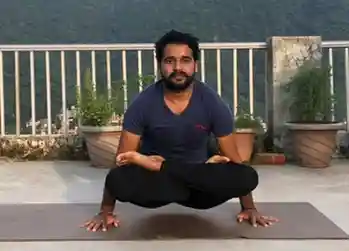
Baby Grasshopper Pose (Bala Parsva Bhuja Dandasana) is a beginner-friendly arm-balance preparation pose that builds the foundation for the full Grasshopper Pose. It helps improve hip mobility, core stability, and upper-body strength while introducing gentle twisting. This pose is great for developing balance and control before progressing to more advanced arm balances.
Traditional yoga positions served as the inspiration for this contemporary invention, which was created to meet the demands of current practitioners seeking skill-based, progressive learning.
Asymmetrical, twisting, forward-bending, arm-balancing, and hip-opening poses are all included in this amazing flying position. It blends in perfectly with both energetic forms like Power Yoga, Vinyasa Yoga, Hot Yoga, and Rocket Yoga, as well as fundamental, captivating yoga flows.
Meaning:
In Sanskrit, Baby Grasshopper Pose is called Bala Parsva Bhuja Dandasana. In a practitioner’s life, the grasshopper represents luck, stability, bravery, fertility, balance, and freedom. By balancing and maintaining stability, the baby grasshopper position includes freedom and fertility in the practitioner.
Differences Between Baby Grasshopper Pose and Grasshopper Pose:
- While the practitioner’s body is supported on one arm and foot in Baby Grasshopper Pose, it is balanced on both arms in Grasshopper Pose.
- In Baby Grasshopper Pose, the right leg is positioned in front of the left thigh; in Grasshopper Pose, it is positioned over the right hand.
- While the left leg is held in the air without any hand support in the Grasshopper Pose, it is grasped by the right arm in the Baby Grasshopper Pose.
- In Baby Grasshopper Pose, the head is facing forward, whereas in Grasshopper Pose, it is facing the ground.
- The majority of the benefits of these poses are almost identical because they stretch the hamstrings and open up the hips. But the Grasshopper Pose involves the upper body more than the Baby Grasshopper Pose. In practitioners, it strengthens the upper body structure.
Muscle Work During Baby Grasshopper Pose:
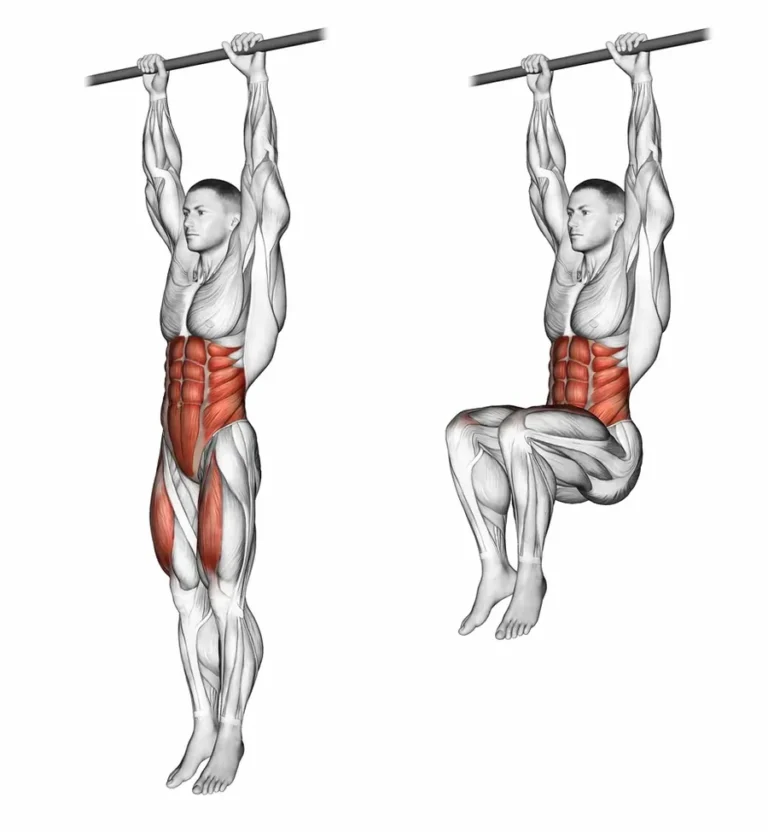
- Biceps and Triceps Muscles
- Core Muscles
- Hip Muscles
- Gluteus Muscle
- Quadriceps Muscle
How to Perform?
- Start by entering Staff Pose, or Dandasana. Your feet should be hip-distance apart and flexed. Push the shoulder blades together and extend your spine.
- Now, bring the right foot parallel to the left inner thigh, bend the right knee, and bring the right knee closer to the chest.
- Grabbing the ankle and shin, raise the right leg from this position. Place your torso outside of your left thigh after twisting it slightly to the left.
- Now, by deepening the twist of the torso, bring your left hand in line in accordance with your toes of the right foot and the left shoulder.
- Next, extend your spine by raising your right arm with your fingers extended wide and moving it forward.
- Next, lean forward with your chest to move your weight onto your left hip. Now turn your left leg and foot to face the direction of your leaning chest.
- Then, bend forward and grip the left foot by its sole with your right hand. Now raise your right foot by using your core muscles and tucking your left elbow next to your ribs.
- Here, your body will be balanced on the right foot and left arm, and stare in the front direction. The last slot is this one. After a few seconds, return by placing your left foot on the ground. In Dandasana, I leaned back.
Benefits:
Extends the Core:
Baby Grasshopper stance is a great way to stretch your core muscles, which are some of your body’s hardest-working muscles. Regularly performing this pose improves posture by increasing flexibility. In addition, it helps you move and exercise more easily and strengthens your core muscles, which lowers your chance of injury and back pain.
Aids with Diabetes:
A study found that performing the Baby Grasshopper position on a daily basis activates the pancreas. This helps with diabetes by secreting the right quantity of insulin.
Activates the Reproductive System:
The baby grasshopper pose’s knot-like leg position stresses the groin area, stimulating the reproductive organs. Increased blood circulation in the pelvic area is a benefit of this pose. This further nourishes the reproductive cells and gives the muscles the proper amount of oxygen.
Assists with Lifestyle Disorders:
According to a study, combining the grasshopper stance with other yoga poses influences metabolism, which has an impact on many outcomes that lead to lifestyle problems like diabetes, hypertension, ageing, and digestive issues. Consequently, overcome regularly.
Overcomes Digestive Issues:
Young Grasshopper: Apply pressure to the area of the abdomen. This creates the massaging effects and encourages regular movement by addressing each cause separately.
Therapeutic Benefits:
Reduces back pain: The Baby Grasshopper position increases the back muscles’ range of motion. This relieves lower back discomfort and supports the entire lower back region.
Reduces tension and anxiety: Twisting in the Baby Grasshopper Pose opens the chest, shoulder, and back. In addition to releasing the body’s stored tension and enhancing mental wellness, this reduces anxiety.
Beginners Advice:
- Lack of flexibility may make it difficult for beginners to reach the left foot with the right hand. Therefore, if your hand is unable to reach your foot, the practitioners can use a strap to reach your foot and grip your ankle.
- It might be preferable to position a pillow or bolster some distance away from you while bending forward. When moving weights, beginners with weak or nonexistent forearm strength may lose their balance and risk being hurt.
- It may be tough for beginners with rigid bodies to twist and force, which could only result in additional injuries. Therefore, practitioners might perform multiple sets of sun salutations to prevent this. The body will warm up as a result, and the twisting will also get better with continued practice.
Preparatory Pose:
- Marichayasana (Sitting Side Twist)
- Gomukhasana (Cow Face Pose)
- Parsvottanasana (Revolved Intense Side Stretch Pose)
Variations:
Mating Grasshopper Pose:
In the Baby Grasshopper pose, the body is supported over one arm and one foot, whereas in the Mating Grasshopper stance, both arms sustain the posture. In the Baby Grasshopper Pose, the right hand grips the left leg, which serves as the other half of the weight. In the mating grasshopper, the right leg is suspended behind the left triceps and wraps around the left arm.
The difficult one is the mating grasshopper. With the right knee bent, the right leg is positioned between the two arms and wrapped over the left arm in this stance. Your elbows stay pinched throughout the pose to keep your balance, and your left knee rests on the back of your left triceps.
Precautions:
- Before using the right hand to lift the left foot, do not loosen it. It should be sufficiently bent to connect with the right hand, providing a solid base for takeoff.
- Make sure your left palm stays under your elbow and closer to your body when you are ready to rise off the ground. If not, it prevents the left elbow from attaching to the ribs.
- To counteract the gradual shift in weight, one should create a suitable space between the fingers when bending forward. Ignoring this could result in falling because of improper weight distribution.
Contraindications:
If you have a knee, wrist, shoulder, or lower back ailment, you shouldn’t do the baby grasshopper posture. Additionally, this asana should not be performed by practitioners who have had surgery on the waist, belly, or any other important joint. This asana should not be performed until the menstrual cycle and pregnancy have returned to normal.
Conclusion:
Baby Grasshopper stance is a useful yoga pose for conditions like diabetes, digestion, and reproductive issues. However, it also helps with hamstring flexibility, hip opening, and lower body strength.
Therefore, practicing this asana should enhance the practitioner’s general health and well-being.
FAQs
What advantages does a baby grasshopper pose offer?
The ankles, wrists, back, thighs, shoulders, arms, and legs can all be strengthened by performing the baby grasshopper pose. This arm balance position expands the rib cage and allows for deeper breathing. This improves the functioning of the respiratory system.
How does the Grasshopper Pose vary from the baby grasshopper?
We tackled Baby Hopper, a spin on the arm-balancing Grasshopper, as our final challenge pose. It takes a lot of hip opening and twisting flexibility to achieve full arm balance. A lighter version of Grasshopper, Baby Hopper I, keeps us nearer to the earth.
What are the contraindications for baby grasshopper?
Baby Grasshopper Pose puts pressure on the abdomen; thus, it’s recommended to avoid it if you have difficulties with your stomach, intestines, hernias, liver, kidneys, or reproductive disorders.
How does a baby grasshopper improve balance?
Awareness and Focus (Concentration) / Alignment and Posture: In order to maintain the Baby Grasshopper stance, muscle strength is crucial for enhancing body balance. Here, attention is crucial to maintaining equilibrium.
What props can help with baby grasshopper?
Blocks for Baby Grasshopper Pose:
Put a single brick in front of your palm. Make adjustments based on height and by going forward or backward. When performing a push-up, your shoulder should eventually melt onto the block at the same height as your elbow.
What is the Baby Grasshopper Pose good for?
The baby grasshopper position can strengthen the ankles, wrists, back, thighs, shoulders, arms, and legs. This arm balance position expands the rib cage and allows for deeper breathing. This improves the functioning of the respiratory system. This pose also helps to strengthen your pelvic floor muscles.
What muscles does Baby Grasshopper Pose work?
Stretches, Strengthens, and Lengthens: Baby Grasshopper Pose helps stretch and contract a variety of muscles, including the hamstrings, the outer side of the hip, the biceps and triceps, the diaphragm, the core muscles, the psoas, the pelvic floor, the glutes, the quadriceps, and the calves.
References:
- Baby Grasshopper Yoga Pose: Steps, Benefits, Precautions – Fitsri Yoga. https://www.fitsri.com/poses/baby-grasshopper-pose
- Baby Grasshopper Pose Yoga Pose (Bala Parsva Bhuja Dandasana). Tummee. https://www.tummee.com/yoga-poses/Bala Parsva Bhuja Dandasana