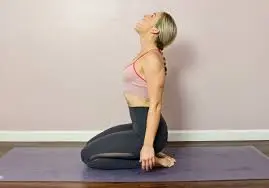

Cervical Spondylosis: Causes, Treatment, Exercises
Introduction
Age-related deterioration of the neck’s spinal discs is referred to as cervical spondylosis. Osteoarthritis symptoms, such as bone spurs—bony protrusions along the borders of bones—develop when the discs shrink and dry.
Cervical spondylosis is a common disorder that becomes worse with age. Cervical spondylosis affects more than 85% of those over 60. The majority of persons with cervical spondylosis have no symptoms. Nonsurgical therapies are frequently successful when symptoms do occur.
When neural structures are compressed, cervical spondylosis can cause radicular symptoms in addition to neck pain and stiffness. Neck pain is a common condition and the second most common complaint after low back pain. Healthcare providers must identify symptomatic cervical spondylosis and offer evidence-based, economical treatments due to the disease’s high burden of disability and financial expense.
Anatomy
- The 24 vertebrae that make up your spine are piled on top of each other. The spinal cord is shielded by a canal formed by the connections between these bones.
- The cervical spine is made up of seven small vertebrae that start at the base of the skull and create the neck.
Your spine’s other components include:
- Nerves and the spinal cord. Your brain and muscles communicate with each other via these electrical wires that pass through the spinal canal. Via apertures in the vertebrae, nerve roots emerge from the spinal cord.
- Discs between vertebrae. Flexible intervertebral discs are located between your vertebrae. When you run or walk, they serve as shock absorbers.
Intervertebral discs have a half-inch thickness and are circular and flat. They consist of two parts:
- Fibrosus annulus. This is the disk’s robust, pliable outer ring.
- Pulposus nucleus. This is the disk’s squishy, jelly-like core.
Symptoms
The majority of patients with cervical spondylosis don’t have any symptoms. When symptoms do occur, they usually involve neck discomfort and stiffness.
Cervical spondylosis can occasionally cause the spinal canal inside the spine’s bones to narrow. We refer to these bones as vertebrae. The area inside the vertebrae that the spinal cord and nerve roots travel through to get to the rest of the body is called the spinal canal. You may get the following symptoms if the spinal cord or nerve roots are pinched:
- Weakness, numbness, and tingling in the hands, feet, legs, or arms.
- Poor coordination and trouble moving.
- Loss of control over the bowels or bladder.
- Headache
- Neck pain with neck stiffness
- Muscle spasm
Causes
Changes to the structures that comprise the neck and backbone result in cervical spondylosis. The neck and backbone gradually deteriorate with age. These modifications may consist of:
- Dehydrated discs: Between the spine’s vertebrae, discs function as cushions. Most people’s spinal discs start to dry up and shrink by the time they are forty years old.
- Disc herniation: The outside of the spinal discs also develops cracks. These fissures can accommodate a disk’s soft interior. Sometimes it might exert strain on the spinal cord and nerve roots.
- Bone spur: In an attempt to reinforce the spine, the body may mistakenly generate more bone as the discs degrade. The spinal cord and nerve roots may occasionally be pinched by these bone spurs.
- Rigid ligaments: Ligaments are tissue strands that join one bone to another.
Exercises
Chine tuck
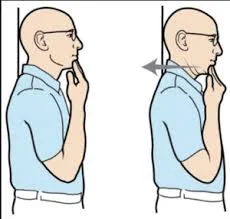
- Position: Sitting position.
- Chin Tuck Charms are a useful physical therapy exercise for cervical spondylosis that improves posture and strengthens the deep neck flexor muscles.
- Sit or stand with your spine straight to do Chin Tuck Charms correctly.
- With your eyes and nose pointing front, pull your head straight back as though attempting to create a double chin.
- The deep neck flexor muscles, which are essential for preserving proper neck posture, are strengthened by this exercise.
- Chin Tuck Charms may help improve overall posture and lessen discomfort by minimizing pressure on the neck and upper back and correcting forward head position, which is a typical problem with cervical spondylosis.
- Ten to fifteen repetitions per session are recommended.
- Hold duration: 5 seconds is enough.
Shoulder blade squeeze
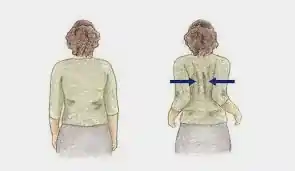
- Position: Sitting position.
- An essential exercise for cervical spondylosis is Shoulder Wave Circles, which ease stress in the neck and shoulders. Stand or sit up straight to start Shoulder Wave Circles. Let your arms lie loosely at your sides and let your shoulders drop.
- Roll your shoulders slowly in a circle, going forward, upward, backward, and downward. Make “waves” with your shoulders as you move freely.
- This practice relieves stress in the neck and shoulders. The circular motion of the shoulders releases tension and stiffness by relaxing the muscles surrounding the neck and upper back. Frequent practice can enhance neck health by increasing flexibility in these regions.
- Ten to fifteen repetitions per session are recommended.
- Hold duration: 5 seconds is enough.
Upper trapezius stretch
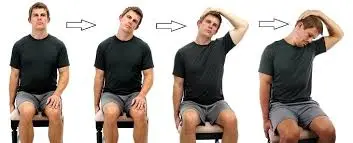
- Position: Sitting position.
- To begin, place your hand on the other side of your head and gently stretch it.
- Next, thrust your head into your palm to do an isometric contraction of the upper trapezius without moving either hand or head.
- After holding the isometric contraction for five to seven seconds, let go.
- Ten to fifteen repetitions per session are recommended.
- Hold duration: 5 seconds is enough.
Neck flexion

- Position: Sitting position.
- With your head looking forward, sit or stand upright.
- Try to touch your chin to your chest while tilting your head forward as if you were nodding.
- For two or three seconds, hold.
- Turn your head back to face front.
- Every time you bend your neck, make sure your back and neck muscles are relaxed. Muscle relaxation can be achieved by slowly inhaling and exhaling while performing the exercise.
- Ten to fifteen repetitions per session are recommended.
- Hold duration: 5 seconds is enough.
Neck side flexion

- Position: sitting position.
- With your head looking straight ahead, you can sit, stand, or lie flat on your back.7
- Feel a stretch on the other side of your neck as you slowly turn your head to the left as far as is comfortable. For two seconds, hold.
- After turning your head back to face forward, take a little break. Turn your head slowly to the right and repeat.
- Ten to fifteen repetitions per session are recommended.
- Hold duration: 5 seconds is enough.
Levator scapulae stretch
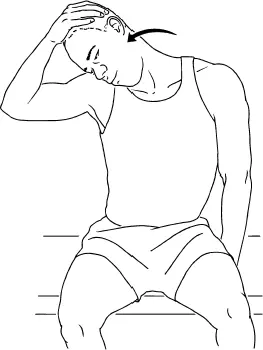
- Position: sitting position.
- With your shoulders relaxed, sit up straight in a chair and face straight ahead.
- Swivel your head slightly to the left.
- As far as it feels comfortable, tilt your head diagonally toward your chest (if you want more stretch, you can gently pull your head forward on the diagonal with your hand).
- Hold for 15 to 30 seconds, increasing if necessary.
- Repeat with your head tilted diagonally toward your right chest.
- Ten to fifteen repetitions per session are recommended.
- Hold duration: 5 seconds is enough.
Shoulder rolls

- Position: sitting position.
- With your chin slightly tucked in and your feet hip-width apart and flat on the floor, sit up straight.
- Don’t tense your arms. Your shoulders will be in full action.
- In a smooth, circular motion, roll your shoulders up, back, down, and forward.
- Then go the other route. In a fluid, circular motion, press your shoulders down, then back, then up, and finally forward.
- Ten to fifteen repetitions per session are recommended.
- Hold duration: 5 seconds is enough.
Towel stretch

- Position: Sitting position.
- Stretching with a towel is a simple yet powerful way to reduce discomfort. Stretch the muscles in your shoulders and neck using a towel to increase your range of motion.
- This can ease soreness, ease tension, and increase flexibility. Additionally, it can assist in maintaining the health of your neck and enhance your general posture.
- Wrap a towel around your head. To stretch the muscles in your neck, gently pull the ends of the towel.
- Ten to fifteen repetitions per session are recommended.
- Hold duration: 5 seconds is enough.
Neck isometric
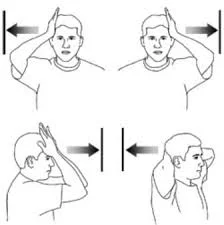
- Position: sitting position.
- Cervical flexion: Place your palm on your forehead and bend your neck slightly forward. As you push back with your hand, try to tilt your head forward.
- Cervical extension: Place your hands at the back of your head and maintain an upright posture. Make an effort to push your hands forward while pushing your head back.
- Cervical side bending: Maintain a level chin and a straight head. Place your right hand on your head’s right side. Using your right hand to push yourself up, try to lower your head to your right shoulder.
- Cervical rotation: Turn your head slightly to the right and place your left hand at chin level. Push your head back with your right hand and turn it to the right.
- Ten to fifteen repetitions per session are recommended.
- Hold duration: 5 seconds is enough.
Wall angle
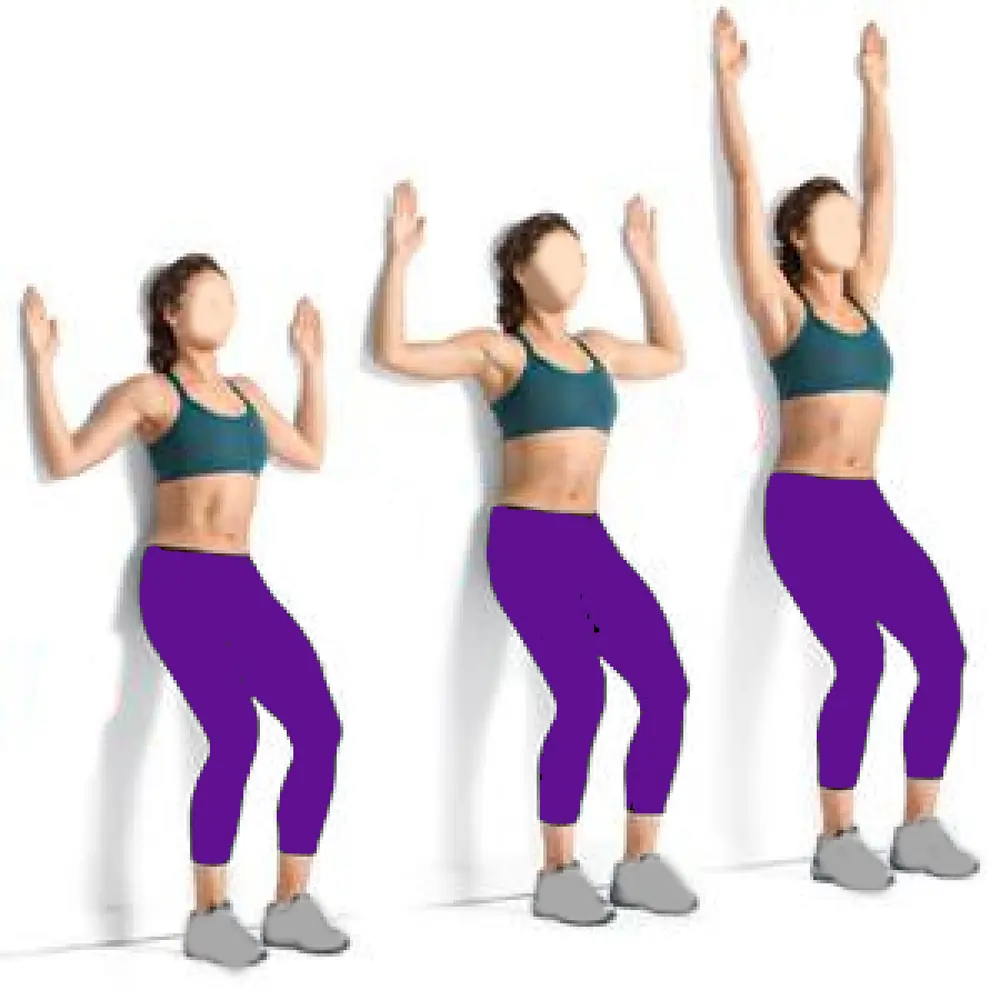
- Position: Standing position.
- Assume a tall stance with your back against the wall and your feet comfortably apart.
- With your hands around head height, press the backs of your arms and hands on the wall.
- Your arms are in the direction of the ceiling. Avoid shrugging your shoulders and try to keep your arms on the wall.
- Reach the starting position by sliding your arms down.
- Ten to fifteen repetitions per session are recommended.
- Hold duration: 5 seconds is enough.
Cervical Kyphosis vs Cervical Spondylosis
A disorder known as cervical spondylosis develops when the neck’s discs and joints start to degrade as a result of normal wear and strain. Bone spurs may form as a result, pressing on the nerves in the neck and causing pain and suffering.
On the other hand, cervical kyphosis is a condition in which the neck’s natural curvature is diminished, and it starts to bend forward. Numerous things, such as bad posture, trauma, or degenerative diseases like osteoporosis, might contribute to this.
Differential diagnosis
Musculoskeletal local sources
- Myofascial trigger points, cervical sprains, strains, and facet arthropathies produce axial neck discomfort without dermatomal radiation while maintaining normal neurologic tests.
- The Spurling manoeuvre stays negative; however, lateral shoulder discomfort that worsens during overhead exercise is caused by glenohumeral arthritis, rotator cuff disease, and acromioclavicular joint degeneration.
- A shoulder origin is confirmed with a shoulder injection that eliminates discomfort.
Lesions in the peripheral nerves and plexus
- Carpal tunnel syndrome results in slower median conduction across the wrist, preserves neck mobility, and causes nocturnal paresthesia in the thumb, index, and middle fingers.
- The ulnar forearm skin is unaffected by cubital tunnel syndrome, which causes numbness in the ring and little fingers, along with intrinsic hand weakness.
- This pattern cannot be explained by C8 involvement. Acute shoulder discomfort and patchy paresis unconnected to a single root are the initial symptoms of brachial neuritis.
Vascular compression and the thoracic outlet
- Neurovascular impairment at the thoracic outlet is suggested by positional paresthesia or arm weariness that gets better when the shoulder is dropped.
- Cervical traction does not alleviate symptoms, although provocative elevation tests do.
Spinal disorders that are not degenerative
- When pain is persistent, gets worse at night, or is accompanied by systemic symptoms like fever, weight loss, or a history of cancer, it is necessary to rule out an acute fracture, osteomyelitis, epidural abscess, or metastatic tumour. When warning signs emerge, an MRI is crucial.
Disorders of the intrinsic nervous system
- Guillain-Barré disease, amyotrophic lateral sclerosis, multiple sclerosis, and vitamin B12 deficiency all resemble myelopathy by causing sensory loss, limb weakness, or abnormal gait without corresponding compression on imaging.
- Appropriate laboratory testing and electromyography distinguish these entities.
Tests
To assist in confirming the diagnosis of cervical spondylosis, your doctor could prescribe diagnostic testing. These examinations might consist of:
- X-rays radiographs: Images of dense structures, like bone, may be obtained with X-rays. The alignment of your neck’s bones may be seen on an X-ray. It can also show degenerative changes in your cervical spine, such as bone spurs or a decrease in disc height.
- MRI (magnetic resonance imaging (MRI): The body’s soft tissues, including muscles, discs, nerves, and the spinal cord, are visible on MRI images. An MRI can assist in identifying whether soft tissue injury, such as a bulging or herniated disc, is the source of your symptoms.
- CT scans, or computerized tomography: Your doctor can see your spinal canal and any bone spurs more clearly using a CT scan, which is more thorough than a simple X-ray.
- Myelogram: Contrast dye is injected into the spinal canal during this imaging process to enhance the visibility of the spinal cord and nerve roots. While the contrast dye is still in the spinal canal, a CT scan is often performed right after the myelogram.
- Electrodiagnostic examination: The electrical impulses of the muscles, both at rest and during contractions, are measured by electromyography (EMG). To ascertain if a spinal nerve is operating normally, nerve conduction investigations are frequently performed in conjunction with EMG. Find out more: Testing for Electrodiagnosis
- Other testing: To find out whether a rheumatoid factor or any other antibody suggestive of an inflammatory arthritis is present, your doctor may occasionally prescribe a blood test.
Examination
Axial neck pain
- Cervical spine stiffness and soreness are frequently reported; these symptoms are most acute while the patient is standing and are alleviated by bed rest when the strain is removed from the neck.
- Motion of the neck, particularly hyperextension and side bending, usually worsens the discomfort.
- Patients with upper and lower cervical spine disorders may describe radiating pain into the occiput or back of the ear, as opposed to the superior trapezius or periscapular musculature, respectively.
- Patients may occasionally exhibit unusual symptoms of cervical angina, such as chest or jaw discomfort.
Radiculopathy of the cervical region
- Radicular symptoms can manifest as unilateral or bilateral neck discomfort, arm pain, scapular pain, paraesthesia, and arm or hand weakness. These symptoms often follow a myotomal distribution based on the nerve root or roots implicated.
- Head tilts toward the affected side or hyperextension and side bending toward the affected side aggravate the pain.
Cervical myelopathy
- Usually begins slowly and may or may not cause neck discomfort (which is often missing).
- May first exhibit clumsiness and hand weakness, making it difficult to do tasks requiring fine motor coordination (such as buttoning shirts, tying shoelaces, and picking up tiny items).
- Gait instability and inexplicable falls are frequently reported.
- Incontinence and other urinary symptoms are uncommon and usually develop later in the course of the illness.
Management
The severity of a patient’s indications and symptoms determines the course of treatment for cervical spondylosis. The objectives of therapy are to reduce pain, enhance functional capacity in daily activities, and avoid irreversible damage to neural structures in the absence of “red flag” symptoms or substantial myelopathy.
Red flags are clinical warning indications that may suggest a significant underlying disease that needs to be evaluated immediately. Examples of these indicators include severe or rapidly increasing cognitive impairments, bowel or bladder problems, or unexplained weight loss. Cervical spondylosis symptoms should be treated gradually, beginning with nonoperative therapy.
Non-surgical
- A 4- to 6-week course of physical therapy, which includes resistance and isometric exercises to strengthen the neck and upper back muscles, is the cornerstone of nonsurgical treatment. Physical treatments such as cervical traction, heat, cold, therapeutic ultrasound, massage, and transcutaneous electrical nerve stimulation were shown to be ineffective in treating either acute or chronic neck pain, according to a meta-analysis conducted by the Philadelphia Panel.
- Cervical traction, however, may be used to relieve the nerve root compression caused by foraminal stenosis in individuals with radicular discomfort.
Surgical
- After nonoperative treatments have failed, individuals with cervical myelopathy, substantial, chronic axial neck discomfort, or cervical radiculopathy should be evaluated for surgical intervention. According to neuroimaging research, these affected people must also have a pathological illness that matches their clinical characteristics. The clinical condition and the pathological site or sites determine the surgical strategy.
- In the anterior technique, an autograft, allograft, or artificial intervertebral disc fusion is performed after a cervical discectomy or corpectomy. Although comparable fusion rates may be achieved with bone transplants using anterior plates, metallic cages, and synthetic spacers, the long-term effects are yet unknown.
Physical Therapy Management
For subacute or chronic mechanical neck discomfort with or without headaches, mobilization and/or manipulations combined with exercises are useful in reducing pain and improving everyday functioning.
Exercise regimens such as proprioceptive, strengthening, endurance, or coordination exercises have been shown to be more beneficial than standard pharmacological therapy.
Although treatment should be customized, it often consists of manual therapy, proprioceptive retraining, postural instruction, and rehabilitation exercises.
- Cervical traction, heat, ice, therapeutic ultrasound, massage, and transcutaneous electrical nerve stimulators (TENS) are examples of physical treatments whose effectiveness in treating acute or chronic neck pain has not been sufficiently demonstrated.
- Cervical traction can be used to relieve the compression of nerve roots caused by foraminal stenosis in individuals with radicular discomfort.
- Myofascial trigger points, which can clinically present as neck, shoulder, and upper arm discomfort, can be treated with trigger point injections.
Exercise Therapy
Exercise-based rehabilitation is a vital treatment for cervical spondylosis, according to mounting data. For treating neck discomfort and enhancing function, a variety of exercise programs, such as proprioceptive, strengthening, endurance, and coordination exercises, have been demonstrated to be more successful than pharmacological therapies alone.
- Deep Cervical Flexor Strengthening: By focusing on the deep cervical flexors, exercises like chin tucks and isometric cervical flexion serve to improve postural alignment and restore cervical spine muscle balance. In order to lessen discomfort and restore normal cervical mobility, proprioceptive re-education is crucial.
- Dynamic Exercises: When it comes to improving functional performance, dynamic exercises outperform isometric exercises. Dynamic activities should be introduced whenever the patient shows improvement in pain and mobility, according to recent studies.
Manual Therapy
- Thoracic and Cervical Mobilization and Manipulation: By combining thoracic spine manipulations with cervical mobilization procedures, cervical range of motion is improved and discomfort is greatly reduced. Whether done in a prone, supine, or sitting posture, methods include thoracic high-velocity low-amplitude (HVLA) thrust manipulations that assist in reducing cervical discomfort and improving thoracic mobility.
- Non-Thrust Manipulation: Symptom centralization should direct the use of techniques including posterior-anterior (PA) glides, retractions, and rotations, depending on the patient’s reaction.
- Soft Tissue Methods: Particularly in situations of myofascial pain syndrome, myofascial release and trigger point therapy that targets muscles such as the suboccipitals, levator scapulae, and upper trapezius assist in increasing range of motion and lessening referred pain.
Postural Education
- Patients who spend a lot of time sitting or using a computer should be trained on good ergonomics. To lessen cervical strain, it is advised to modify workstation configuration and take frequent rests.
Complications
If cervical spondylosis is left untreated, a persistent neurologic disability may result. Following an epidural steroid injection, the total incidence of immediate and delayed adverse events was 2.4% and 4.9%, respectively, according to a 2019 cohort research by El-Yahochouchi et al. Among the complications are:
- Neurological damage
- Epidural Abscess
- Hemorrhage in the epidural space
- A rise in discomfort
- Vasovagal responses
- Central steroid response (e.g., nonpositional headaches, face flushes)
- Endocrinologic consequences (such as reduced bone density, hypothalamic-pituitary axis suppression, and hyperglycemia)
The following are side effects of anterior and posterior cervical spine surgery:
- Damage to the nerve roots and spinal cord
- An infection
- Leakage of cerebrospinal fluid and a dural tear
- Recurrent injuries to the hypoglossal, superior, and laryngeal nerves
- Dysphagia and esophageal damage
- Damage to the carotid and vertebral arteries
- Injury to the trachea
- Degeneration of adjacent segments
- Pseudoarthrosis
- Kyphosis after laminectomy
Risk factors
The most prevalent risk factor for cervical spondylosis is age. Middle-aged and older people have a very high prevalence of the illness.
Your chance of getting cervical spondylosis and neck discomfort may also be increased by the following additional factors:
- There is no doubt that smoking causes more neck discomfort.
- Occupation: occupations involving a lot of overhead and repeated neck motion
- Anxiety or depression
- Prior neck trauma or damage
- Genetics
How to assess the appropriateness of your activity level
You can determine whether you’re working out at the proper level by using this advice. Additionally, it will show you the permissible level of pain or discomfort.
Rating your pain on a scale of 0 to 10, where 10 represents the greatest agony you have ever experienced, might be useful. For instance:
- 0 to 3: very little discomfort
- 4 to 5: Pain that is tolerable
- 6 to 10: severe discomfort
Pain when exercising
- Try to keep your level of discomfort between 0 and 5. If you have more discomfort than this, you can alter the workouts by:
- decreasing the frequency of a movement, decreasing its speed, and lengthening the intervals between moves
Pain following physical activity
- Exercise shouldn’t worsen your neck ache in general. However, when the body adjusts to new movements, doing new workouts might occasionally result in temporary muscular soreness.
- This type of soreness should go away immediately, and the morning after working out, it shouldn’t get any worse.
Benefits of exercises
The health of the spine depends on movement. Immobility and bad posture only make cervical spondylosis pain and stiffness worse. Frequent, focused exercise benefits by:
- Increasing blood flow to the tissues of the spine
- Increasing the strength of the surrounding muscles
- Increasing the flexibility of joints
- Reducing nerve pressure
- lowering stiffness and inflammation
Safety Measures for Spondylosis Exercise
- You should abrupt shocks and high-impact motions.
- Avoid stretching till it hurts.
- Drink plenty of water.
- For floor workouts, use a mat.
- If you get intense pain or dizziness, stop right away.
Conclusion
Cervical spondylosis is one of the physical changes that come with aging. Your neck may pain, ache, or become stiff as a result. Although anybody may have it, those who spend a lot of time staring up at the ceiling or down at the ground are more likely to get it.
Although cervical spondylosis cannot be cured, medical professionals can treat it to make your neck less uncomfortable or stiff. If your neck hurts or feels stiff for more than a few days, see a doctor.
FAQs
What causes cervical spondylosis?
Types of Cervical Spondylosis | Causes | Treatment | Reduce…
Age-related wear and strain on the spine, which results in dehydrated discs, bone spurs, and tight ligaments, is the main cause of cervical spondylosis. Genetics, prior neck injuries, and certain lifestyle choices including smoking, bad posture, and neck-straining employment are other contributing causes.
How can the posture of cervical spondylosis be corrected?
Conscious postural awareness, ergonomic modifications, and targeted exercises like shoulder rolls and chin tucks are all part of posture correction for cervical spondylosis. Keep your head in line with your spine, sit and stand with a straight back, and arrange your workstation such that your display is at eye level in order to preserve appropriate alignment. Posture can be improved and tension can be decreased with regular, mild stretches and strengthening exercises, such as isometric neck exercises and chin tucks.
Can cervical spondylosis be cured with exercise?
The Top 5 Pain-Relieving Exercises for Cervical Spondylosis
Exercise can successfully control symptoms and improve cervical spondylosis, but it cannot cure the condition. Stretching and strengthening are gentle activities that improve neck range of motion, flexibility, and posture while reducing discomfort, stiffness, and inflammation. Exercise should be done within a pain-free range of motion, but it is an essential aspect of controlling the disease.
What is the severity of cervical spondylosis?
Although cervical spondylosis is usually benign and asymptomatic, it can worsen if it causes problems like compression of the spinal cord or nerves. Severe instances may result in weakness, paralysis, loss of bladder and bowel control, irreversible nerve damage, persistent discomfort, and limited mobility if treatment is not received.
Cervical spondylosis is caused by this vitamin deficiency?
The individuals were classified as having a VB12 deficit, which may have contributed to the cervical spinal cord illness, after laboratory testing showed that their serum VB12 levels were below the normal range.
How should I proceed if these workouts cause me pain?
If you experience any pain, immediately stop working out. You must perform exercises in a range that is comfortable for you. See a medical expert for advice if the discomfort doesn’t go away.
If you have neck pain, is it preferable to exercise or rest?
The degree and source of neck discomfort determine how to balance rest and exercise. While prolonged rest might worsen stiffness, short-term rest may be helpful for acute discomfort. Exercises that are mild, such as those previously described, can help reduce pain by increasing blood flow, strength, and flexibility.
References
- Cervical spondylosis – Symptoms & causes – Mayo Clinic. (2025, September 19). Mayo Clinic. https://www.mayoclinic.org/diseases-conditions/cervical-spondylosis/symptoms-causes/syc-20370787
- Cervical spondylosis. (2025, June 2). Cleveland Clinic. https://my.clevelandclinic.org/health/diseases/17685-cervical-spondylosis
- Margetis, K., & Tadi, P. (2025b, August 2). Cervical spondylosis. StatPearls – NCBI Bookshelf. https://www.ncbi.nlm.nih.gov/books/NBK551557/
- Margetis, K., & Tadi, P. (2025c, August 2). Cervical spondylosis. StatPearls – NCBI Bookshelf. https://www.ncbi.nlm.nih.gov/books/NBK551557/
- Cervical spondylosis (Arthritis of the neck) – OrthoInfo – AAOS. (n.d.). https://orthoinfo.aaos.org/en/diseases–conditions/cervical-spondylosis-arthritis-of-the-neck/
- NHS inform. (2025, February 6). Exercises to help with cervical spondylosis | NHS inform. NHS Inform. https://www.nhsinform.scot/illnesses-and-conditions/muscle-bone-and-joints/neck-and-back-problems-and-conditions/exercises-for-cervical-spondylosis
- Physiotherapy, H. (2025, April 23). Best Spondylosis Exercises for Pain Relief & Stiffness. Healyos Physiotherapy. https://www.healyos.com/spondylosis/pain-relief-exercises-for-spondylosis/
- Jones, H. (2025, October 27). 10 neck stretches and exercises for pain, posture, and better sleep. Verywell Health. https://www.verywellhealth.com/neck-stretches-7557800
- Bhattacharya, S. (2024, November 2). 11 exercises for neck pain and stiffness to give you instant relief. Healthshots. https://www.healthshots.com/fitness/staying-fit/exercises-for-neck-pain/
- Shoulder Rolls | NYP. (n.d.-b). NewYork-Presbyterian. https://www.nyp.org/healthlibrary/multimedia/shoulder-rolls
- Editorial Team. (2023, November 22). Top 7 Best exercises for Cervical spondylosis to reduce pain. Heritage Hospitals. https://heritagehospitals.com/blog/exercises-for-cervical-spondylosis/
- Song, D. (2023b, June 21). Upper Trapezius PNF Stretch — Rehab Hero. Rehab Hero. https://www.rehabhero.ca/exercise/upper-trapezius-pnf-stretch
- Wall Angels. (n.d.-b). [Video]. Hingehealth. https://en-gb.hingehealth.com/resources/articles/how-to-do-wall-angels/