

10 Best Exercise for Neck Pain
Neck pain is a common issue that can result from poor posture, muscle strain, or injury. Gentle exercises can help relieve stiffness, improve flexibility, and strengthen the muscles that support the neck. Choosing the right exercises can play a crucial role in managing and preventing neck discomfort.
Introduction
In this article, we describe neck pain. We will discuss the reasons for neck pain, how to treat it, and simple, effective exercises. Neck pain is a common issue that can result from a variety of causes, some mild and temporary, others acute and chronic.
Neck pain is easily treated in a few days or weeks (with remedies). You can use cold or heat therapy to reduce the pain. It’s a good idea to keep your neck moving, as resting too much could make the pain terrible.
Tumours, ruptured disks, pinched nerves, osteoarthritis, spinal stenosis, poor posture, psychological stress, and physical strain are among the several frequent causes.
What does neck pain feel like?
Some people describe the pain as
- A persistent ache.
- A stabbing or burning pain.
- A radiating pain (with tingling and numbness) that radiates from the cervical region to the shoulders or arms.
Other symptoms
Neck pain may involve other symptoms, including
- Headache.
- Tension in your neck muscles and shoulders.
- Painful neck activity such as rotation, neck tilt, and neck flexion and extension.
- Your arms or shoulders may feel numb or tingly (pins and needles).
Conditions for Neck Pain
Muscle Tension
- Causes: poor posture habits, overuse (from looking down at phones or computers), or awkward position (sleeping)
- Symptoms: stiffness, reduced range of motion.
Cervical spondylosis (Arthritis of the neck)
- Causes: Age-related wear and tear on spinal discs and joints
- Symptoms: Chronic Pain, Nerve Impingement
Herniated Cervical Disc
- Causes: The nerve is compressed as a result of a bulging cervical disk.
- Symptoms: radiating discomfort, arm muscular weakness, tingling, and numbness
Whiplash
- Causes: Sudden jerky movements of the head(while accidents)
- Symptoms: Neck pain, headaches, dizziness, fatigue
Cervical Radiculopathy
- Causes: compression of nerve roots as a result of a disk herniation
- Symptoms: tingling, weakening in the shoulder and arm muscles, and discomfort radiating from the neck to the arm or forearm. Gripping is challenging.
Spinal Stenosis
- Causes: Narrowing of the spinal canal.
- Symptoms: neck pain, numbness, balance issues.
Infections or Tumours
- Causes: spinal infection or cancer
- Symptoms: weight loss, fever, neurological issues.
Exercise For Neck Pain
Neck Flexion and Neck Extension

- Position: Standing or sitting
- For the neck flexion action, move your head down in the direction of your upper sternum.
- Your neck’s back will lengthen if you hold for five to ten seconds.
- To show that your neck is extended, raise your chin to the ceiling.
- Hold the stretch.
- Reputation depends on your capacity.
Side Flexion

- Position: Standing or sitting
- Gradually do side flexion or rotate your neck one by one on each side, and try to touch your ear.
- Hold the stretch. Repeat on your other side. You can obtain ten repetitions by completing several sets.
Rotation
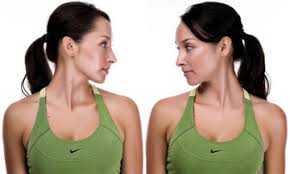
- Position: Standing or sitting
- Hold your head just above your shoulders and maintain a straight back.
- Maintain a standing position with your elbows completely extended and your shoulder abducted 90 degrees.
- Repeat on your left side. Up to ten sets should be performed.
Shoulder Roll

- Position: Standing or sitting
- Maintain the circular motion (clockwise) of your shoulders. Six times over, repeat.
- Maintain the circular motion (Anticlockwise) of your shoulders. Six times over, repeat.
Arm Circle

- When you stand, your elbows should be fully extended, your shoulders should be abducted, and your shoulders should be 90 degrees.
- Gradually increase the intensity by making tiny circles and then larger circles according to your strength.
- Perform this 20 times.
- Do 20 or more circles (clockwise and anticlockwise).
Scapular Squeeze
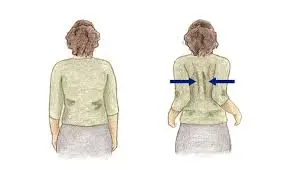
- Position: Standing or sitting
- Squeeze your shoulder blades together.
- Do this three to five times.
Pectoralis Stretch
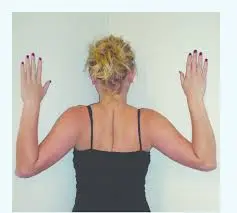
- Position: Sitting or standing
- Place your forearms on the wall. They have their hands fully flexed and their elbows fully stretched.
- Allow your body weight to shift forward a little so that your shoulders and chest feel stretched.
- Release after ten seconds of holding. Do this three times.
Trapezius stretch
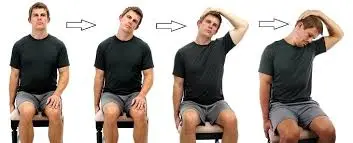
- Position: Sitting
- Holding onto the chair’s edge for support, begin by sitting, and then slowly tilt your head. For enough stretch, you should apply more pressure. Don’t force it.
- Hold this for ten to fifteen seconds.
- Continue on the opposite side.
Levator scapulae stretch
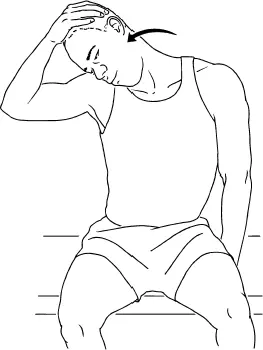
- Position: Sitting
- It is very easy to stretch: you should only move your head or neck 45-50 degrees.
- Bend your neck so that it seems like it’s peering inside a shirt pocket.
- Hold this for 10–15 seconds.
- Repeat on the other side.
Chin tuck
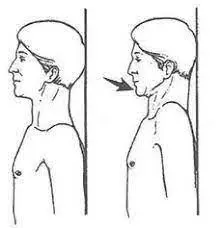
- Position: Sitting
- Maintain a straight sitting posture so that you can move your head and chin easily. Move your head backwards and make proper alignment between your neck and spine.
- Complete the move 20 times.
Cat-Cow Stretch
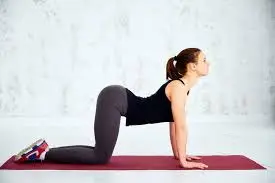
- Position: Quadruped Position
- Start with the quadruped position, keeping your lumbar and cervical spine in the same alignment and your head neutral.
- Move your belly towards the floor. Move your spine towards the ceiling.
- Feel the strain in the muscles of the upper back, deltoid, pectoralis, trapezius, and SCM.
Child Pose

- Position: kneeling position.
- Start with a kneeling position. You should keep your knees together or keep the space between your hips.
- Bring your head to the mat.
- Shoulders should be adducted and relaxed.
Benefits of Neck Exercises
- Reduce Neck Pain: stretching exercises reduce muscle tension (pectoralis stretch, trapezius stretch), stiffness, and pain in the neck.
- Improved Posture: Regular neck exercise increases the strength of neck muscles to provide stability to the head and spine, reducing forward head posture and slouching.
- Increased Flexibility: Stretching exercises (Pectoralis stretch, trapezius stretch) maintain or increase the flexibility of neck muscles and also improve mobility.
- Reduced Headaches: Sometimes, tight neck muscles can result in headaches. Tight neck muscles are loosened by mobility and stretching activities.
- Boost blood flow: Light neck movements stimulate healthier blood flow.
How is neck pain diagnosed?
Depending on the duration, location, related symptoms, and medical history, a correct diagnosis is made. Here are
some common possible diagnoses.
- Medical history: Your doctor will inquire about any prior neck trauma that might have resulted in whiplash or a ruptured disk. The examiner asked about types of pain and also asked about the duration of pain (pain is acute or chronic), area of pain, the intensity of pain (from the pain scale) and onset of pain (gradual or sudden).
- Physical examination: while physically examining, the healthcare professional palpates the spasm and tenderness. After that, he will assess the range of motion and strength of neck muscles. To feel for soreness or indications of tension, they will touch your neck and the muscles that support it.
- Imaging tests: it is suspected that any type of neck injury is present.
- X-rays: X-rays are beneficial for identifying the degeneration condition of the neck and many other such as cervical spondylosis and facet joint syndrome. An X-ray can identify arthritis and reveal problems with neck alignment, fractures, and sliding discs.
- Magnetic resonance imaging (MRI): It can detect the position of disc conditions,s which is related to disc is cervical spondylosis and many other conditions. MRI identifies nerve-related conditions.
- Computed tomography (CT) scan: also identifies the internal injury and bleeding. Also, suspect a bone fracture.
Prevention for Neck Pain
- Preventing Neck Pain: examples include improving posture and ergonomics, and adopting good habits.
- Maintain good Posture: Keep your neck in line with your spine to avoid slouching. If you can, raise the screen to eye level.
- Ergonomics: Make sure your chair supports your entire lower back and that your computer or display is at eye level. Create a desk or study table that suits your comfort level. Keep the table at a height that aligns with your own.
- Mobility exercise: If you are a corporate employee, take breaks every 30-60 minutes to stretch and move around. Do gentle stretching of the neck and do neck movements (Like slow head tilt).
- Sleep: Use a supportive pillow while sleeping.
Home Remedies For Neck Pain
- Hot therapy: You should apply a heating pad to the painful area. A few hours. Your muscles loosen, and blood flow is facilitated by the heat. If you have swelling, then you should not apply a hot pack.
- Cold treatment involves placing a bag of frozen veggies or a cold pack for 15 minutes every few hours, covered in a tiny towel to protect your skin. Your blood vessels constrict in the cold, which lessens swelling and inflammation. As soon as possible after an injury, use cold rather than heat.
- Exercise: To reduce neck discomfort and increase range of motion, do the neck exercises recommended by your healthcare physician. Consider seeing a doctor before exercising if you have a traumatic neck injury or other neck problems.
- Methods for reducing stress: Yoga, meditation, breathing methods, and mindfulness can all assist in releasing physical tension that may be causing your neck pain.
- Practice good posture.
- Gentle neck massage
- Use a special pillow while sleeping.
- Quit smoking: Smoking inhibits healing, increases degenerative disk disease, and destroys bone structure.
Conclusion
A human head typically weighs ten pounds. Your neck has to bear this weight in order to keep your head in line with the rest of your body. Your body may eventually suffer from this job, particularly if you’re putting a lot of tension on your neck. Apply ice cubes twice a day if you have swelling around the neck area. Do regular exercises.
FAQs
How do you fix neck pain?
In addition to using painkillers, the following self-care techniques may help with neck pain:
Switch between hot and cold. Apply cold (such as a compress of ice or a towel-wrapped ice) often throughout the day for up to 15 minutes at a time through the first 48 hours. Workouts at home. It’s critical to maintain neck mobility.
What are the common causes of neck pain?
Causes
strained muscles. Muscle strains are frequently caused by overuse, such as spending too much time bent over a
computer or smartphone.
Neck condition. Conditions like cervical osteoarthritis, cervical stenosis, cervical radiculopathy, cervical facet joint syndrome, Herniated disc, Meningitis, and Myofascial pain syndrome.
Poor Posture habit.
Injury…
At what age does neck pain start?
Most people with neck arthritis start to feel uncomfortable by the time they are forty years old. Cervical spondylosis has a relatively high prevalence. Over 85% of individuals over 60 are impacted.
Which exercise is best for neck pain?
Mobility Exercise: All types of Neck movements.
Pectoralis stretch
Scalene stretch
Shoulder rolls
Shoulder blade squeeze
Isometric neck exercise
References
- Bariya, D. (2025, April 11). 13 Best Exercise for Neck pain – Physical Therapy. Physical Therapy Treatment and Exercise. https://physical-therapy.us/exercise-for-neck-pain/
- Pietrangelo, A. (2023, April 20). Neck pain: symptoms, causes, and how to treat it. Healthline. https://www.healthline.com/health/neck-pain
- Neck stretches for pain relief: How to stretch your neck. (2024, June 30). WebMD. https://www.webmd.com/fitness-exercise/fitness-neck-stretches