
Kukkutasana (Cockerel Pose)
What is Kukkutasana?
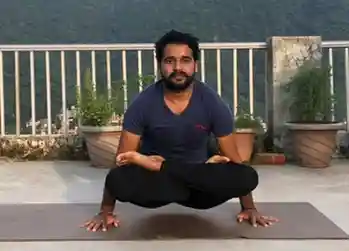
Kukkutasana, also known as Cockerel Pose, is an advanced seated arm-balance yoga posture that requires strong core muscles, flexible hips, and powerful arms. Performed from Padmasana (Lotus Pose), this asana challenges balance and coordination while building upper-body strength and stability.
Combining Padmasana (Lotus Pose) for hip flexibility and Bakasana (Crane Pose) for arm and shoulder strength results in Kukkutasana (Cock Pose). When performed for an extended period of time, this pose strengthens the core at an advanced level. The term comes from the fact that it resembles a cock when elevating the body off the ground.
Meaning:
Kukkut means “cockerel” or “rooster” in Sanskrit for an adult male chicken. Kukkutasana is therefore known as the “rooster pose” or the “cockerel pose.” Some people also spell it Kukudasana.
The body resembles a cockerel in Kukkutasana when the legs are wrapped over the forearms in Padmasana. Here, our hands and palms, which convey our entire body weight to the ground, resemble the shank and toes of a cock, respectively.
The male chicken, or rooster, can also be interpreted as a symbol of virility. Kukkutasana focuses sexual energy, which can then be redirected to enhance the body’s virility.
Muscle Work During Kukkutasana:
- Core Muscles
- Triceps Muscles
- Hand and Wrist Muscles
- Hip Muscles
- Gluteus Muscle
How to Perform?
- Start by doing the Padmasana stance, also known as the Lotus stance, while seated on the yoga mat. Make sure to breathe properly and maintain a straight spine.
- Now move yours forward and place them in the space between your calf muscles and thighs. Place the locations on the ground beneath your body while keeping your fingers open.
- Breathe deeply, then press your palms into the ground to try to raise your body.
- Keep your body balanced so that both palms support your entire weight.
- Maintain your breathing while holding this stance.
- Lower your body gradually and extend your legs forward to get back to the starting position. Breathe deeply and relax.
- Do the stance again. For optimal effects, it is recommended that you hold the Kukkutasana stance for at least five minutes.
Benefits:
- This pose strengthens the wrist, shoulder, ankle, and knee joints by applying tremendous pressure to them. Regular kukkutasana practice, however, encourages smooth blood flow, which also tones and strengthens the problematic muscles.
- Kukkutasana’s padmasana stretches the lower back, upper thigh, and hip muscles, increasing their range of motion. As a result, consistent practice increases flexibility.
- Abdomen Stimulation: Digestion can be improved by stimulating the digestive organs through compression and activation of the abdominal region.
- Joint Stability: The pose’s strain on the joints promotes resilience and stability in these regions.
- Basis for Arm Balances: Gaining proficiency in Kukkutasana can provide a solid basis for more difficult arm balancing postures.
Beginner’s Advice:
- When your body is off the ground in Kukkutasana, focus your sight on a point or object to find balance.
- Apply oil to your inner thighs and forearms if you have trouble putting your hands between your legs.
- Engage your Mula bandha, or pull your anus upward, as you raise your hips above the floor.
- Avoid leaning forward with your back because doing so will cause you to lose your balance and tumble forward.
Preparatory Pose:
- Padmasana (Lotus Pose)
- Mula Bandha (Root Lock)
- Tulasana (Scale Pose)
Props and Modifications:
Use the supports listed below to adjust the stance to lessen the difficulty of Kukkutasana.
- Put a bolster in front of you to keep yourself upright if you’re worried about losing your balance when off the ground. If not, you could be more vulnerable to Kukkutasana injuries.
Variations:
Garbha Pindasana:
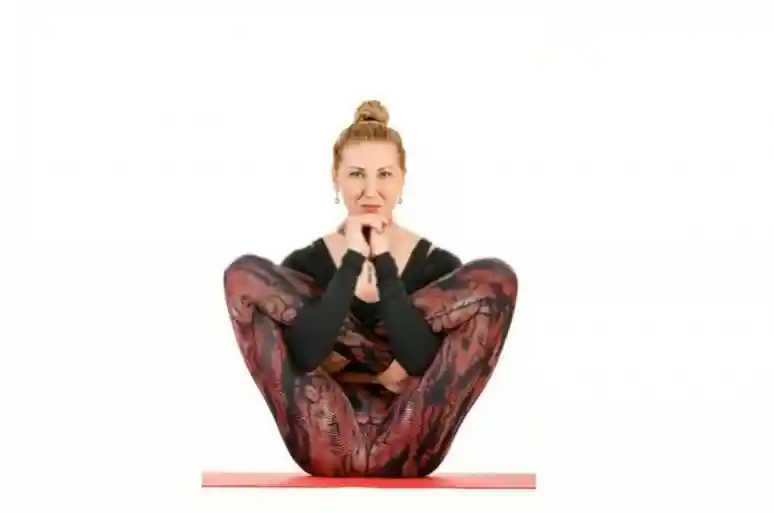
This rolling variant, often called the “Embryo in Womb Pose,” places your body weight on your hips. In contrast, your palms are tucked beneath your chin and joined together.
Urdhva Kukkutasana:
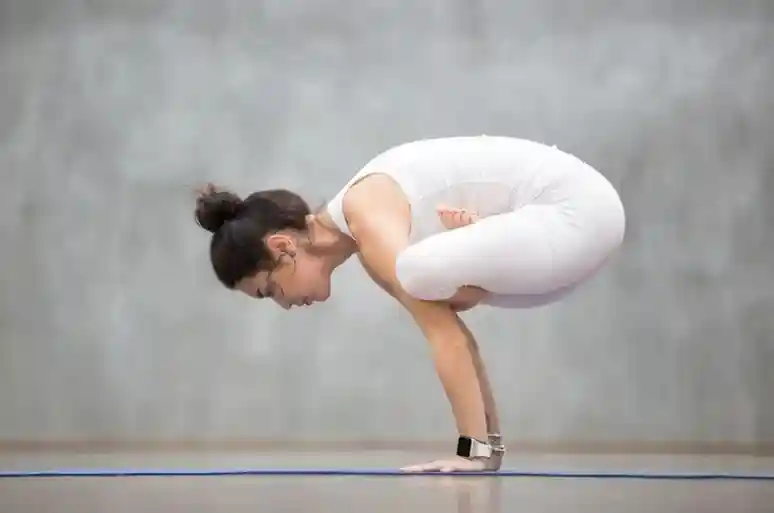
Urdhva Kukkutasana, also called the Upward Rooster Pose, is performed to increase strength and stability. The sole distinction between Urdhva Kukkutasana and Kukkutasana is that the hands are placed on the sides of the thighs to raise the body instead of between the thighs and calves.
Parsva Kukkutasana:

Another advanced pose is this one. You must hold your legs in Padmasana with just one elbow during this pose. For this reason, it is called Side Cockerel or Parsva Kukkutasana.
Precautions and Contraindications:
- The pose can cause muscle tension, so avoid holding it for extended periods of time. Recognise and honour the limitations of your body.
- Due to the potential for injury, this pose should not be taught in beginner yoga courses. If you have never done anything before, always do it under the guidance of an expert.
- When doing this pose, be cautious to maintain an erect spine.
- Avoid consuming large meals before performing the Kukkutasana yoga pose.
- Kukkutasana should not be performed by people who have sciatica or any other type of lower back pain.
- This yoga should also be avoided by those with osteoporosis, hernias, prolapse, stomach ulcers, high blood pressure, and knee problems.
- Kukkutasana should not be performed by pregnant ladies.
Conclusion:
Your body will be stronger and healthier for years to come if you do yoga. It also has a favourable effect on your emotional well-being. Kukkutasana and other yoga poses are particularly helpful since they provide you with remarkable strength and stability. We’re confident that if you can master this stance, you’ll feel stronger and more confident.
FAQs
Who should avoid kukkutasana?
This should be strictly avoided by those who have weak wrists or any form of wrist injury. This can cause serious harm because it pays to concentrate on your hands. You might feel a little stressed out doing this if you have a lot of body hair. To make the asana easier to perform, you can apply some water to your legs.
What are the benefits of the Cockerel pose?
Strongly awakens the forces of both prana and apana to balance dissolution and creativity in the mind, laying the groundwork for an open and receptive state of consciousness; develops the coiling motion of the spine; and strengthens the flexors of your arms, shoulders, hips, and abdomen.
What is the English name for Kukkutasana?
In hatha and modern yoga, Kukkutasana, also known as Cockerel Pose or Rooster Posture, is an arm-balancing pose that evolved from the lotus position of sitting Padmasana. One of the earliest non-seated poses is this one.
Is Udharva Kukkutasana Pose different from Kukkutasana?
Although they are variations of one another, they do differ in how they hold their positions. An improved or developed form of kukkutasana is called Udharva Kukkutasana.
What are the limitations of the Cockerel Pose?
This should be strictly avoided by those who have weak wrists or any form of wrist injury. This can cause serious harm because it pays to concentrate on your hands. You might feel a little stressed out doing this if you have a lot of body hair. To make the asana easier to perform, you can apply some water to your legs.
References:
- Kukkutasana (Cockerel Pose): Steps, Benefits & Precautions – Fitsri Yoga. https://www.fitsri.com/poses/kukkutasana
- Cockerel Pose Yoga Pose (Kukkutasana). Tummee. https://www.tummee.com/yoga-poses/Kukkutasana.
- Fit, C. (2022a, May 20). How To Do Kukkutasana – Cockerel Pose: Benefits, Steps & Precautions. blog.cult.fit. https://blog.cult.fit/articles/how-to-do-kukkutasana-cockerel-pose-benefits-steps-precautions
- Pranava Ayurveda. (2022, August 10). Kukkutasana – Pranava Ayurveda. Pranava Ayurveda. https://pranavaayurveda.co.uk/ayurveda/yoga/kukkutasana/#:~:text=People%20with%20weak%20wrists%20or,easier%20to%20do%20the%20asana.