
Top 7 Exercises for Relief of a Disc Bulge
A Safe and Effective Guide to Back Pain Relief
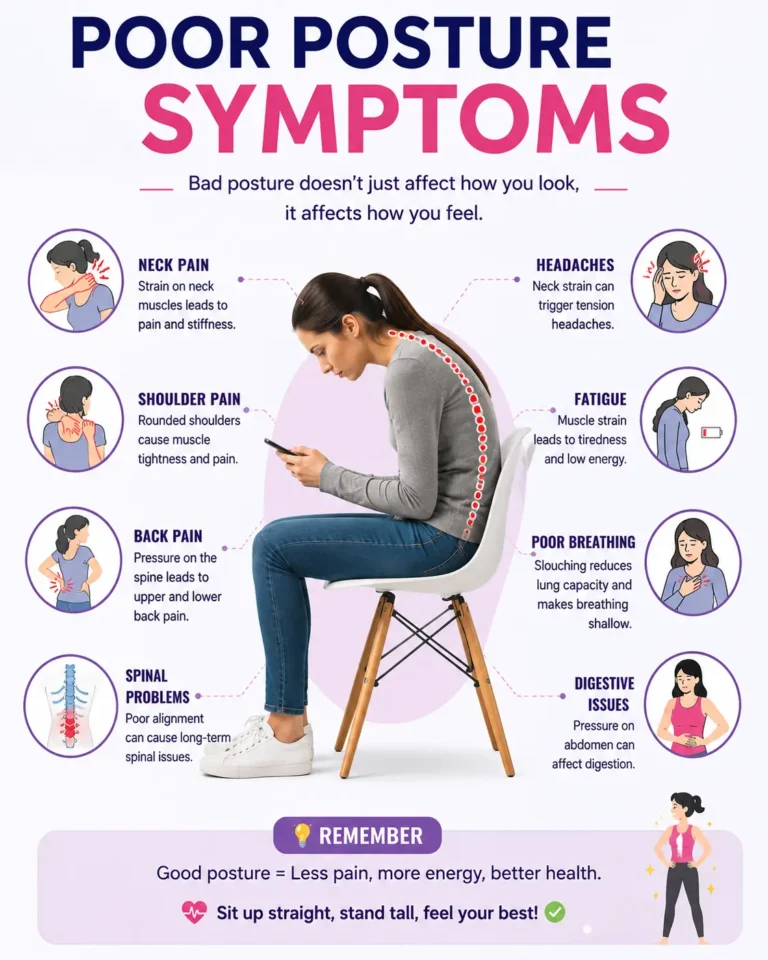
A disc bulge, also referred to as a herniated or slipped disc, occurs when the inner, gel-like center of the spinal disc protrudes through the outer protective disc cover. Most often, the condition generates pressure along the spinal nerves, which produce back pain, sciatica (leg pain), numbness, or muscle weakness.
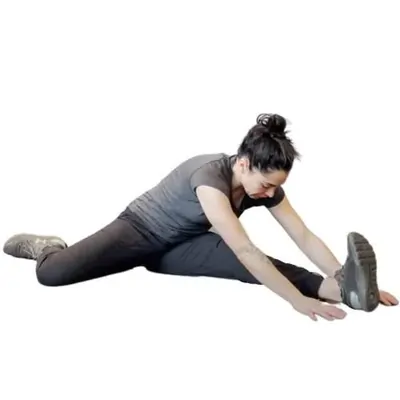
Fortunately, some physiotherapy exercise movements are effective in decreasing pressure off the pinched nerves, reducing inflammation, as well as strengthening the base muscles.
Top 7 Exercises to Relieve a Disc Bulge Video
Top 7 Exercises for Relief of a Disc Bulge
The following are the Top 7 Exercises proven to help reduce pain related to a disc bulge:
1. Cobra Pose (Prone Press-Ups)
Target: Lumbar extension and disc decompression
How to Do It:
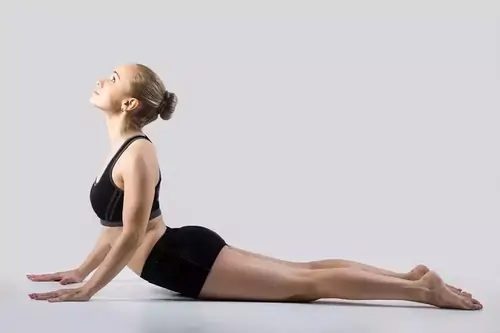
- Lie down on your stomach (Supine Position).
- While keeping your hips in contact with the floor, slowly raise your upper body off it.
- Stretch your back as far as comfortable.
- Hold for 5-10 seconds.
- Return to the starting position.
- Do 8–10 times
Advantages
- Encourages extension of the spine and shifts the bulging disc back in.
- Reduces tension on spinal nerves.
2. Superman Pose
Target: Strengthens lower back, glutes, core muscles
How to Do It:

- Lie on your stomach.
- Keep your arms stretched forward.
- While lift your arms, chest, and legs off from the mat.
- Hold for 5–10 seconds.
- Slowly lower down and repeat 10–12 times.
Advantages
- Builds stamina for back muscles.
- Supports the back and improves the posture.
3. Knee-to-Chest Stretch
Target: Stretches lower back and glutes
How to Do It:
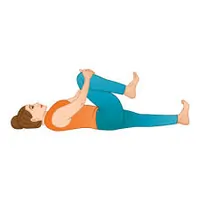
- Lie back on your back while keep your knees bent.
- Draw one knee up towards your chest, with your hands supporting it.
- Hold for 20–30 seconds, then switch legs.
- Do 2–3 repetitions for each leg.
Advantages
- Relaxes lower back tension.
- Stretching the lumbar spine and gluteals softly.
4. Straight Leg Raises (SLR)
Target: Develops quadriceps without stressing the spine
How to Do It:

- Lie down facing upwards with a knee bent and the other straight.
- Slowly elevate the upright leg to the level of the flexed knee.
- Hold for a few seconds.
- Then lower it slowly.
- Perform 10–15 reps per side.
Advantages
- Provides greater lower spine stability.
- Helps stabilize the spine during movement.
5. Bridging
Target: Glutes, core, and lower back muscles
How to Do It:

- Lie down with knees bent and feet as parallel as possible to the floor.
- Squeeze your abdominal muscles and raise your hips so that your knees and shoulders form a straight vertical line.
- Hold for 5–10 seconds.
- Then lower down.
- Repeat 10–12 times
Pros:
- Helps to build strength of posterior chain.
- Reduces spine load and enhances pelvic control.
6. Bird Dog Exercise
Target: Balance and core stability core
How to Do It:

- Begin on all fours (quadruped).
- Stretch your right arm forward while at the same time lify your left leg back.
- Hold for 5 seconds, then switch back and change sides.
- Do 10–12 reps per side.
Advantages
- Activates deep core muscles.
- Encourages spinal balance and alignment.
7. Cat-Cow Stretch
Target: Spinal mobility and relaxation
How to Do It:

- Begin in an all-fours position.
- Inhale and tilt your back (Cow Pose) upward, raising your tailbone and your head.
- Breathe out and round your back (Cat Pose) and tuck your pelvis and chin.
- Repeating for 10–15 soft repetitions.
Pros
- Make the spine more flexible.
- Relieves tension and improves circulation.
Important Things to Note Before You Start:
- Always perform your exercises slowly and intentionally.
- Avoid doing anything which increases your pain or causes numb/tingle.
- See a physiotherapist if you are unsure about your technique or condition.
- Pair exercise with proper posture, hydration, and rest for the best recoveries.
Conclusion:
These 7 exercises, practiced regularly and correctly, can help relieve symptoms of disc bulge, recover spinal movement, and build major muscle groups that stabilize your back. Incorporate them into your daily routine and you’ll have relief and take back control of your back health.