Home Exercise To Reduce Chest Fat
Introduction
You can reduce the weight in your chest area by combining a healthy diet and physical activity. Additionally, a physician can offer you specific advice on practical solutions.
It can be difficult to target chest fat. However, stubborn fat deposits on your chest can be eliminated with focused exercise, a nutrition plan, and a little effort.
How to get rid of chest fat
Understanding how fat reduction works in general is the first step to losing excess chest fat. Without losing fat from the rest of your body, it is impossible to target chest fat.
You must expend 3,500 calories through exercise or dietary restriction to lose 1 pound of fat.
Since most people consume between 1,800 and 3,000 calories per day, the goal should be to run at a small daily calorie deficit.
Theoretically, you could lose one pound every week at a daily calorie deficit of 500. You could throw ten pounds in ten weeks if you continued. Instead of employing crash diets, those who are most successful at losing weight and maintaining it do so gradually and consistently.
How to create a caloric deficiency
One practical method of creating a calorie deficit is to consume less fat and carbohydrates. Another is combining high-intensity aerobic with weight training.
You can begin calculating your average daily calorie intake by utilising an app or a notepad to track your caloric intake. You may track the number of calories in a variety of foods by using an app or website.
Your daily caloric intake can be calculated by adding up the calories and dividing by the number of days you recorded, once you have statistics covering three days of your usual diet. Equipped with this knowledge, you can determine how restricted your diet must be in order to lose weight.
You can burn 400 calories or more in an hour of high-intensity aerobic and weight training at the gym. You are nearly one-third of the way to throwing one pound if you cut your daily calorie consumption by 600 calories.
Understanding Chest Fat in Men
- Many things can lead to chest fat, such as:
- Excess body fat: Fat can build up in the chest area when you gain weight.
- Hormonal imbalances: Chest fat storage may be caused by low testosterone or high estrogen levels.
- Genetics: Some guys have a tendency to store fat in their chests.
Lifestyle factors: Unhealthy behaviours like drinking or smoking, poor nutrition, and inactivity can make the problem worse.
It’s critical to separate gynecomastia, a disorder marked by increased breast tissue as a result of hormonal imbalances, from chest obesity brought on by extra body fat. For an accurate diagnosis and course of therapy, seek medical advice if you suspect gynecomastia.
Why Reducing Chest Fat is Important
- Reducing pectoral fat improves your general health in addition to your attractiveness. Overweight chest fat can:
- Raising the risk of health problems: It is frequently associated with obesity, which increases the risk of diabetes, heart disease, and other disorders.
- Affect comfort and posture: Having excess weight in the chest region can cause pain and bad posture.
- Impact on self-confidence: Many men experience self-consciousness over their appearance, which can hurt their mental health.
- You can enhance your physical well-being, boost your self-esteem, and feel more at ease in your own skin by treating breast fat.
Can You Lose Chest Fat in Ten Days?
Even though it’s difficult to lose a considerable amount of fat in ten days, if you take a disciplined approach, you can see results. To seem more toned, it’s important to concentrate on losing fat overall while building muscle in the chest. What you can accomplish in ten days is as follows:
Minimise water retention: You can lose extra water weight by eating a balanced diet and drinking enough water.
Start the fat reduction process: You can start burning fat by increasing your physical activity and creating a calorie deficit.
Boost muscular tone: Specific exercises can help define your chest muscles, giving the impression that they are firmer.
Keep in mind that consistency is essential. Even though ten days is a small period of time, the habits you form during this time can provide the groundwork for long-term success.
Nutrition and Diet
A healthy lifestyle is built on a balanced diet and good nutrition, which supply vital nutrients to power your body, strengthen your immune system, and enhance general well-being.
1. Follow a Calorie-Deficit Diet
- You must burn more calories than you take in if you want to lose fat. To develop a calorie deficit, follow these steps:
- Determine how many calories you need each day: To find out how many calories you need to maintain your present weight, use an online calculator.
- Lower your intake: To provide roughly 0.5–1 kg (1-2 lbs) per week, try to consume 500–700 fewer calories per day.
- Emphasise nutrient-dense foods: Select entire, unprocessed foods such as whole grains, fruits, vegetables, and lean meats.
2. Focus on Protein-Rich Foods
Protein is necessary for maintaining muscle mass and losing fat. A high-protein diet has the following advantages:
Enhanced satiety: Protein prolongs feelings of fullness, which lessens the temptation to indulge in harmful snacks.
Better metabolism: When you consume protein, your body burns more calories than when you absorb fats or carbohydrates.
Top sources of protein:
- Chicken breast
- Fish (salmon, tuna, etc.)
- Eggs
- Tofu and legumes
- Greek yoghurt
3. Reduce Sugar and Processed Foods
- Sugar-filled snacks and processed foods cause fat to be stored, especially in the chest. Here’s how to choose healthier options:
- Stay away from sugar-filled liquids by swapping water, herbal teas, or black coffee for sodas and energy drinks.
- Select whole foods: Rather than packaged snacks, choose fresh fruits, veggies, and nuts.
- Examine labels to look for bad fats and hidden sugars in processed meals.
4. Maintain Hydration
- Water consumption is essential for weight loss. Maintaining hydration has several advantages.
- Increased metabolism: Drinking water makes it easier for your body to burn fat.
- Decreased water retention: You can lose extra water weight by staying properly hydrated.
- Better digestion: Water helps with digestion and keeps you from bloating.
- Advice on how to stay hydrated:
- Carry a bottle of water with you at all times.
- Before every meal, have a glass of water.
- For flavour, add slices of cucumber or lemon.
Weight-burning exercises for the Chest
These exercises can tone and firm the area of your chest, but they aren’t going to reduce chest fat on their own.
Pushups

The traditional pushup is a fantastic method to begin working your upper body and chest.
With your feet shoulder-width apart and your arms extended below the remainder of your body, begin in the plank position.
As you approach the floor, slowly bring your arms as close to your body as you can.
To return your body to its initial posture, press upward. Every time you perform this exercise, attempt to increase the number of pushups you perform in each set and repeat as many times as you can.
Bench press

To ensure that you don’t drop the bar and hurt yourself, start bench pressing with a smaller weight and have someone watch you.
To begin, place the bar at eye level above you while lying flat on the bench. Take hold of the bar at shoulder width. Before attempting to lift the bar, arch your back and pull your shoulder blades together.
Gently remove the bar from the rack. Breathe deeply before lowering the bar to your chest while maintaining a 45-degree angle with your elbows.
Lift the bar back up slowly after it comes into contact with your body.
Cable cross
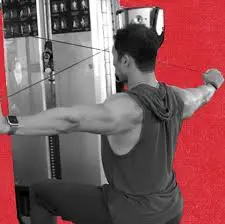
The cable-cross workout helps tone the muscles below your arms and around your chest.
Place the pulleys over your head to begin. Start with a modest weight resistance and try to complete as many repetitions as you can.
Draw both pulleys slowly in your direction while standing with your back to the machine and your hips square. Bring them all the way forward until your arms form an X, if you can. As you become more comfortable, progressively increase the weight as you repeat as many times as you can.
Dumbbell pull-over

On a gym bench, perform this exercise while lying flat. Hold a dumbbell straight over your chest at arm’s length, with one side of the weight facing you. To prevent the weight from dropping on top of you, it is suggested to grip it by the other side of the weight with your thumbs wrapped around the bar.
The dumbbell should be slowly lowered back over your head and toward the floor. When lowering the dumbbell, try to keep your arms straight.
Use a low-weight dumbbell when you first try this exercise so you can feel what you’re doing. To ensure that the dumbbell is being held correctly and securely, it is ideal to have someone watch you perform this exercise.
Wall push-ups

A wall push-up is for you if you’re still unable to perform this modified push-up due to space constraints or physical limitations.
They are less difficult, yet they work the same muscles as a push-up. Position yourself two feet away from a wall.
Press your palms flat on the wall. Push your arms slowly into the wall until your face almost brushes it.
Repeat
Do this workout 10 times for 3 sets to get the best results.
Side raises with dumbbells

When paired with the front version of this exercise, several people claim that their posture a typical issue for those with large breasts improves.
- Bend your knees slightly and put your feet together.
- Put your arms by your thighs while holding dumbbells in each hand.
- Raise your arms to shoulder height.
- Return your arms to their initial posture after a brief pause.
- Start over
- Do this exercise 12 times for three sets to see results.
Cardio
Frequent aerobic activity will help your body burn fat and calories. Among the cardio options for weight loss are:
Stair-stepper
Try to put in 20 to 40 minutes of cardio each day, at least four times a week, for optimal benefits.
FAQs
Can I lose chest fat in 10 days?
A mix of focused exercise, a nutritious diet, and lifestyle modifications can help you successfully reduce chest fat, even though spot reduction—losing fat from a particular area—is not totally achievable.
Is 2 chest days enough?
Your body doesn’t have enough time to fix and create new tissue if you train your chest every day. Compared to training two or three times a week, you will become weaker, have a higher chance of injury, and experience inferior outcomes. What happens if I can only work out my chest once a week? If you do enough volume in that session, once a week can work.
How do I lose chest fat at home?
You cannot “spot reduce” fat. You have to lose fat overall. To lose fat, you have to be in a consistent caloric deficit. Follow this nutrition plan and pair it with exercises you can do at home that work your pectoral muscles, which will help your chest look more toned and firm as the fat disappears.
1. Tune-Up Your Nutrition
You shed pounds in the kitchen. If you want to lose body fat, you need to eat fewer calories than your body burns.
Monitor your intake: Use the Calorie Counter to help you calculate a sustainable deficit.
Eat more protein. lean protein sources (like chicken, fish, eggs, tofu, or lentils) to maintain your muscle mass as you burn fat.
2. Home Chest Workout (No Equipment Needed)
These exercises will burn calories and build the pectoral muscle, es but they will not specifically burn the fat directly above the muscle.
Standard Push-Ups: Good for working the chest, shoulders and triceps.
Decline Push-Ups: Work the upper chest by placing your feet up on a chair or sofa and your hands on the floor.
Dumbbell Flys or Bench Presses. Perform these on the floor or an exercise bench with adjustable dumbbells to isolate and define the chest muscles.
3. Burn More Calories Through Cardio
Do some vigorous cardio to make fat loss happen faster.
Options for home include High-Intensity Interval Training (HIIT) circuits, jumping rope and jogging in place.
4. Lifestyle-related factors
Sleep: Aim for 7 to 9 hours of quality sleep nightly to regulate hormones that affect weight.
Stress management: Incorporate stress-reduction techniques like yoga or meditation because high cortisol levels can cause resistant buildup of belly and chest fat.
Why is chest fat hard to lose?
The chest is a common trouble spot for men, and it’s difficult to lose fat there because you can’t “spot reduce” fat.
Why chest fat is stubborn and how to deal with it:
1. The Spot Reduction Myth
Total Body Fat Loss: Push-ups alone don’t burn fat from just your chest. To get rid of chest fat, you must be in a consistent, overall caloric deficit to decrease total body fat.
2. Hormone Imbalances
Testosterone and Estrogen – Low levels of testosterone or high levels of estrogen can contribute to fat deposition in men’s chests.
Cortisol: Chronic stress increases cortisol,ol which causes increased fat storage around the chest and stomach.
3. Glandular Tissue (Gynecomastia)
If it feels firm behind the nipple, not just soft/fatty, it might be gynecomastia – actual glandular tissue developing, often due to hormonal changes at puberty or aging. This kind of fat usually doesn’t disappear on its own with diet and exercise.
4. Lifestyle Issues
Poor Sleep: Sleep deprivation disrupts hormones that control fat storage.
Alcohol/Smoking: Both can lead to hormonal imbalances and greater fat storage.
How to Reduce Chest Fat Effectively?
Diet Focus: Maintain a sustained, consistent calorie deficit
Compound Exercises: Bench presses, dips and chest flies to build muscle under the fat, and improve the shape.
High-Intensity Interval Training (HIIT): This is very effective for overall fat burning.
Be Patient: Changes visible often take 8-12 weeks of consistent effort.
If the fat doesn’t respond to exercise or is painful or feels like a hard lump, see a doctor, as it could be glandular tissue requiring medical treatment.
What causes chest fat?
The major reasons for chest fat are a high overall body fat percentage, a calorie surplus or hormonal imbalances. In men, persistent feelings of chest fullness can also be caused by gynecomastia, or an increase of actual glandular breast tissue rather than fat, driven by changes in testosterone and estrogen.
Knowing the exact cause of it helps to know how to deal with it:
1. General Body Weight (Pseudogynecomastia)
What it is: Accumulation of pure adipose (fat) tissue in the chest, as it does in other parts of the body.
The Cause: Eating more calories than you burn, resulting in weight gain across the board.
The Solution: A caloric deficit ( eating fewer calories than you burn ), and cardiovascular and strength training exercises to reduce overall body fat.
2. Gynecomastia (Impaired Hormonal Balance)
What it is: The growth of solid, sometimes tender, glandular tissue beneath the nipple, not soft fat.
The Cause: Lowered testosterone or elevated estrogen. This is common in puberty, ageing (over 50) or in conditions like liver/kidney failure and thyroid disorders.
The Solution: This tissue is very resistant to diet and exercise. Management includes addressing the underlying cause, for example, changing medications (e.g. certain steroids or antidepressants), or surgical intervention in persistent cases.
3. Heredity
What it is: Your DNA determines how your body stores fat.
The Cause: Some people are genetically predisposed to store a higher percentage of fat in the pectoral area than in the abdominal or limb areas.
Is chest fat permanent?
But it can be difficult to entirely lose chest fat because it can be obstinate. Additionally, your chest fat will probably return if you start living a more sedentary lifestyle. As a result, many men think of a more definitive and long-lasting surgical option.
Why is my upper chest so fat?
However, extra body fat in the chest region is the main cause of chest fat. Unlike gynecomastia, which is characterised by the presence of glandular tissue, it is merely an indication of being overweight or obese.
How to reduce only chest fat?
Push-ups: This workout works the triceps, shoulders, and chest. Because you can perform it anywhere, it’s one of the easiest ways to lose chest fat. Bench Press: Using dumbbells or barbells increases muscular mass and strength in the upper body, which helps you burn more calories even while you’re at rest.
What is the hardest age to lose weight?
After 45, changes in metabolism, hormone levels, and muscle mass make weight loss more challenging. Hormonal changes can cause weight gain, particularly in the abdomen, and our body’s capacity to burn calories goes down with age.
What is the 3-3-3 rule for fat loss?
The “3-3-3 rule” is a habit-based system that encourages a steady metabolism, appetite regulation, and daily activity — rather than calorie counting — to achieve sustainable weight loss.
It rests on three simple, actionable pillars:
3 Good meals per day: Eat three nutrient-dense meals a day evenly spaced, without snacking needlessly. Ideally, each plate should contain a lean protein and complex carbs (or whole grains) and healthy fats to stabilise blood sugar and control hunger.
3 litres of water before 3 PM: Stay hydrated all day. Drink around 3 litres (or three big bottles) of water before 3 PM. It speeds up metabolism, helps digestion, and prevents you from mistaking thirst for hunger.
3 Hours of Physical Activity per Week: Strive for three hours of physical activity per week. That works out to about 30 minutes of movement a day, which could be a brisk walk, bike ride, or some light strength work to help burn calories and maintain muscle.
Viral Variations to Try:
If you like it in smaller parts, a lot of online wellness guides tout the “3×3 by 11 am” method. This alternative method involves you doing 3 specific tasks before 12:00 PM:
Take 3,000 steps.
Divide your total daily water consumption by 3.
Eat 30 grams of protein.
Does walking reduce chest fat?
Although it cannot “target” fat in the chest region directly, walking can assist in reducing chest fat by increasing overall weight loss. Fat loss is not localised and is systemic throughout the entire body.
Why Walking is Good for Fat Loss
Calorie Deficit: Walking burns calories,s and a calorie deficit is required for weight loss.
Sustainable Pace: It’s a lower intensity exercise,se so walking is easier to maintain consistently and less likely to spike hunger than intense running.
Incline Walking: Walking at an incline (like on a treadmill or hilly terrain) will force you to use more of your leg and core muscles, thus increasing your caloric burn and cardiovascular endurance.
References
- 10 simple Breast Reduction exercises for at home | Pall Mall. (2023, December 7). Pall Mall. https://www.pallmallmedical.co.uk/blogs/10-simple-breast-reduction-exercises-for-at-home/
- Dineshbhai, D. M. (n.d.). How to reduce chest fat in 10 days for males? https://www.apollo247.com/health-topics/general-medical-consultation/reducing-chest-fat-in-10-days-for-male
- Name, A., & Name, A. (2026, February 19). How to Lose Chest Fat: Evidence-Based Tips. InBody USA. https://inbodyusa.com/blogs/inbodyblog/how-to-lose-chest-fat/
- Times, H. (2023, February 20). 5 exercises to reduce chest fat. https://www.hindustantimes.com/web-stories/5-exercises-to-reduce-chest-fat-_NOhBER8G9b21B5rwC0n
- Watson, K. (2023, October 17). How Can I Lose Weight from My Chest? Healthline. https://www.healthline.com/health/how-to-lose-chest-fat
- Websmirno.Site. (n.d.). Exercise for Gynecomastia | Best Workouts to Reduce Chest Fat. https://www.drdateclinic.com/blogs/exercise-for-gynecomastia.html