
Mandukasana (Frog Pose)
What is Mandukasana?
Mandukasana, or Frog Pose, is a deep hip-opening posture that stretches the inner thighs, groin, and hips while helping to release pelvic tension. It promotes flexibility, improves circulation in the lower body, and supports overall mobility when practiced mindfully.
The frog posture is an excellent addition to your yoga practice after a warm-up that includes multiple rounds of sun salutations and lunges or lunge variations that begin to open your hips and prepare for the deeper stretch of the frog pose.
It’s particularly beneficial if you want to increase your flexibility while having the chance to practise deep, calm, mindful breathing because it takes some time to settle into. Frog posture will promote flexibility and flexibility in the hip and groin region, which frequently gets tense from repetitive motion, for athletes or those who run, cycle, or execute fast agility routines.
Meaning:
The Sanskrit word mandukasana can be understood as follows: “manduka” means “frog,” and “asana” means “pose.” This asana’s name comes from the way its legs are positioned, which makes it resemble a frog. Bhekasana is another yoga pose that resembles a frog.
Engaging in this pose draws energy inside. In order to sustain an intensive self-state, it enables the practitioner to transform energy dissipation into the transfer of energy from the outside world to the inside.
Muscle Work During Mandukasana:
- Lower Back Muscles
- Gluteus Muscle
- Hip Muscles
- Knee Muscles
How to Perform?
- On your mat, enter Vajrasana. Your toes are in contact with one another behind your torso.
- Put your hand in front of your abdomen now. Use your hands to perform Adi Mudra.
- Breathe in and out completely while placing your hands on either side of your navel in Adi Mudra. Draw the navel inside from here.
- Now, slowly bend forward while gently pressing the abdomen with your fist.
- When bending, look forward or up at the ceiling to maintain a straight back.
- Hold the pose in this last Mandukasana position.
- Release the pressure you were putting on your abdomen and slowly straighten your body while taking a breath to release Mandukasana. In Vajrasana, sit comfortably with your hands by your hips.
Benefits:
- Applying pressure to the abdomen stimulates and massages the abdominal organs, restoring health and easing troubling issues.
- Patients with diabetes benefit from Madukasana because it presses the pancreas gland, which increases insulin secretion.
- Bending forward and lowering the head causes blood to flow to the brain, calming its tissues. This relieves tension and calms the mind.
- Mandukasana increases metabolism, which burns excess fat from the waist and belly.
- The upper torso is stretched in the second form of mandukasana, which further supports pulmonary functioning. Additionally, it increases shoulder flexibility and flexibility.
- It strengthens and extends the knees, ankles, lower back, and hips. Additionally, it increases blood flow, which guarantees their growth.
- This asana’s initial variation expands the range of pelvic movements and opens the hip joint. Additionally, it strengthens the forearms and stretches the spine.
Beginner’s Advice:
- For beginners, make sure your chest touches your thigh when you bend forward.
- If you are not familiar with breath retention, stay away from it. Breathe shallowly or come back when your oxygen supply runs out.
Preparatory Poses:
- Child Pose (Balasana)
- Thunderbolt Pose (Vajrasana)
- Bound Angle Pose (Baddha Konasana)
Variations:
Adho Mukha Mandukasana:
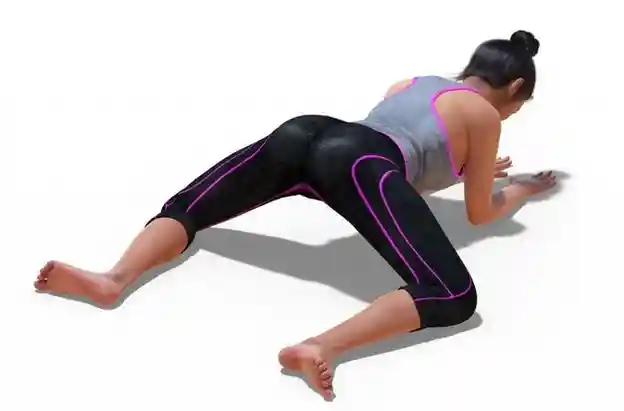
The most popular pose for releasing tense hip muscles is this form of Mandukasana. This is known as Adho Mukha Mandukasana, or downward-facing frog position, since the head descends below chest level.
- After sitting in Vajrasana, assume the tabletop position.
- Now slide through your shin and knees, spreading your knees as wide as is comfortable.
- Place your palms firmly on the floor or interlock your fingers to form a fist hammer while resting your elbow and forearms on the ground.
- Lift your tailbone, extend your lower back, and feel your thighs and hips stretch deeply. You will be able to fully reach the position as a result.
- Hold the pose for a few breaths or as long as it seems comfortable for you.
- Next, lower your hips and the rest of your body to lie flat on the floor and unwind while moving your hands or arms forward.
Uttana Mandukasana:
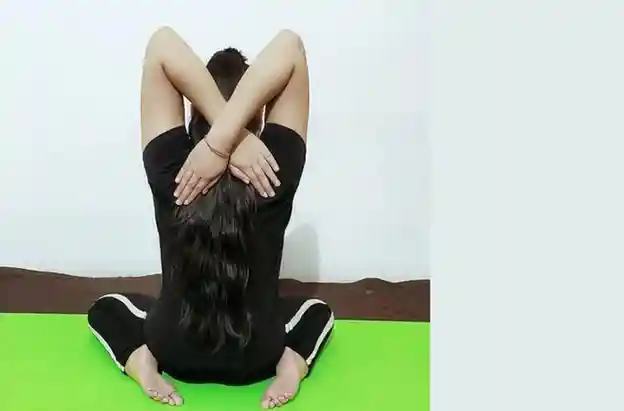
Unlike the standard Mandukasana stance, this version maintains a straight and upward trunk position. The hands then retracted and crossed at the wrists. Uttana Mandukasana is its name.
- Spread your knees apart and allow your big toes to touch behind your buttocks after starting with Vajrasana.
- Enter the Jalandhar bandha, locking your chin to your chest. For this pose, one can choose between Bhrumadhya Drishti and Urdhva (to gaze upward or ceiling side).
- Lift both of your arms, cross them behind your shoulders, and touch the upward position of your shoulder blades.
Precautions and Contraindications:
- This asana should not be performed by practitioners who have recently had abdominal surgery, duodenal ulcers, or peptic disorders.
- This pose should be avoided if you have a lower back or spinal injury.
- Before beginning yoga, pregnant women may seek advice from a licensed instructor or physician.
- Mandukasana should be postponed until after recuperation if you have diarrhoea, stomach pain, or conditions relating to your knees or ankles.
Common Mistakes:
Maintaining awareness and using your muscles to promote safe alignment is crucial, even if you’re focused on relaxing certain body regions. Make sure you gradually ease yourself out of the pose and avoid forcing yourself into any position.
Instead of rounding or sagging your back, try to lengthen your spine and activate your core. Adjust your body or utilise supports to support a comfortable position if it feels too intense or uncomfortable.
You can always select another hip-opening stance and perhaps return to the Frog stance at a later time if it doesn’t work for you.
Conclusion:
Mandukasana, also known as Frog Pose, is a deep hip-opening pose with a number of potential psychological and physical advantages.
Practicing the posture safely is crucial. Keep in mind that your flexibility may vary every day as you gently ease yourself into and out of the pose. If other hip-opening postures are more appropriate for your body, you can adjust Frog Pose to make it less intense.
Try to breathe and find some mindfulness while you hold Frog Pose, regardless of how you practise it. You will be able to benefit from all that this hip opener has to offer if you do this.
FAQs
What is the Frog Pose good for?
The frog position is one of the many yoga poses that have particular health advantages. This yoga pose works the muscles in the thighs, hips, and groin. It strengthens the pelvic floor, eases back discomfort, encourages relaxation, and enhances the treatment of chronic illnesses when incorporated into regular yoga practice.
What are the mistakes for Frog Pose?
Forcing the knees too wide, too fast, is another error. This may strain the knees and overstretch the inner thighs. Rather, start the stretch slowly and, if necessary, keep your knees closer together initially. While in the stance, some people also stiffen up and hold their breath.
Can I do a Frog Pose every day?
Lower back pain and stiffness may be exacerbated by a tight groin. By releasing tension in the lower back and pelvis, the frog stretch can help reduce some of this pain daily.
What are the benefits of Mandukasana Frog Pose?
Mandukasana, also known as “Frog Pose,” has been reported to improve hip flexibility, strengthen core muscles, promote digestion, ease lower back pain, improve reproductive health, and lessen stress.
Which disease is treated by Mandukasana?
It causes the pancreas to become active, which increases the body’s production of insulin. As a result, it helps treat diabetes.
Who should avoid Mandukasana?
Avoid performing this pose if you have ailments in your knees, hips, back, or groin. If you experience any pain or discomfort while doing Mandukasana, stop right away and relax. This yoga pose is not recommended for pregnant women.
Is Mandukasana good for the liver?
Mandukasana is a straightforward but effective pose that promotes detoxification, improves digestion, and stimulates the liver. A daily routine for a revitalised, healthier self!
References:
- Lindberg, S. (2023a, April 21). How to do the frog pose (Mandukasana) in yoga. Verywell Fit. https://www.verywellfit.com/how-to-do-a-frog-pose-4690004
- Mandukasana (Frog Pose): How to Do(Steps), Benefits, & Precautions – Fitsri Yoga. https://www.fitsri.com/poses/mandukasana
- Cronkleton, E. (2024b, September 9). 4 Benefits of frog pose (Mandukasana). Healthline. https://www.healthline.com/health/fitness/frog-pose-benefits#common-mistakes
- Frog Pose Yoga Pose (Mandukasana). Tummee. https://www.tummee.com/yoga-poses/Mandukasana