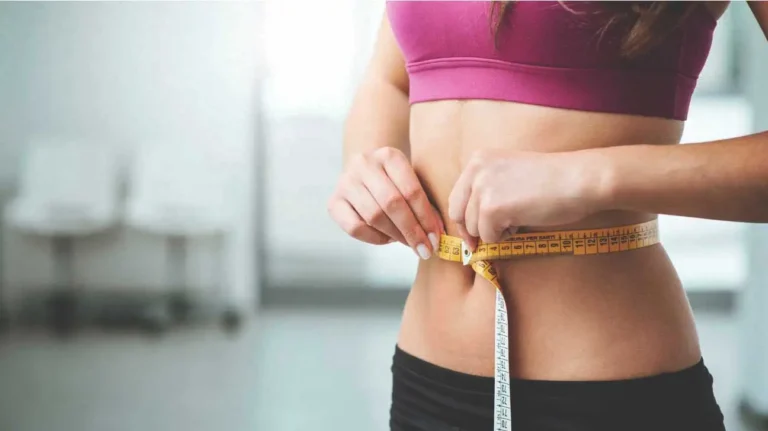
Morning Exercises For Weight Loss
Introduction
Morning exercises for weight loss are a simple and effective way to kick-start your metabolism, burn calories, and boost energy levels for the day ahead. Working out in the morning helps improve consistency, supports fat loss, and keeps you active and focused throughout the day. When combined with a balanced diet, regular morning exercise can play a key role in achieving and maintaining a healthy body weight.
Does exercising have a “best” time?
An observational study suggests that the early morning hours may be the optimal time of day for managing weight, although this remains a topic of debate.
Being a morning person can be quite challenging for most people. Want to be firm and fit but are stuck in a confused body with hectic morning sweating sections? Being aware of the advantages of morning workouts helps us transition from being weak to strong. Here are some at-home morning workouts to help you get your muscles moving and start the day.
Making it a habit makes it easier to complete morning workouts at home. Aside from that, exercising first thing in the morning, even before breakfast, can make your day happier and accelerate your calorie burn. Since your body is still in snooze mode, start with a few easier ones and work your way up to increase your blood pressure.
Which is more important, exercise or diet?
Both are significant. Diet is more helpful than exercise. Exercise and other forms of physical activity have a greater impact on preventing weight gain after weight loss.
People may become weaker if they lose weight solely through diet and lack of exercise. Age-related declines in muscle mass and bone density are the cause of this.
How much exercise do I need?
The average adult requires at least muscle-strengthening activity and 150 minutes of moderate-intensity exercise per week.
On weekdays, for instance, you might work out for half an hour.
On the other hand, you might think about working out for more than half an hour every day if you want to lose weight.
If you’re new to exercising, remember it’s okay if you can’t meet the CDC’s recommended daily activity level right away. Starting small and working your way up to and beyond the recommendation is acceptable.
For example, start exercising for 10 minutes. After you feel at ease with that duration, you can extend it to fifteen minutes, twenty minutes, and so forth.
Particularly when you’re first starting, consistency is more crucial than quantity.
How much weight loss is realistically possible?
It’s crucial to keep in mind that losing weight is not a straight line, and it’s normal to start off losing weight more quickly.
Starting weight: People with a higher initial body weight usually have a higher basal metabolic rate (BMR), which means they naturally burn more calories, even at rest.
Age: As people age, their BMR often decreases due to a natural loss of muscle mass and an increase in body fat. This lower metabolic rate can make losing weight more difficult with age.
Biological sex: Individuals assigned male at birth generally have more muscle and less fat compared to those assigned female at birth. Since muscle burns more calories than fat, this difference often results in faster weight loss in males, even with the same calorie intake.
Diet: Diet is the greatest and most helpful thing for weight loss in a few ways.
Sleep: Research has shown that sleep deprivation may slow down weight loss and possibly increase cravings for high-calorie foods.
Medical conditions: People may lose weight more slowly if they have conditions like depression or hypothyroidism.
Genetics: Research has shown that there is a genetic component to weight loss, which may influence some obese individuals.
Health experts advise restricting weight loss to 1-2 pounds (0.5-1.36 kg), or roughly 1% of body weight, per week for safe and long-lasting results, even though many people seek rapid weight loss.
You’re losing weight too quickly. It may lead to negative feedback:
- kidney stones
- dehydration
- exhaustion
- malnourishment
- headaches
- Anger
- constipation
- loss of hair
- Menstrual irregularities
Here is the list of 7 Best Morning Exercises That You Can Do At Home
1. Single-leg glute bridge

Starting Position:
Lie down with the knee and foot. Keep your hand relaxed.
Lift One Leg:
Lift the one leg straight. Keep your thighs parallel.
Engage Core and Glutes:
Tighten your core muscles and squeeze your glutes.
Raise Your Hips:
Lift your hip from the ground, just like bridging
Hold Briefly:
For 2–3 seconds.
Lower Slowly:
Gently lower your hips back down without letting your extended leg touch the floor.
Repeat:
10 to 15 times. Both legs.
2. Power push-ups

Starting Position:
You have to lie in a prone position, and your elbow should be in a 45-degree flex.
Explosive Push:
Press forcefully lift your body upward. Use enough force to lift your body weight.
Control the Landing:
Land softly, just like the starting position.
Repeat:
Perform 8–12 explosive reps, depending on your strength and fitness level.
3. Cat-Camel Stretch

Starting Position:
Get down on a quadrupod position, with the support of a hand. Your spine should be neutral.
Cat Position:
Your back should go inwards. Let your head and tailbone drop down. Hold this position.
Camel Position: Your back should go outward. Lifting your head and tailbone upward. Hold this arched position briefly.
Repeat:
Alternate between the arched (camel) and rounded (cat) positions with ease. Do 8–10 repetitions.
4. Jumping Jacks
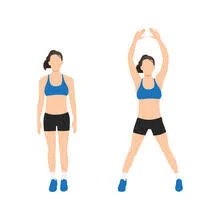
Starting Position:
Stand straight and arms at your side. Keep your back straight.
Jump and Spread:
Jump with legs apart.
Return to Start:
Lower your arms to the beginning position and jump once more to bring your legs back together.
Repeat:
Continue this rhythmic motion at a steady pace for a set time (e.g., 30 seconds to 1 minute) or number of repetitions (e.g., 20–30 reps).
5. Crunches
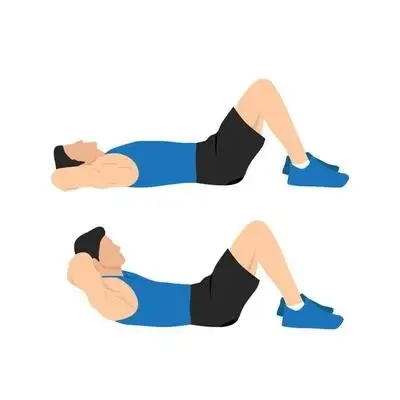
Starting Position:
Lie down. The knee should be flexed and the foot flat. Place your hands backward, your head. Your elbow should be outside.
Engage Core:
Contract your abdominal muscles.
Lift Upper Body:
Lift your head, neck, and shoulders. Avoid pulling on your neck.
Pause at the Top:
Hold this position.
Lower Down:
Slowly return your upper body to the starting position, ensuring your core remains engaged.
Repeat:
Perform 10–15 repetitions, or as many as you can with proper form.
6. Double Leg Lift

Starting Position:
Lie down and raise both legs. Make sure thatit’ss straight. Handrests on the side.
Prepare Your Core:
Gently press your lower back toward the floor to prevent it from lifting. For extra support, you can place your hands beneath your hips if necessary.
Lift Legs:
Lift your legs and keep them straight. Continue lifting until they form a 90-degree angle with your torso or as high as is comfortable.
Lower with Control:
Maintaining your legs slightly above the floor, slowly lower them to the beginning position.
Repeat:
Perform 10–15 repetitions, maintaining proper form throughout.
7. Squats

Starting Position:
Stand with your feet shoulder-width apart. Keep your toes pointing slightly outward. Let your arms rest at your sides or extend them forward for balance.
Engage Core:
Activate your abdominal muscles to help stabilize and protect your lower back.
Lower Your Body:
Start by bending at your hips and knees, lowering yourself as though you’re sitting into a chair.
Go as Low as Comfortable:
Continue lowering your body until your thighs are parallel to the floor or as low as you can comfortably go, ensuring your back remains flat and neutral.
Repeat:
Perform 10–15 repetitions while maintaining proper form.
What advantages come with working out first thing in the morning?
It’s always preferable to reap the benefits of these early sweat sessions. Because we seem to stick with something once we realize its advantages. Furthermore, who doesn’t admire a firm, well-fitting body that can be achieved from the comforts of home?
If you do exercise in the morning without breakfast, that helps burn fat and calories rapidly. This helps you lose weight and maintain your health. Engage your brain and body.
Common sense, then. If you begin your day with a good workout, you remain active all day. You’ll turn into the chirpy, nimble bird that runs around with its body and brain engaged. You can start over and escape your sedentary lifestyle back home with a morning workout.
Aids in improving sleep quality
Sleep and exercise go hand in hand. By increasing your metabolic rate with a few morning exercises, you can attain hormonal balance and sleep well.
Control your blood sugar levels.
Exercise is crucial for the treatment of type 1 diabetes (T1DM). However, exercise may be difficult for those who have type 1 diabetes. Physical activity can raise the chance of having low blood sugar. The trial included treadmill exercises in the morning and afternoon and involved 35 individuals with type 1 diabetes. Morning workouts were less likely than afternoon workouts to result in hypoglycemia episodes after exertion.
Improve your quality of sleep.
According to a 2014 study that was published in Vascular Health and Risk Management, adults who worked out promptly before 7 a.m. Following the morning workout, participants slept more deeply for longer periods of time and woke up less frequently at midnight. The benefits of exercising outside first thing in the morning on sleep are much greater.
Reduce your blood pressure.
One of the best natural methods for lowering blood pressure is physical activity. In the research, twenty people with slightly high blood pressure used treadmills at 7 a.m., 1 p.m., and 7 p.m. to compare the effects. In three separate sessions. In order to monitor their blood pressure response, the subjects also wore a medical device. On days when people worked out at 7 a.m., the biggest positive changes in blood pressure were observed.
Gain muscle more quickly.
Your body needs more testosterone if you want to put on muscle. Are you able to forecast when your testosterone levels will be at their peak? Working out and training first thing in the morning can help you build muscle more effectively and efficiently because your body is at its best for muscle growth.
Fight off illness
Morning activities can help reduce insulin resistance, which has been associated with a lower risk of diabetes. Researchers from Belgium found that people with improved insulin sensitivity were those who worked out without eating anything before or during the workout.
The impact of healthy behaviors
By reducing the hunger hormone ghrelin, morning exercise at home generally aids in appetite control. On the other hand, working out first thing in the morning might help you further control your appetite.
After that, the women’s brain waves were tracked while they looked at pictures of food and flowers (the control). The study found that when the women did not exercise in the morning, their brains reacted more strongly to pictures of food.
Improve Metabolism
Our bodies depend on this system to function even when we are asleep. Think about this: your body needs to breathe, circulate blood, and develop and repair cells even when you’re not doing anything.
FAQs
Which exercise is bestfor losinge weight?
Although the “best” workout for weight loss varies depending on personal preferences, fitness levels, and resource availability, it is usually advised to combine strength and cardio training. Running, swimming, and cycling are examples of aerobic exercises that increase cardiovascular health and burn calories. Building muscle mass through strength training, such as lifting weights, raises your metabolism and enables you to burn more calories even when you’re not moving.
What exercise burns the most belly fat?
Any activity that increases your heart rate, such as dancing, swimming, running, or walking, is considered aerobic exercise. Playing with your kids, cleaning, and gardening can also fall under this category. You can lose belly fat with other forms of exercise, like yoga, Pilates, and strength training.
How many calories are in 1 kg?
The equivalent of one kilogram (2.2 pounds) of body weight is about 7,700 calories. You must create a calorie deficit of about 7,700 to lose 1 kg. A combination of dietary adjustments (eating less) and increased physical activity (burning more calories) can help achieve this deficit.
Is losing 2kg a week healthy?
Most people shouldn’t lose more than 1 or 2 pounds (0.5 to 1 kg) per week. You may lose bone density, muscle mass, and water as a result. Among the adverse effects of rapid weight loss are gallstones.
Can I lose weight without exercise?
Eating more protein and fiber, avoiding sugar-sweetened beverages, controlling portion sizes, and getting enough sleep are some dietary and lifestyle modifications that may help you lose weight without exercising.
Can I lose weight by walking?
Indeed, walking can help you lose weight, especially if you pair it with a healthy diet. It is a calorie-burning, low-impact workout that can aid in establishing a calorie deficit, which is crucial for weight loss.
What are the 4 types of contractions?
Isometric, isotonic, concentric, and eccentric contractions are the four different forms of striated muscles. Constant tension combined with a change in muscle length is a characteristic of isotonic striated muscle contraction.
How to reduce tummy?
Focus on a combination of a nutritious diet, regular exercise, and lifestyle changes to reduce the size of your belly. Since spot reduction—the loss of fat in a single area—is impossible, reducing body fat overall through diet and exercise is crucial. Make strength and cardio training a priority, control your stress, and get adequate rest.
References
- Rd, R. R. M. (2023, November 9). The 8 best exercises for weight loss. Healthline. https://www.healthline.com/nutrition/best-exercise-for-weight-loss
- Calculating your calories burned. (n.d.). Mayo Clinic. https://www.mayoclinic.org/healthy-lifestyle/weight-loss/in-depth/exercise/art-20050999
- Decathlon. (2019, December 16). Home Exercises for weight loss in 1 week | A Step-By-Step Guide. https://blog.decathlon.in/articles/weight-loss-exercises-at-home-in-1-week
- Harvard Health. (2021, March 30). Simple math equals easy weight loss. https://www.health.harvard.edu/staying-healthy/simple-math-equals-easy-weight-loss