Sit-Ups Exercise
Introduction
Sit-Ups Exercise is a classic bodyweight workout that targets the abdominal muscles, especially the rectus abdominis. It helps improve core strength, trunk flexion, and overall fitness when performed with proper technique and control.
Although it’s rarely done these days, it’s still a very powerful flexion-based exercise for people who want to use it to strengthen their core.
Compared to crunches (or stability ball crunches), the sit-up carries some risks. The most prevalent one is lower back pain.
Sit-ups can be included in a full-body or ab workout.
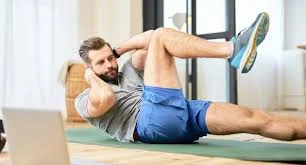
While using your core muscles to lift your upper body off the mat. You maintain complete control over the movement as you slide back to the floor, keeping your lower back stabilised. You can cross your hands behind your ears or across your shoulders.
Many people are shocked to discover that having a strong core supports improved posture, balance, and stability, as well as improving their shape. Everyday motions like bending to tie a shoe, reaching for something on a high shelf, or just standing upright are made much easier and less challenging by a strong core, which acts like the main connection between your upper and lower body. Particularly as we age, strengthening these muscles can help avoid injuries and falls.
In the past, sit-ups were the best way to get a smaller waist and tighter abs. While traditional sit-ups and crunches have become less popular, plank exercises—which involve assuming a position and holding it—are now the gold standard for strengthening your core.
Sit-ups are a multi-muscle workout. Sit-ups work the abdominals as well as other muscle groups, such as the following, even though they don’t specifically target stomach fat (Note: neither do crunches!).
- Chest
- Hip flexors
- Lower back
- Neck
Compared to fat cells, muscle cells have a higher metabolic activity. It also means that even when they are at rest, they burn calories. In the long run, sit-ups will help you burn more calories because they help you gain muscle. Additionally, having a strong core can help with posture. Without losing weight, good posture can enhance appearance.
Muscles Worked by Sit-Ups
Rectus Abdominis: This is the main muscle used for running down the front of your torso and sit-ups. During the upward part of the exercise, the rectus abdominis contracts, causing the torso to flex.
Obliques: You can find these muscles on either side of your torso. The obliques help with the sit-up exercise, even though they are not the main movers.
Hip Flexors: The hip flexors help pull you upward by extending from the top of your leg to your spine. Raising your feet onto a chair and performing crunches can help if they become overly dominant during the sit-up.
Transverse Abdominis: The muscles in the deep abdomen. They are used to stabilize you during sit-ups and are active during most physical activities.
How to Do Sit-Ups

Step 1: Setting Up
Get down on a yoga mat or the floor. Make a 90-degree angle with your legs by placing your feet on the ground. To activate your core, press your lower back into the floor. Place your hands gently behind your neck or cross them over your chest.
Step 2: Sit Up
To raise your upper body without using momentum, contract your abs. Your chest should land on or close to your thighs.
Step 3: Lower Down
Return to the ground slowly. Maintain a tucked tailbone and an active core. When you’re ready, start the move again after touching down.
Why Sit Ups Are a Great Core Exercise
Sit-ups may seem simple at first (sit up, lower down), but they have many advantages for all levels of fitness.
Above all, sit-ups strengthen your core, which is the general term for the midsection (or the collection of muscles in your lower back, pelvis, stomach, and hips). Lifting grocery bags, reaching for items in your pantry, and standing up and sitting down are all examples of functional movements that are made easier with a strong core.
Additionally, sit-ups increase your stability. The hardest part is keeping your feet down.
Sit Up Form and Safety Tips
When you’re prepared to begin your core exercise, there are a few important form and safety factors to consider.
Control your movement on the way down:
Consider lowering yourself to the floor slowly to get the most out of your sit-ups. Over time, this can significantly increase your core strength by pushing your muscles to remain active for a few more seconds.
Moving with intention:
As you drop, you shouldn’t simply go slowly. To maximize your repetitions, do your best to complete the entire exercise slowly and carefully.
Keep your neck in a neutral position:
You may experience shoulder and neck pain if you raise your neck toward your knees. Remind yourself to let your core do the work and to relax your upper body as you gently align your neck with the rest of your spine.
Make sure your core is doing the work:
Remind yourself that your abdominals are the source of the movement as you move them. If not, your back will attempt to take over and simplify the exercise.
What’s The Difference Between Crunches and Sit Ups?
Due to their similar appearance, sit-ups and crunches differ considerably. You’re not sitting up straight when you’re doing crunches. It has a smaller range of motion and a smaller movement. Instead of lifting your entire upper body off the ground as you would in a sit-up, crunches use your core muscles to raise just your head, neck, and shoulders.
In summary, you sit all the way up during a sit-up, but you only sit halfway up during a crunch.
Crunch
The shoulders are the only parts that come off the ground.
There is less range of motion.
An easier movement to start with for beginners
Sit-Ups
The back totally separates from the ground.
The range of motion is expanded.
Better suited for people with intermediate-to-advanced abdominal strength
Sit Ups: Variations and Modifications
You’re in luck if you’re prepared to re-create traditional sit-ups: You can challenge different parts of your body with a variety of sit-up variations. We take you through four of them below.
Assisted Sit Ups
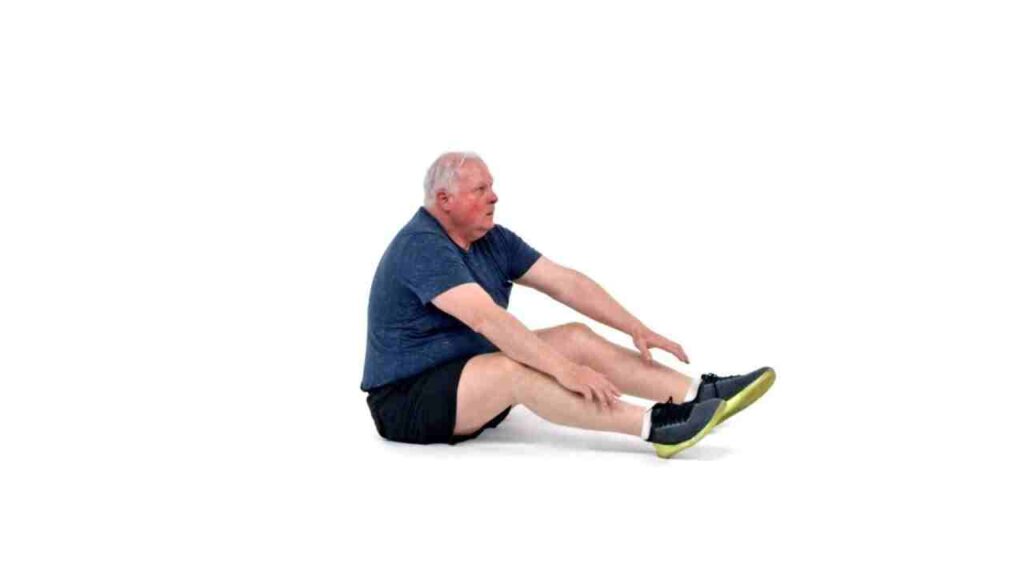
Ask someone to hold your feet down while you sit up if standard sit-ups seem a little too difficult. Place your feet between the handles of heavy dumbbells if you’re by yourself to prevent your feet from rising.
Butterfly Sit Ups

Try bringing the soles of your feet together in butterfly pose for a variation that challenges your hip flexors and opens your hips. After that, simply sit up as normal and extend your fingers past your toes.
V-Sit Ups
You will start this more difficult variation by lying flat on the ground and extending your arms straight overhead. Make a “V” shape by using your abs to raise your body, straighten your legs, and straighten your upper body. Lower yourself to the ground with control.
Weighted Sit Up
If you’re prepared to test your sit-up skills, pick up a weighted plate or dumbbell, lie down on the floor as you would in a traditional sit-up, hold the weight or plate overhead, sit up, and press the weight over your head, keeping your back straight the entire time.
How Many Reps and Sets?
Select a weight and rep range based on your skill level. Generally speaking, four sets of 12–15 repetitions should be adequate for hypertrophy (building muscle).
9 Benefits of Sit-Ups
Sit-ups are a traditional core exercise because they are easy and efficient. These nine advantages of sit-ups include variations on the classic workout.
1. Core strength
One of the main reasons people perform sit-ups is their core strength. You can lower your risk of back pain and injuries by toning, tightening, and strengthening your core.
As you go about your everyday business and engage in sports, you’ll be able to move more easily.
2. Improved muscle mass
Sit-ups strengthen the muscles in the hips and abdomen. Muscle loss may be indicated by sit-up performance. A 2016 study found that older women who could perform sit-ups had a lower risk of sarcopenia, an age-related loss of muscle.
Muscle mass and function were higher in women who could perform more than ten sit-ups. Even though these findings are encouraging, more investigation is required to build on them.
3. Athletic performance
Improved muscular strength and endurance in athletes are associated with strong core muscles. You can perform better in any sport or physical activity when you have a strong core because it provides you with the right posture, stability, and form. You’ll also be less likely to feel worn out.
4. Better balance and stability
Your body will remain balanced and stable throughout your daily and athletic activities if you have a strong core. They facilitate the cooperation of your hip, lower back, and pelvic muscles with your abdominal muscles. You are less likely to fall and hurt yourself if you have good balance.
5. Increased flexibility
Your hips and spine can become less stiff by moving. Your back and hips become more flexible after doing a sit-up, which improves mobility and eases tightness and tension. Increased flexibility lowers stress, increases energy, and enhances circulation and focus.
6. Improved posture
Developing a strong, solid core supports better posture by keeping your shoulders, hips, and spine in alignment. Improved breathing, more energy, and less pain and tension are all advantages of proper posture.
7. Reduced risk of back pain and injury
Additionally, sit-ups strengthen the pelvis, hips, and lower back. A solid, firm center is made possible by a strong core, which reduces the likelihood of back pain and injury.
Even though there is the common belief that sit-ups can result in injuries, results regarding musculoskeletal injuries were similar whether sit-ups were included or not in an exercise regimen.
Sit-ups are probably beneficial and may even help with back pain if you exercise carefully.
8. Diaphragm strengthening
Diaphragmatic breathing can be practiced with sit-ups. Your diaphragm may benefit from sit-ups because they compress the abdomen. Your breathing patterns, stress levels, and athletic endurance can all be improved with a strong, healthy diaphragm.
The impact of various abdominal exercises on diaphragmatic pressure. It was discovered that sit-ups helped to improve respiratory function and strengthen the diaphragm. To build on these findings, larger, more comprehensive studies are required.
9. Academic achievement
Academic achievement may even benefit from sit-ups.
Children’s high levels of fitness were associated with high levels of academic success. At the two-year follow-up, students who performed well in the sit-up portion of an eight-activity test had greater levels of academic achievement than those who performed poorly.
FAQs
Do sit-ups flatten your stomach?
Unfortunately, visceral fat cannot be directly eliminated by sit-ups and crunches. Our bodies just don’t function that way, so you can’t exercise a particular body part to lose fat from it. Sit-ups and other abdominal exercises do not burn intra-abdominal fat; instead, they tone the abdominal muscles.
Why are sit-ups no longer recommended?
A person may sustain low back pain and damage certain parts of their spine by repeatedly flexing their lumbar spine during a typical sit-up routine. We advise against the typical sit-up for ordinary people who work out to maintain their fitness.
What are the benefits of sit-ups?
The core’s strength and stability
Stronger abs: Among other abdominal muscles, sit-ups strengthen the rectus abdominis, transverse abdominis, and obliques.
Improved balance: By strengthening your core, sit-ups improve your general stability and balance.
Support for functional movement: A strong core is the foundation of most movements, which enhances your ability to perform daily tasks.
improved alignment while preventing harm and preserving physical well-being. By strengthening your pelvic, lower back, and core muscles, you can improve your posture.
Reduced back pain: A stronger core not only supports your spine but also reduces your chance of injury and back pain.
Increased flexibility: The entire range of motion of a sit-up can help stretch and strengthen the spine and hip flexors.
How important is sleep for abs?
These hormones are essential for the repair and regeneration of muscles. When you sleep, your body produces the most growth factors. Your body will produce these vital hormones and have time to do their magic if you get the recommended 7–9 hours of good sleep.
References
- Cherney, K. (2023, April 7). Situps vs. Crunches. Healthline. https://www.healthline.com/health/fitness-exercise/sit-ups-vs-crunches
- Cronkleton, E. (2023, July 17). 9 Benefits of Sit-Ups and How to Do Them. Healthline. https://www.healthline.com/health/sit-ups-benefits
- Harvard Health Team, June 3). Want a stronger core? Skip the sit-ups. https://www.health.harvard.edu/staying-healthy/want-a-stronger-core-skip-the-sit-ups
- McPhillips, K. (1970, January 1). Sit Ups Are a Classic Core Exercise that Everyone Should Master—Here’s How. https://www.onepeloton.com/blog/how-to-do-a-sit-up
- Neudecker, K. (2025, May 8). How to Do Sit-Ups with Perfect Technique to Torch Your Core. Men’s Health. https://www.menshealth.com/uk/how-tos/a735506/sit-up/