Simhasana (Lion Pose)
What is Simhasana?
Simhasana (Lion Pose) is a seated yoga posture that involves opening the mouth wide, extending the tongue out, and exhaling forcefully to release tension from the face, throat, and chest. It helps reduce stress, improve vocal clarity, and promote relaxation.
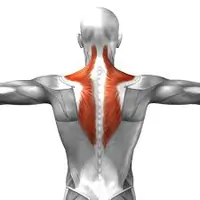
It focuses on strengthening and stretching the quadriceps, knees, wrists, and spine muscles.
The eyes, ears, nose, throat, and mouth are all calmed by simhasana. It helps to lessen emotional tension and irritation. This pose aids in postponing aging.
Meaning:
The Sanskrit name Simhasana is derived from the words “Simha,” which means “lion,” and “asana,” which means “pose.” Additionally, the practitioner of the asana must produce a roaring sound.
Sitting on one’s knees and palms is how it is done. The practitioner must open their mouth and protrude their tongue. The yogi produces the roaring sound by exhaling deeply.
The name comes from the final position and sound, which resemble a roaring lion. It is an effective asana for developing a clear voice and improving speech problems like stuttering. Additionally, it lessens tension and annoyance.
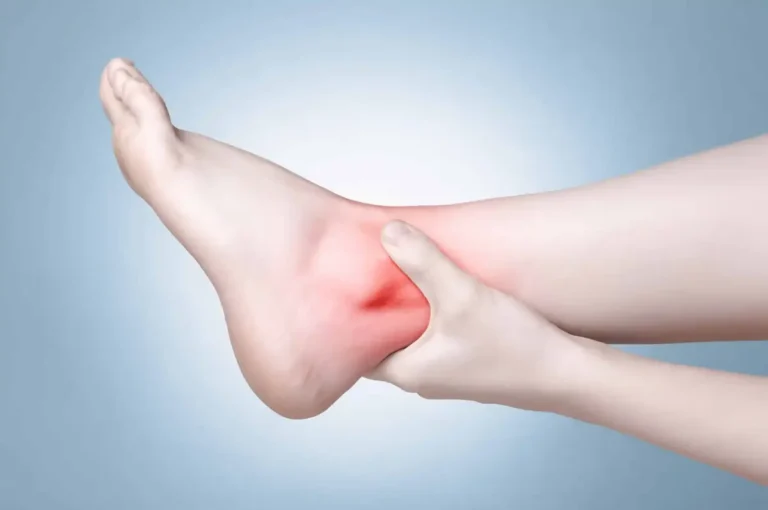
Muscle Work during Simhasana:
- Hip Muscles
- Feet and Ankles Muscle
How to Perform?
- Sit in Vajrasana to start.
- Keeping the toes of both feet in contact, spread your knees widely apart.
- Place your palms between your knees on the ground.
- Bring your wrist outward while turning your fingertips towards you.
- Keep your chest open by preserving the integrity of your spine.
- Draw your head back while shifting your body weight on your wrists.
- To make yourself comfortable, close your eyes and remain there.
- Open your eyes and focus on the middle of your eyebrows.
- Breathe in deeply and slowly, then release the breath by bringing your tongue to your chin.
- As you release your breath, make the sound “aah” from your throat.
- As you release the breath, shut your mouth even more.
- Three to five times, repeat the breathing technique while making the sound.
- Bring your knees together and raise your palms off the ground to release.
- As you rest in vajrasana, keep your hand on your knees.
Benefits:
Soothes the mind: Simhasana facilitates mental relaxation. The exhalation’s loudness facilitates the release of bad energy and thoughts. This lessens irritation and emotional strain. Additionally, it strengthens resilience and reduces mood fluctuations.
Delays the effects of aging: It inclue working the muscles in the face. This tightens the skin on the face and helps to eliminate wrinkles. It has a revitalizing impact by improving blood circulation to the face.
Stops foul breath: The respiratory system benefits from the asana. It keeps the respiratory system free from infections. In the end, this makes it impossible for the practitioner to eliminate bad breath.
Enhances speech impairment: The tongue, throat, and vocal cords are actively engaged during the practice of Simhasana (Lion’s Pose), which can help alleviate speech issues such as lisping, stammering, and stuttering. The development of a clear, well-toned voice is another benefit of this yoga stance.
Calming effects on the eyes: Fixing the sight on a spot is necessary to hold the ultimate position. This lessens eye strain and eases the burning sensation in the eyes.
Enhances digestion: The pose’s breathing causes the abdominal muscles to contract and relax. The digestive system is stimulated as a result.
Beginner’s Advice:
- As you press your arms to the floor, spread your shoulder blades across your back to achieve the posture. This will assist in elevating the heart and opening the chest.
- Try a variation by sitting in a pose that suits you, such as vajrasana or sukhasana.
Preparatory Pose:
Staff Pose, or Dandasana:
With your toes pointed up towards the ceiling, sit with your legs out in front of you. Hold this stance for a few seconds while keeping your spine straight and placing your platysma hands at the sides of your glutes.
Your legs and hamstrings will become more flexible as a result, and your spine and pelvic floor muscles will become more active.
Baddha Konasana (Bound Angle Pose):
Using your palms to support both feet in place, maintain a straight spine while extending your legs into a namaste stance. Make sure your knees are near the floor.
For a few seconds, either hold this position or flap your thighs up and down without touching the ground. Continue doing this until your inner thighs, hip flexors, and glutes are all warm.
Hero Pose, or Virasana:
You can stretch your front thighs and engage your knees and spine with this contemporary kneeling yoga pose.
Place your palms on your knees, sit upright, kneel on your mat, and rest your buttocks on the floor between your legs. For two to three minutes, maintain this stance.
Props and Modifications:
Yoga block: If you have trouble sitting in the pose. Simhasana is performed by simply sitting in vajrasana with a block beneath your hips.
Chair: It is advised to practice this position on the chair if you find it challenging to do so on the floor.
Variations:
Lion Breathe in Cross-Legged Pose:

Close your eyes while sitting in Padmasana. In Gayan Mudra, make sure you are sitting upright with your hands on your knees and your knees near the floor.
Now take a deep breath and use long exhalations to practice the lion roaring motion. Before you practice the primary position, this will help you improve your breathing and roaring coordination.
Lion Pose with Reverse Wrist Grip:
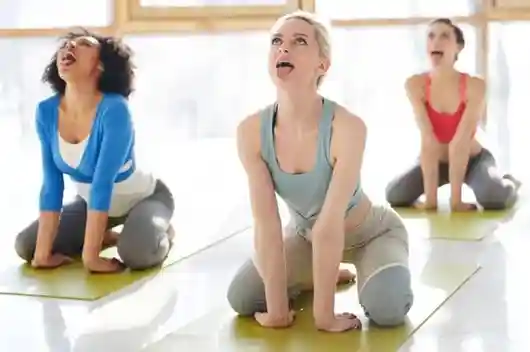
Place both palms in the space created by your thighs as you split your front thighs in the Thunderbolt position. Maintain a reversed grasp, with your fingers pointing in the direction of your pelvis.
Now take a big breath and release it with a roar. For improved wrist, elbow, and arm agility, repeat this exercise for three to five minutes.
Simhasana II (Lion Pose II):
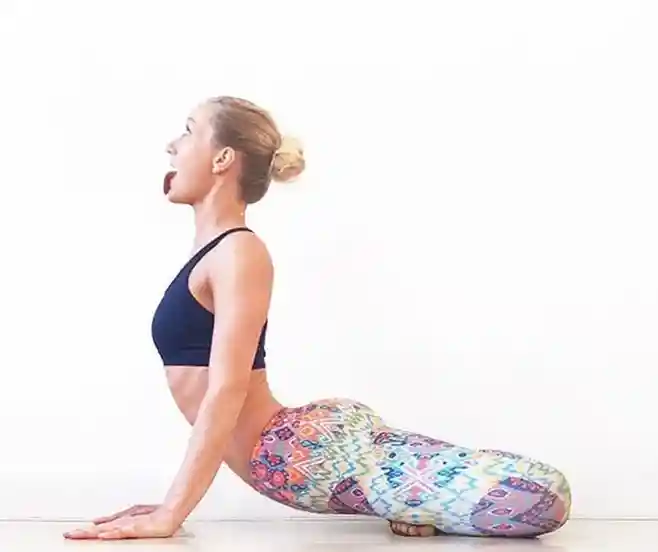
To begin, take a seat with your legs crossed. In the cross-leg position, carefully place your palms in front of you and move your body forward until your front thighs press against the yoga mat.
Then inhale deeply and release it with a lion-like roar. After five to ten repetitions of this roaring breath, release the posture. Put yourself in a tabletop position and relax your arms and spine to get out.
Precautions and Contraindications:
- Do simhasana asana while sitting in vajrasana if your wrists are weak; avoid placing your hands on the ground.
- This asana should not be performed for longer than three minutes.
- A damaged or wounded knee or ankle should never be used for simhasana.
- Avoid doing this pose if you have a tongue, neck, or face injury.
FAQs
Can beginners perform Simhasana?
Yes, with practice and breath awareness, novices can do Simhasana with ease. However, before doing the Lion position, be sure to engage your legs, knees, wrists, and pelvis.
What are the different stretches in Simhasana?
Simhasana is not a stance for active stretching. Nevertheless, the minor bending that occurs during the Lion posture practice helps to improve blood circulation in the pelvis, back, ankles, spine, and face.
What are the benefits of Simhasana yoga?
Simhasana yoga has several advantages, such as:
Fights foul breath.
Aids in asthma prevention.
Enhances the prana flow.
Increases the ability to breathe.
The platysma muscle is stimulated.
Releases tension and stress from your face.
relieves a sore throat and tones the muscles in your neck.
Increases blood flow and soothes the neurological system.
Who should avoid performing Simhasana yoga?
If you have severe respiratory problems, persistent back discomfort, hernias, ulcers, knee arthritis, or injuries to your spine or ankles, stay away from doing Simhasana yoga. The lion stance exercise should also be avoided by anyone with severe facial injuries.
Can Simhasana relieve stress?
The yoga breathing method known as “Lion’s Breath,” or Simhasana Pranayama, include a strong exhalation with the tongue out and the eyes wide open. It is well known for reducing tension and increasing self-assurance.
What are the key alignment points in Simhasana?
Neck and Spine Alignment: To lengthen your neck, lean your head gently back while maintaining a straight back. Express your face by opening your lips wide, pointing your tongue down towards your chin, and extending it as far as you can.
Is Simhasana good for the thyroid?
Practicing Simhasana for a few months would undoubtedly assist with hypothyroidism since it pushes the thyroid gland, boosting its vascularity and maintaining its healthy function.
References:
- Allen, W. (2025l, August 26). Simhasana. https://myyogateacher.com/yoga-asana/simhasana
- Simhasana (Lion Pose): How to Do, Benefits & Precautions – Fitsri Yoga. https://www.fitsri.com/poses/simhasana
- Simhasana Pose Yoga Pose (Lion Pose). Tummee. https://www.tummee.com/yoga-poses/Simhasana