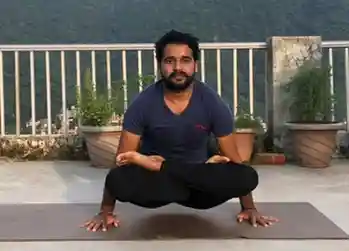
Shashankasana (Hare Pose)
What is Shashankasana?
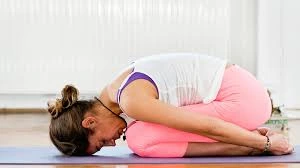
In yoga, Shashankasana, also known as Hare Pose or Rabbit Pose or Naman Pranamasana, is a serene forward-bending pose that represents the moon’s tranquilly. By encouraging deep, steady breathing, it extends the spine, especially the lower back, and enhances mental clarity and relaxation.
Shashankasana is perfect for practitioners of all skill levels since it provides both mental and physical advantages, such as stress reduction and increased tranquilly, as well as physical benefits like improving spine flexibility and reducing back pain.
Meaning of Shashankasana:
Shashank, which means “moon,” and asana, which means “pose,” are combined to form the Sanskrit word Shashankasana. Shashankasana is also known as “moon pose” because it offers the same tranquilly and tranquilly as the moon (Shashank).
Legend has it that ancient Indians saw dark areas on a full moon that resembled a rabbit or hare with the moon on its lap.
In fact, ank means “lap” and shash means “hare” in Shashank. In Shashankasana, forward bending allows one to lie on their lap, simulating a “hare.” Thus, it’s known as the hare posture.
The moon’s cool, serene, energizing energy calms and relaxes. As a result, shashankasana practice has a comparable impact on practitioners’ bodies and minds.
Muscle work during Shashankasana:
- Neck Muscles
- Biceps and Triceps Muscles
- Lower Back Muscles
- Core Muscles
How to Perform?
- Bend your knees, place your feet flat on the ground, and place your hands on your thighs while sitting in Vajrasana (Thunderbolt Pose).
- Make sure your spine is straight and your shoulders are at ease.
- Spread your knees more than shoulder-width apart. This makes room for your torso to move forward.
- Position Your Hands: Put your palms on the ground between the gaps made by your extended knees.
- Forward Bend: Gently slide your hands forward on the floor after exhaling.
Maintaining a straight head, hands, and spine, bend your torso forward from hip level.
Your palms and forehead should come into contact with the floor as you lower your torso. - Relax: In this position, take slow, deep breaths. To help you relax, close your eyes and concentrate on how the stretch feels.
- Release: Take a breath, then slowly move your arms back using your core muscles. With your arms high and your spine straight, return to the sitting Vajrasana position.
- Finish: Breathe normally while lowering your hands to your thighs. Spend some time unwinding and paying attention to your body’s sensations.
Benefits:
Calms and Eases Spinal Nerves: The paravertebral postural muscles that support your spine are stretched when you bend forward in Shashankasana. It helps relieve pressure on the spinal nerves by facilitating the opening of intervertebral foramina. It helps with spondylitis as well.
Beneficial for Irritable Bowel Syndrome: Regular Shashankasana practice improves parasympathetic and stomach activity in practitioners. Those who suffer from irritable bowel syndrome benefit from this change.
Activates the Solar Plexus and Third Eye Chakra: When the forehead and abdomen are pressed against the ground, subtle energies are propelled to these bodily sites via nadis, or subtle channels. When this is done every day, the solar plexus and third eye chakra are activated.
Strengthens and Stretches a Range of Muscles: The lower back, hips, torso, inner thighs, and abdominal muscles are all severely stretched when bending and standing back up without the need for hand support. Postural muscles are strengthened by this method.
Invigorates the Reproductive System: Applying pressure to the belly has a massaging effect on the reproductive organs, improving their performance and resolving issues. Gynecological problems also benefit from it.
Overcome Obesity: Shashankasana increases metabolism by igniting the digestive fire. The extra fat in the belly, waist, hips, and inner thighs is further burned off as a result. Consequently, cure obesity.
Reduces Stress and Anxiety: Shashankasana improves venous supply to the heart and, eventually, to the head and neck by simultaneously compressing the legs (venous blood) and belly (squeezing blood out of the spleen and liver) with deep inhalation. It helps reduce tension and anxiety by calming the brain.
Beginner’s Advice:
- To keep your balance and prevent strain, move slowly and deliberately.
- Use a bolster or pillow under your forehead for extra support if your knees, hips, or back are uncomfortable.
- Throughout the exercise, make sure your breathing is consistent and quiet.
Preparatory Poses:
- Bound angle pose (Baddha Konasana)
- Reclining Hero Pose (Supta Virasana)
- Reclining Hand-to-big-toe pose (Supta Padangusthasana)
Props and Modifications:
- In the forward bend of Shashankasana, place a bolster beneath your head if you have stiff hip or back muscles (when hips aren’t lifted sufficiently).
- Use fixed bars to extend your spine beyond its natural range. When performing Shashankasana, measure a distance from fixed bars that is just a little bit greater than your stretched hands. Pull it now to extend your hands and spine.
Variations:
Shashankasana Hands Stretched Back:
- Close your eyes and sit in Vajrasana. Now, use your left hand behind your back to grasp the wrist of your right hand.
- To bend your torso forward, take a breath and release it. As you breathe normally or deeply, let your forehead rest on the ground.
- As long as the stance is comfortable, stay in it. Take a breath now to go back.
Shashankasana Hands Under Abdomen:
- Close your eyes and sit in Vajrasana. Now, clench your right hand into a fist and press it against your lower abdomen.
- Take a breath, then release it to lean forward till your forehead touches the ground. As long as it’s comfortable, maintain.
- Now, take a deep breath, sit in Vajrasana, and perform a couple of circles with different hands.
Precautions and Contraindications:
- If you have a slipped disc, knee issues, recent shoulder or back surgery, or an abdominal ailment, stay away from Shashankasana.
- This position should not be performed by pregnant or menstruating women.
Conclusion:
The Hare Pose, also known as Shashankasana, is a straightforward but effective pose with several advantages. This posture can help you control your weight, develop your muscles, enhance your spinal health, aid in digestion, stimulate chakras, or lower stress. You can live a more balanced, healthy, and calm life by adding Shashankasana to your regular yoga practice.
FAQs
What is the Shashankasana Hare Pose?
The forward bend stance, known as “shashankasana,” or “bunny yoga pose,” softly stretches the entire spine, lower back, and upper torso. This pose is sometimes referred to as a bunny or rabbit yoga stance since its final position resembles a rabbit. This yoga stance helps clear your thoughts and promote mental tranquilly.
What is the difference between Rabbit Pose and Hare Pose?
Most kids can perform the rabbit yoga pose, also known as Hare Headstand or Hare Pose yoga, which is a deep forward bend. It creates room and releases tension in the neck, shoulders, and upper back while providing a controlled extension of the neck and upper spine.
Does Shashankasana reduce belly fat?
Shashankasana, or Rabbit Pose
This compressive position works the core and gently massages the abdomen, which may help reduce belly fat.
Are Shashankasana and Balasana the same?
Balasana (child’s pose) and Shashankasana (position of the moon) differ only slightly. When performing Balasana, you strive to contact your heels with your back-facing hands. Your hands move forward in Shashankasana.
What is Shashankasana and its benefits?
Shashankasana, also known as bunny or rabbit yoga stance, is a forward-bending pose that relieves tension in the body and mind. The entire spine and lower torso must be gradually stretched. One of the main advantages of shashankasana is that it lengthens the spaces between your vertebrae, improving your postural muscles.
Is Shashankasana good for digestion?
Shashankasana facilitates better digestion and relieves constipation. You can also get relief from back discomfort with this pose. When performing this asana, patients with high blood pressure should use caution.
Is Shashankasana good for back pain?
The paravertebral postural muscles that support the back are stretched by the forward bending position in Shashankasana. Regularly doing this yoga stance opens up the intervertebral foramina, relieving pressure on the spinal nerves and promoting relaxation.
References:
- Shashankasana (Hare Pose): Steps, Benefits, & Precautions – Fitsri Yoga. https://www.fitsri.com/poses/shashankasana
- Shashankasana Pose Yoga Pose (Hare Pose): How to Do, Beginners Tips, Benefits – Fitsri Yoga. https://www.fitsri.com/poses/Shashankasana